
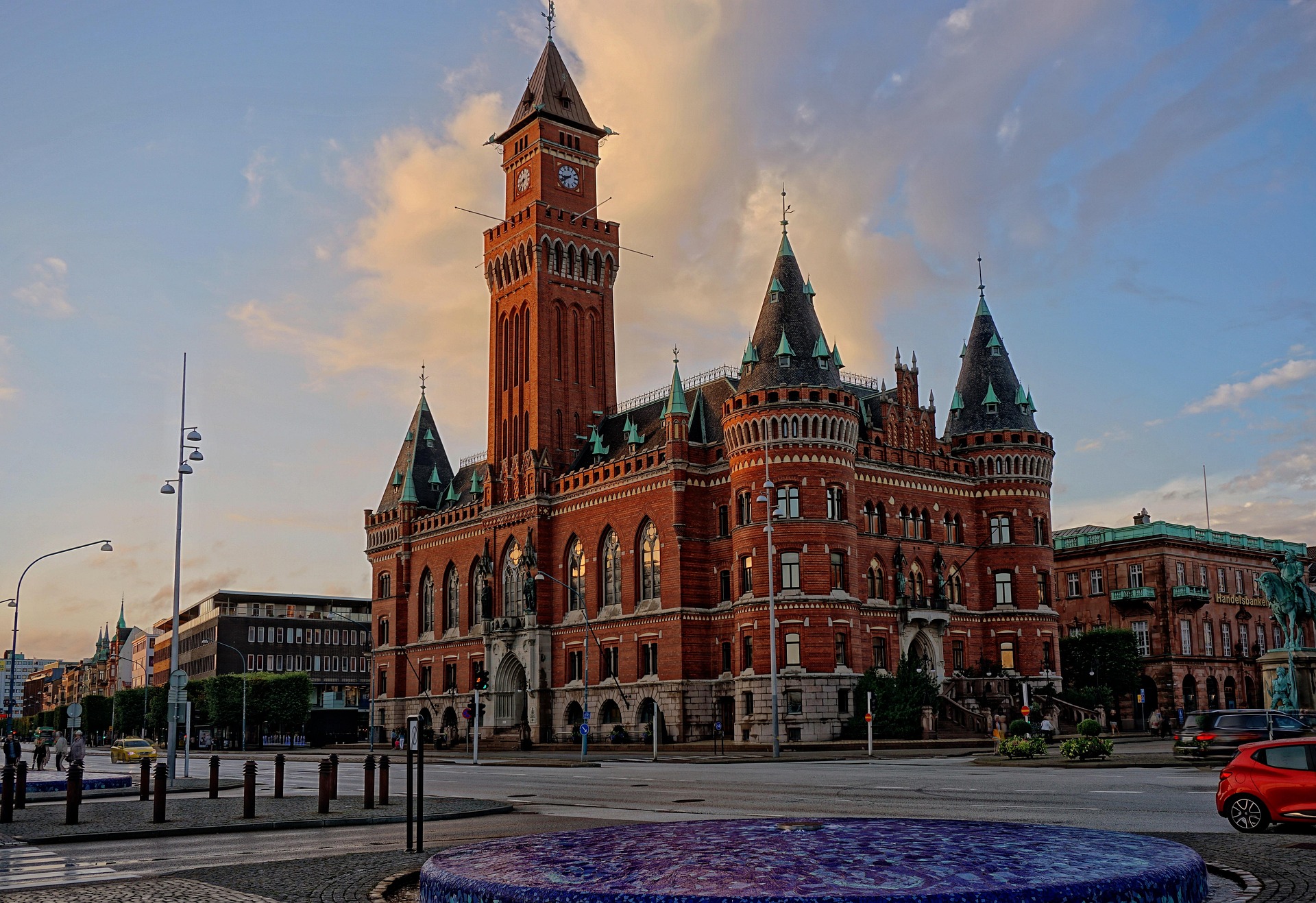
City view of Helsingborg, Sweden

Helsingborg

A short hop from Denmark, Helsingborg rises from the ferry terminal to the medieval tower of Karnan, a reminder that borders moved in 1658 with the Treaty of Roskilde. Stroll Norra Hamnen for marina views, then drift through Sofiero's gardens where rhododendrons erupt in late spring. Seafood brasseries plate hake, mussels, and potatoes with dill, while cafes pour strong coffee that flatters almond tarts. On warm evenings, locals practice cold water dips at Fria Bad; winter swimmers claim it clears the head in one shock. The beach path runs past piers and a few brave year round bathers. Ferries zip to Helsingor in Denmark in minutes, and the ride itself feels like a floating cafe with sea air. Old timers recommend counting Karnan's steps—about 190—then rewarding accuracy with a cardamom bun.

Top attractions & things to do in Helsingborg

If you’re searching for the best things to do in Helsingborg, this guide brings together the top attractions and must-see places to visit in Helsingborg. The top picks below highlight the most visited sights for first-time visitors, plus a few local favorites worth adding.

Dunkers Kulturhus and Harborfront in Helsingborg, Sweden

Dunkers Kulturhus and Harborfront

Facing the harbor, Dunkers Kulturhus gives Helsingborg a contemporary living room in glass and white render where several art forms share the same roof. Designed by Kim Utzon and opened in 2002, the building nods to old warehouses with its stepped roofline yet keeps the waterfront open through courtyards and long panes of glass. Inside you find an art gallery, city history exhibition, concert halls, and studios where local groups rehearse everything from jazz to contemporary dance. The permanent display on Helsingborg’s development explains ferries, industry, and migration with both archival film and small personal objects, while temporary shows bring in work from Swedish and international artists. Cafes spill onto the promenade in good weather and evening light turns the Oresund into a broad mirror for ship traffic and the outline of Kronborg on the Danish shore. Between exhibitions you can simply sit on the quay steps and watch container ships, fishing boats, and commuter ferries all using the same water.
Ads place
Ads place
Ads place
Ads place
Ads place
Fredriksdal Open Air Museum and Botanical Garden in Helsingborg, Sweden

Fredriksdal Open Air Museum and Botanical Garden

A short bus ride inland, Fredriksdal folds rural Scania into a city park, with farmyards, gardens, and historic buildings laid out like a walkable encyclopedia. The estate opened as an open air museum in 1923, built around a manor house from the 18th century and expanded with town blocks, village greens, and working fields. Heritage breeds such as Skane geese and old Swedish Red cattle graze near apple orchards and vegetable plots that supply the onsite bakery. The botanical garden specializes in regional flora, mapping out meadow plants, hedgerows, and forest edges in careful detail so visitors can recognize them later on real walks. Indoors, exhibitions explain rural life, textile traditions, and the work of writer and collector Maria Schubert, whose efforts helped preserve many buildings. Seasonal markets, outdoor theatre, and guided evening walks extend the experience beyond daytime. Fredriksdal shows how Helsingborg’s story includes both cobbled streets and soil under fingernails, and it makes that connection pleasantly obvious.
Ads place
Ads place
Ads place
Ads place
Ads place
Karnan Medieval Tower in Helsingborg, Sweden

Karnan Medieval Tower

From Stortorget the hill climbs toward Karnan, a solitary brick tower that still looks as if it is checking the strait for trouble. The core of the fortress rose in the early 1300s when Helsingborg guarded the narrow Oresund, and the present keep stands about 35 meters high with walls up to 4.5 meters thick. Inside, stone stairs loop through echoing chambers and a vaulted hall where exhibits describe medieval sieges and the role of King Erik of Pomerania, who taxed passing ships through the famous Sound Dues. From the roof platform you read both Sweden and Denmark at once, with Helsingor and Kronborg Castle almost within arm’s reach on clear days. Small details ground the drama, from carved masons’ marks to the well that once kept defenders alive. Modern lighting keeps the ascent atmospheric without turning it into theatre. Karnan works as both history lesson and viewpoint, a reminder that Helsingborg’s skyline grew from a strategic staircase above the sea.
Ads place
Ads place
Ads place
Ads place
Ads place
Raa Old Fishing Village and Coastal Walk in Helsingborg, Sweden

Raa Old Fishing Village and Coastal Walk

South of central Helsingborg, the former fishing village of Raa gives you low houses, narrow lanes, and immediate access to the sea in one compact package. The harbor once launched fleets of small boats into the Oresund herring grounds, and traces of that work linger in sheds, slipways, and the low Raa Museum, which tells stories of storms, smuggling, and wartime escape routes. Many cottages date to the 19th century and wear traditional scanian colors of red, yellow, and white washed brick under heavy tiled roofs. A shoreline path runs north and south for several kilometers, linking sandy stretches such as Raa Vallar with small piers where locals swim from April to well past September. Cafes around the harbor serve fresh fish when supply allows and simple coffee when it does not. On clear days you can see the silhouettes of Danish wind turbines and ferries sliding toward Helsingor. Raa is not a checklist sight but a lived in fragment of coast, best appreciated by walking, sitting, and watching the light move over the water.
Ads place
Ads place
Ads place
Ads place
Ads place
Sofiero Palace and Rhododendron Gardens in Helsingborg, Sweden

Sofiero Palace and Rhododendron Gardens

North of the city center, Sofiero feels like a country retreat that somehow kept its royal gravitas and its family scale. The palace was given in 1905 to Crown Prince Gustaf VI Adolf and Princess Margaret, keen gardeners who turned the ravines toward Oresund into one of Europe’s most dense rhododendron collections. Today more than 10,000 plants bloom in late spring, spilling color down slopes threaded with narrow paths and wooden bridges. The palace itself holds changing exhibitions on design and royal history, and preserved rooms show how a twentieth century monarchy actually lived during summers. Lawns near the terrace invite picnics with views toward Denmark, while a kitchen garden supplies the restaurant with herbs and seasonal vegetables. Children drift toward the playground tucked among old trees and a greenhouse where staff explain propagation with everyday language. Sofiero balances careful horticulture with easygoing access, making it as attractive for a slow morning walk as for a full day of photographing flowers and comparing favorite cultivars.
Ads place
Ads place
Ads place
Ads place
Ads place