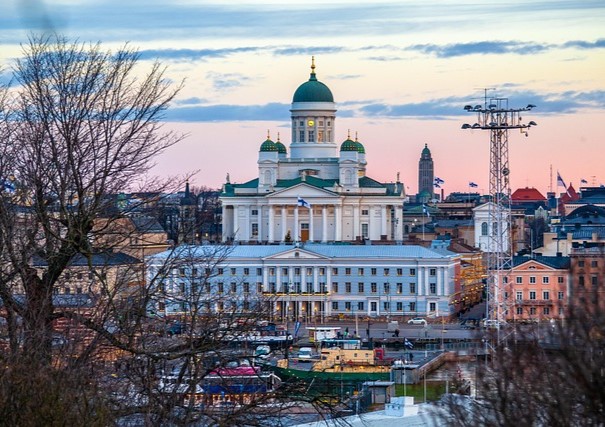
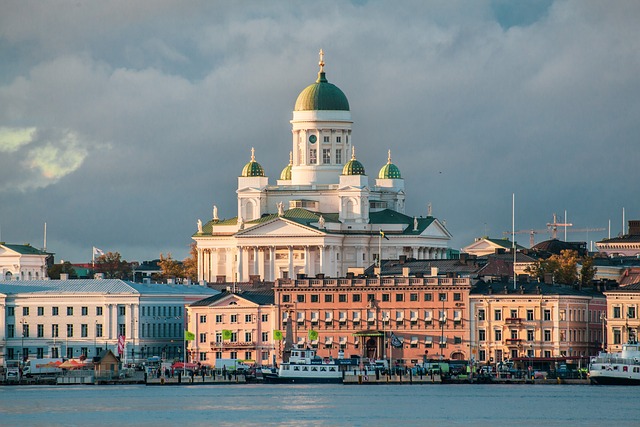
City view of Helsinki, Finland

Helsinki

Helsinki mixes seaside calm with design minded energy, founded in 1550 and reshaped when it became Finland's capital in 1812. Start at Senate Square, then wander Kallio for record shops and late coffee, before riding a tram to the harbour for ferries and salty air. Suomenlinna, begun in 1748, feels like a small town of tunnels, lawns, and viewpoints. Eat salmon soup with rye bread at Market Square, or try a karjalanpiirakka with egg butter during a fika break. At Temppeliaukio Church, carved into rock, the acoustics turn even whispers into music. Sauna culture is close by at Loyly, where you can dip into the Baltic after steam. A quirky detail: on warm days, locals treat the public library Oodi as a living room, and its rooftop terrace quietly becomes one of the city's best sunset seats. On weekends, the old market hall turns lunch into a friendly tasting line.

Top attractions & things to do in Helsinki

If you’re searching for the best things to do in Helsinki, this guide brings together the top attractions and must-see places to visit in Helsinki. The top picks below highlight the most visited sights for first-time visitors, plus a few local favorites worth adding.

Helsinki Cathedral in Helsinki, Finland

Helsinki Cathedral

Climb the steps of Senate Square and the city suddenly feels ceremonial, even on an ordinary weekday. Finished in 1852 to a design by Carl Ludvig Engel, the cathedral crowns Senate Square in crisp Neoclassical symmetry, its green domes and corner cupolas reading like a small skyline of their own. Outside, 12 zinc apostles watch over the roofline, a rare Protestant flourish that rewards a slow lap. Inside, the white nave is intentionally spare, with a large altarpiece flanked by two Baroque-style statues of Martin Luther and Philipp Melanchthon. Locals still call it Tuomiokirkko, and the acoustics make even a quiet organ rehearsal feel like a public concert. Notice how the stair landings frame views over the harbor and the patterned paving below, a photographer's trick built into the urban plan. In winter, the facade catches low light and turns almost blue. In summer, the square becomes a picnic amphitheater for students. Give yourself time to circle the building and spot the disciplined details in the columns, cornices, and copperwork.
Ads place
Ads place
Ads place
Ads place
Ads place
Kamppi Chapel of Silence in Helsinki, Finland

Kamppi Chapel of Silence

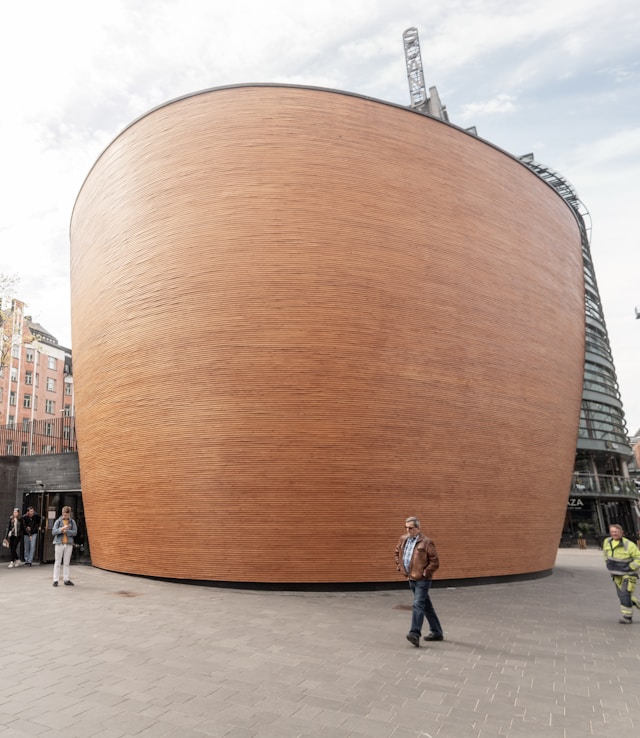
You can be in the middle of Helsinki's busiest shopping district and still step into a room that lowers your pulse. The Kamppi Chapel of Silence opened in 2012 as part of World Design Capital Helsinki, built from spruce and alder so the walls feel warm rather than monumental. Outside, the curved form looks like a wooden shell dropped among glass and trams. Inside, the oval space has no windows, so light arrives indirectly and never argues. The silence is practical, not performative: staff offer calm conversations, and the benches are shaped for short visits, around 10-15 minutes, when you need a reset. Listen closely and you will hear the city reduced to a soft hiss, right outside the metro entrance, a reminder of how well the thick timber absorbs sound. It is also a lesson in contemporary Nordic restraint, proving that an urban landmark can be made without stone, spires, or spectacle, just careful material choices and respect for quiet.
Ads place
Ads place
Ads place
Ads place
Ads place
Kiasma Museum of Contemporary Art in Helsinki, Finland

Kiasma Museum of Contemporary Art

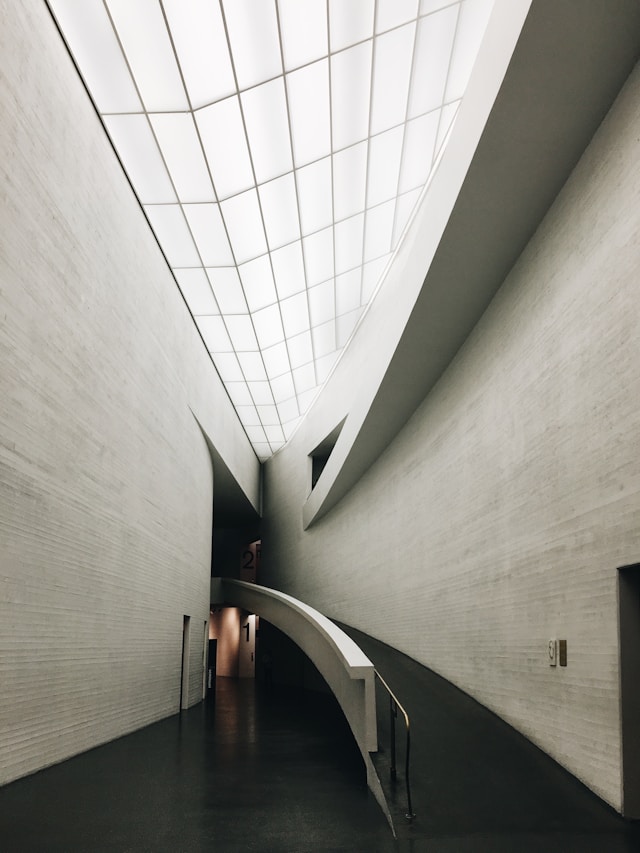
Kiasma is the kind of museum that makes you notice how you move, not just what you look at. Designed by Steven Holl and opened in 1998, the building's curves and ramps pull you through changing sightlines, like a gentle choreography. The name refers to a chiasma, a crossing point, and the plan behaves that way, intersecting the city grid with soft arcs. Inside, galleries vary from intimate black-box rooms to tall spaces lit by north-facing skylights, ideal for video and installations that need controlled daylight. Expect works that talk back to current life, including pieces from the Finnish National Gallery collection, plus rotating international shows. Even if you do not catch a major exhibition, the stair landings offer framed views toward Parliament and Mannerheimintie, turning Helsinki into part of the display. Spend time on the upper levels where sound changes and the architecture becomes almost sculptural. It is a museum that rewards a second lap, especially on gray days when the interior light feels like a weather system.
Ads place
Ads place
Ads place
Ads place
Ads place
Linnanmaeki Amusement Park in Helsinki, Finland

Linnanmaeki Amusement Park

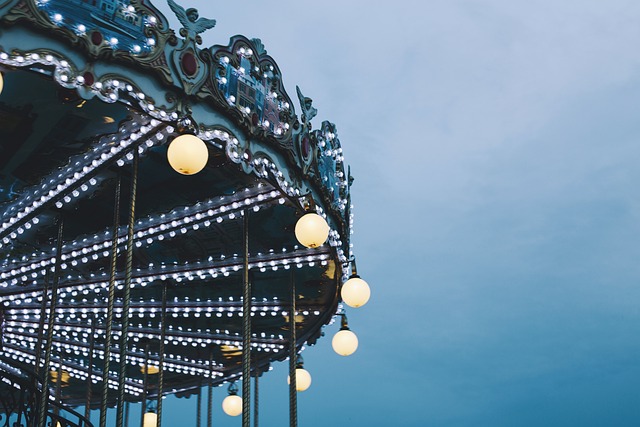
Linnanmaeki mixes childhood adrenaline with a surprisingly civic mission, because the park has supported child welfare work since 1950. That origin story gives the bright lights a backbone, even if you come only for cotton candy and a sunset ride. The classic wooden coaster Vuoristorata, introduced in 1951, still runs with a brakeman on board, a rare detail in modern theme parks and a small thrill in itself. From the top of the Panoraama tower you get a sweep over rooftops, cranes, and the sea, and the best time is late evening when the city turns peach. In between, there are old-school arcade halls, summer concerts, and food stalls selling everything from salmon soup to fried doughnuts. Unlike many parks, entry is free and you pay per ride or with wristbands, so locals drop in just to walk, meet friends, and watch the lights click on. Go on a weekday afternoon for shorter lines, and bring a light jacket, because the breeze on the highest rides can feel like a Baltic wake-up call.
Ads place
Ads place
Ads place
Ads place
Ads place
Market Square in Helsinki, Finland

Market Square

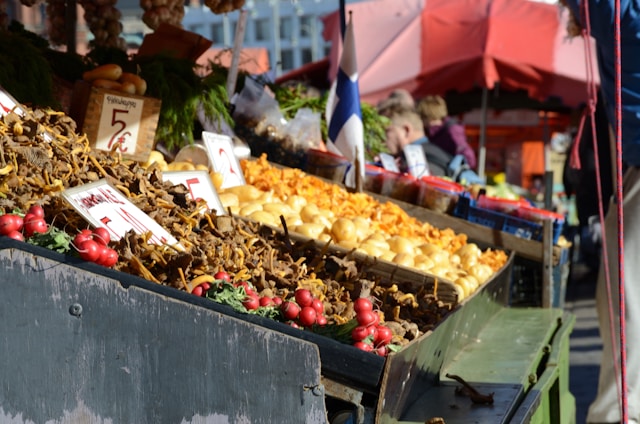
At Kauppatori, Helsinki's harbor is not a backdrop but the main ingredient, and the day's menu changes with the weather and the ferries. Stalls line up with fresh Baltic herring, berries in summer, and steaming salmon soup served in bread bowls when the air turns sharp. The square has traded goods for centuries, but the current rhythm is modern: commuters cut through, tourists bargain for knitwear, and boats to Suomenlinna leave from the edge like metronomes. Look for the orange tents that appear in autumn, and for the small glass pavilion of the Havis Amanda fountain nearby, unveiled in 1908 and often decorated by students during spring celebrations. A good trick is to buy coffee and korvapuusti, then sit facing the water and watch the cathedral dome align with passing masts. In winter, the sea ice creaks and the square feels braver, with vendors still selling hot pea soup and pickles. It is not a single attraction but a living postcard that smells of salt, dill, and diesel from the boats.
Ads place
Ads place
Ads place
Ads place
Ads place
Seurasaari Open-Air Museum in Helsinki, Finland

Seurasaari Open-Air Museum

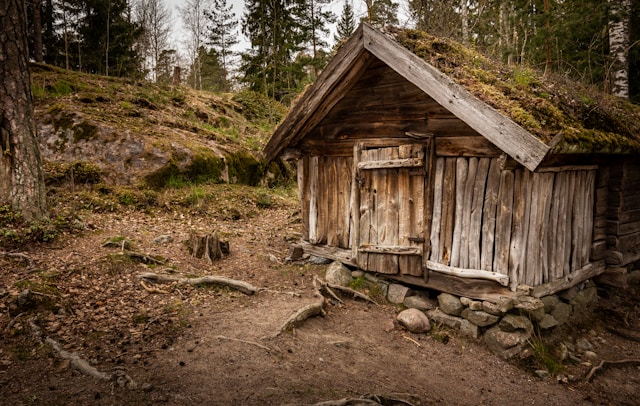
A short bus ride from the center, Seurasaari feels like stepping into a Finland made of pine, tar, and careful joinery. The open-air museum began in 1909, moving historic buildings from around the country onto the island so visitors could read regional life through architecture. You walk past log farmhouses, a smoke sauna with blackened beams, and a wooden church brought from 1685, each site staffed by guides who know the stories behind the tools. Summer weekends often include folk music and traditional crafts, and the island's footbridges make the approach feel like a small expedition. Look for carved door frames, low ceilings that conserve heat, and painted interiors that brighten dark winters. Beyond the museum fences, locals come for jogging loops and birdwatching, and the shoreline has flat rocks perfect for a thermos break. In late June, the light lingers well past dinner, and Seurasaari becomes a lesson in why Nordic design starts with materials and climate. It is easy to pair with a swim, because the water is close and the forest smell stays on your clothes.
Ads place
Ads place
Ads place
Ads place
Ads place
Sibelius Monument in Helsinki, Finland

Sibelius Monument

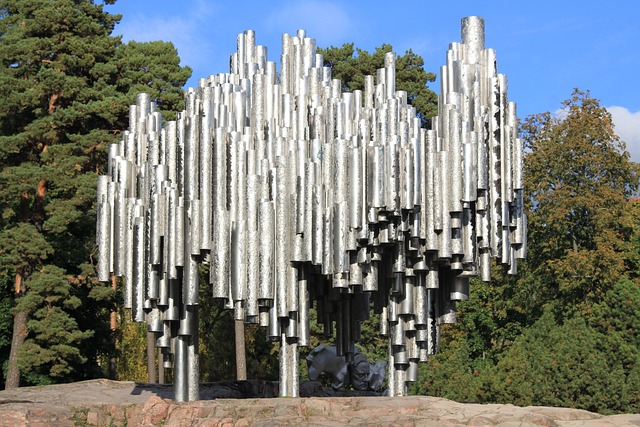
The Sibelius Monument is less a statue than a burst of frozen music, rising from a small park where locals walk dogs and cyclists cut shortcuts. Artist Eila Hiltunen created it in 1967, using 600 welded steel pipes that catch wind and light like organ tubes. Stand close and the pipes frame the sky in circles, and when rain hits, the sculpture seems to shimmer rather than darken. Jean Sibelius never lived here, but the location in Sibelius Park makes the tribute feel domestic, not heroic, and there is also a separate bronze head added after early criticism that the work was too abstract. The best photos come from low angles that emphasize the pipe forest, while the simplest pleasure is to listen to the city filtered through metal. Bring a scarf on cold days, because the open park can be windy, and then warm up at a nearby cafe in Toolo. It is a quick stop, but it leaves you with a very Helsinki feeling: modern, a little stubborn, and quietly poetic.
Ads place
Ads place
Ads place
Ads place
Ads place
Suomenlinna Fortress in Helsinki, Finland

Suomenlinna Fortress

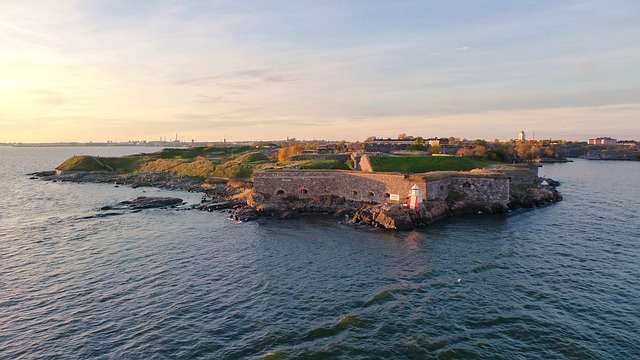
A ferry ride from the harbor, Suomenlinna spreads across several islands like a small town built for cannons and sea wind. Construction began in 1748 under Swedish engineer Augustin Ehrensvard, and the fort later served Swedish, Russian, and Finnish eras, so the walls read like layered geopolitics. Walk the ramparts to find stone casemates, dry docks, and viewpoints where the Baltic looks calm. The site is a UNESCO World Heritage listing, yet it is also home to residents, schools, and cafes, which keeps it from feeling staged. Inside the Suomenlinna Museum, scale models explain how bastion angles were designed to deflect fire, and the King's Gate offers a dramatic sea-level entrance marked by a royal visit in 1752. Pack a picnic and follow paths to open grass near the guns, then watch cruise ships slide past like slow buildings. Even in summer, bring layers, because the breeze on the islands changes mood fast. It is the rare fortress that invites you to linger, not just to look, and you leave with salt on your lips and history under your shoes.
Ads place
Ads place
Ads place
Ads place
Ads place
Temppeliaukio Church in Helsinki, Finland

Temppeliaukio Church

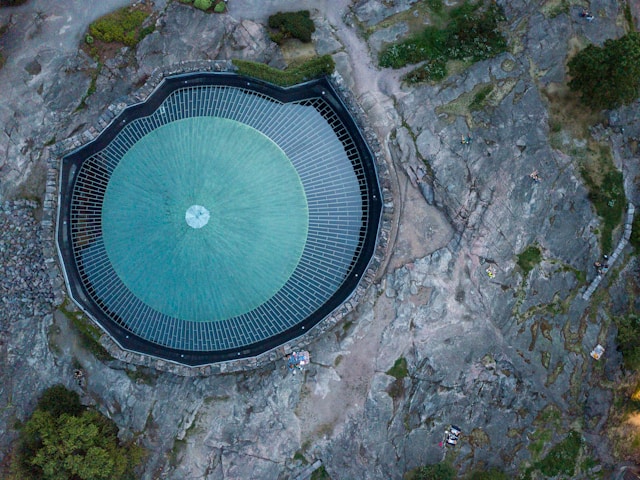
From the street, Temppeliaukio barely announces itself, then you descend and find a sanctuary carved into solid granite bedrock. The church opened in 1969, designed by Timo and Tuomo Suomalainen, and its walls are raw stone left intentionally rough. A copper dome spans the space with thousands of ridges, and the acoustics are so clear that lunchtime concerts often sell out quickly. Light falls through a ring of windows between rock and roof, turning the interior amber on sunny days and silver when it rains. Unlike many churches, this one feels engineered for Helsinki's climate, warm in winter and cool in summer, with the rock acting as thermal mass. Look up to see how the spiral seams draw your eye inward, then notice the simple altar that refuses to compete with geology. Because it sits close to Toolo and the city center, it is an easy stop between cafes and tram rides, yet it resets your sense of scale. You leave thinking about time in two speeds: human schedules and ancient stone.
Ads place
Ads place
Ads place
Ads place
Ads place
Uspenski Cathedral in Helsinki, Finland

Uspenski Cathedral

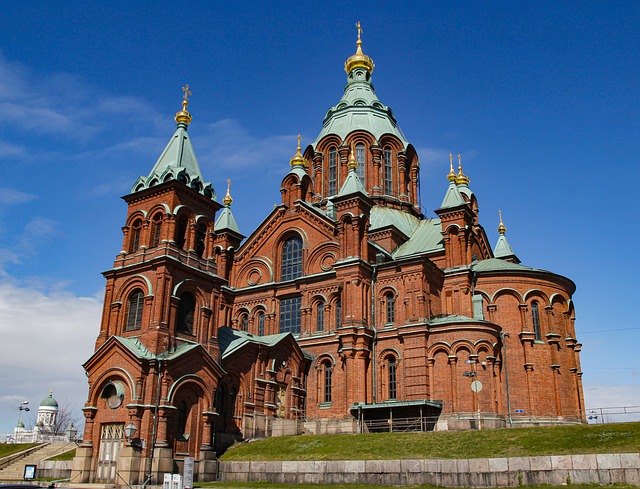
Across from Market Square, Uspenski Cathedral rises on a rocky hill like a red-brick lighthouse for faith and empire. It was completed in 1868 under architect Aleksey Gornostayev, and its Russian Revival silhouette is defined by 13 gilded domes said to symbolize Christ and the apostles. Step inside and the atmosphere shifts to incense, icons, and candlelight reflected in gold. The iconostasis is richly painted, and parish life still feels active rather than museum-like, with services that pull in Russian-speaking families and visitors. From the terrace outside, you can see ferries, cranes, and the pale cathedral dome across the harbor, a visual conversation between two histories. Notice the granite base and the way the building uses height to dominate the skyline without a spire. In winter, snow gathers on the domes and makes them look brighter. In summer, the steps become a place to sit with coffee and watch boats. Uspenski is often described as one of the largest Orthodox churches in Western Europe, but it feels most compelling in small moments, like a single candle trembling in a draft.
Ads place
Ads place
Ads place
Ads place
Ads place