
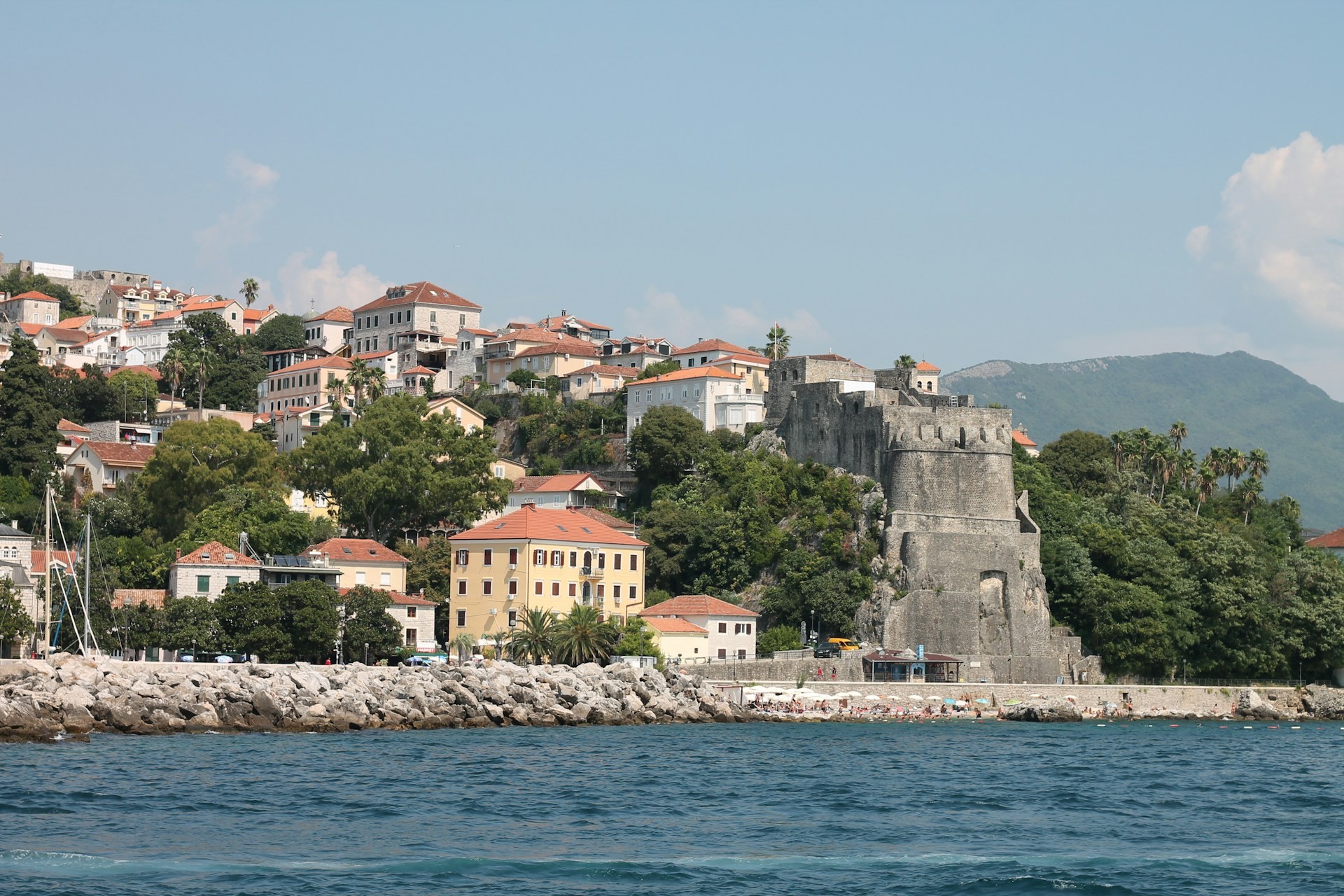
City view of Herceg Novi, Montenegro

Herceg Novi

Herceg Novi greets you with a thousand steps, each leading to a secret view of the sunniest town on the Adriatic. Stroll past mimosa trees, fortresses that double as summer theaters, and houses painted every color of a citrus orchard. The seafront promenade is alive with laughter, art, and the aroma of grilled fish, while spas and mineral springs keep travelers returning year after year. Herceg Novi’s stairways connect eras, from Ottoman watchtowers to modern galleries buzzing with creative energy. Local legends whisper of pirates, poets, and inventors who never wanted to leave. The town’s mimosa festival is a burst of color and song, rivaled only by the sunsets that turn every evening into an encore. No matter how many times you visit, Herceg Novi always reveals a new secret.

Top attractions & things to do in Herceg Novi

If you’re searching for the best things to do in Herceg Novi, this guide brings together the top attractions and must-see places to visit in Herceg Novi. The top picks below highlight the most visited sights for first-time visitors, plus a few local favorites worth adding.

Clock Tower (Sahat Kula) in Herceg Novi, Montenegro

Clock Tower (Sahat Kula)

Dominating the entrance to Herceg Novi’s Old Town, the Clock Tower—locally known as Sahat Kula—has been measuring time and history since 1667. Built by the Ottomans, its elegant silhouette rises above cobblestone streets and vibrant squares, guiding visitors to the heart of the city. The clock mechanism, once wound by hand, was a marvel of its era and remains a beloved local landmark. During the Austro-Hungarian period, the tower was adorned with a coat of arms, blending layers of the city’s multicultural past. Today, Sahat Kula is not just a meeting point but the setting for festivals, art exhibitions, and romantic proposals. Climbing its narrow stairs rewards with breathtaking views of tiled roofs and distant mountains. Each chime is a gentle reminder of centuries gone by and the enduring pulse of Herceg Novi. Locals cherish the tradition of gathering here to mark milestones, making it a living symbol of continuity.
Ads place
Ads place
Ads place
Ads place
Ads place
Forte Mare Fortress in Herceg Novi, Montenegro

Forte Mare Fortress

Rising majestically above the seafront, Forte Mare Fortress has watched over the Adriatic since the 14th century, its ancient stones echoing with centuries of maritime intrigue. Originally built by the Bosnian King Tvrtko I in 1382, the fortress was expanded by Venetians, Ottomans, and Austrians, each leaving their imprint on its imposing walls and towers. From the battlements, visitors enjoy panoramic views stretching from the Bay of Kotor to distant Croatian islets, especially enchanting at sunset. Secret passageways, narrow stairs, and weathered cannons tell tales of pirates, sieges, and heroic defenses. Today, Forte Mare hosts open-air concerts and film screenings, blending history and culture in a truly unforgettable setting. The sea breeze brings echoes of battles and long-lost empires, making every visit a journey through time. The fortress is a true symbol of Herceg Novi’s resilience and ever-changing spirit. It stands as a sentinel to the town’s transformation from medieval outpost to vibrant coastal retreat, its stones touched by generations of dreamers and defenders.
Ads place
Ads place
Ads place
Ads place
Ads place
Herceg Novi Promenade (Setaliste Pet Danica) in Herceg Novi, Montenegro

Herceg Novi Promenade (Setaliste Pet Danica)

Stretching for several kilometers along the turquoise Adriatic, the Herceg Novi Promenade—known as Setaliste Pet Danica—is the city’s vibrant waterfront artery. Named after five local heroines from World War II, the promenade links historic forts, secret beaches, and sun-dappled cafes beneath a canopy of palm trees. Its creation in the 1960s transformed the shoreline, offering residents and visitors alike a space for leisurely strolls and festive gatherings. Colorful murals and sculptures dot the path, celebrating artists and writers inspired by the bay’s beauty. Every summer, musicians and street performers fill the air with Mediterranean rhythms as yachts bob at anchor nearby. Whether at sunrise or sunset, the promenade captures the spirit of Herceg Novi—open, welcoming, and full of life. Even in winter, the promenade becomes a place for peaceful reflection, with the sound of waves providing a soothing soundtrack.
Ads place
Ads place
Ads place
Ads place
Ads place
Kanli Kula in Herceg Novi, Montenegro

Kanli Kula

Kanli Kula, meaning 'Bloody Tower,' is one of Montenegro's most remarkable fortresses, standing since the 16th century and renowned for its dramatic past. Constructed by the Ottomans atop medieval ramparts, the fortress served as a strategic stronghold, prison, and later as a Venetian outpost. Its amphitheater—added in the 1960s—transforms ancient walls into a vibrant stage for summer concerts and theater. From the upper terraces, visitors enjoy sweeping views over the red roofs of Herceg Novi and the shimmering Adriatic Sea. Local legends abound of secret dungeons and daring escapes, lending the site a mysterious charm. Stone staircases lead to hidden nooks once used by sentries, while the courtyard’s blooming oleanders soften the memory of the fortress’s turbulent history. Kanli Kula remains a symbol of transformation, creativity, and the resilient heart of the city. During major events, the tower resonates with music and applause, weaving contemporary stories into its ancient stones.
Ads place
Ads place
Ads place
Ads place
Ads place
Savina Monastery in Herceg Novi, Montenegro

Savina Monastery

Shaded by ancient cypress trees and perched above the bay, Savina Monastery is an exquisite blend of spirituality, art, and breathtaking nature. The main church, dedicated to the Assumption of the Virgin Mary, was built in the 18th century and is famed for its luminous frescoes painted by master iconographer Vasilije Ostroski. The monastery’s treasury preserves priceless relics, including manuscripts and icons rescued from Hilandar Monastery after a fire. Surrounded by terraced gardens and grapevines, Savina remains an active spiritual center, with chanting monks and ancient bells ringing across the valley. Legends claim that local saints once walked these grounds, their wisdom echoing in the monastery’s cool stone corridors. Pilgrims, artists, and seekers come here to find tranquility and inspiration, leaving with a sense of Montenegro’s sacred and creative soul. During major Orthodox celebrations, the monastery fills with hymns and incense, making the experience even more profound for visitors.
Ads place
Ads place
Ads place
Ads place
Ads place