
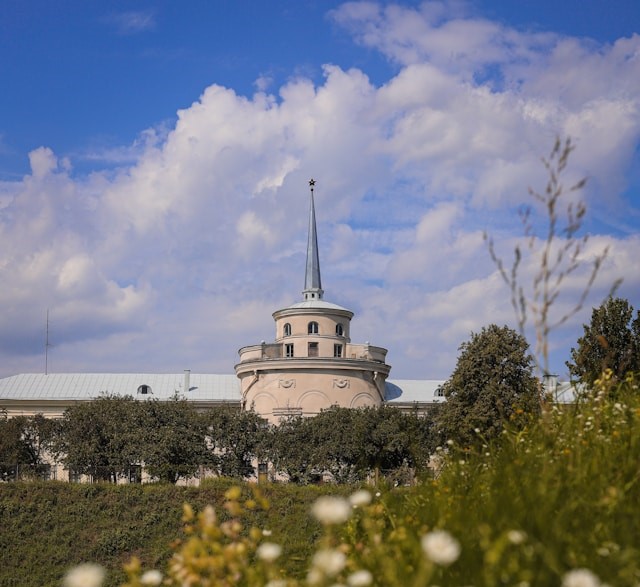
New Grodno Castle
In Hrodna (Grodno), Belarus .
More places to visit in Hrodna (Grodno)
Discover more attractions and things to do in Hrodna (Grodno).
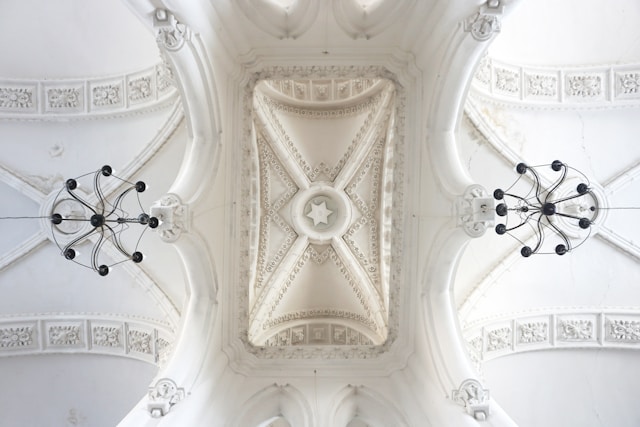
Great Synagogue of Grodno
The Great Synagogue of Grodno is one of the oldest and largest synagogues in Eastern Europe. Originally built in the 16th century and later reconstructed in a Renaissance-Baroque style, it stands as a testament to the city's once-thriving Jewish community. Though damaged during World War II , it has been carefully restored. The synagogue's elegant interior, with its beautiful stained glass, Torah ark, and intricate ceiling paintings, draws visitors interested in Jewish history. The building is now used for religious services and cultural events, including concerts and exhibitions that highlight the rich Jewish heritage of Grodno. Interesting fact: The synagogue survived a Nazi arson attempt due to its thick stone walls. It also houses a Holocaust memorial with archival photographs and survivor testimonies.
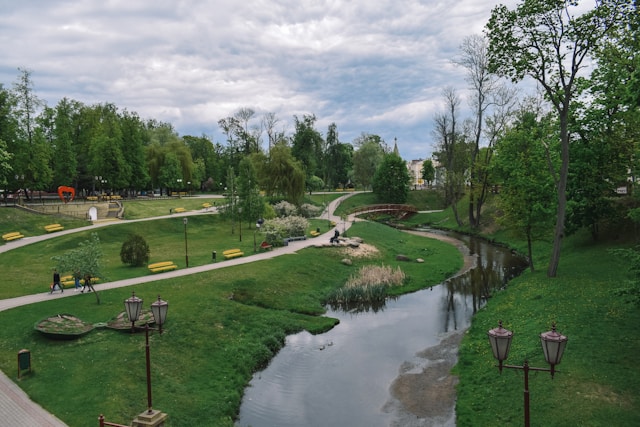
Grodno City Park
Grodno City Park, also known as Central Park, is one of the most popular and scenic green spaces in the city, offering a serene escape from urban life. Located near the heart of Grodno, the park is situated along the banks of the Neman River , providing beautiful views and tranquil settings for relaxation. The park covers a large area, featuring tree-lined pathways, well-manicured lawns, flower gardens, and several small lakes, making it a perfect spot for leisurely strolls, picnics, and outdoor activities. The park is also home to various attractions, including playgrounds for children, a small amusement park , and sports facilities. During the warmer months, it becomes a vibrant hub of activity, with locals and visitors enjoying boat rides, cycling, and outdoor concerts. The park's historic layout , with its shaded walking paths and classical fountains, adds a nostalgic charm. Fun fact: The park’s oldest tree is a 300-year-old oak protected as a natural monument. It also features a hidden sculpture garden with works by Belarusian artists.
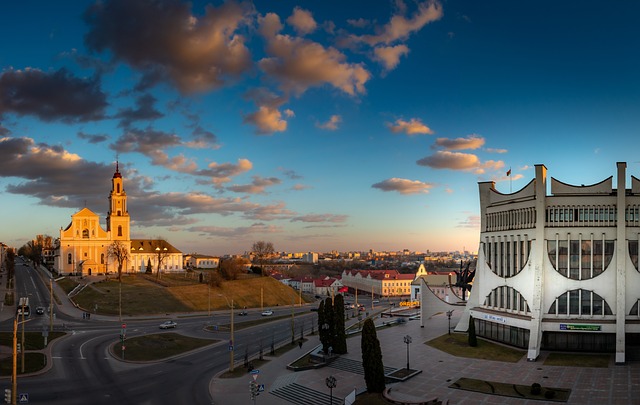
Grodno Regional Drama Theater
The Grodno Regional Drama Theater is a cultural centerpiece in the city, offering a wide range of theatrical performances, including classical plays, modern productions, and children's shows. Established in 1947 , the theater is housed in a striking modernist building with a distinctive façade. The theater's repertoire includes both Belarusian and international works, making it a hub for cultural exchange . The theater is well-regarded for its talented ensemble of actors and high-quality productions. It's a must-visit for culture lovers and those looking to experience Grodno's vibrant arts scene. Did you know? The theater’s stage machinery dates to the Soviet era and is still manually operated. It also runs a youth theater academy training aspiring actors.

Grodno Zoo
Grodno Zoo, established in 1927 , is the oldest zoo in Belarus and a popular family destination. Home to more than 300 species of animals, including rare and endangered species, the zoo provides an educational and entertaining experience. The zoo features a variety of exhibits, including big cats, bears, birds, reptiles, and aquatic animals. It also focuses on conservation efforts, particularly for species native to Belarus. The zoo's spacious grounds include a children's play area and picnic spots, making it an ideal destination for a day out with the family. Its historical significance, combined with its modern amenities, ensures a fun and educational experience for all ages. Fun fact: The zoo participates in a European breeding program for endangered lynx. It also features a rare nocturnal animal house , showcasing creatures active at night.
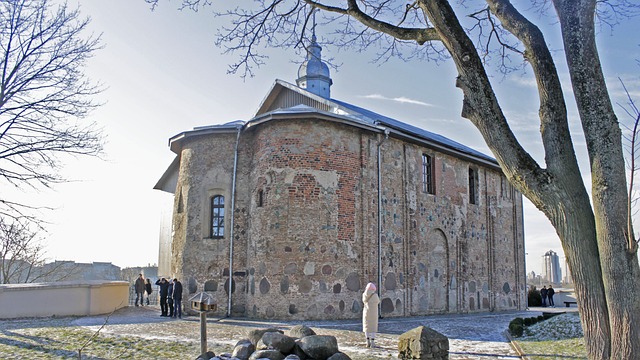
Kalozha Church of Saints Boris and Gleb
The Kalozha Church, built in the 12th century , is one of the oldest and most unique Orthodox churches in Belarus. Constructed in the Byzantine style , the church is known for its distinctive architecture, with stone and brick walls embedded with colorful ceramics. Despite partial destruction over the centuries, the church has retained much of its original structure and remains a functioning place of worship. Kalozha is situated on a high bank of the Neman River, offering breathtaking views. It is also a UNESCO Tentative List site, recognized for its historical and architectural significance. Visitors are drawn to its serene atmosphere and historical importance. Interesting fact: The church’s ceramic decorations include ancient Slavic symbols believed to ward off evil spirits. Its acoustics are renowned for enhancing choral performances during religious services.
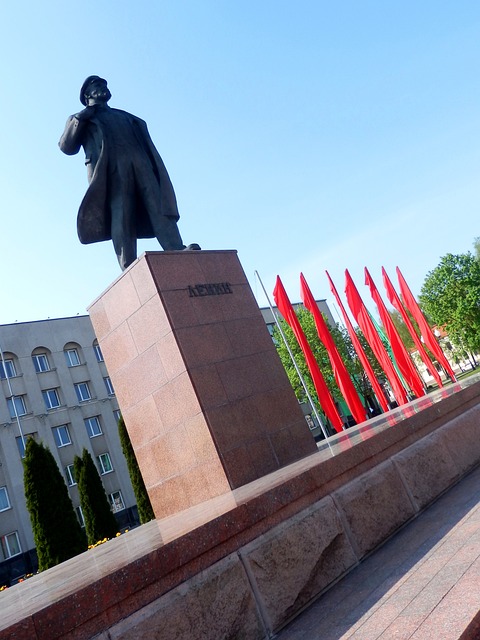
Lenin Square
Lenin Square in Grodno is the city's central public square and a focal point of civic life. Historically, the square has been an important site for political, cultural, and social events. It was originally known as Sovetskaya Square, but was renamed Lenin Square during the Soviet era , following the widespread tradition of honoring Vladimir Lenin, the leader of the Russian Revolution. The square is dominated by a large statue of Lenin , a symbol of the city's Soviet past. Surrounding the square are important government buildings, including the Grodno Regional Executive Committee. The square itself is spacious, with wide pathways, manicured flowerbeds, and green spaces that offer a pleasant area for locals and visitors to walk or relax. The layout reflects Soviet urban planning , emphasizing open space and symmetry. Interesting fact: Beneath the square lies a Cold War-era bunker now open for tours. The annual New Year’s Eve celebration here attracts thousands with fireworks and live music.
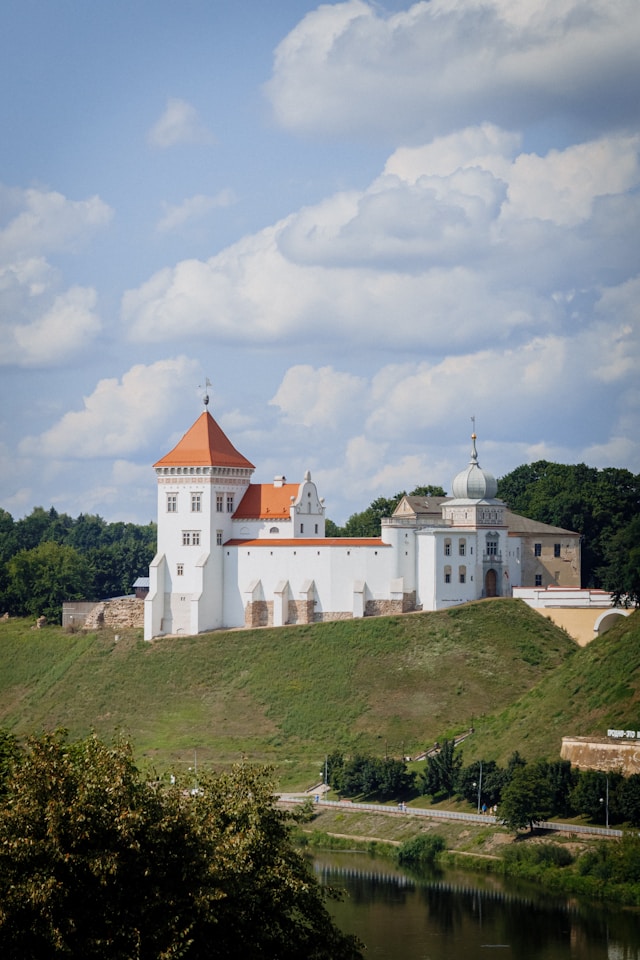
Old Grodno Castle (The State Historical and Archaeological Museum)
The Old Grodno Castle, also known as the Castle of the Grand Dukes of Lithuania, is one of the city's most important landmarks. Built in the 11th century and expanded over the centuries, it served as a royal residence for Lithuanian Grand Dukes and Polish kings. Perched on a hill overlooking the Neman River, the castle offers panoramic views of the city. Today, it houses the State Historical and Archaeological Museum , which displays artifacts from Grodno's medieval history, including weaponry, coins, and archaeological finds. The castle complex is a blend of Gothic, Renaissance, and Baroque styles, reflecting the various rulers who influenced its development. The museum provides a deep dive into the region's rich history, making it a must-visit. Fun fact: Recent archaeological excavations uncovered a hidden medieval treasury with rare coins and jewelry. The castle is also on the tentative list for UNESCO World Heritage status due to its historical significance.
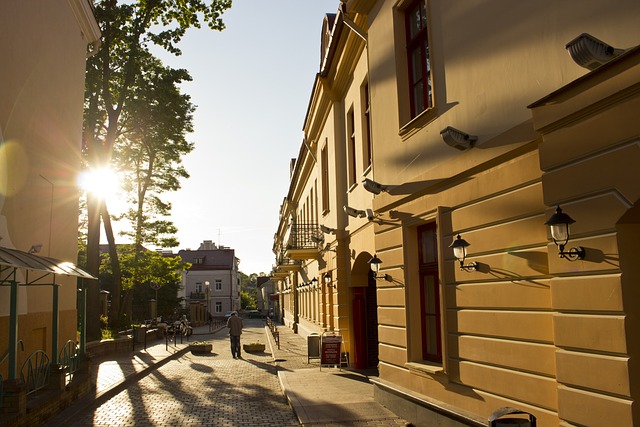
Sovetskaya Street
Sovetskaya Street is the main pedestrian street in Grodno, bustling with shops, cafes, and historical landmarks. The street offers a mix of architectural styles, with buildings dating from the 18th century to the present day. It is a vibrant spot where locals and tourists alike gather to enjoy a leisurely stroll, shop for local goods, or dine at one of the many cafes. Sovetskaya Street is also home to several important cultural institutions, including theaters and art galleries. During the evenings, the street becomes a lively place with street performances and festivals. It is the heart of the city's social life. Fun fact: The street’s cobblestones hide medieval underground passages once used by merchants. Every summer, it hosts a folk craft fair featuring traditional Belarusian artisans.
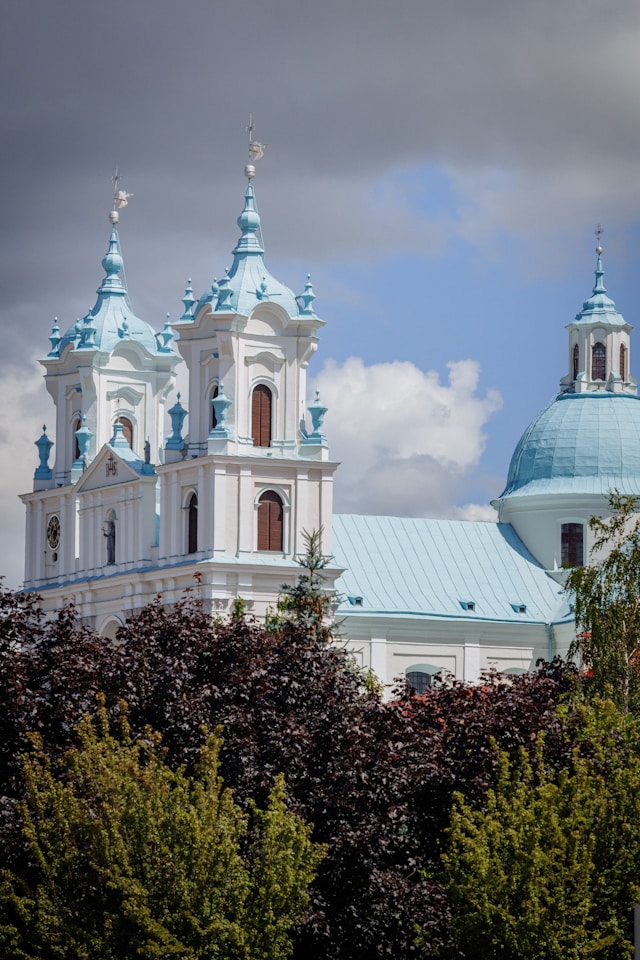
St. Francis Xavier Cathedral
The St. Francis Xavier Cathedral, located in the city's central square, is one of the most stunning Baroque buildings in Belarus. Built between 1678 and 1705 , this Roman Catholic cathedral was originally part of a Jesuit monastery and is notable for its opulent interior. The church's façade is grand, with tall twin towers that dominate the Grodno skyline. Inside, the cathedral features intricate Baroque altars, frescoes, and sculptures. It is still an active place of worship and is the seat of the Roman Catholic Diocese of Grodno . The cathedral is a spiritual and cultural symbol of Grodno and a must-see for those interested in religious history and architecture. Did you know? The cathedral’s crypt contains the remains of 17th-century nobility , accessible only during guided tours. Its 350-year-old pipe organ is still used for concerts.