
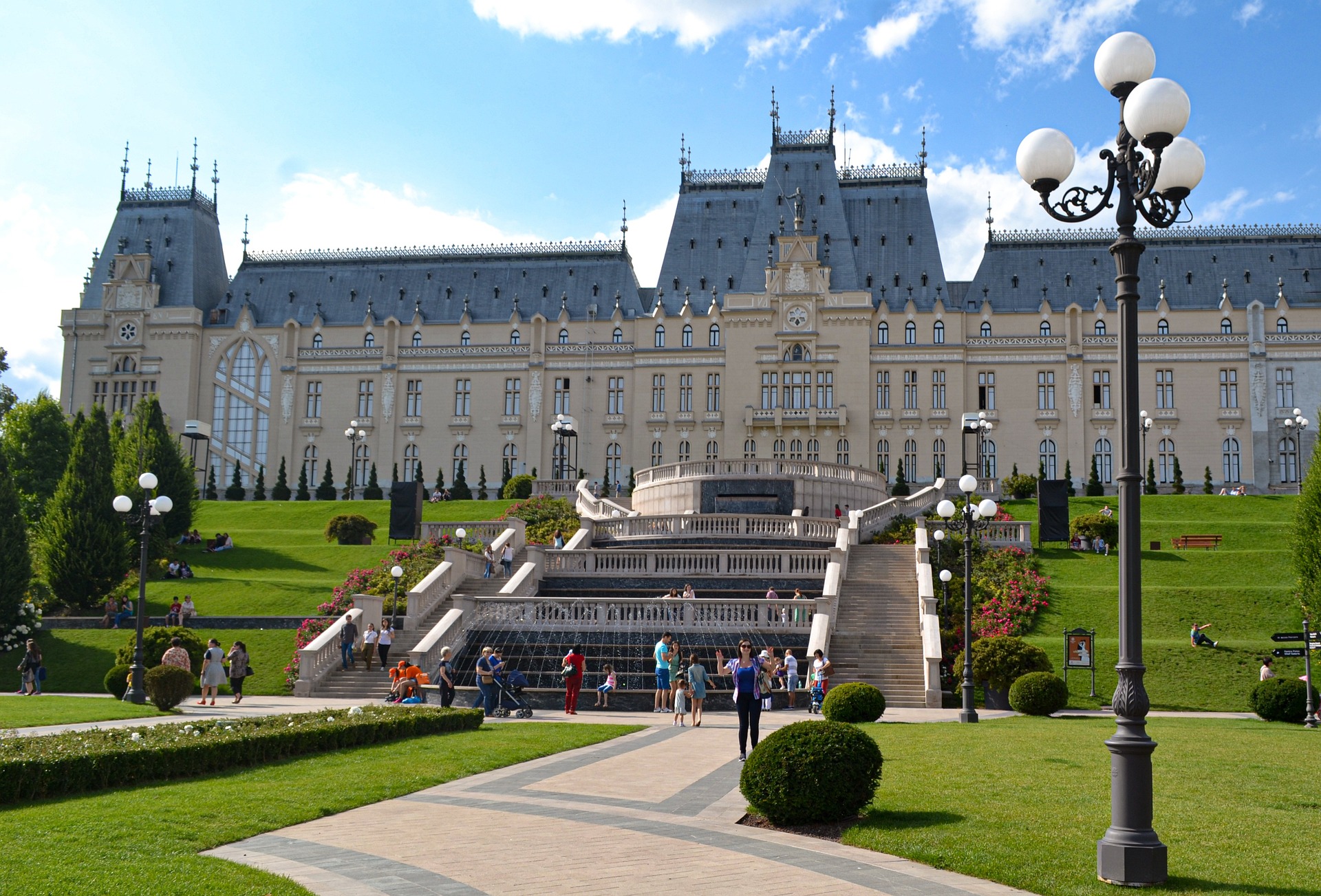
City view of Iasi, Romania

Iasi

Iasi reads like a library that learned to cook. The Palace of Culture spreads its neo-Gothic wings over museums, while churches with painted ceilings teach you to look up more slowly. Students drag backpacks between lecture halls and tea rooms; poets still have their favorite benches in Copou Park beside the linden trees. Moldavian cuisine stakes its reputation on sarmale, smoked cheeses, and tall glasses of compot, followed by cakes that tempt good intentions. Tramlines cross neighborhoods thick with literary plaques and academic gossip. The old Armenian quarter surfaces in brickwork and surnames, and synagogues are being restored with care. For an eccentric footnote, the city keeps a tiny museum to theater puppets, where strings and wooden eyebrows still convince adults to suspend disbelief. Iasi balances ceremony with warmth, giving visitors the reassuring sense that ideas can be hospitable and hospitality can be clever.

Top attractions & things to do in Iasi

If you’re searching for the best things to do in Iasi, this guide brings together the top attractions and must-see places to visit in Iasi. The top picks below highlight the most visited sights for first-time visitors, plus a few local favorites worth adding.

Copou Park and Eminescu Linden in Iasi, Romania

Copou Park and Eminescu Linden

Paths curve under old trees that have memorized student debates and spring flirts, and benches keep excellent company with books. Founded in 1834 during the rule of Mihail Sturdza, Copou is often called the oldest public garden in Romania, a lesson in how cities breathe when they choose shade over haste. Near the center stands the Obelisk of the Lions, another echo of 1834, while the most famous resident is the linden associated with Mihai Eminescu, the national poet whose name threads through lectures and lullabies. Locals lean on its trunk for photographs and superstition, and botanists quietly check its health like attentive relatives. Flowerbeds share space with busts of writers and the atmosphere shifts from picnic to seminar as the day advances. When rain comes, the canopy turns into a generous roof and the gravel walks release a pleasant scent. The park is not an escape from the city, it is the city deciding to speak softly for an hour.
Ads place
Ads place
Ads place
Ads place
Ads place
Golia Monastery in Iasi, Romania

Golia Monastery

White walls rise above the market streets and a tall gate tower frames a courtyard scented with lime and candle smoke. The monastery was rebuilt under Vasile Lupu in the mid 17th century, mixing sturdy Moldavian lines with Baroque accents learned from travelers and craftsmen. Frescoes and carved stonework speak in a calm voice about patience and repair, while the bell tower offers the best balcony over old rooftops. In a side building, exhibits recall the years when Ion Creanga lived and worked nearby, proving that the complex educated minds as well as souls. The refectory room tells its own story through beams darkened by centuries of kitchens and winter fires. Pilgrims visit on feast days, but on ordinary mornings the quiet belongs to students sketching capitals and tourists counting steps. Restoration in the 21st century returned brightness to walls and discipline to gardens, a reminder that devotion and maintenance are often the same craft.
Ads place
Ads place
Ads place
Ads place
Ads place
Metropolitan Cathedral of Moldavia and Bukovina in Iasi, Romania

Metropolitan Cathedral of Moldavia and Bukovina

From Victory Square the copper domes rise like a promise and the nave receives you with a glow that feels both ceremonial and humane. Construction began in 1833 and, after collapses and stubborn repairs, the cathedral was consecrated in 1887 with guidance from architect Andre Lecomte du Nouy. The relics of Saint Parascheva draw pilgrims who braid prayer with travel plans, turning the city into a hospitable waypoint each autumn. Inside, gilded woodwork softens the weight of stone and the iconostasis reads like a miniature encyclopedia of regional saints. Choirs rehearse in the afternoons and their harmonies drift into the square like a modest invitation. The building survived bombing and regime change, then learned new routines as the city modernized around it. Through all of that, the cathedral has remained a patient metronome for public life, its bells setting the time for processions, charity, and the everyday kindness of lighting a candle for someone far away.
Ads place
Ads place
Ads place
Ads place
Ads place
Palace of Culture in Iasi, Romania

Palace of Culture

Stone turrets and a clock that sings on the hour set the tone before you even cross the threshold, where galleries unfold like chapters in a regional epic. Completed in 1925 to plans by I D Berindei, the building wears a confident Neo Gothic silhouette yet hides modern structure and careful acoustics. Inside, the Moldavia National Museum Complex gathers art, ethnography, science, and history so visitors can read the city from multiple angles. Marble staircases lead to mosaic floors that glint like quiet footnotes, and the former royal court rooms now host exhibitions that treat objects as storytellers. In the Hall of the Voivodes, portraits of rulers face landscapes from the Prut and the Siret, a dialogue that makes territory feel personal. A playful surprise waits in the clock tower where carillon figures parade to a tune associated with Stefan cel Mare. Step back outside and the facade mirrors the sky, a daily collaboration between stone and weather.
Ads place
Ads place
Ads place
Ads place
Ads place
Vasile Alecsandri National Theatre in Iasi, Romania

Vasile Alecsandri National Theatre

A chandelier lifts a galaxy over velvet seats and the curtain glows like a promise before first lines are spoken. The current building opened in 1896, designed by the Viennese duo Fellner and Helmer, masters of theaters across Central Europe who combined elegance with excellent sightlines. Named for Vasile Alecsandri, the playwright and diplomat who championed Romanian letters, the institution traces its roots to troupes formed around 1840. Stucco cherubs and gilded balustrades suggest luxury, yet the backstage tells a story of carpenters, seamstresses, and electricians who keep art moving on time. Repertory shifts from classics to sharp new scripts and the audience mixes professors with high school classes and a few hopeful actors taking notes. After the performance, cast and crowd spill into the foyer where mirrors multiply applause into a warm blur. Step onto the street and the facade still seems to vibrate, proof that live theater travels with you for a few more blocks.
Ads place
Ads place
Ads place
Ads place
Ads place