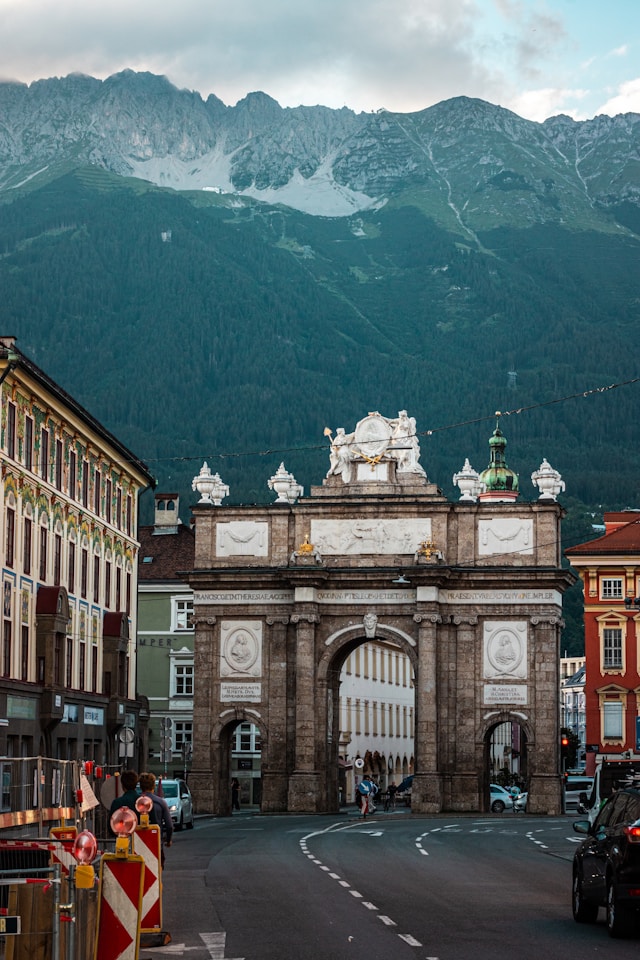
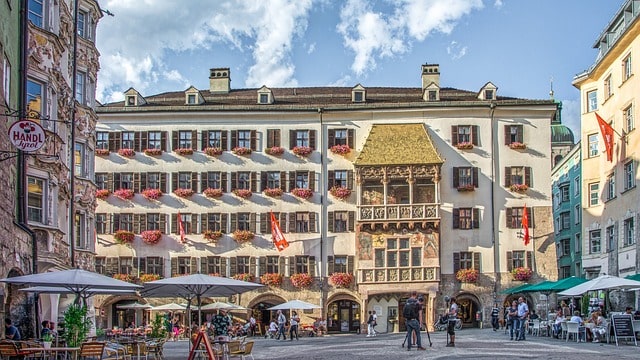
City view of Innsbruck, Austria

Innsbruck

Innsbruck, the capital of Tyrol in western Austria, is a vibrant city nestled amidst the majestic peaks of the Alps. Renowned for its blend of urban sophistication and natural beauty, Innsbruck offers a myriad of attractions for visitors. Innsbruck is a paradise for outdoor enthusiasts, with opportunities for skiing, snowboarding, hiking, and mountaineering right on its doorstep. The iconic Golden Roof, Hofburg Imperial Palace, and Ambras Castle are just a few of the cultural landmarks that showcase the city's rich history and royal heritage.

Top attractions & things to do in Innsbruck

If you’re searching for the best things to do in Innsbruck, this guide brings together the top attractions and must-see places to visit in Innsbruck. The top picks below highlight the most visited sights for first-time visitors, plus a few local favorites worth adding.

Alpenzoo (Alpine Zoo) in Innsbruck, Austria

Alpenzoo (Alpine Zoo)

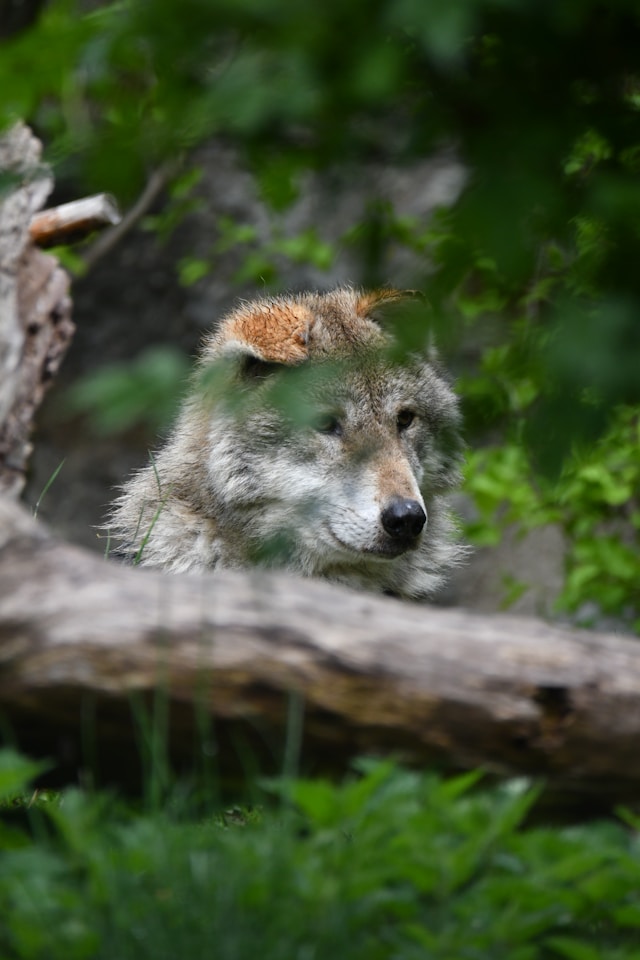
Alpenzoo Innsbruck, located on the scenic slopes of the Nordkette mountain range, is one of Europe's highest-altitude zoos, situated at an elevation of 750 meters (2,460 feet). Established in 1962, this unique zoo is dedicated to the preservation and study of Alpine fauna, providing visitors with a fascinating glimpse into the diverse wildlife of the region. Home to over 2,000 animals representing around 150 species, Alpenzoo focuses on native Alpine animals, making it a special destination for those interested in the natural heritage of the Alps. Visitors can observe a wide range of species, including bears, lynxes, wolves, and ibexes, as well as various birds, reptiles, and amphibians that are native to the Alpine environment. The zoo's design mimics natural habitats, offering spacious enclosures that closely resemble the animals' wild environments. Alpenzoo is not just a place for animal observation, it plays a crucial role in conservation and education. The zoo participates in breeding programs for endangered species and conducts research to support wildlife preservation efforts. Educational programs and interactive exhibits aim to raise awareness about the importance of biodiversity and the challenges facing Alpine ecosystems.
Ads place
Ads place
Ads place
Ads place
Ads place
Altstadt (Old Town) in Innsbruck, Austria

Altstadt (Old Town)

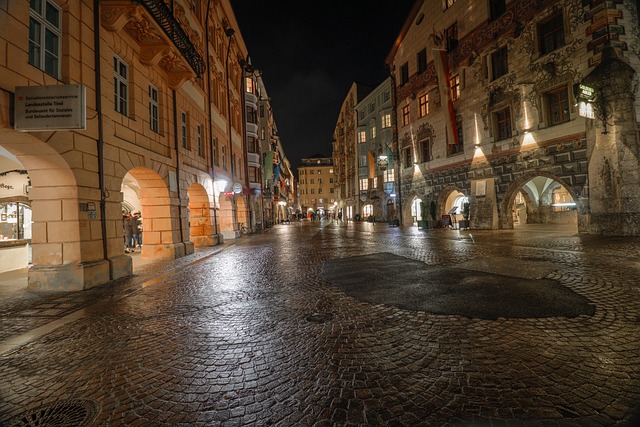
The Altstadt, or Old Town, of Innsbruck, Austria, is a captivating historical district nestled in the heart of the Tyrolean Alps. This charming area is renowned for its well-preserved medieval architecture, narrow cobblestone streets, and vibrant atmosphere that transports visitors back in time. One of the most iconic landmarks is the Golden Roof (Goldenes Dachl), a stunning 15th-century structure adorned with 2,657 fire-gilded copper tiles, which served as a royal box for Emperor Maximilian I. Walking through Altstadt, visitors encounter a blend of Gothic, Baroque, and Renaissance architecture. The Helbling House, with its ornate Baroque facade, and the Gothic Hofkirche, housing the tomb of Emperor Maximilian I, are must-see attractions. The area's rich history is also evident in the City Tower (Stadtturm), offering panoramic views of the city and surrounding mountains. Altstadt is not just about historical buildings; it is also a lively hub with bustling cafes, traditional inns, and boutique shops. The Maria-Theresien-Straße, a popular shopping street, connects the Old Town with the modern parts of Innsbruck, creating a seamless blend of old and new. Seasonal markets, particularly the Christmas market, fill the air with festive aromas and sounds, adding to the area's allure.
Ads place
Ads place
Ads place
Ads place
Ads place
Ambras Castle in Innsbruck, Austria

Ambras Castle

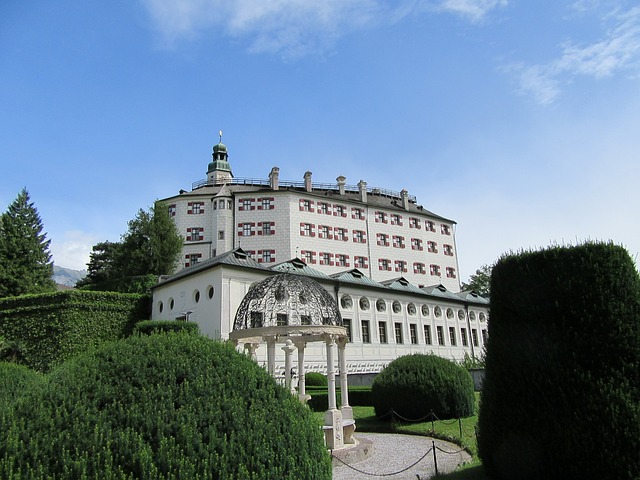
Ambras Castle, perched on a hillside above Innsbruck, Austria, is a remarkable Renaissance castle with a rich history and stunning art collections. Built in the 16th century by Archduke Ferdinand II, the castle was transformed from a medieval fortress into a magnificent Renaissance palace, serving as a residence and cultural hub. One of the most distinctive features of Ambras Castle is its well-preserved collections, housed in beautifully restored rooms that reflect the grandeur of the Renaissance period. The Chamber of Art and Wonders, or Kunst- und Wunderkammer, is one of the oldest museums in the world, showcasing an eclectic array of artifacts ranging from scientific instruments and natural curiosities to exotic objects and intricate works of art. This collection epitomizes the Renaissance curiosity and fascination with the natural world and human achievement. The castle also boasts an impressive armory, displaying a vast array of armor and weapons from different eras, highlighting the martial history and craftsmanship of the period. The Spanish Hall, a grand banquet hall adorned with 27 full-length portraits of Tyrolean rulers, is renowned for its exquisite wood-inlaid ceiling and serves as a venue for concerts and cultural events, adding to the castle's vibrant cultural life. Ambras Castle's grounds are equally enchanting, featuring meticulously landscaped gardens and ponds that offer a serene retreat and picturesque views of the surrounding area. The castle's architecture, blending Gothic and Renaissance styles, along with its art and historical artifacts, make it a cultural treasure trove.
Ads place
Ads place
Ads place
Ads place
Ads place
Bergisel Ski Jump in Innsbruck, Austria

Bergisel Ski Jump

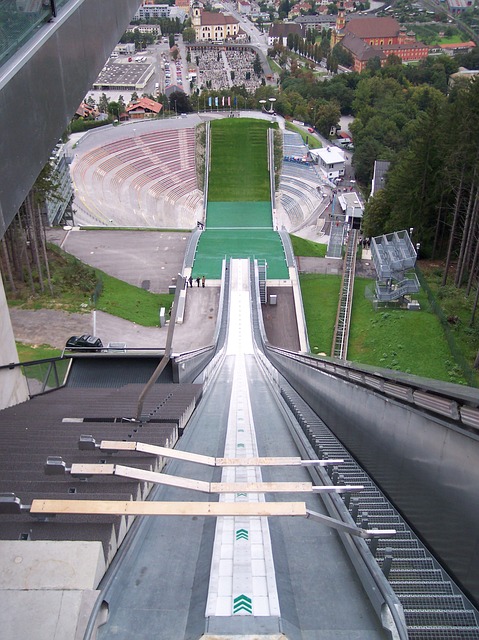
The Bergisel Ski Jump in Innsbruck, Austria, is a striking symbol of athletic excellence and architectural brilliance. Located on Bergisel Hill, this renowned facility is part of the prestigious Four Hills Tournament, an annual ski jumping event that attracts top athletes from around the globe. Designed by the acclaimed architect Zaha Hadid, the current structure was completed in 2002 and seamlessly combines functionality with modern aesthetics. Its sleek, futuristic design features a distinctive tower that rises 47 meters above the ground, providing not only a launch point for ski jumpers but also an observation deck with panoramic views of Innsbruck and the surrounding Tyrolean Alps. The ski jump itself is a marvel of engineering, with a jump length that allows athletes to reach speeds of up to 90 km/h before soaring through the air. The complex includes a state-of-the-art inrun, takeoff ramp, and landing area, designed to meet the highest standards of international competition. Beyond its sporting significance, Bergisel is a cultural landmark. The site includes a museum dedicated to the history of ski jumping and the Olympic Games, as Innsbruck hosted the Winter Olympics in 1964 and 1976. Visitors can also enjoy the Bergisel Sky restaurant, which offers delicious cuisine with stunning views. The Bergisel Ski Jump stands as a testament to Innsbruck's rich sporting heritage and innovative spirit, making it a must-visit destination for sports enthusiasts and architectural aficionados alike.
Ads place
Ads place
Ads place
Ads place
Ads place
Hofkirche (Court Church) in Innsbruck, Austria

Hofkirche (Court Church)

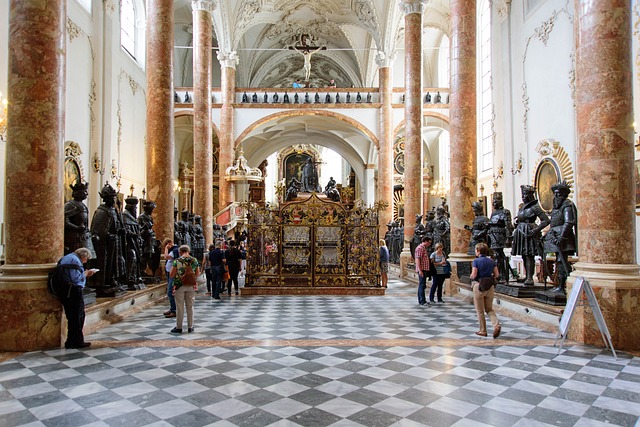
The Hofkirche, or Court Church, in Innsbruck, Austria, is a monumental Gothic structure that stands as a testament to the region's rich historical and cultural heritage. Constructed between 1553 and 1563 by Emperor Ferdinand I, the church was built to honor his grandfather, Emperor Maximilian I, and serves as a significant historical site. One of the most striking features of the Hofkirche is the elaborate cenotaph of Maximilian I, which is considered one of the most important sculptural works of the German Renaissance. The black marble tomb, surrounded by a series of larger-than-life bronze statues, is empty, as Maximilian I is actually buried in Wiener Neustadt. These 28 statues, known as the "Schwarzen Mander" (Black Men), include members of the Habsburg dynasty, historical figures, and legendary heroes, each meticulously crafted with intricate detail. The church's interior is equally impressive, featuring a high altar adorned with ornate carvings and beautiful frescoes. The Silver Chapel, dedicated to Archduke Ferdinand II and his wife Philippine Welser, houses a silver altar and is another highlight of the Hofkirche.
Ads place
Ads place
Ads place
Ads place
Ads place
Innsbrucker Tor (Innsbruck Gate) in Innsbruck, Austria

Innsbrucker Tor (Innsbruck Gate)

The Innsbrucker Tor, or Innsbruck Gate, is a historical landmark situated in the picturesque town of Hall in Tirol, near Innsbruck, Austria. Erected in 1744, this Baroque gate served as the western entrance to the town, marking a point of transition for travelers and traders entering from Innsbruck and beyond. The gate was constructed during a period of economic prosperity, reflecting the town's importance as a center for salt mining and trade. Its design features typical Baroque elements, including elaborate decorative motifs and a sense of grandeur that was intended to impress visitors. The Innsbrucker Tor stands as a testament to the architectural and artistic styles of the 18th century. On the archway, visitors can observe intricate carvings and inscriptions that highlight its historical significance. The gate also features a small chapel dedicated to Saint Sebastian, a common practice at the time to offer blessings for safe passage. This combination of civic function and religious symbolism is characteristic of many Baroque structures. Today, the Innsbrucker Tor is not just a historical relic but a vibrant part of Hall in Tirol's cultural heritage. It leads into the well-preserved medieval old town, where cobblestone streets, historic buildings, and charming squares invite exploration. The gate remains a beloved landmark for locals and a point of interest for tourists, offering a glimpse into the rich history and architectural beauty of the region.
Ads place
Ads place
Ads place
Ads place
Ads place
Nordkette Mountain Range in Innsbruck, Austria

Nordkette Mountain Range

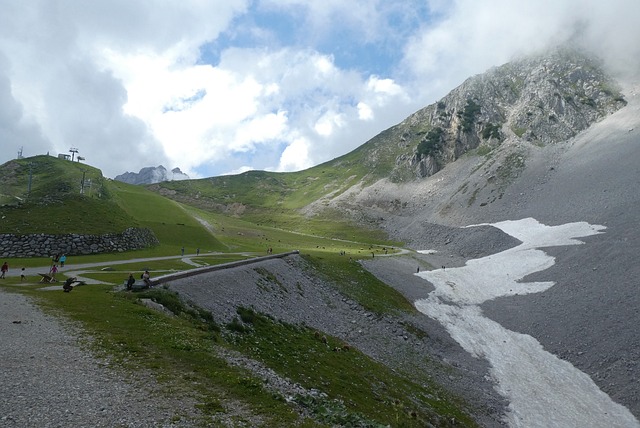
The Nordkette Mountain Range, majestically overlooking the city of Innsbruck, Austria, is an integral part of the Karwendel Alps and a cherished natural landmark. Often referred to as the "Jewel of the Alps," Nordkette offers breathtaking panoramic views, diverse outdoor activities, and an unforgettable alpine experience just a stone's throw from the city center. Rising sharply from the northern edge of Innsbruck, the Nordkette range is easily accessible via the Nordkette Cable Car, a marvel of modern engineering that whisks visitors from the city to the alpine terrain in mere minutes. The journey begins at the Hungerburg funicular, passing through the striking stations designed by renowned architect Zaha Hadid, and continues with the cable car that climbs to Seegrube at 1,905 meters and finally to the Hafelekar peak at 2,334 meters. The Nordkette range is a paradise for outdoor enthusiasts. In winter, it transforms into a snowy wonderland, offering skiing, snowboarding, and tobogganing against the backdrop of stunning alpine vistas. The Nordkette Ski Resort, though compact, is popular for its challenging runs and off-piste opportunities. In the warmer months, the area becomes a haven for hikers, climbers, and mountain bikers, with trails ranging from leisurely walks to demanding ascents. The Karwendel Nature Park, part of the range, provides a sanctuary for wildlife and a serene escape into nature. One of the highlights is the Top of Innsbruck viewpoint at Hafelekar, where visitors can gaze upon the city below and the vast expanse of the Alps stretching into the distance. The Nordkette also offers dining experiences with a view, such as at the Seegrube Restaurant, where traditional Tyrolean cuisine can be enjoyed amidst spectacular scenery.
Ads place
Ads place
Ads place
Ads place
Ads place
Swarovski Crystal Worlds in Innsbruck, Austria

Swarovski Crystal Worlds

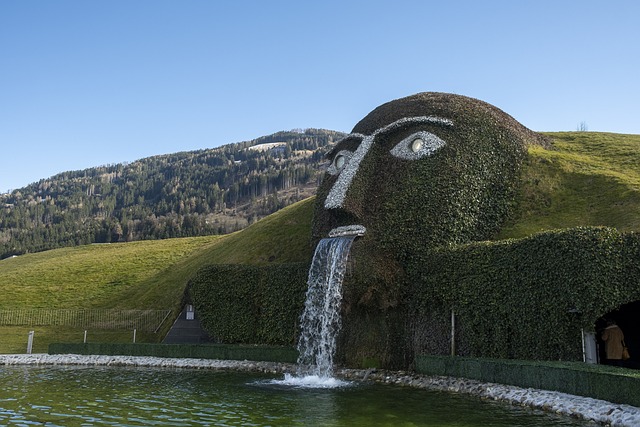
Swarovski Crystal Worlds, located in Wattens near Innsbruck, Austria, is a dazzling attraction that showcases the brilliance and artistry of Swarovski crystal. Opened in 1995 to celebrate the centennial anniversary of the iconic crystal company, this unique destination has since become a must-visit for art enthusiasts and tourists alike. Designed by multimedia artist André Heller, Swarovski Crystal Worlds features a blend of art, nature, and crystal in a series of captivating installations. The journey begins at the entrance, marked by the iconic "Giant" - a massive, grass-covered head with crystal eyes, from which a waterfall flows. This serves as the gateway to the Chambers of Wonder, a series of 17 rooms created by renowned artists and designers. Each chamber presents a unique, immersive experience that highlights the versatility and beauty of Swarovski crystals, from sparkling sculptures and intricate installations to interactive displays and innovative light effects. The expansive garden, known as the Crystal Cloud, is another highlight. Comprising over 800,000 hand-mounted crystals, it creates a surreal, shimmering landscape that enchants visitors. The garden also includes the Mirror Pool, where reflections add to the ethereal atmosphere.
Ads place
Ads place
Ads place
Ads place
Ads place
Tyrolean State Museum Ferdinandeum in Innsbruck, Austria

Tyrolean State Museum Ferdinandeum

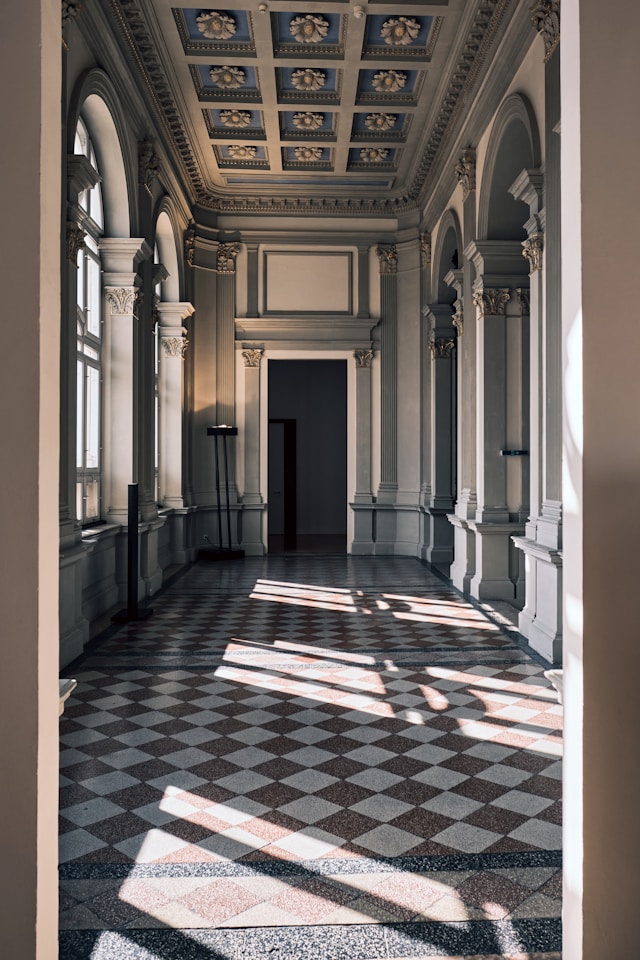
The Tyrolean State Museum, also known as the Ferdinandeum, is a premier cultural institution located in the heart of Innsbruck, Austria. Founded in 1823 and named after Archduke Ferdinand, the museum is one of the oldest and most significant museums in the Tyrol region. It serves as a repository for a vast array of art, historical artifacts, and cultural treasures, offering an extensive overview of the region's rich heritage. The Ferdinandeum's collections span several disciplines, including archaeology, art, history, and music. One of the museum's highlights is its impressive art collection, which includes works from the Gothic period to contemporary art. The museum boasts masterpieces by renowned artists such as Lucas Cranach the Elder and Rembrandt, alongside an extensive collection of Tyrolean art. The archaeology section features fascinating artifacts from prehistoric times to the early Middle Ages, providing insights into the ancient history of the region. The historical collection includes valuable documents, coins, and everyday objects that illustrate the cultural and social development of Tyrol. The Ferdinandeum also houses a significant collection of musical instruments and manuscripts, underscoring the region's rich musical heritage. Special exhibitions and educational programs further enrich the visitor experience, making the museum a dynamic center for learning and cultural exchange.
Ads place
Ads place
Ads place
Ads place
Ads place
Wilten Basilica in Innsbruck, Austria

Wilten Basilica

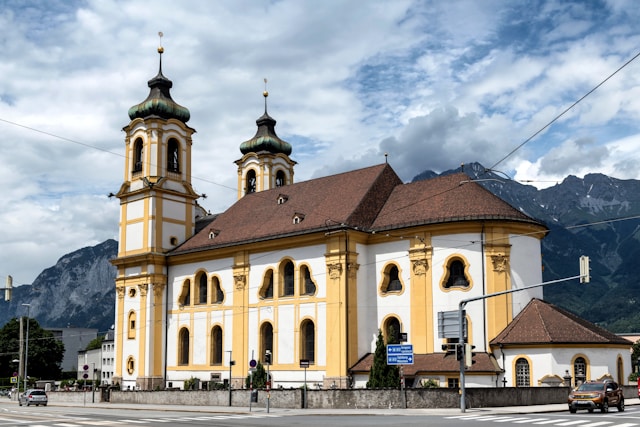
Wilten Basilica, or Basilika Wilten, is a magnificent Baroque church located in the Wilten district of Innsbruck, Austria. Known for its stunning architecture and historical significance, it stands as one of the most beautiful religious buildings in the region. The origins of Wilten Basilica date back to the 13th century, but the current structure was built between 1751 and 1756, designed by architect Franz de Paula Penz. The basilica's exterior is characterized by its twin towers and ornate façade, while the interior dazzles with intricate stucco work, frescoes, and gilded decorations, all hallmarks of the Baroque style. One of the most notable features of the Wilten Basilica is the high altar, dominated by the statue of the Madonna under the four columns and surrounded by a host of angels. This venerated statue, known as "Our Lady under the Four Columns" is a significant pilgrimage object, believed to date back to the Romanesque period. The ceiling frescoes, painted by Matthäus Günther, depict various scenes from the life of the Virgin Mary and are considered masterpieces of Baroque art. The vibrant colors and dynamic compositions create an awe-inspiring atmosphere, drawing visitor's eyes upward to the heavenly visions.
Ads place
Ads place
Ads place
Ads place
Ads place