
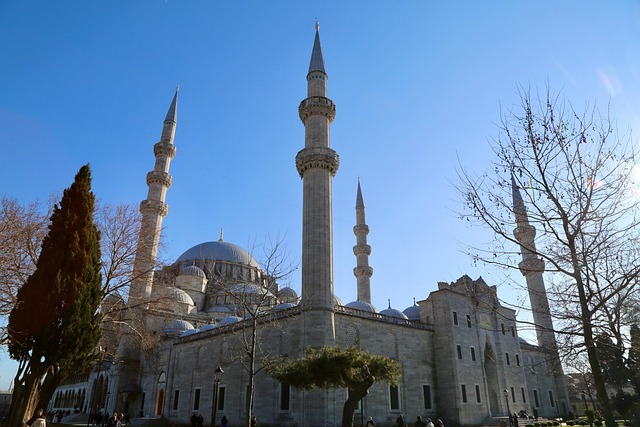
Suleymaniye Mosque
In Istanbul, Turkey .
More places to visit in Istanbul
Discover more attractions and things to do in Istanbul.
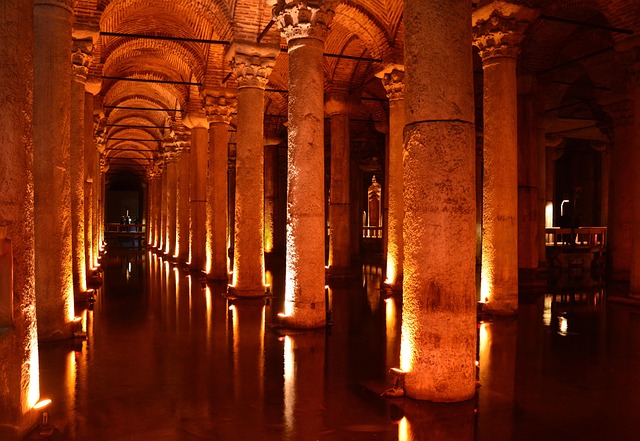
Basilica Cistern
Hidden beneath Istanbul's old quarter, the Basilica Cistern was built in 532 AD by Emperor Justinian I to supply water to the imperial palace. This subterranean chamber measures 138 by 65 meters and is supported by 336 marble columns , many of which were recycled from older temples. The dimly lit space creates an eerie ambiance, accentuated by soft rippling water and the sound of dripping. Two mysterious Medusa head carvings serve as column bases, their origins and purpose still debated. Advanced water filtration systems reveal Roman engineering prowess. A lesser-known fact is that carp still swim in the cistern today, as they did centuries ago. The cistern was rediscovered in the 16th century by a scholar who noticed locals retrieving water—and even fish—through holes in their floors. Restored in modern times, it’s one of the city’s most atmospheric historical sites.
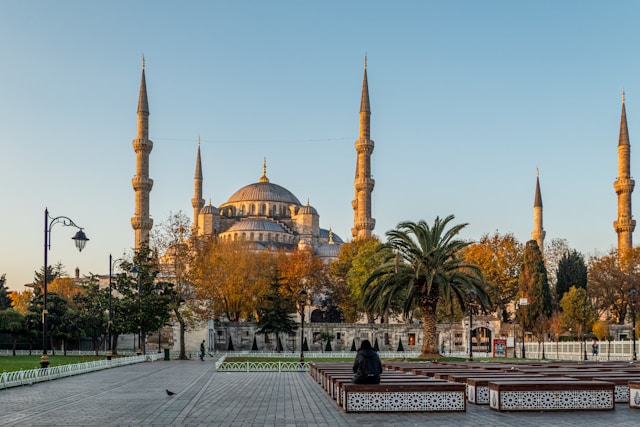
Blue Mosque
Completed in 1616 during the rule of Sultan Ahmed I , the Blue Mosque is named for its over 20,000 interior Iznik tiles , which glow blue under natural light. Designed by Sedefkar Mehmed Aga , a pupil of Mimar Sinan, the mosque features six minarets , an architectural rarity that initially stirred controversy with Mecca. Its interior is illuminated by 200 stained-glass windows and inscribed with exquisite Quranic verses. The central dome reaches a height of 43 meters, showcasing the finesse of Ottoman structural design. Lesser known are the acoustics, which allow imams' voices to travel evenly throughout the vast prayer hall. Beneath the mosque lies a still-functional cistern system. Worshippers follow a tradition of entering through the main courtyard gate while lowering their heads, symbolizing humility before God. The mosque also contains a dedicated royal platform used by the sultan during Friday prayers.
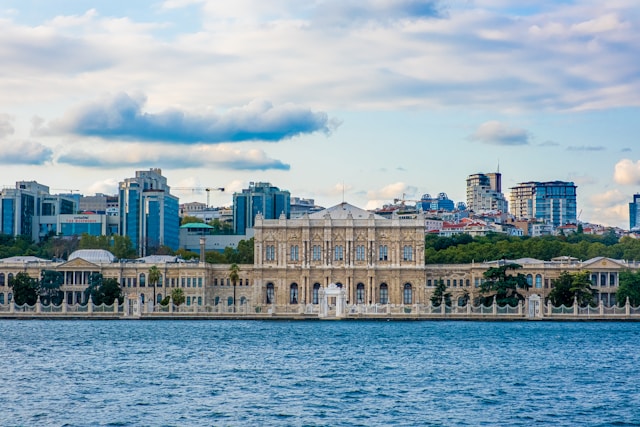
Dolmabahce Palace
Completed in 1856 during the reign of Sultan Abdulmecid I , Dolmabahce Palace reflects the opulence of the late Ottoman period with a blend of Baroque, Rococo, and Neoclassical styles. The palace boasts 285 rooms , 46 halls, and a grand crystal staircase . Its ceremonial hall contains a 4.5-ton chandelier, the world's largest of its kind. Unlike earlier Ottoman palaces, Dolmabahce was built with stone and marble, conveying a Western sense of grandeur. Mustafa Kemal Ataturk spent his final days here, and his room remains preserved as a memorial. A little-known fact is the extensive use of gold—over 14 tons were used in the palace’s gilding. The palace also hosted key diplomatic events, including meetings with European royalty. It symbolizes the transformation of Ottoman architecture and politics as the empire approached modernity.
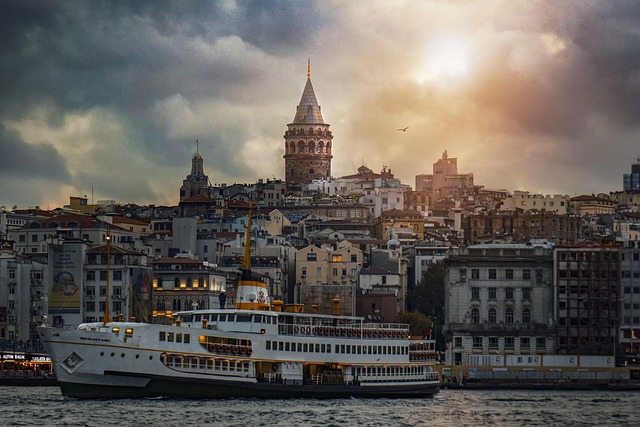
Galata Tower
Rising above the Karakoy district, the Galata Tower was originally built in 1348 by the Genoese as part of their fortifications. At 67 meters tall, it was once the tallest structure in the city and served as a watchtower for spotting fires across Istanbul. The tower's conical cap and cylindrical stone structure are iconic features of the city skyline. According to legend, in the 17th century, Hezarfen Ahmet Celebi used artificial wings to glide from the tower across the Bosphorus—an early aviation feat. The interior has been restored to include a panoramic observation deck and a museum chronicling its history. In Ottoman times, the tower was also used as a prison and later as a naval observatory. It offers one of the best 360-degree views of Istanbul’s historic peninsula.
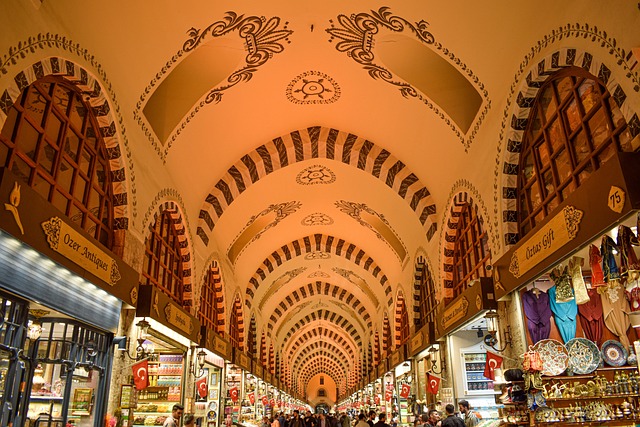
Grand Bazaar
Dating back to the 15th century , the Grand Bazaar is a labyrinthine marketplace encompassing over 4,000 shops and attracting hundreds of thousands of visitors daily. Originally built to boost Ottoman economic dominance, it has evolved into a vibrant trading hub. Shoppers can find handwoven carpets , antique jewelry, ceramics, and exotic spices, often while sipping on strong Turkish tea. Its vaulted ceilings and ornate arches reflect Ottoman design principles . The bazaar once operated as a mini-city with banks, mosques, and police stations. An unusual feature is the 'Cevahir Bedesten', a secure area that historically housed the most valuable items. Few realize the Grand Bazaar has withstood numerous earthquakes and fires and was last extensively restored in the 1890s. Today, it remains a living embodiment of Turkey’s commercial tradition.
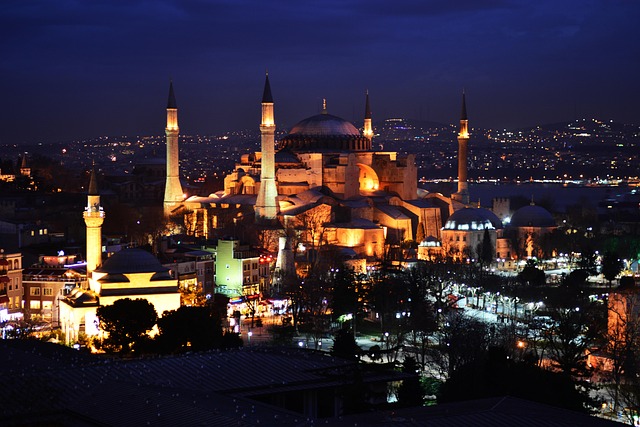
Hagia Sophia
Constructed in 537 AD under the orders of Emperor Justinian I , Hagia Sophia served as the world's largest cathedral for nearly a thousand years. Its massive central dome , spanning over 31 meters, is a marvel of Byzantine engineering and influenced architectural styles throughout the centuries. During the Ottoman conquest in 1453 , it was converted into a mosque, with minarets added to the structure. Rich mosaics depicting Christian figures coexist with Islamic calligraphy, creating a unique visual dialogue. A lesser-known feature is the 'Weeping Column', believed to possess healing powers. Restored in the 20th century and operating as a museum, it reflects the layered cultural and religious history of Istanbul. In 2020 , it was reconverted into a mosque, yet remains open to tourists, symbolizing Istanbul's enduring blend of faiths and empires. Few realize that during the Latin occupation of Constantinople, it served as a Roman Catholic cathedral for nearly 60 years. Its structure also incorporates recycled materials from the Temple of Artemis. Engineers used brick ribs in the dome for additional flexibility in earthquakes—a pioneering solution in seismic architecture.
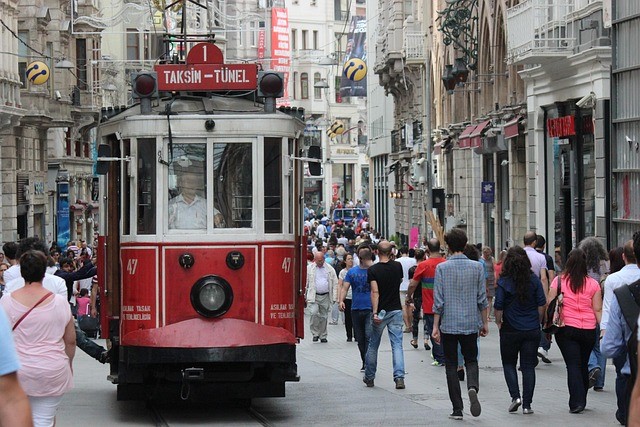
Istiklal Avenue
Stretching from Taksim Square to Galata , Istiklal Avenue is a vibrant pedestrian street pulsing with culture, history, and urban life. Flanked by 19th-century European-style buildings , the avenue is home to consulates, churches, theaters, boutiques, and bookstores. A historic red tram runs along the street, symbolizing the district's nostalgic charm. During the late Ottoman era, it was known as Grand Rue de Pera and served as a cosmopolitan hub for minorities and diplomats. A little-known fact is that beneath the avenue lies a tunnel used by the funicular line, one of the oldest underground railways in the world. Istiklal comes alive at night with live music, art galleries, and rooftop bars offering city views.
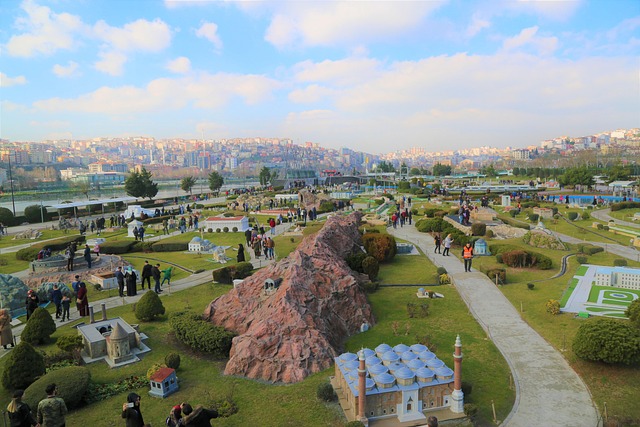
Miniaturk
Opened in 2003 , Miniaturk is a unique open-air park that presents miniature models of Turkey's most iconic landmarks, shrunk down to 1:25 scale. Covering 60,000 square meters, it includes over 130 models ranging from the Temple of Artemis to the Mevlana Museum . Each model is crafted with meticulous detail, accompanied by interactive audio guides in multiple languages. Designed as an educational and cultural venue, Miniaturk also features a miniature railway , airport, and Bosphorus complete with moving ferries. A lesser-known aspect is the inclusion of lost heritage sites—structures that no longer exist but have been digitally reconstructed. It offers an inspiring overview of Anatolia's rich architectural and historical legacy in just a few hours of exploration.
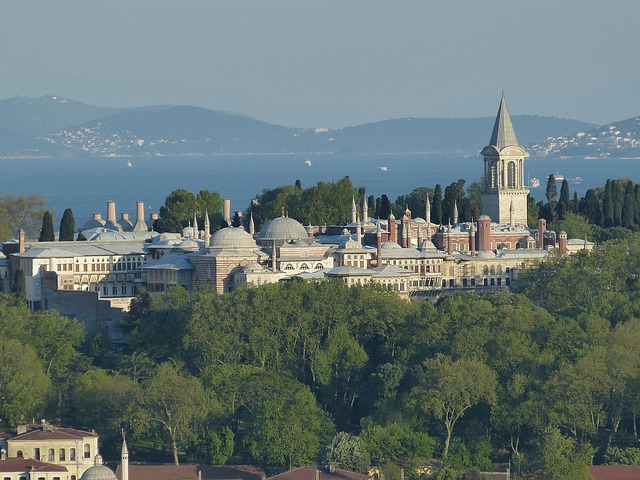
Topkapi Palace
Built shortly after the 1453 conquest of Constantinople , Topkapi Palace served as the primary residence of the Ottoman sultans for over four centuries. Spanning four courtyards, the complex contains pavilions, lush gardens, and the infamous Imperial Harem , which housed royal concubines and eunuchs. The Sacred Trusts Room displays relics of the Prophet Muhammad, including his cloak and sword. Intricate Iznik tiles and gilded calligraphy adorn its interiors. The palace was designed not only for grandeur but also to embody the central authority of the sultan. A lesser-known chamber is the 'Circumcision Room,' uniquely decorated and steeped in ceremonial tradition. The palace once featured an astronomical observatory, used briefly during the reign of Murad III. Today, Topkapi Palace is a museum, offering unparalleled insight into the private and political life of the Ottoman elite.