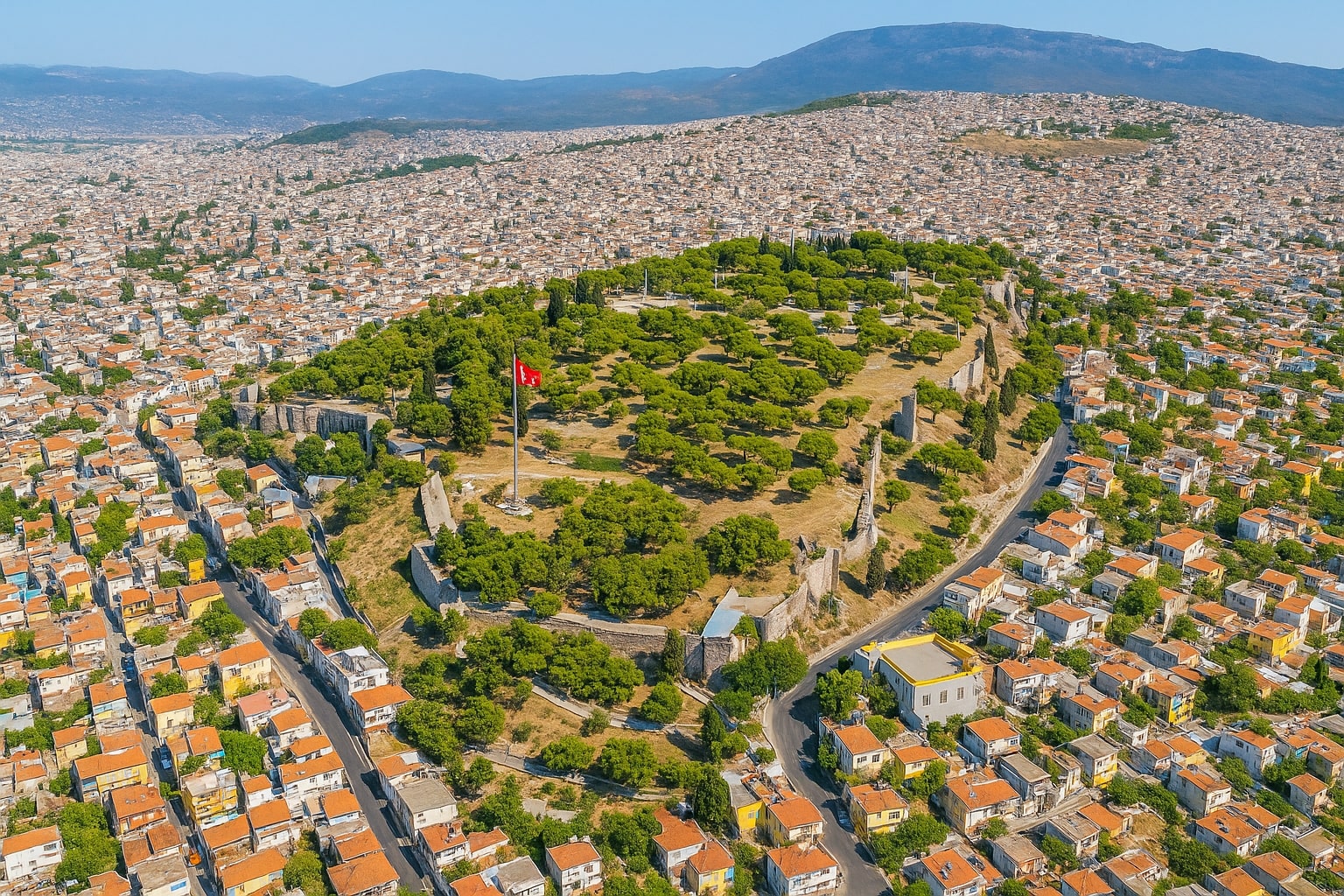
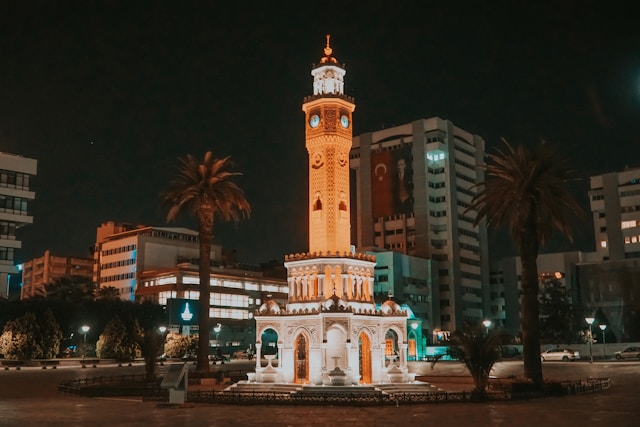
City view of Izmir, Turkey

Izmir

Izmir, a sun-drenched port city on Turkey’s Aegean coast, blends millennia of history with a relaxed Mediterranean vibe. Stroll the palm-lined Kordon promenade at dawn as fishermen haul in gleaming sea bream and locals sip aromatic Turkish coffee in cafés overlooking the glittering gulf. In the heart of the city, Konak Square’s Ottoman-era clock tower presides over bustling markets in the Kemeralti Bazaar, where vendors hawk everything from hand-woven textiles to fragrant spices and delicate ceramics. Rising above the urban sprawl, the ancient Kadifekale citadel on Mount Pagos offers panoramic vistas of white-washed buildings and blue waters. Nearby, the Archaeological Museum chronicles Smyrna’s Greek and Roman legacies through stone sarcophagi and funerary stelae. As evening falls, the Alsancak quarter comes alive with rooftop bars, fish restaurants serving grilled octopus and mezes, and live bands playing Anatolian folk tunes. Festivals such as the International Izmir Jazz and Ballet Festival draw crowds to open-air performances, ensuring that Izmir’s blend of seaside charm, historic depth and contemporary culture resonates long after departure.

Top attractions & things to do in Izmir

If you’re searching for the best things to do in Izmir, this guide brings together the top attractions and must-see places to visit in Izmir. The top picks below highlight the most visited sights for first-time visitors, plus a few local favorites worth adding.

Agora Open Air Museum in Izmir, Turkey

Agora Open Air Museum

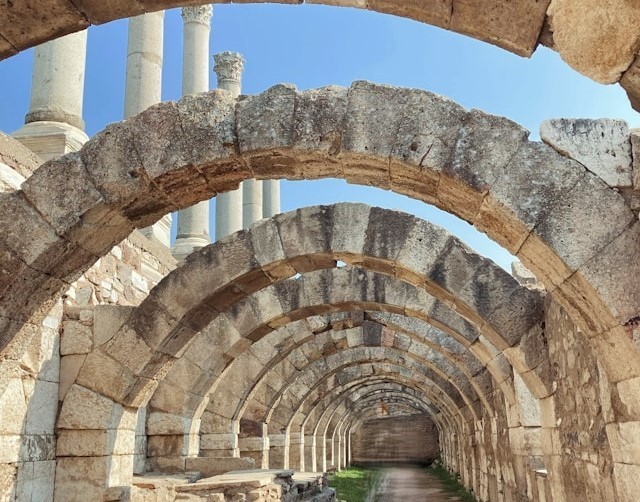
The Agora of Smyrna, located in Izmir’s Namazgah neighborhood, dates back to the 4th century BC and was rebuilt in the 2nd century AD after an earthquake. This ancient marketplace and political hub once served as the vibrant heart of the Roman city of Smyrna. Its well-preserved arches, columns, and underground cisterns offer visitors a direct connection to the classical world. Recent archaeological excavations have revealed important inscriptions and artifacts, providing invaluable insights into Roman-era life and commerce. One fascinating discovery is the ancient graffiti, featuring commercial notes and personal messages etched into the stones, offering a rare glimpse into everyday Roman life. The Agora remains a critical site for archaeological research, contributing significantly to our understanding of ancient urban planning and social dynamics.
Ads place
Ads place
Ads place
Ads place
Ads place
Alsancak Neighborhood in Izmir, Turkey

Alsancak Neighborhood

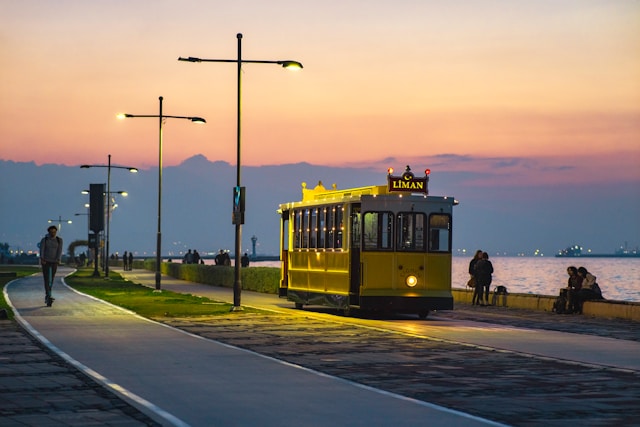
Alsancak is Izmir’s vibrant and trendy neighborhood renowned for its bustling promenade, historic buildings, and dynamic cultural life. The main thoroughfare, Kibris Sehitleri Caddesi, is lined with chic cafes, boutique shops, and lively restaurants. Historic Levantine-style buildings dating from the 19th century add architectural charm to the district. Alsancak also houses significant sites like the Ataturk Museum, a beautifully preserved house commemorating Mustafa Kemal Ataturk’s visits. Along the seafront, the extensive promenade is ideal for leisurely walks, offering picturesque views of Izmir Bay. The area frequently hosts art galleries, festivals, and cultural events, reflecting its artistic atmosphere. Lesser known is Alsancak’s role as a cultural melting pot historically populated by diverse communities including Greeks, Armenians, and Europeans, contributing significantly to Izmir’s multicultural heritage.
Ads place
Ads place
Ads place
Ads place
Ads place
Bergama Acropolis in Izmir, Turkey

Bergama Acropolis

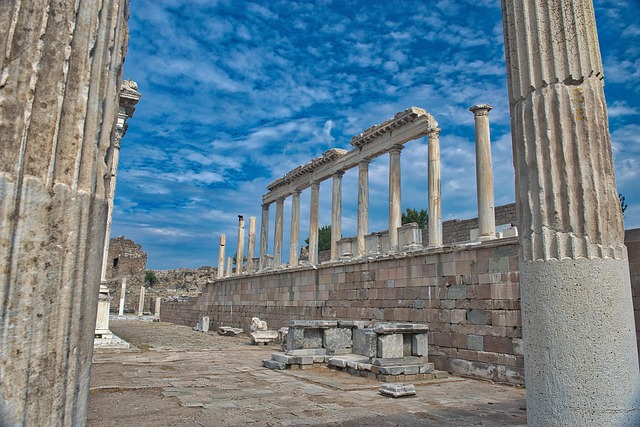
Located in the historical town of Bergama, the Bergama Acropolis is a testament to ancient engineering and cultural achievement. The site, dating back to the 3rd century BC, was the center of the ancient city of Pergamon. Highlights include the remains of the monumental Temple of Trajan, a well-preserved theater built into the hillside, and the ruins of Pergamon’s famous Library, once holding over 200,000 scrolls. This library rivaled Alexandria’s and contributed significantly to Pergamon’s intellectual prestige. Visitors can also explore the remnants of the royal palaces, marketplaces, and sophisticated water systems showcasing impressive Roman hydraulic technology. A little-known fact is that the city was one of the earliest adopters of parchment, contributing significantly to literary preservation. With breathtaking views across the valley, Bergama Acropolis offers an immersive journey through ancient history.
Ads place
Ads place
Ads place
Ads place
Ads place
Cesme Castle in Izmir, Turkey

Cesme Castle

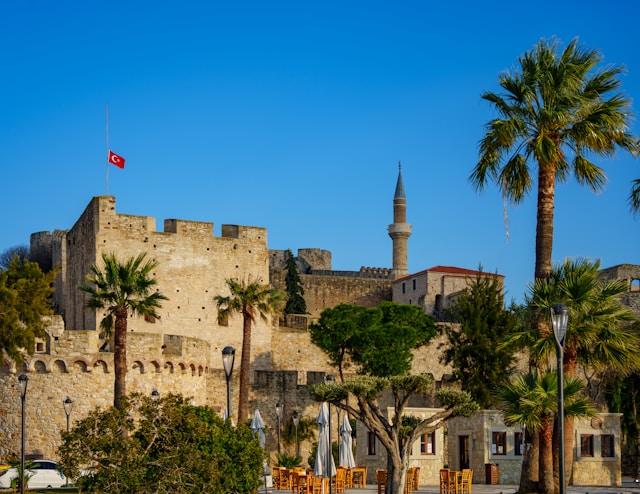
Built in 1508 under the orders of Ottoman Sultan Beyazit II, Cesme Castle stands majestically on the waterfront of the popular resort town of Cesme. Originally constructed to defend against Venetian attacks, the fortress features imposing walls, towers, and battlements. Inside, the castle houses the Cesme Archaeology Museum, exhibiting artifacts from shipwrecks, ancient coins, and historical maps detailing the naval history of the region. The castle’s elevated terraces offer panoramic views of the harbor and nearby islands, enhancing its strategic significance. Throughout history, Cesme Castle witnessed numerous battles, most notably the naval Battle of Cesme in 1770, fought between the Russian and Ottoman empires. Today, it serves both as a historical monument and a venue for cultural events, including the annual Cesme Festival, blending history with contemporary culture.
Ads place
Ads place
Ads place
Ads place
Ads place
Ephesus Ancient City in Izmir, Turkey

Ephesus Ancient City

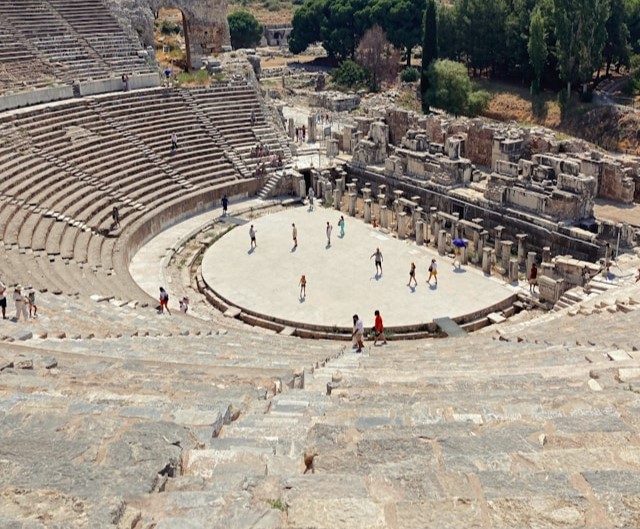
One of the most renowned archaeological sites in the world, Ephesus was once a prominent Roman metropolis and home to the famous Temple of Artemis, one of the Seven Wonders of the Ancient World. Key attractions include the beautifully preserved Library of Celsus, built in 117 AD, the expansive Great Theatre, and the ornate Terrace Houses displaying intricate mosaics and frescoes. Visitors can walk along ancient marble-paved streets, imagining life during Ephesus’s heyday. The city also holds significant religious importance as a site associated with the Virgin Mary and the Apostle John. Lesser known is the advanced urban planning visible in the sophisticated sewage system and public baths, highlighting Roman innovation. As a UNESCO World Heritage Site, Ephesus provides unparalleled insight into ancient urban life, religion, and architecture.
Ads place
Ads place
Ads place
Ads place
Ads place
Izmir Wildlife Park in Izmir, Turkey

Izmir Wildlife Park

The Izmir Wildlife Park is an expansive natural sanctuary that spans over 425,000 square meters, housing over 1,500 animals from more than 120 different species. Opened in 2008, the park is notable for its spacious habitats, meticulously designed to mimic natural environments, allowing animals ample freedom and comfort. Popular sections include the African savannah exhibit, the tropical aviary, and the Asian elephant habitat. The park emphasizes education and conservation, providing interactive learning experiences and animal feeding demonstrations. Visitors can explore the park via extensive walking trails that offer both recreational and educational value. A lesser-known feature of the park is its extensive plant life, home to native flora that supports biodiversity. Izmir Wildlife Park thus combines wildlife preservation, ecological education, and family-friendly recreation in one beautiful setting.
Ads place
Ads place
Ads place
Ads place
Ads place
Kadifekale in Izmir, Turkey

Kadifekale

Kadifekale, meaning "Velvet Castle," sits prominently on a hill overlooking Izmir and the Aegean Sea. Established by Alexander the Great in the 4th century BC, it served as a strategic defensive point. The fortress offers panoramic views of the city and bay, making it both historically significant and visually captivating. While much of the original structure has deteriorated over time, restoration projects have preserved key sections, including its sturdy walls and the western gate. Archaeological excavations around Kadifekale have unearthed remnants of ancient temples, cisterns, and pottery shards dating back to Hellenistic times. The area surrounding the castle provides scenic picnic spots and quiet walking paths, allowing visitors to appreciate both historical importance and natural beauty. Few realize that the castle’s location was chosen following an oracle’s advice, signifying its ancient spiritual and strategic importance.
Ads place
Ads place
Ads place
Ads place
Ads place
Kemeralti Market in Izmir, Turkey

Kemeralti Market

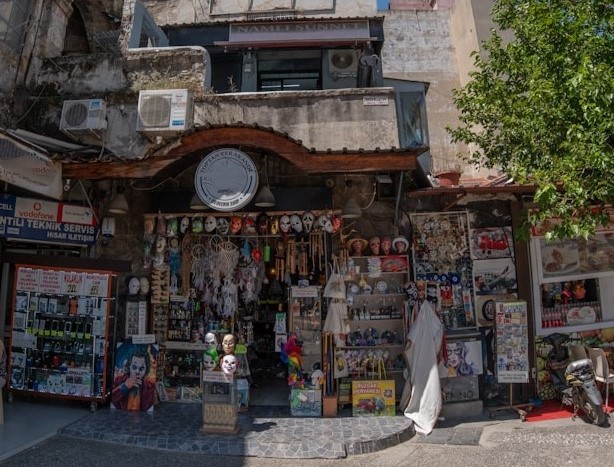
The bustling Kemeralti Market has been the heart of Izmir since the 17th century. This historical bazaar stretches from Konak Square into the labyrinth of narrow streets lined with small shops and traditional tea houses. Visitors can find everything from intricate textiles and handcrafted jewelry to spices, antiques, and local street food. Among the market’s hidden gems is the beautiful Hisar Mosque, built in 1597, notable for its impressive Ottoman architecture. The market’s unique character is also preserved in centuries-old inns and caravanserais such as the Kizlaragasi Han. Artisan workshops demonstrate traditional crafts, like glassblowing and leatherworking, keeping ancient skills alive. Kemeralti is not just a marketplace but a living museum where history, commerce, and culture coexist vibrantly, providing insight into Izmir’s rich past and dynamic present.
Ads place
Ads place
Ads place
Ads place
Ads place
Konak Square in Izmir, Turkey

Konak Square

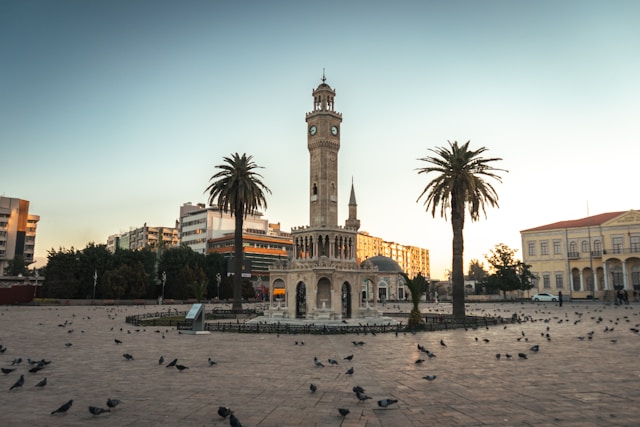
Konak Square, located at the heart of Izmir, serves as a cultural and historical focal point. Dominating the square is the iconic Clock Tower, erected in 1901 to celebrate Sultan Abdulhamid II’s 25th year of reign. Designed by French architect Raymond Charles Pere, the elegant Ottoman-style structure features elaborate marble detailing. Nearby, the small but historically significant Konak Mosque, built in 1755, adds to the square’s charm. Surrounded by modern public buildings and vibrant cafes, the square is an inviting gathering spot for locals and tourists alike. The area is regularly used for public events, festivals, and peaceful demonstrations, highlighting its central role in Izmir’s civic life. Often overlooked is the square’s proximity to the Agora of Smyrna, providing historical context to Izmir’s urban development from antiquity to today.
Ads place
Ads place
Ads place
Ads place
Ads place
Kulturpark Izmir in Izmir, Turkey

Kulturpark Izmir

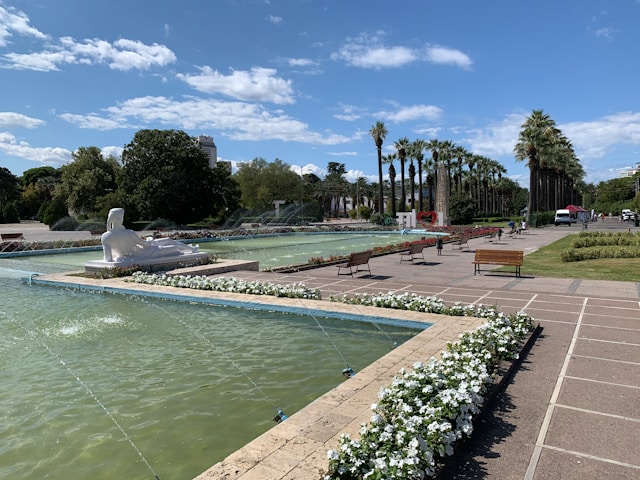
Established in 1936, Kulturpark Izmir serves as the city's central green oasis, covering approximately 420,000 square meters in the heart of Izmir. Originally built as a site for the International Fair, Kulturpark features lush gardens, expansive lawns, fountains, and ornamental pools, offering residents and visitors a serene escape from the bustling urban environment. Among its notable features are the Izmir International Fairgrounds, an open-air theatre, several museums, and numerous art galleries that frequently host cultural events and exhibitions. The park's diverse flora includes thousands of trees from different species, providing vital green space in the city center. Kulturpark is also historically significant as a symbol of modernization efforts during the early Republic of Turkey, designed under the guidance of renowned urban planner Henri Prost. Today, it continues to be a popular destination for recreation, cultural activities, and community gatherings, reflecting Izmir's vibrant cultural and social life.
Ads place
Ads place
Ads place
Ads place
Ads place