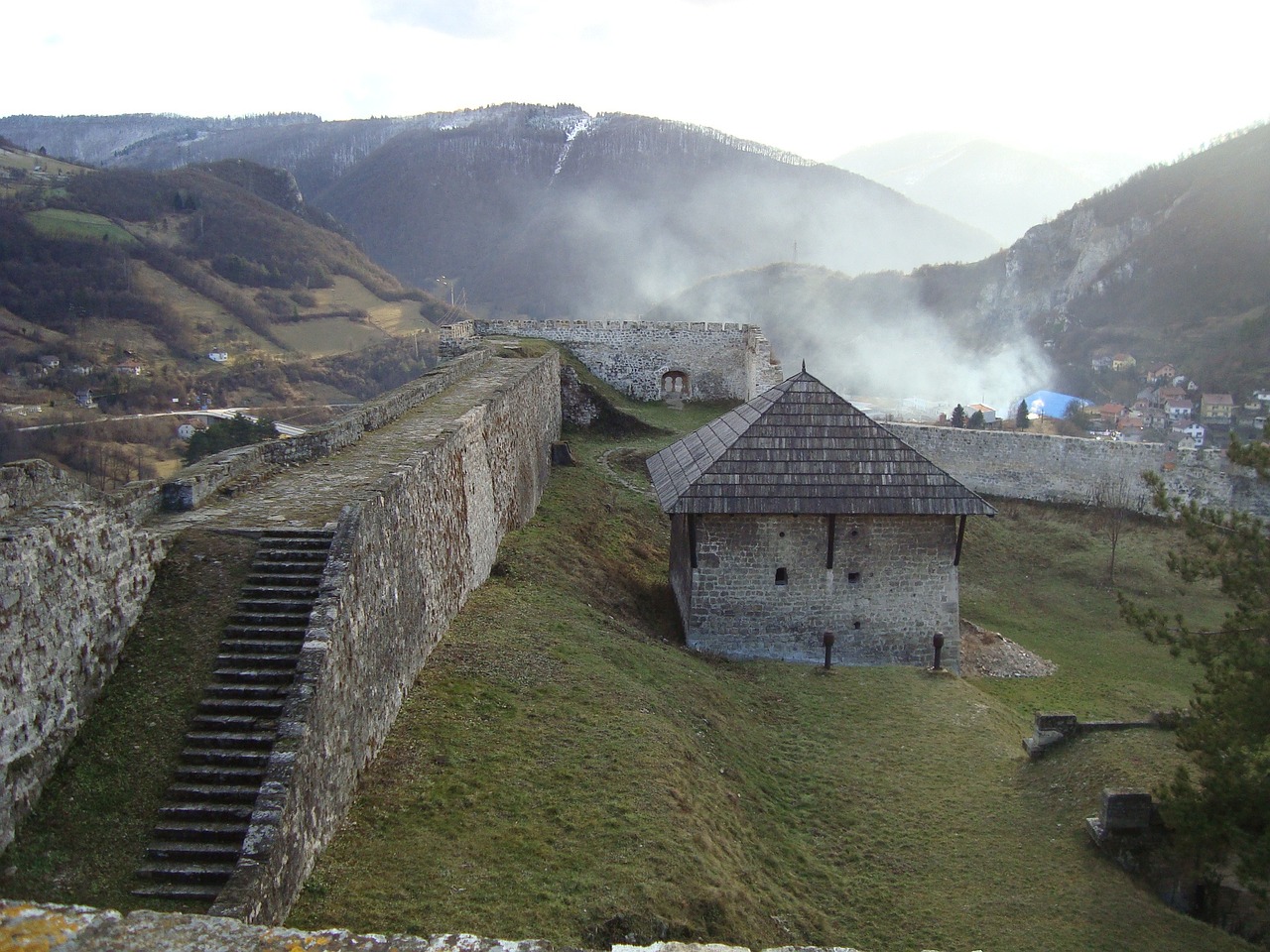

City view of Jajce, Bosnia and Herzegovina

Jajce

Jajce is a historic town known for its medieval fortress and impressive natural beauty, including the famous Pliva Waterfall, which cascades into the Vrbas River. Jajce was once the capital of the Bosnian Kingdom, and its old town is surrounded by well-preserved fortifications. Visitors can explore the ruins of St. Luke's Tower, the Catacombs of Jajce, and the underground church. Jajce is also home to the Pliva Lakes, a popular spot for kayaking, fishing, and enjoying the outdoors.

Top attractions & things to do in Jajce

If you’re searching for the best things to do in Jajce, this guide brings together the top attractions and must-see places to visit in Jajce. The top picks below highlight the most visited sights for first-time visitors, plus a few local favorites worth adding.

Catacombs of Jajce in Jajce, Bosnia and Herzegovina

Catacombs of Jajce

The Catacombs of Jajce, located in the center of the town, are an underground church and burial site dating back to the 15th century. These man-made caves were carved into a hill and were believed to serve as a royal mausoleum for the local nobility. The catacombs are a unique example of medieval Bosnian architecture, featuring a blend of Gothic and Bosnian design elements. Inside, visitors can explore several chambers, including the altar room, burial sites, and religious symbols etched into the stone walls. The catacombs are not only a historical treasure but also offer a mysterious and atmospheric experience as visitors descend into the dimly lit tunnels, providing a glimpse into Jajce's rich and sometimes hidden history. Recent restorations revealed hidden medieval graffiti depicting crosses and Cyrillic prayers. The catacombs are linked by folklore to the "Curse of the Bosnian Kings," said to haunt those who disturb the tombs. Guided tours now include augmented reality projections that bring the site’s 15th-century rituals to life.
Ads place
Ads place
Ads place
Ads place
Ads place
Jajce Fortress in Jajce, Bosnia and Herzegovina

Jajce Fortress

Jajce Fortress, also known as the Royal Fortress, stands proudly on top of a hill overlooking the town. Built in the 14th century, it played a crucial role in the medieval history of Bosnia as it was once the seat of Bosnian kings. The fortress offers spectacular panoramic views of Jajce and the surrounding landscape, including the Pliva Waterfall and Vrbas River. Visitors can explore the well-preserved walls, towers, and gates of the fortress, as well as the remains of ancient structures within its grounds. It is a great place to dive into the rich history of the region while enjoying breathtaking views of the town below. The fortress is also a popular spot for photography, especially during sunset when the town is bathed in golden light. In 2022, archaeologists uncovered a hidden medieval chapel beneath the fortress, adorned with frescoes of Bosnian nobility. The fortress now hosts a nighttime light show projecting historical scenes onto its walls. During summer, knights’ tournaments reenact battles from the era of King Tvrtko I.
Ads place
Ads place
Ads place
Ads place
Ads place
Pliva Lakes in Jajce, Bosnia and Herzegovina

Pliva Lakes

The Pliva Lakes, located a few kilometers outside of Jajce, are a tranquil and picturesque retreat for nature lovers. The two main lakes, Veliko Plivsko Jezero (Big Pliva Lake) and Malo Plivsko Jezero (Small Pliva Lake), are surrounded by rolling hills and dense forests, creating a serene atmosphere. The lakes are ideal for water sports like kayaking, canoeing, and fishing, or simply for enjoying a peaceful boat ride. There are also several well-maintained picnic areas and hiking trails around the lakes, offering stunning views of the surrounding nature. Visitors can also explore the nearby mills, known as "mlinice," which are traditional wooden structures that have been used for grinding grain for centuries, adding a historical charm to the area. The lakes are part of a protected Ramsar Wetland Site, home to rare species like the European otter and kingfishers. Each August, the lakes host a traditional wooden boat regatta, reviving 19th-century fishing customs. Archaeologists recently discovered submerged Illyrian artifacts near the lakebeds, hinting at ancient trade routes.
Ads place
Ads place
Ads place
Ads place
Ads place
Pliva Waterfall in Jajce, Bosnia and Herzegovina

Pliva Waterfall

The Pliva Waterfall is one of the most stunning natural attractions in Jajce and one of the most recognizable symbols of Bosnia and Herzegovina. Located at the confluence of the Pliva and Vrbas rivers, the waterfall is about 22 meters high and is situated right in the heart of the town. The cascading waters create a mesmerizing sight, attracting tourists from all over the world. Visitors can enjoy panoramic views from various observation points or descend to the base of the waterfall to feel the misty breeze. This iconic waterfall is surrounded by lush greenery, making it a perfect spot for relaxation and photography. It also represents the last natural waterfall in the world located in the middle of a town, further adding to its uniqueness. In 2023, it was added to UNESCO’s Tentative World Heritage List for its cultural and geological significance. During winter, the waterfall partially freezes, creating dramatic ice formations that attract adventurous climbers. Local legends say the waterfall’s roar inspired medieval Bosnian kings to compose poetry about Jajce’s natural beauty.
Ads place
Ads place
Ads place
Ads place
Ads place
Temple of Mithras in Jajce, Bosnia and Herzegovina

Temple of Mithras

The Temple of Mithras is an archaeological site in Jajce dedicated to the ancient Roman god Mithras. Discovered in 1931, the temple is believed to date back to the 4th century AD and is one of the few remnants of Roman presence in Bosnia and Herzegovina. The central feature of the temple is a well-preserved stone relief depicting Mithras slaying a bull, a common motif in Mithraic worship. This small but significant site offers insight into the religious practices of the Roman Empire in the region. Visitors to the temple can learn about the Mithraic cult and its significance in Roman religion while appreciating the craftsmanship of the ancient stone carvings. The temple, although modest in size, is a fascinating link to the distant past of Jajce and its multi-layered history. The site is part of the Roman Limes frontier network, recognized by UNESCO. In 2020, a nearby excavation uncovered a Roman bathhouse, suggesting a larger religious complex. Every June, the temple hosts a summer solstice event reenacting Mithraic initiation rites with historians and actors.
Ads place
Ads place
Ads place
Ads place
Ads place