
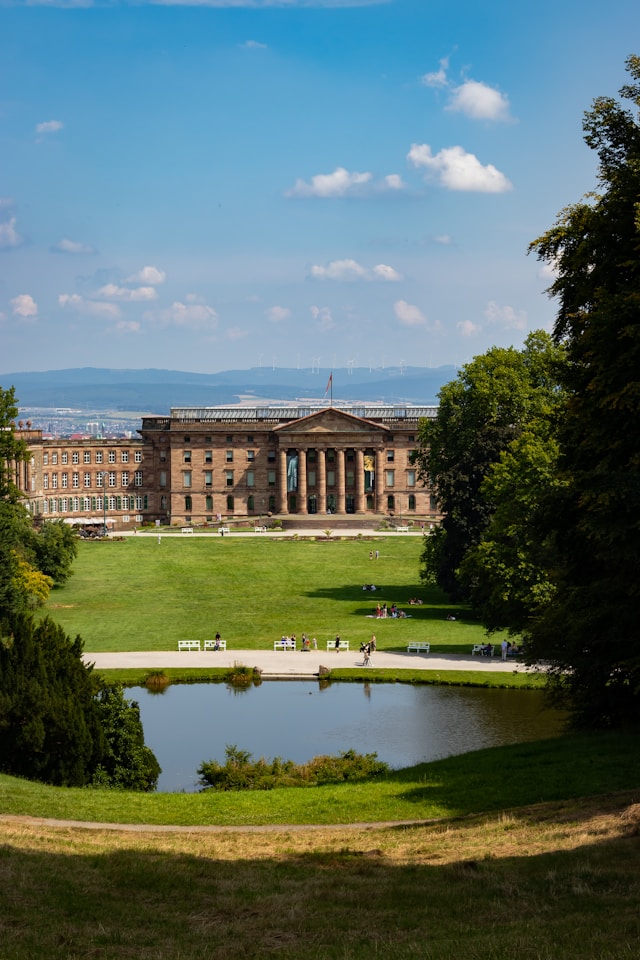
Wilhelmshöhe Palace
In Kassel, Germany .
More places to visit in Kassel
Discover more attractions and things to do in Kassel.
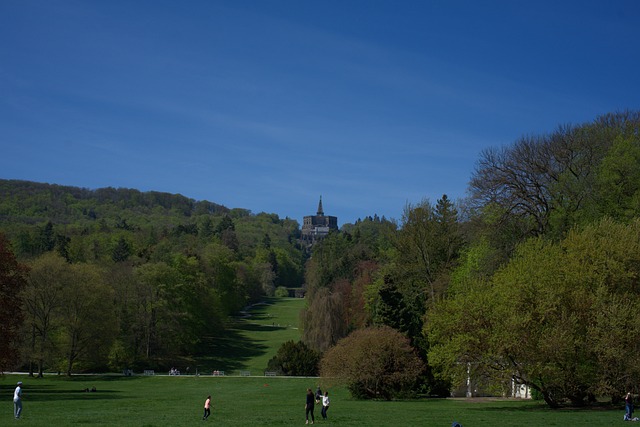
Bergpark Wilhelmshöhe
Bergpark Wilhelmshöhe is an expansive hillside park in Kassel, and a UNESCO World Heritage Site recognized for its monumental water features, cascades, and the iconic Hercules monument . The park covers around 2.4 square kilometers and is a beautiful mix of nature and art. Visitors can walk through the park's vast, wooded areas and admire its fountains and water features, particularly the impressive Great Cascade that operates without pumps using only gravity. At the top of the hill, the Hercules monument provides stunning panoramic views of Kassel and the surrounding landscape. The park's water displays , held Wednesdays and Sundays from May to October, are Europe's largest Baroque water theater. Hidden grottos along the cascades contain mythological statues that were originally painted in vibrant colors. The park's Löwenburg Castle was designed as a romantic ruin and contains a secret chapel with medieval relics. Bergpark Wilhelmshöhe represents over 300 years of landscape architecture evolution.
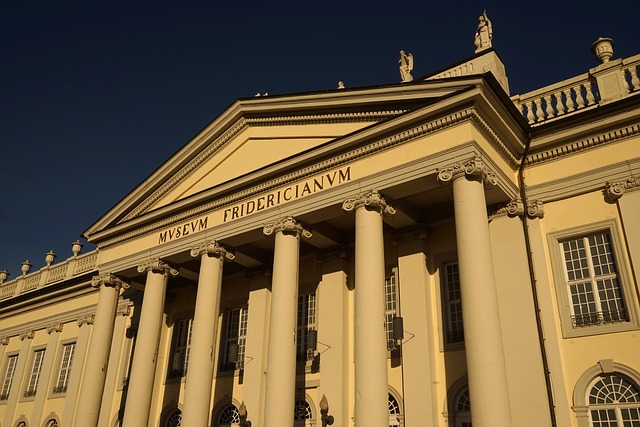
Fridericianum Museum
The Fridericianum Museum is one of the oldest public museums in Europe, dating back to 1779 . Located in the heart of Kassel, the museum is a central venue for the Documenta art exhibition held every five years. The museum's neoclassical facade was modeled after the Pantheon in Rome, symbolizing Enlightenment ideals. Inside, the Great Hall has hosted avant-garde installations since the 1950s, including works by Joseph Beuys. The building survived WWII bombing with its structural integrity intact, though much of its collection was lost. Today it focuses on contemporary art , with rotating exhibitions by international artists. The rooftop offers a 360-degree view of Kassel, especially dramatic during Documenta installations. The Fridericianum is not only an architectural gem but also a dynamic space that engages visitors with art and culture.
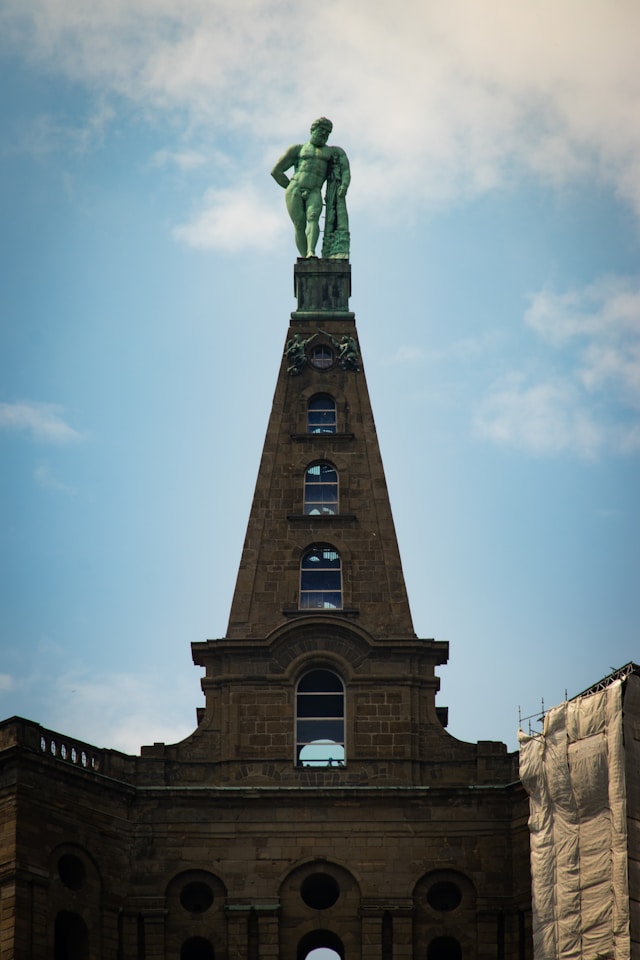
Hercules Monument
The Hercules Monument is one of the most recognizable landmarks of Kassel, standing 70 meters tall atop the Bergpark Wilhelmshöhe. This colossal copper statue of Hercules represents the hero from Greek mythology and symbolizes the power and dominance of nature. Constructed between 1701-1717 , the monument is part of a larger complex that includes waterworks, sculptures, and breathtaking views of the city. Climbing the monument's 256 steps provides panoramic views of Kassel, especially beautiful during sunset. The octagonal base contains allegorical statues representing the eight planets known in the 18th century. The monument's cascades were designed to symbolize Hercules' journey through the Twelve Labors , with water flowing through mythological scenes. Recent restorations revealed original gold leaf details on the statue that had been hidden for centuries. The Hercules Monument is a symbol of both Kassel's cultural heritage and its historical connection to mythology.
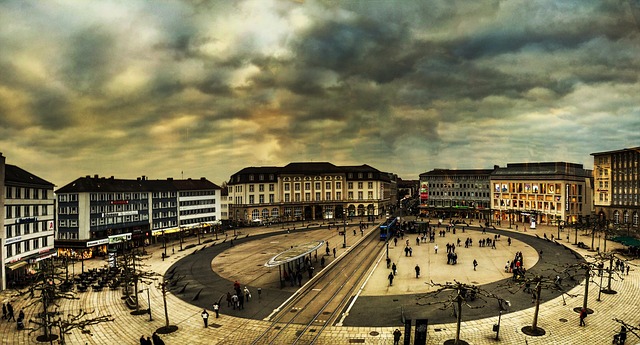
Königsplatz
Königsplatz is one of the central squares in Kassel, located in the heart of the city. Designed in 1767 by French architect Simon Louis du Ry, the square has long been a vital area for both locals and visitors. The square's obelisk , erected in 1803, commemorates Landgrave Friedrich II's military reforms. Surrounding buildings showcase Classical and Baroque styles, including the striking Palais Bellevue. The square was completely rebuilt after WWII, preserving its historical proportions while adding modern elements. Underground lies a nuclear bunker from the Cold War, now used for art installations. Königsplatz hosts the weekly farmers' market and annual Christmas market, continuing centuries-old traditions. This vibrant space where history, culture, and urban life converge makes it an excellent spot to explore the essence of Kassel.
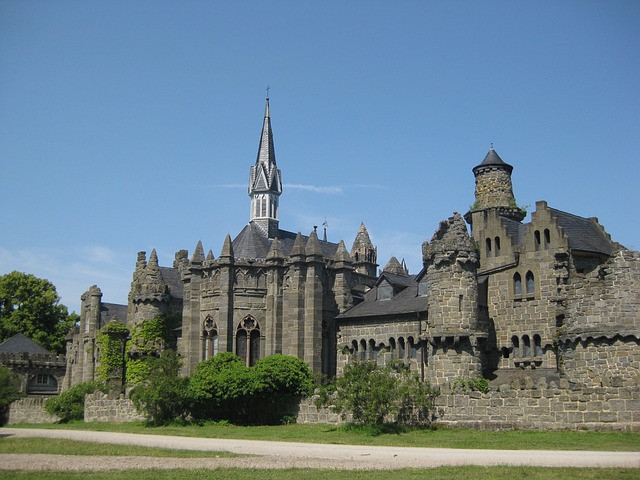
Löwenburg Castle
Löwenburg Castle is a stunning medieval-style castle located in the Bergpark Wilhelmshöhe, a UNESCO World Heritage Site in Kassel. Built between 1793-1801 by Landgrave Wilhelm IX, the castle is designed to resemble a ruin, with a picturesque and romantic appearance. The castle's armory hall contains one of Europe's most complete collections of medieval weapons and armor. Visitors can explore the Gothic chapel with its original stained glass and the Knights' Hall featuring heraldic decorations. The castle's tower offers breathtaking views of the surrounding park and is a great spot for photography. Underground vaults house the family crypt of the Landgraves, accessible only during special tours. Löwenburg was one of the first purpose-built romantic ruins in Europe, inspiring similar structures across the continent. Restoration work revealed hidden wall paintings depicting medieval tournaments.
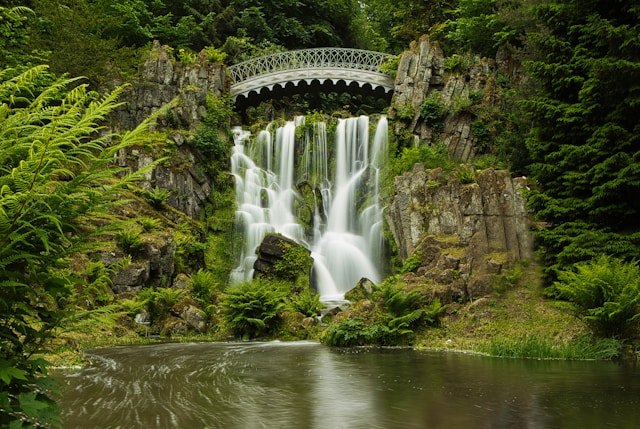
Nature Park Habichtswald
Nature Park Habichtswald is a protected natural area located just outside Kassel, known for its dense forests, picturesque walking trails, and diverse wildlife. Covering 47 square kilometers , it is a popular destination for outdoor enthusiasts who enjoy hiking, cycling, and birdwatching. The park is home to rare species like the black stork and wildcat, thriving in its undisturbed habitats. One of the park's highlights is the historic ruins of Schloss Waldeck , a former castle that offers panoramic views of the surrounding forest and valleys. The Dörnberg Nature Reserve within the park features unique basalt formations created by volcanic activity. Visitors can explore the Silbersee , an artificial lake formed in a former quarry, now a haven for amphibians. Nature Park Habichtswald is an ideal place to connect with nature and enjoy the peace of the outdoors, with over 200 km of marked trails.
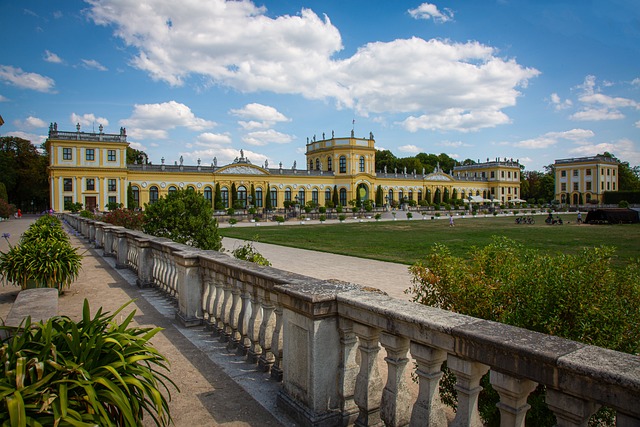
Orangerie Kassel
The Orangerie in Kassel is an 18th-century palace and one of the finest examples of Baroque architecture in the city. Originally built in 1703 as a winter residence for the landgraves of Hesse-Kassel, the Orangerie is now home to the city's botanical gardens. Visitors can stroll through the beautifully maintained gardens, which feature rare Mediterranean plants that were overwintered here. The building itself houses the Astronomical-Physical Cabinet with historic scientific instruments. The central hall contains a frescoed ceiling depicting the four seasons, recently restored to its original brilliance. The gardens' geometric parterres follow 18th-century French designs, using herbs and flowers mentioned in medieval texts. The Orangerie's combination of history, architecture, and nature makes it a peaceful and enchanting destination in Kassel. During summer concerts, the building's acoustics showcase its original purpose as a music venue.
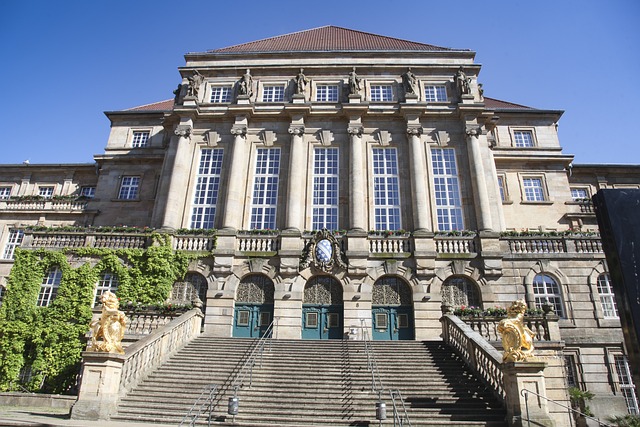
Rathaus Kassel
Rathaus Kassel, or the Town Hall of Kassel, is a remarkable building located in the city center. Completed in 1909 , this historical building is an excellent example of neo-Renaissance architecture . The Town Hall's clock tower stands 67 meters tall and contains a carillon that plays traditional Hessian melodies. Inside, the Council Chamber features intricate wood carvings depicting Kassel's history. The building survived WWII with only minor damage thanks to its reinforced concrete construction, innovative for its time. The facade's sandstone sculptures represent trade, justice, and civic virtues. Visitors can admire the building's grand facade and visit the nearby square, where cultural events and festivals are often held. The Rathaus Kassel is a great place to appreciate the city's architectural beauty and local culture, with guided tours available on weekdays.
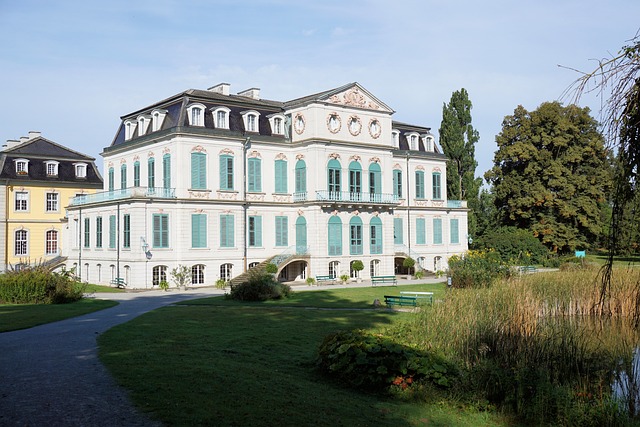
Schloss Wilhelmsthal
Schloss Wilhelmsthal is a stunning palace located in the hills near Kassel. Built between 1743-1761 in the Rococo style , the palace was designed as a summer residence for Landgrave Wilhelm VIII. The palace itself is a masterpiece of Baroque architecture, with opulent interiors by renowned stucco artist Johann August Nahl. Visitors can explore the palace's Mirror Cabinet , where walls covered in Venetian glass create infinite reflections. The gardens feature hidden follies and a temple dedicated to Apollo, aligning with Enlightenment ideals. The palace chapel contains an original 1754 organ that Mozart reportedly played during his visit. Schloss Wilhelmsthal is an ideal place for history lovers and those seeking to experience the grandeur of the past. Recent excavations uncovered a secret tunnel system used by royalty during political unrest.