
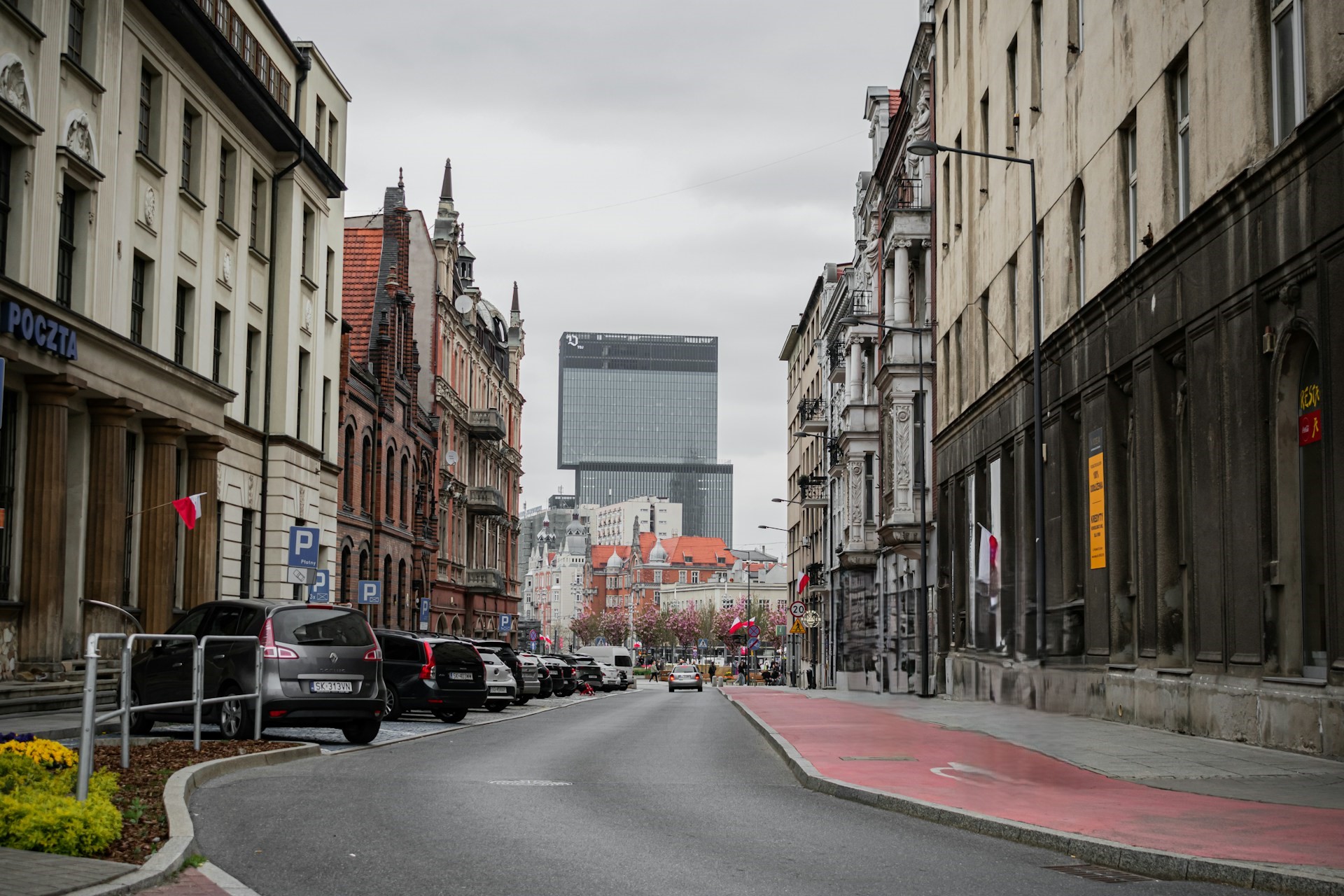
City view of Katowice, Poland

Katowice

Katowice, the heart of the Silesian Metropolis, is a city transformed from industrial roots into a thriving cultural and business hub. The cityscape features striking examples of modern architecture, including the UFO-shaped Spodek arena and the acclaimed NOSPR concert hall. Katowice's Silesian Museum, built on a former coal mine, presents the region's industrial and artistic evolution. Green spaces such as Silesian Park, one of Europe's largest city parks, offer leisure and cultural attractions, including a zoo and planetarium. The revitalized Nikiszowiec district showcases red-brick miners' homes and local crafts. Katowice is renowned for its vibrant music scene, from jazz to electronic, hosting major festivals year-round. Lesser-known is its extensive underground infrastructure, now used for events and art installations. Katowice also has an emerging café culture and tech industry, making it a model for urban renewal in Poland.

Top attractions & things to do in Katowice

If you’re searching for the best things to do in Katowice, this guide brings together the top attractions and must-see places to visit in Katowice. The top picks below highlight the most visited sights for first-time visitors, plus a few local favorites worth adding.

Cathedral of Christ the King in Katowice, Poland

Cathedral of Christ the King

The Cathedral of Christ the King stands as Poland’s largest cathedral, a monumental example of neoclassical architecture in the heart of Katowice. Completed in 1955 after decades of interrupted construction, the cathedral features soaring columns, an immense dome, and intricate mosaics. Its vast interior can accommodate thousands of worshippers, and the main altar is adorned with beautiful stained glass. The cathedral is also home to important religious relics and hosts major diocesan events. Hidden beneath its steps are crypts where prominent Silesian bishops are buried. A highlight for visitors is the opportunity to climb the dome for panoramic city views. The cathedral’s bells, some of the largest in Poland, are famous for their deep, resonant sound. The Cathedral of Christ the King is not only a spiritual center but also a testament to Katowice’s resilience and aspirations throughout turbulent history.
Ads place
Ads place
Ads place
Ads place
Ads place
Kosciuszko Park in Katowice, Poland

Kosciuszko Park

Kosciuszko Park is the green heart of Katowice, spanning more than 70 hectares and offering a welcome escape from urban bustle. The park features broad avenues, rose gardens, and a picturesque wooden church dating back to the 16th century. Joggers and cyclists share tree-lined paths with families and artists sketching by the ornamental ponds. A highlight is the observation tower, which provides stunning views over the city. Throughout the year, Kosciuszko Park hosts outdoor concerts, flower shows, and food festivals. Birdwatchers are delighted by the variety of native species that nest in its old-growth trees. The park’s rose garden is especially vibrant in summer, while in winter, the park transforms into a snowy wonderland for sledding and skating. A little-known fact is the presence of secret memorials dedicated to local heroes, tucked among the shrubbery. Kosciuszko Park is cherished by locals for its serenity and vibrant community spirit.
Ads place
Ads place
Ads place
Ads place
Ads place
Nikiszowiec in Katowice, Poland

Nikiszowiec

Nikiszowiec is Katowice’s most celebrated historic workers' district, renowned for its red-brick architecture and unique urban layout. Built in the early 20th century for miners and their families, the neighborhood features a striking ensemble of arcaded courtyards, ornate facades, and charming squares. The district’s heart is the imposing Church of St. Anne, surrounded by bustling bakeries and artisan shops. Nikiszowiec's community spirit is legendary—local festivals, art fairs, and open-air concerts fill its streets throughout the year. Visitors are often drawn to the Gallery Szyb Wilson, a modern art space inside a former coal mine. A little-known fact is that Nikiszowiec was used as a filming location for several acclaimed Polish movies. Guided tours reveal hidden courtyards and the fascinating history of its resilient inhabitants. Today, the district stands as a living monument to Silesian heritage, creativity, and a strong sense of belonging.
Ads place
Ads place
Ads place
Ads place
Ads place
Silesian Museum in Katowice, Poland

Silesian Museum

The Silesian Museum is an award-winning complex built on the site of a former coal mine, symbolizing Katowice’s transformation from industrial center to cultural capital. Its underground galleries display an outstanding collection of Polish art, regional history, and modern design. Glass shafts rise above ground, blending old mining infrastructure with cutting-edge architecture. The museum explores the story of Silesia through immersive exhibitions on industrial heritage, ethnography, and local legends. The museum’s observation tower offers panoramic views of Katowice and its evolving skyline. A little-known feature is the preserved mining tunnels, now part of the museum’s educational tours. Interactive workshops and family programs make it popular with all ages. At night, the illuminated site becomes a gathering place for open-air events and art installations. The Silesian Museum is a must-visit for anyone curious about the region’s past and its creative present.
Ads place
Ads place
Ads place
Ads place
Ads place
Spodek Arena in Katowice, Poland

Spodek Arena

The iconic Spodek Arena is Katowice’s most recognizable landmark, famous for its futuristic, UFO-like design. Opened in 1971, Spodek hosts a variety of major concerts, sporting events, and international conferences. Its vast, circular roof was an engineering marvel of its time and remains a symbol of the city’s modern aspirations. The arena can seat over 11,000 spectators, and has welcomed legendary performers from around the globe. The area surrounding Spodek is now a lively cultural precinct, featuring skateparks, public art installations, and innovative light displays. Many visitors are surprised to learn that Spodek’s design required special technology to withstand Silesia’s mining subsidence. Backstage tours offer a glimpse into the arena’s impressive logistics and technical systems. Spodek’s illuminated silhouette is especially breathtaking at night, making it a must-see for architecture lovers and anyone interested in Katowice’s dynamic cultural life.
Ads place
Ads place
Ads place
Ads place
Ads place