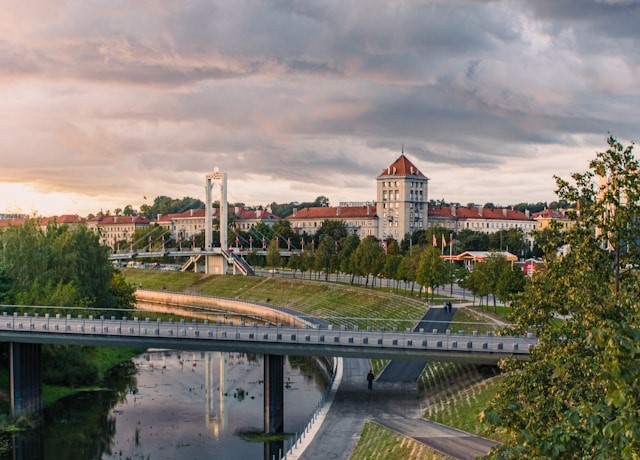
City view of Kaunas, Lithuania

Kaunas

Kaunas is Lithuania’s wild child—a river city bursting with creativity, interwar Modernist facades, and street art that could make even Banksy jealous. Life here flows between the Nemunas and Neris rivers, where locals bike leafy promenades and summer brings boat parties and open-air jazz under the stars. The quirky Devil’s Museum, full of horned mischief, proves Kaunas doesn’t take itself too seriously. Wander the cobbled Old Town, savor honey-sweet spurgos, and join the lively student crowd for a basketball game—the sport here is practically a religion. Kaunas Castle keeps watch over a city that reinvents itself with every season, from street festivals to epic mural projects. Theaters and art galleries buzz with new ideas, and every corner seems to hide a hidden cafe or record shop. If you love a city that never sits still, Kaunas is where the unexpected is part of everyday life.

Top attractions & things to do in Kaunas

If you’re searching for the best things to do in Kaunas, this guide brings together the top attractions and must-see places to visit in Kaunas. The top picks below highlight the most visited sights for first-time visitors, plus a few local favorites worth adding.

Aleksotas Observation Deck in Kaunas, Lithuania

Aleksotas Observation Deck

For the city’s best panoramic view, head to the Aleksotas Observation Deck, perched atop the right bank of the Nemunas River. The deck provides a sweeping vista over Old Town’s rooftops, castle towers, and the modern skyline, with sunsets that paint the sky in unforgettable colors. A vintage funicular railway, operating since 1935, carries visitors up the hill—a nostalgic journey through Kaunas’ history. The spot is a favorite for photographers, romantics, and city explorers, especially during festivals when fireworks light up the sky. Local guides enjoy sharing tales of wartime signalmen who once used the hilltop for vital communications. Aleksotas is a popular gathering place year-round, symbolizing where Kaunas’ history and horizons meet in one breathtaking view. No visit to the city is complete without taking in this iconic panorama. The nearby Aleksotas Bridge is also a great spot for evening strolls, connecting both sides of the city.
Ads place
Ads place
Ads place
Ads place
Ads place
Church of the Resurrection of Christ in Kaunas, Lithuania

Church of the Resurrection of Christ

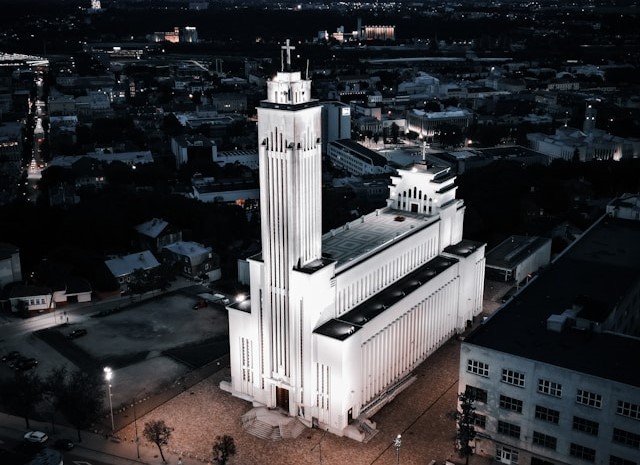
Rising dramatically above Kaunas, the Church of the Resurrection of Christ is a monument to hope, endurance, and modernist ambition. Conceived in the 1930s as the largest basilica in the Baltics, construction was halted by World War II and decades of Soviet occupation. Only after 1990 was the dream finally realized, making its completion a powerful symbol of national rebirth. The tower, crowned by a gleaming cross, rises 70 meters above the city. Visitors can ascend to the rooftop terrace for a breathtaking panoramic view stretching across the Neris River and the old town. The minimalist white interior creates a serene space for prayer, while the nave can accommodate over 5,000 people. Today, the church is both a place of worship and a cultural venue, hosting concerts and exhibitions. Its story mirrors the resilience and revival of Kaunas itself. Architectural enthusiasts are often amazed by the symmetry and clean lines of its modernist design.
Ads place
Ads place
Ads place
Ads place
Ads place
Devils' Museum in Kaunas, Lithuania

Devils' Museum

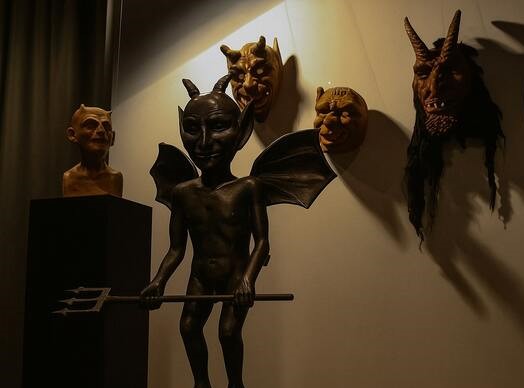
Nowhere else in the world boasts a collection quite as quirky as the Devils' Museum, home to over 3,000 devil sculptures and artifacts from across the globe. Established by artist Antanas Zmuidzinavicius in 1966, the museum is a playful celebration of Lithuanian folklore, art, and the supernatural. Each devil has a story—some mischievous, some wise, many crafted from wood, ceramics, or even cookies. The museum’s renowned “Political Devils” section even caricatures world leaders with horns, providing insight into history and satire. Interactive exhibits make it a favorite stop for families and solo travelers alike, while engaging tours draw visitors into the country’s unique relationship with superstition. The museum’s ambiance challenges every guest to see the world’s “little devils” with a wink and a sense of humor. Don’t miss the gift shop for truly original souvenirs. Even during city festivals, special devil-themed workshops invite kids and adults to create their own folk art inspired by this unique tradition.
Ads place
Ads place
Ads place
Ads place
Ads place
Kaunas Castle in Kaunas, Lithuania

Kaunas Castle

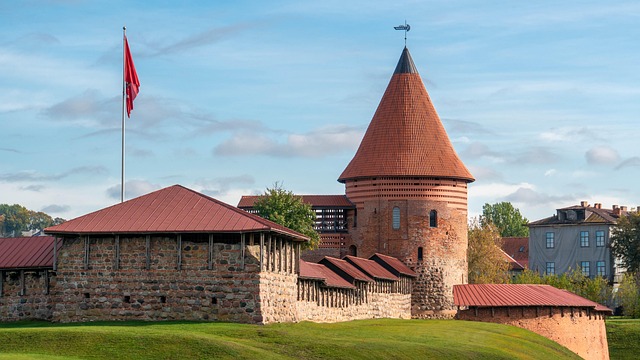
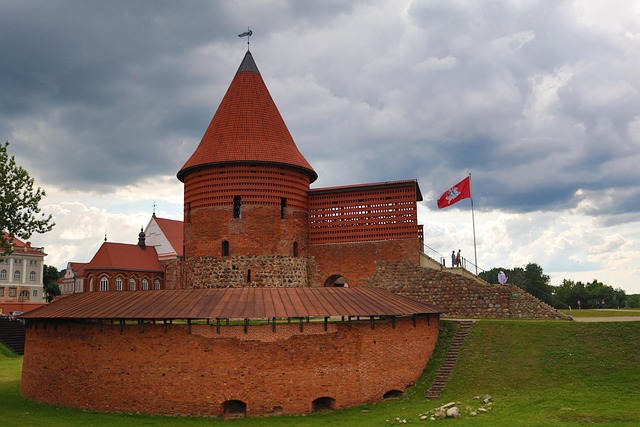
Few places in Lithuania evoke the romance of medieval legends quite like the centuries-old fortress rising above the confluence of the Nemunas and Neris rivers. Built in the 14th century to fend off the Teutonic Knights, Kaunas Castle features thick red-brick walls, fairy-tale towers, and underground chambers that have sparked local ghost stories. Each spring, the castle grounds transform for the vibrant Kaunas City Days festival, where open-air concerts and artisan fairs fill the air with energy. Inside, a museum uncovers archaeological finds and tales of epic battles. Sunset views from the ramparts stretch to the green heart of the Old Town, making it a photographer’s dream. The castle’s silhouette is so iconic, it appears on coins and countless travel guides. Modern visitors will find that this fortress is not just a relic, but a living symbol of Kaunas’ resilience, heritage, and ever-adventurous spirit. Throughout the year, various educational programs invite both locals and tourists to step into the shoes of medieval knights and experience the legends firsthand.
Ads place
Ads place
Ads place
Ads place
Ads place
Kaunas Town Hall in Kaunas, Lithuania

Kaunas Town Hall

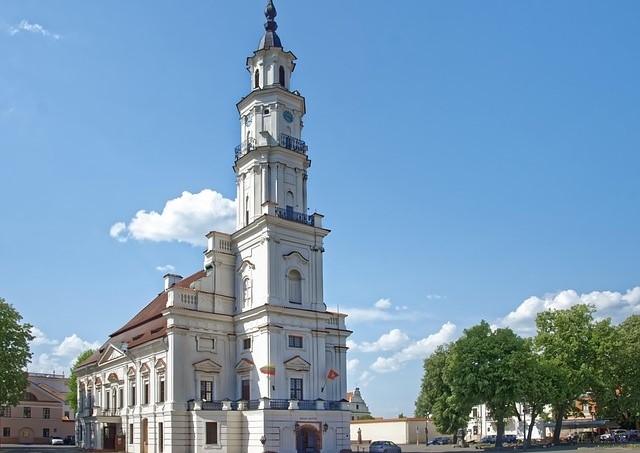
Nicknamed the “White Swan,” Kaunas Town Hall stands elegantly in the heart of Old Town, blending Baroque and Gothic styles. Built in the 16th century, its slender 53-meter tower and ornate stucco have witnessed coronations, royal visits, and even trials for witchcraft. Today, the hall hosts the city’s Ceramics Museum and is a sought-after venue for weddings, where couples pose on the grand steps for timeless photos. Outside, the Town Hall Square fills with markets, concerts, and twinkling Christmas lights in winter. Locals say the tower’s bells can be heard all the way to the Nemunas on festive nights. The Town Hall is a living monument, reflecting Kaunas’ ever-changing fortunes, communal life, and enduring architectural beauty. During city celebrations, the square transforms into a hub of music, dance, and community spirit.
Ads place
Ads place
Ads place
Ads place
Ads place
Laisves Aleja (Liberty Avenue) in Kaunas, Lithuania

Laisves Aleja (Liberty Avenue)

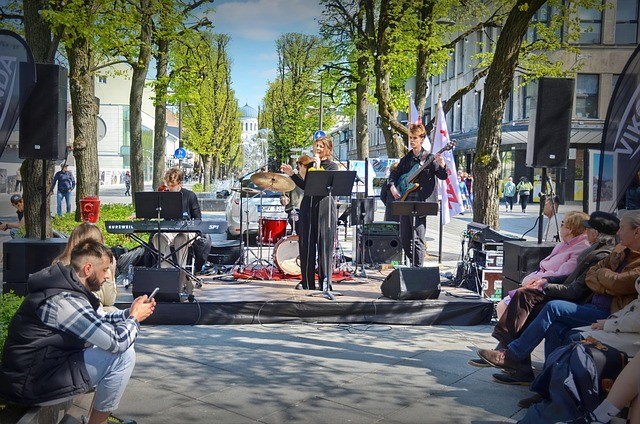
The vibrant soul of Kaunas pulses along Laisves Aleja, a 1.6-kilometer pedestrian boulevard famed for its linden trees, elegant Art Deco facades, and lively outdoor cafes. Constructed in the late 19th century, this avenue is where locals celebrate, protest, and stroll through every season. It is the longest car-free street in Eastern Europe, and during weekends it transforms into a stage for musicians, performers, and bustling festivals. Iconic landmarks such as the Statue of Vytautas the Great and beautifully restored interwar buildings line the street, while boutique shops entice passersby with Lithuanian fashion and amber jewelry. Laisves Aleja has witnessed revolutions, rallies, and everyday joys, its paving stones echoing the city’s resilient spirit. Whether you’re savoring a gelato, people-watching at sunset, or exploring historic cinemas, every journey in Kaunas eventually leads to this ever-changing, vibrant artery. It’s the heartbeat of the city. In spring, the avenue bursts into bloom and open-air art exhibitions bring even more color to the lively scene.
Ads place
Ads place
Ads place
Ads place
Ads place
Old Town (Senamiestis) in Kaunas, Lithuania

Old Town (Senamiestis)

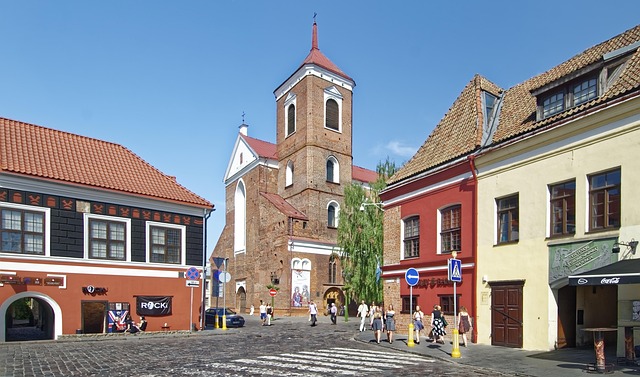
Kaunas Old Town, locally known as Senamiestis, is a captivating labyrinth of cobblestone streets, colorful facades, and centuries of living history. At its heart is the lively Town Hall Square, where locals gather for open-air markets, music festivals, and vibrant events throughout the year. The area boasts remarkable Gothic, Renaissance, and Baroque architecture, including the red-brick St. George the Martyr Church and the imposing Kaunas Castle. Centuries-old cafés and artisan boutiques fill buildings dating back to the 15th century, while hidden courtyards and alleyways encourage exploration. At night, lanterns illuminate the old city, and jazz melodies drift from clubs. For generations, Senamiestis has welcomed traders, artists, and revolutionaries, shaping the unique character and enduring spirit of Kaunas. Street performers and art installations regularly surprise visitors, ensuring there’s always something new to discover.
Ads place
Ads place
Ads place
Ads place
Ads place
Pazaislis Monastery and Church in Kaunas, Lithuania

Pazaislis Monastery and Church

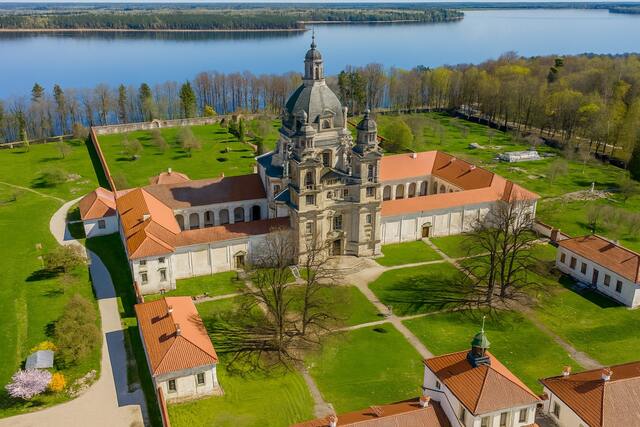
Widely considered Lithuania’s baroque masterpiece, Pazaislis Monastery lies just outside Kaunas, surrounded by tranquil forests and the reflective waters of the Kaunas Lagoon. Built in the late 17th century by Italian masters, the complex features intricate frescoes, marble altars, and twin towers reaching for the sky. The monastery’s annual music festival transforms its sacred halls with world-class performances, drawing music lovers from across the Baltics. Guided tours uncover secret chambers and share stories of Camaldolese monks who once called this sanctuary home. The peaceful courtyards invite reflection and relaxed picnics, while the site also serves as a popular filming location for international movies. Pazaislis is a sanctuary for culture, beauty, and tranquility—one where inspiration, spirituality, and artistry coexist. No visit to Kaunas is complete without seeing this baroque jewel. Its bell tower offers panoramic views of the surrounding landscape, making it a hidden gem for photographers.
Ads place
Ads place
Ads place
Ads place
Ads place
St. Michael the Archangel Church in Kaunas, Lithuania

St. Michael the Archangel Church

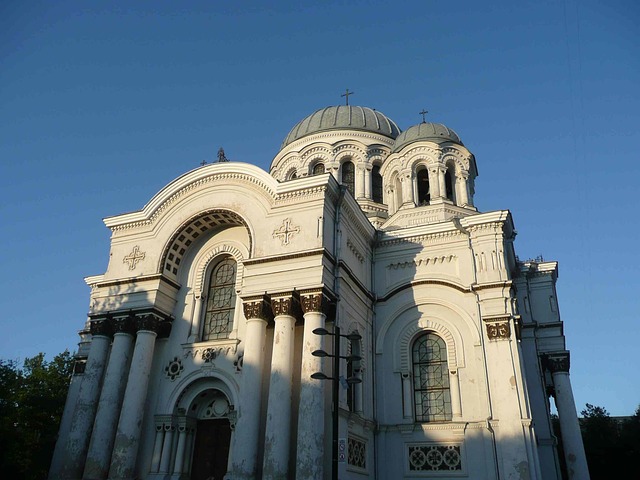
Rising majestically above the city’s central boulevard, St. Michael the Archangel Church—locally called the Garrison Church—is a triumph of Neo-Byzantine architecture, completed in 1895 for the Russian Imperial Army. Its five grand domes glisten in the sunlight, offering a striking contrast to the urban landscape of Kaunas. Inside, the soaring pillars and intricately painted vaults have witnessed many chapters in Kaunas' history, from occupations to moving celebrations of Lithuanian independence. The church’s crypt now hosts fascinating art exhibitions and unique cultural events, making it a bridge between spiritual heritage and creative energy. Local legends even tell of secret tunnels beneath the church, adding an air of mystery. With its prime location at the end of Laisves Aleja, this church remains a powerful symbol of faith and perseverance. Visitors and locals alike find solace here, surrounded by centuries of art and prayer. The church is also a gathering place during national holidays, where the sounds of choral music often fill the grand interior.
Ads place
Ads place
Ads place
Ads place
Ads place
Vytautas the Great War Museum in Kaunas, Lithuania

Vytautas the Great War Museum

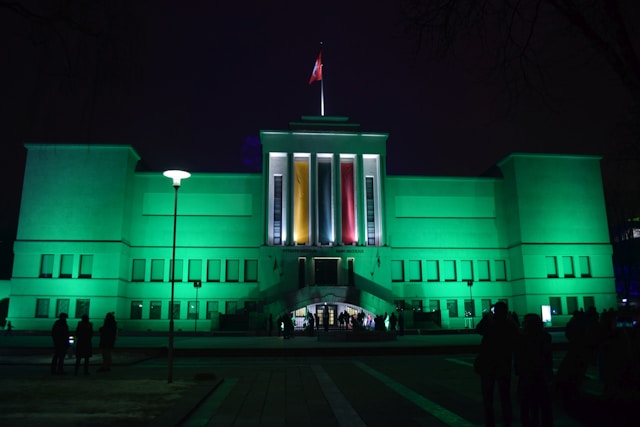
The Vytautas the Great War Museum is a must for history lovers, located in a monumental interwar building dating from 1936. Named for Vytautas the Great, the museum chronicles Lithuania’s military past from medieval times to today. Fascinating exhibits cover the Grand Duchy of Lithuania, independence movements, and both World Wars. Visitors can explore collections of swords, uniforms, medals, and legendary fighter planes from the interwar period. Outside, the Statue of Liberty and the Eternal Flame commemorate the country’s resilience and struggle for freedom. Special exhibitions and live historical re-enactments bring the past to life for visitors of all ages. A visit here uncovers powerful stories of heroism, patriotism, and the ongoing journey of Lithuanian identity—making the museum an essential stop for anyone exploring Kaunas. The peaceful museum garden features sculptures and a carillon that plays national songs every midday.
Ads place
Ads place
Ads place
Ads place
Ads place