
City view of Kezmarok, Slovakia

Kezmarok

Kezmarok enjoys a castle that looks like a confident neighbor rather than a museum scold. The wooden articular church nearby defies expectations with timber joinery that turns carpentry into acoustics. Book lovers follow the footsteps of scholars who kept a lively printing tradition humming in these streets. Cafes serve poppy seed pastries dusted like first snow, and the Tatras linger on the horizon as a polite invitation. Markets fill the square with crafts that prioritize utility, spoons shaped by hands that cook. Travelers borrow canoes for the Dunajec gorge and return with cheeks kissed by wind. Quirk that charms everyone, a local festival stages a parade of bicycles dressed as historical characters and children ride them seriously, as if time travel were a weekend sport. Kezmarok answers with a straight face and a wink, which turns out to be a satisfying civic personality.

Top attractions & things to do in Kezmarok

If you’re searching for the best things to do in Kezmarok, this guide brings together the top attractions and must-see places to visit in Kezmarok. The top picks below highlight the most visited sights for first-time visitors, plus a few local favorites worth adding.

Basilica of the Holy Cross and Bell Tower in Kezmarok, Slovakia

Basilica of the Holy Cross and Bell Tower

The parish church gathers light with practiced ease, a Late Gothic composition that keeps drama and discipline in friendly balance. Construction advanced through the 14th century, and restorations respected the original Gothic grammar—pointed arches, clean ribs, and altars that teach by presence rather than noise. A freestanding belfry beside it, dated to 1591, brings a measured Renaissance accent and once served as the town’s fire watch. Painted panels in side chapels are sometimes linked to the circle of Master Paul of Levoca, a cautious attribution locals repeat with justified pride. Stone portals carry mason marks like signatures; a worn baptismal font has been polished by centuries of fingertips. During rehearsal, the organ finds a chord that rides the vaults and returns as agreement, not echo. Step outside and the tower’s clock reminds everyone to share minutes politely—a small civic virtue written in brass and habit. The pair reads as one story: persistence trimmed to good proportions.
Ads place
Ads place
Ads place
Ads place
Ads place
Evangelical Lyceum and Historic Library in Kezmarok, Slovakia

Evangelical Lyceum and Historic Library

Education has long been Kezmarok’s second religion, and the Evangelical Lyceum shows why. The school’s roots reach to the 16th century, when a town of merchants invested in classrooms as carefully as in warehouses. Its historic library—often cited with holdings in the tens of thousands, including incunabula—keeps chained volumes, probate ledgers, and marginalia that turn students into time travelers. A chapter on printing in the 17th century explains how pamphlets moved ideas along the same routes as cloth and salt. Cabinets display scientific instruments and notebooks that read like experiments conducted with a town’s full attention. The reading room’s timber ceiling and long tables still expect concentration; curators mind humidity, light, and handling with archivist calm. Biographies of alumni map careers across the Habsburg lands, showing how a small school exported skills as policy. Stand in the corridor and you can almost hear recitations through doors—grammar, geometry, and ethics braided into one timetable. The building proves that learning is durable infrastructure.
Ads place
Ads place
Ads place
Ads place
Ads place
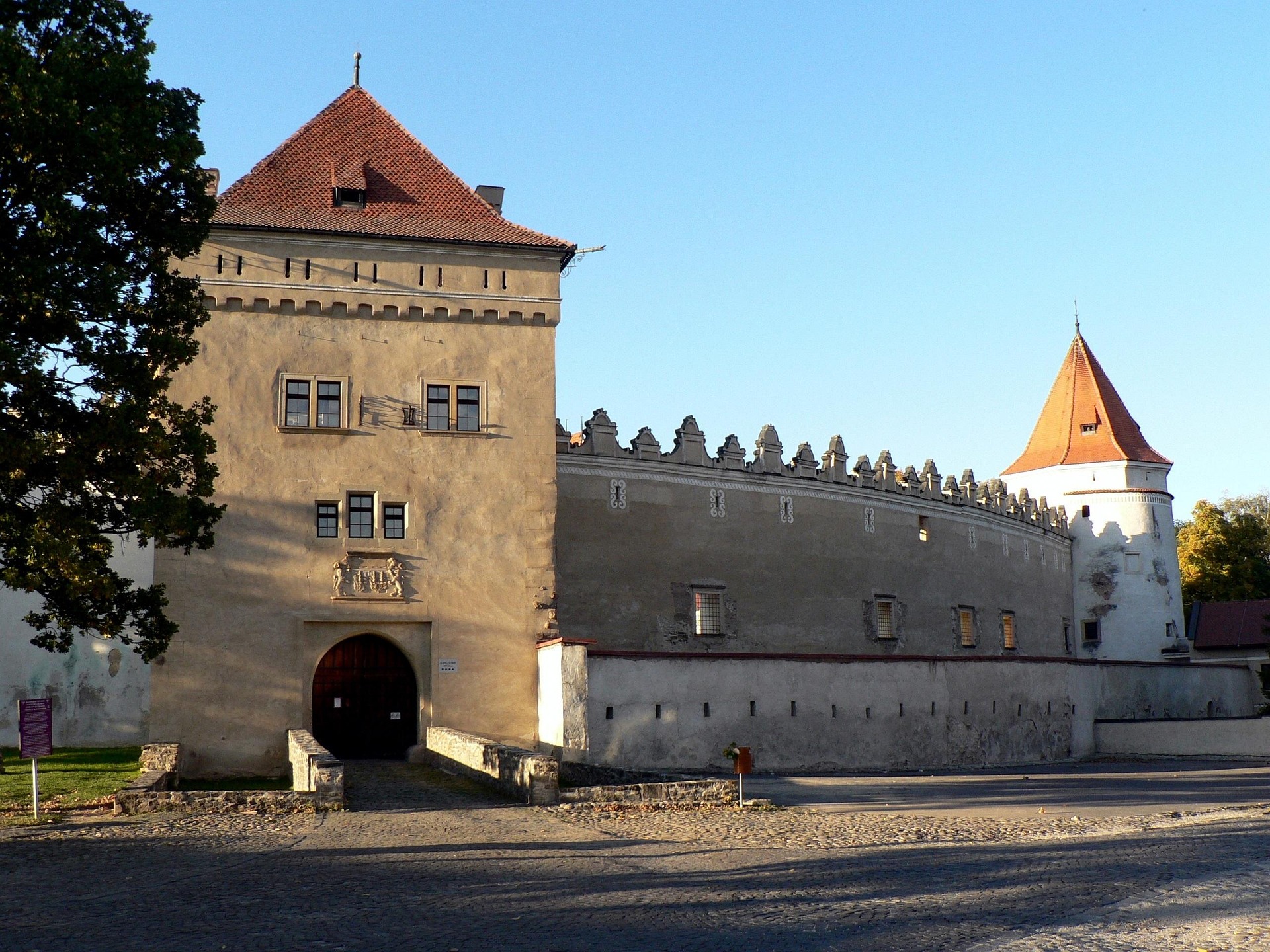
Kezmarok Castle in Kezmarok, Slovakia

Kezmarok Castle

A short rise from the square brings you to a squat, confident fortress that later learned the manners of a townhouse. The castle took on its recognizable form in the 15th century, when burghers and nobles fortified a monastery site, then layered in Renaissance comforts around a bright arcaded court. Inside, the town museum arranges armor, guild pieces, and maps so siege and everyday life sit side by side. A chapel recalls the town’s long Lutheran–Catholic dialogue, while exhibits nod to Imre Thokoly, the rebel prince whose story braids Kezmarok into regional politics. Walk the bastions and you will see how gunports and angled walls taught stone to speak the new language of artillery. Conservation in the 20th century stabilized vaults and kept tool marks visible, choosing clarity over cosmetic gloss. From the ramparts the High Tatras appear as pale judges on the horizon; from the courtyard, timber stairs and galleries turn history into choreography. It feels less like a relic than a school for reading buildings.
Ads place
Ads place
Ads place
Ads place
Ads place
New Evangelical Church and Thokoly Mausoleum in Kezmarok, Slovakia

New Evangelical Church and Thokoly Mausoleum

A few paces from the wooden sanctuary stands a confident younger neighbor whose silhouette surprises first-time visitors. Completed in 1898, the New Evangelical Church blends Eclectic and Moorish Revival cues into a bright hall where cast-iron columns hold a floating gallery and daylight arrives like a soft instrument. At the side rests the mausoleum of Imre Thokoly, the anti-Habsburg leader whose remains were brought home from exile, giving the church a political footnote wrapped in devotion. The interior’s polychrome is disciplined rather than loud, and a well-kept organ turns concerts into neighborhood events. Look closely at brick patterns and glazed details that handle light with quiet pride, and at plaques that tell the story with dates, not slogans. Services share the calendar with music, exhibitions, and school events, so the building behaves like a civic salon. Step outside and the pairing with the wooden church becomes clear: two centuries, two styles, one congregation that understands continuity.
Ads place
Ads place
Ads place
Ads place
Ads place
Wooden Articular Church in Kezmarok, Slovakia

Wooden Articular Church

From the outside it looks almost modest, but step in and timber turns into theatre: a cool, resin-scented hush, galleries stacked like ship decks, and paint that pretends wood is stone. Built in 1717 under strict “articular” rules, the church was erected entirely from wooden elements, traditionally without iron nails, and finished with astonishing speed. Baroque painters gave the ceiling a false architecture that still fools the eye, while a compact organ lifts hymn lines into the rafters. Seating approaches 1,500, proof that a frontier town could marshal skill and community at scale. The building forms part of the Carpathian wooden churches inscribed by UNESCO in 2008, yet it remains a living sanctuary rather than a stage set. Look for inscriptions that read like ledger notes from carpenters, and for doors whose hinges are clever joinery in disguise. Across the yard stands the newer Lutheran church, turning the ensemble into a conversation between centuries. Leave quietly; the floorboards remember every step.
Ads place
Ads place
Ads place
Ads place
Ads place