
City view of Klaipeda, Lithuania

Klaipeda

Klaipeda is Lithuania’s salty, sassy port city, where the Baltic Sea breezes ruffle every hairstyle and old half-timbered warehouses tell tales of sailors and smugglers. Watch ferries glide to the Curonian Spit or explore the cobblestone Theater Square, where bronze mice and mythical mermaids lurk in plain sight. Klaipeda’s Sea Festival is legendary: fireworks, folk music, and a parade of pirates fill the city with laughter. Its German heritage peeks through in beer halls and hearty breads, while new craft breweries and lively beach bars keep things fresh. Sculpture parks, seagulls, and Baltic sunsets are daily delights. Even in winter, Klaipeda charms with steaming fish soup and hot chocolate by the docks. University students add energy and creativity, while the dunes and beaches promise summer adventures. This is a city where the horizon always calls and life is better with a bit of sea spray.

Top attractions & things to do in Klaipeda

If you’re searching for the best things to do in Klaipeda, this guide brings together the top attractions and must-see places to visit in Klaipeda. The top picks below highlight the most visited sights for first-time visitors, plus a few local favorites worth adding.

Curonian Spit National Park in Klaipeda, Lithuania

Curonian Spit National Park

A UNESCO World Heritage Site, the Curonian Spit is a spectacular natural wonder stretching for almost 100 kilometers between Klaipeda and the Russian exclave of Kaliningrad. This slender sand dune peninsula is famous for its shifting dunes, unique flora and fauna, and ancient fishing villages. The park preserves remarkable biodiversity, with rare species like the natterjack toad and the white-tailed eagle calling it home. Wooden walking paths wind through pine forests, marshes, and open sands, leading to breathtaking lookout points. The area is steeped in legend, including tales of the giantess Neringa, who is said to have formed the spit with her apron. The fishing village of Nida, with its traditional wooden cottages, is a popular gateway to exploring the park. The Curonian Spit is an essential destination for anyone seeking the wild beauty and tranquil mystery of Lithuania’s coast.
Ads place
Ads place
Ads place
Ads place
Ads place
Klaipeda Castle Museum in Klaipeda, Lithuania

Klaipeda Castle Museum

Hidden beneath modern ramparts, the Klaipeda Castle Museum reveals the city’s medieval roots. Originally built by the Teutonic Knights in the 13th century, the castle was a key stronghold at the crossroads of trade and conquest. Its strategic location on the banks of the Dane River made it a focal point during numerous conflicts, including the wars with Sweden and Russia. Archaeological excavations in the late 20th century uncovered ancient walls, towers, and mysterious artefacts, many of which are now on display. The museum’s exhibitions bring to life the stories of knights, merchants, and townsfolk who shaped Klaipeda’s destiny. Interactive displays allow visitors to try on armour and explore reconstructed chambers. Special events, such as medieval fairs and night tours, offer a unique glimpse into the past. Klaipeda Castle Museum is not just about history—it’s about rediscovering the origins of the city itself.
Ads place
Ads place
Ads place
Ads place
Ads place
Lithuanian Sea Museum in Klaipeda, Lithuania

Lithuanian Sea Museum

Located in a historic 19th-century fortress at the tip of the Curonian Spit, the Lithuanian Sea Museum is both an architectural and cultural treasure. The museum’s diverse exhibits include aquariums showcasing native and exotic marine life, detailed ship models, and engaging displays on maritime history. A highlight is the dolphinarium, where visitors can watch dolphin and sea lion shows that delight all ages. The fortress itself once guarded the entrance to Klaipeda’s harbor and is now beautifully restored. Special exhibitions trace the evolution of navigation, fishing, and trade in the Baltic region. The museum actively participates in marine research and conservation, and regularly hosts educational programs for children. Accessible by ferry from the city center, the Lithuanian Sea Museum is a unique blend of history, science, and entertainment—a place where the stories of the sea truly come alive.
Ads place
Ads place
Ads place
Ads place
Ads place
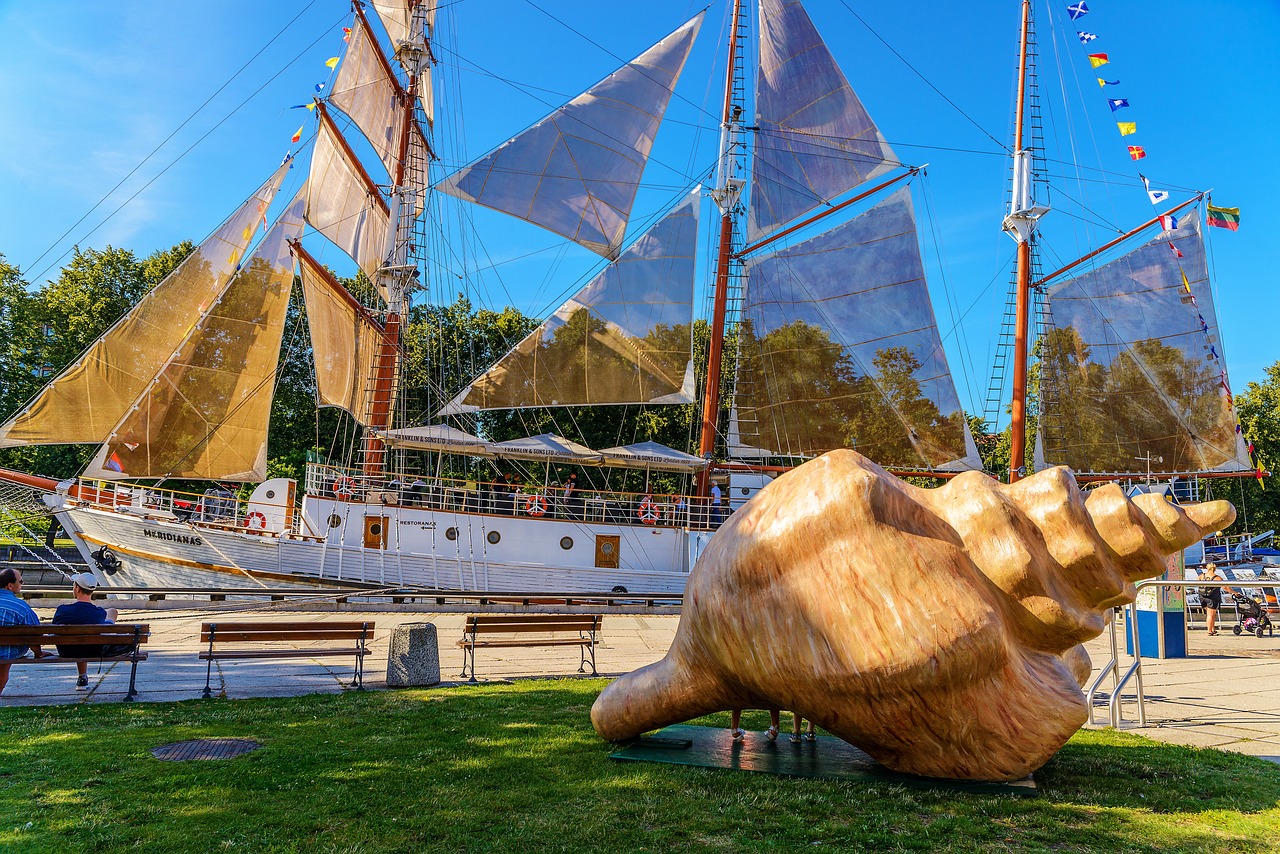
Meridianas Sailing Ship in Klaipeda, Lithuania

Meridianas Sailing Ship

Moored on the Dane River, the Meridianas sailing ship is one of Klaipeda’s most recognizable landmarks. Built in 1948 in Finland, this classic schooner once served as a training vessel for Lithuanian maritime students. After years of neglect, it was meticulously restored and now functions as a floating restaurant and cultural venue. The elegant white sails and traditional wooden decks evoke Klaipeda’s proud seafaring heritage. At night, the ship is illuminated, reflecting in the water and adding magic to the riverbank. The Meridianas often hosts art exhibitions, music performances, and city events. Its restoration was a community-driven project, symbolizing local pride and perseverance. For many, the ship represents Klaipeda’s enduring connection to the Baltic Sea and its centuries-old maritime traditions. Taking a walk along the river to see the Meridianas is a ritual for both residents and visitors alike.
Ads place
Ads place
Ads place
Ads place
Ads place
Theatre Square in Klaipeda, Lithuania

Theatre Square

The heart of Klaipeda’s Old Town beats strongest in Theatre Square, a lively gathering place surrounded by charming historical facades. At the square’s center stands the statue of Annchen von Tharau, inspired by a famous 17th-century poem and beloved by locals. The square is flanked by the Klaipeda Drama Theatre, which traces its roots back to 1820 and remains a cultural hub for the region. Colourful market stalls and street performers regularly enliven the area, especially during the annual Sea Festival each summer. Cobblestone paths and decorative lamp posts create an inviting atmosphere for both day and evening strolls. In winter, the square transforms with lights and festivities. Theatre Square has witnessed many historical events, from royal visits to independence celebrations, making it a true symbol of the city’s dynamic history. It’s the perfect starting point for exploring Klaipeda’s unique blend of cultures.
Ads place
Ads place
Ads place
Ads place
Ads place