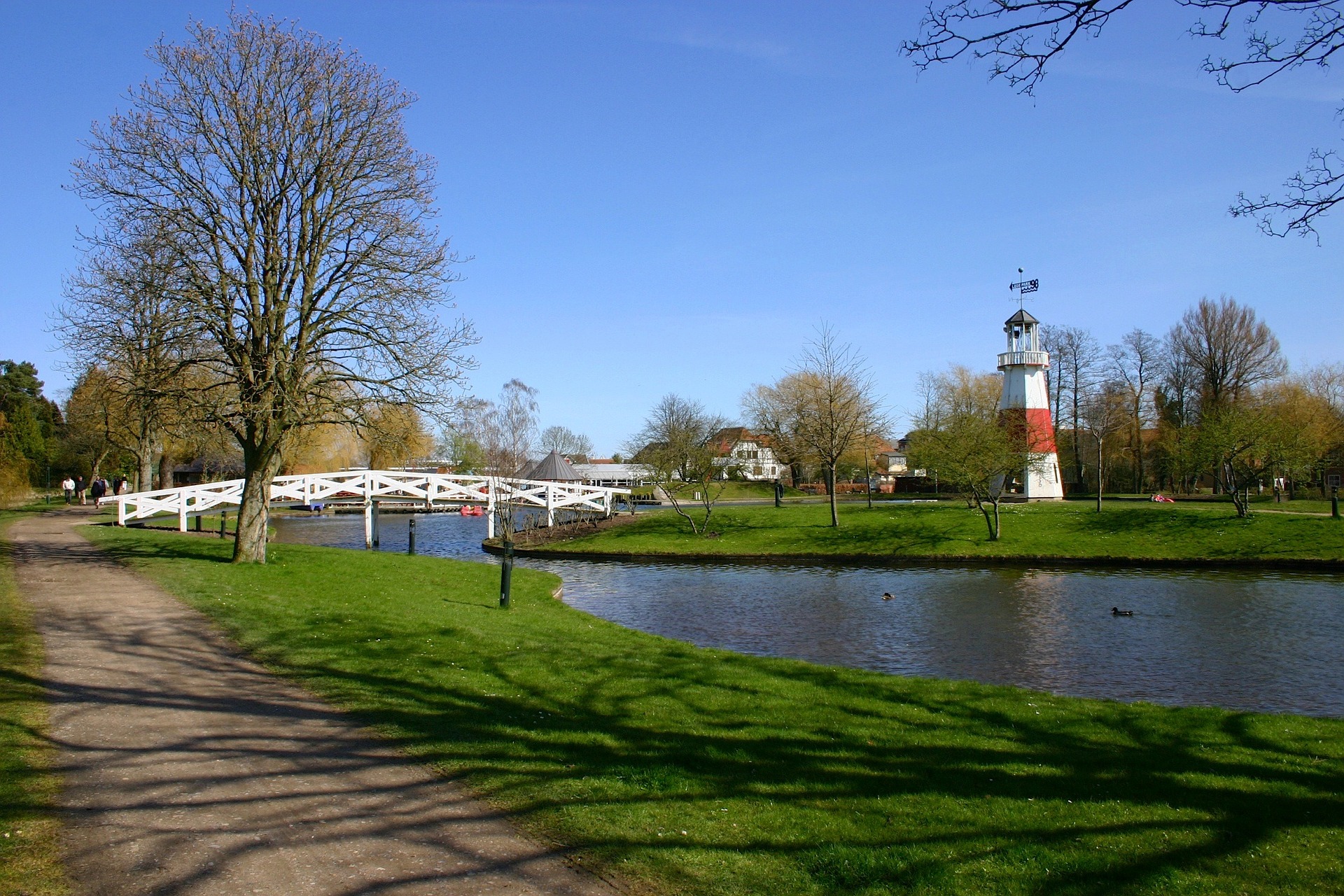

City view of Kolding, Denmark

Kolding

Kolding is a charming city in southern Denmark known for its rich history and cultural attractions. The city's most iconic landmark is Koldinghus Castle, a historic fortress that has been beautifully restored and now functions as a museum. The castle offers exhibits on Danish history and serves as a venue for art and cultural events. Kolding is also home to the Trapholt Museum, one of Denmark's leading museums of modern art and design. The city's scenic location by Kolding Fjord adds to its appeal, with lush parks and waterfront promenades offering picturesque views. Kolding is a vibrant destination for history enthusiasts and art lovers.

Top attractions & things to do in Kolding

If you’re searching for the best things to do in Kolding, this guide brings together the top attractions and must-see places to visit in Kolding. The top picks below highlight the most visited sights for first-time visitors, plus a few local favorites worth adding.

Geographical Garden (Geografisk Have) in Kolding, Denmark

Geographical Garden (Geografisk Have)

Founded by botanist Aksel Olsen in 1918, the Geographical Garden sprawls over 14 hectares and cultivates more than 2,000 plant species arranged by continent. Visitors wander from a shaded bamboo grove in “Asia” to prairie grasses in “North America,” guided by color-coded maps and audio tours. A walled rose garden perfumes summer air with 500 heritage cultivars, while the Friary Orchard revives medieval Danish apple trees. Children delight in the mini-farm, feeding pygmy goats and collecting eggs, while thrill-seekers traverse a treetop suspension course above the arboretum. Seasonal festivals—Easter bulb fairs, autumn seed swaps, and lantern-lit December walks—animate the grounds. Eco-workshops teach grafting, compost brewing, and insect-hotel building, underscoring a mission of horticulture and climate awareness. Picnic lawns fringe lily-dotted ponds where kingfishers dart, and the volunteer café serves rhubarb cake made from garden harvests. Geographical Garden is part botanical atlas, part playground, and a living lesson in global biodiversity on Kolding’s doorstep.
Ads place
Ads place
Ads place
Ads place
Ads place
Kolding Fjord in Kolding, Denmark

Kolding Fjord

Kolding Fjord carves 22 km inland from Little Belt, its mirror-still waters framed by chalk cliffs and beech woodlands. Viking longships once sheltered in its bends; today sleek yachts and kayaks launch beneath the 1968 bascule bridge. Waymarked trails—like the “Fjord Steppers” route—link WWII bunkers, Iron-Age burial mounds, and modern land-art sculptures carved into grassy slopes. Birdwatchers scan reed beds for kingfishers and marsh harriers, while anglers cast lines for trophy sea-trout at dawn. Cyclists board a solar-powered passenger ferry to explore both shores, and summer boat trips reveal hidden coves and seal haul-outs. Onshore, the historic Hotel Kolding Fjord—once a 1911 spa retreat—welcomes guests with copper-spired towers and panoramic verandas. Local food trucks serve smoked fjord salmon and elderflower soda from floating picnic decks. Whether you seek adrenaline or contemplation, Kolding Fjord’s blend of maritime history and natural beauty paints an ever-changing coastal canvas.
Ads place
Ads place
Ads place
Ads place
Ads place
Koldinghus Castle in Kolding, Denmark

Koldinghus Castle

Koldinghus Castle rises above Slotssøen as South Jutland’s only surviving royal fortress, founded in 1268 to guard Denmark’s southern frontier. Over eight centuries it has served as a royal residence, state prison, and parliamentary seat, before a catastrophic fire in 1808 reduced its keep to crumbling scar-walls. Today’s award-winning restoration artfully melds original brick remains with sleek oak bridges and glass walkways. Inside, the vaulted Great Hall still echoes to chamber concerts, while the former chapel displays gleaming medieval armour and the 17th-century Gold Cup of Christian IV. Visitors may climb the stout Castle Tower for sweeping views of Kolding Fjord and the town’s red-tile rooftops. Rotating exhibitions range from Viking jewellery to contemporary photography, and family trails let children decode Napoleonic dragon graffiti. Café Koldinghus, set in the old guardhouse, serves seasonal Smørrebrød on herbs grown in the bastion gardens. As both museum and landmark, Koldinghus Castle embodies Danish resilience and remains the beating heart of the city’s cultural life.
Ads place
Ads place
Ads place
Ads place
Ads place
Slotssøen (Castle Lake) in Kolding, Denmark

Slotssøen (Castle Lake)

Slotssøen, the medieval millpond expanded for royal defence, now embraces Koldinghus Castle like a shimmering moat. Its 27-acre surface hosts swans, pedal-boats, and seasonal floating pavilions that reflect the castle’s crenellated silhouette. A shaded 2 km gravel promenade rings the lake, lined by linden avenues planted after the 1808 fire to symbolize rebirth. Dawn joggers share benches carved from reclaimed driftwood with plein-air painters capturing mist rising off the water. In summer, open-air films screen on a sail-shaped floating screen; winter freezes the basin for ice-skating and pop-up cafés selling elderflower gløgg. Informative plaques recount how the lake once powered a 16th-century copper mill and Denmark’s first hydro-electric turbine. Couples drift in rowboats under twilight lanterns, and families picnic on Castle Bath lawns. Slotssøen is a serene urban oasis where Kolding’s history, community, and nature flow together.
Ads place
Ads place
Ads place
Ads place
Ads place
Trapholt Museum of Modern Art in Kolding, Denmark

Trapholt Museum of Modern Art

Perched above the wooded shore of Kolding Fjord, Trapholt Museum of Modern Art opened in 1988 as Denmark’s only institution uniting design, craft and art under one roof. Its zig-zag concrete and glass pavilions ensure every gallery enjoys panoramic fjord views. Inside, highlights include Verner Panton’s vibrant psychedelic textiles, the original Arne Jacobsen Cube House preserved just as his family lived in the 1960s, and kinetic Bjørn Nørgaard sculptures that respond to air currents. Rotating exhibitions explore Nordic ceramics, digital sound art, and sustainable furniture prototypes. In “Form Labs,” visitors can weld steel, weave willow, or experiment with 3D prints, while weekend “Design Markets” pair emerging makers with collectors. Outside, a sculpture park sets corten-steel arcs against a beech-wood backdrop. The glass-walled café, serving New Nordic small plates beside an infinity pond, is a favorite spot for architects and artists alike. Trapholt remains a pilgrimage site for anyone passionate about Danish form-giving innovation.
Ads place
Ads place
Ads place
Ads place
Ads place