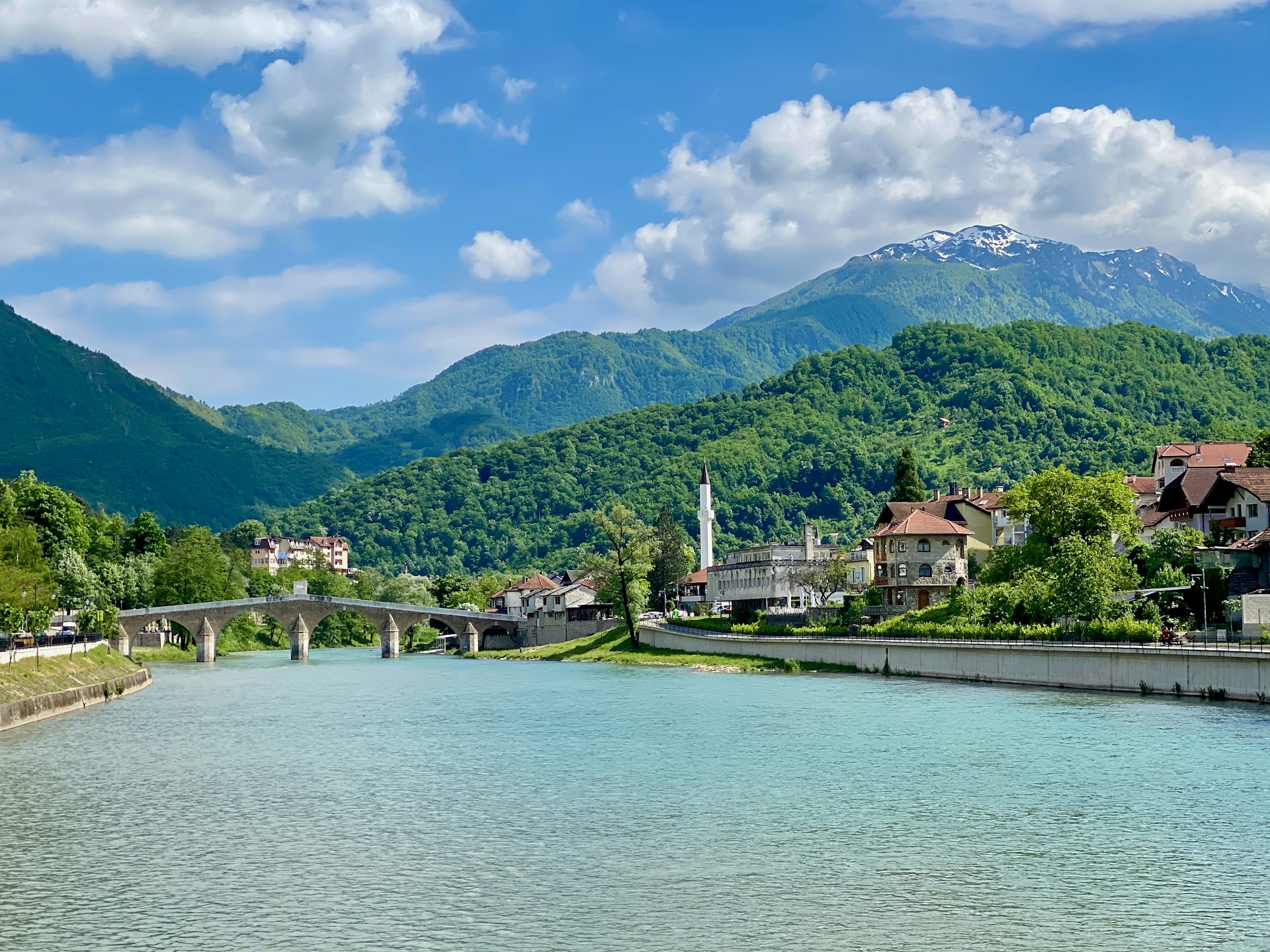

City view of Konjic, Bosnia and Herzegovina

Konjic

Konjic is a small town located on the banks of the Neretva River, known for its stunning natural surroundings and rich history. The town is famous for its 17th-century Ottoman Bridge, which was reconstructed after being destroyed during World War II. Konjic is a gateway to the nearby mountains, including the Bjelašnica and Prenj ranges, making it a popular destination for outdoor enthusiasts. The town is also home to Tito's Bunker, a Cold War-era underground facility that was built to protect Yugoslav President Josip Broz Tito and his government in case of a nuclear attack.

Top attractions & things to do in Konjic

If you’re searching for the best things to do in Konjic, this guide brings together the top attractions and must-see places to visit in Konjic. The top picks below highlight the most visited sights for first-time visitors, plus a few local favorites worth adding.

Caves of Bijela in Konjic, Bosnia and Herzegovina

Caves of Bijela

The Caves of Bijela, located just outside of Konjic, are a natural wonder that attracts adventure seekers and nature lovers. These limestone caves feature impressive stalactites and stalagmites, creating an otherworldly atmosphere inside. Guided tours are available, providing visitors with insight into the geology and ecology of the caves. The cool, dark interior contrasts with the vibrant landscapes outside, making it a fascinating place to explore. The caves are also home to various species of bats and unique mineral formations. A visit to the Caves of Bijela is a memorable experience that highlights the natural beauty of the Konjic region. Recent discoveries include Neolithic-era cave paintings depicting hunting scenes, carbon-dated to 4,000 BCE. The largest chamber, dubbed "Cathedral Hall," hosts occasional acoustic music performances due to its natural echo. A rare transparent crustacean species, adapted to total darkness, thrives in the cave’s underground streams, fascinating biologists worldwide.
Ads place
Ads place
Ads place
Ads place
Ads place
Konjic Bridge (Stari Most) in Konjic, Bosnia and Herzegovina

Konjic Bridge (Stari Most)

The Konjic Bridge, or Stari Most, is a stunning Ottoman-era bridge that spans the Neretva River. Built in the 17th century, this architectural masterpiece features a stone arch that elegantly connects both sides of the town. The bridge has witnessed centuries of history and was meticulously restored after being damaged during the conflicts in the 1990s. It is not only a vital connection for the community but also a symbol of resilience. Visitors often enjoy walking across the bridge, taking in the breathtaking views of the river and surrounding mountains. The area around the bridge is lively, with cafes and shops that enhance the town's charm. Designed by the same Ottoman architect as Mostar’s Stari Most, it uses Roman-era foundation stones repurposed from nearby ruins. In 2023, it earned UNESCO tentative status for its blend of engineering and cultural symbolism. Every summer, the bridge hosts a traditional diving competition, echoing the famous jumps of Mostar but with Konjic’s unique flair.
Ads place
Ads place
Ads place
Ads place
Ads place
Neretva River in Konjic, Bosnia and Herzegovina

Neretva River

The Neretva River is a major natural attraction in Konjic, renowned for its stunning emerald-green waters and scenic beauty. This river offers various recreational activities such as rafting, kayaking, and fishing. The surrounding landscape features lush forests and dramatic mountains, making it a paradise for outdoor enthusiasts. Visitors can take guided rafting tours, which are popular during the warmer months, providing thrilling experiences for both beginners and experienced rafters. The river also hosts several picturesque spots for picnicking and relaxing, allowing visitors to fully immerse themselves in the tranquil ambiance of nature. The Neretva is one of Europe’s oldest salmonid habitats, home to the endangered softmouth trout found nowhere else. Ancient Roman bridge ruins lie submerged near its banks, visible in summer when water levels drop. During winter, the river’s rapids freeze partially, creating surreal ice-climbing opportunities for adventurous travelers.
Ads place
Ads place
Ads place
Ads place
Ads place
Old Town Konjic in Konjic, Bosnia and Herzegovina

Old Town Konjic

The Old Town of Konjic is a charming area that showcases the town's rich cultural heritage. Strolling through its narrow cobbled streets, visitors will find traditional houses, mosques, and historic buildings that reflect the town's Ottoman influence. One notable structure is the Konjic Mosque, which dates back to the 17th century and is known for its beautiful minaret. The atmosphere is vibrant, with local shops and artisan workshops offering handmade crafts and souvenirs. The Old Town is a perfect place to experience the local culture, taste traditional Bosnian food, and engage with friendly locals who share stories of Konjic's past. Beneath the streets lies a network of medieval underground tunnels, once used for storage and defense, now partially open for exploration. The Old Town’s woodcarving tradition earned it UNESCO recognition as a "Creative City of Crafts" in 2023. Don’t miss the 400-year-old Ottoman caravanserai, now a cultural center hosting folk music nights and craft fairs.
Ads place
Ads place
Ads place
Ads place
Ads place
Tito's Bunker in Konjic, Bosnia and Herzegovina

Tito's Bunker

Tito's Bunker is a fascinating underground facility built during the Cold War to protect Yugoslav President Josip Broz Tito from potential nuclear threats. Located in the hills near Konjic, this secret bunker spans over 6,500 square meters and was designed to accommodate high-ranking officials in case of an emergency. Today, it serves as a museum, showcasing various exhibits about Tito’s life and the historical context of the bunker. Guided tours provide insight into its construction, purpose, and the political climate of the time. The experience of exploring the dark corridors and seeing the original furnishings offers a unique glimpse into the past. The bunker’s walls are reinforced with 3.5-meter-thick concrete and hidden beneath a fake hill to evade detection. Recently declassified documents reveal a 5-km escape tunnel leading to a helicopter pad, never used but fully operational. A chilling exhibit displays the 1980s nuclear decontamination chamber, complete with original Geiger counters and hazmat suits.
Ads place
Ads place
Ads place
Ads place
Ads place