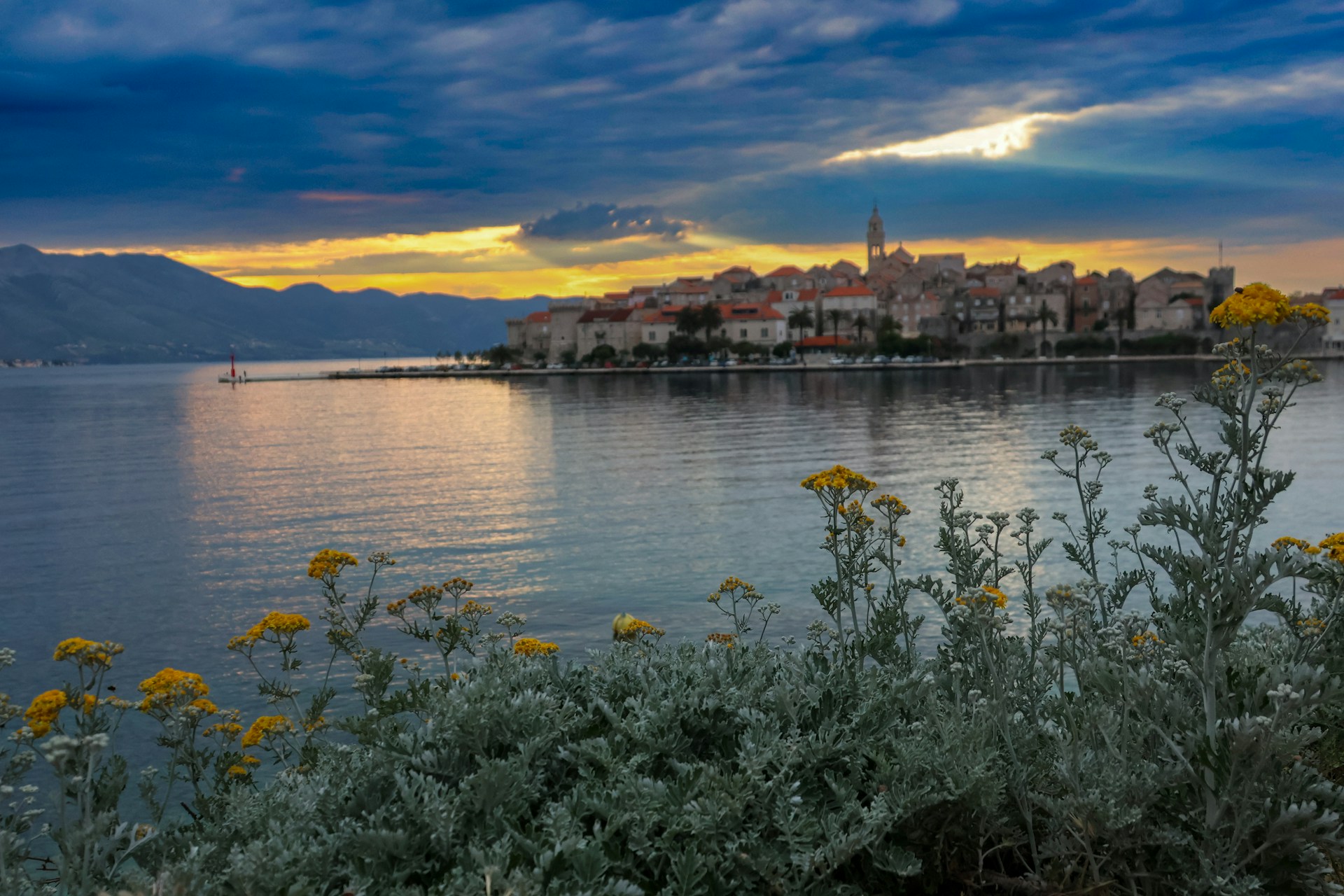

City view of Korcula, Croatia

Korcula

Korcula, often referred to as a 'miniature Dubrovnik', is a beautiful island town in Croatia known for its medieval charm and stunning coastal scenery. The town's Old Town is surrounded by ancient walls and features narrow streets, stone houses, and the impressive St. Mark's Cathedral. Korcula is also the birthplace of the famous explorer Marco Polo, and visitors can learn more about his life at the Marco Polo House. The island is surrounded by crystal-clear waters, perfect for swimming, sailing, and snorkeling. Korculas mix of history, culture, and natural beauty makes it a popular destination for travelers.

Top attractions & things to do in Korcula

If you’re searching for the best things to do in Korcula, this guide brings together the top attractions and must-see places to visit in Korcula. The top picks below highlight the most visited sights for first-time visitors, plus a few local favorites worth adding.

Korcula Old Town in Korcula, Croatia

Korcula Old Town

Korcula Old Town is a well-preserved medieval settlement that captivates visitors with its narrow, winding streets and ancient stone buildings. Known as "Little Dubrovnik" due to its fortified walls and towers, the town offers a charming blend of historical sites, including the Town Hall, churches, and traditional houses. The layout of the old town is unique, designed in the shape of a fishbone to provide natural ventilation and protect against strong winds. Visitors can explore its hidden squares, artisan shops, and cafes, experiencing the authentic Dalmatian lifestyle. The old town is especially vibrant in the summer when festivals and events fill its streets. Beneath the main street lies a network of medieval cisterns that once collected rainwater for the town's inhabitants. Don't miss the 15th-century Revelin Tower, which now houses an exhibition on traditional stone masonry techniques unique to the island.
Ads place
Ads place
Ads place
Ads place
Ads place
Korcula Town Museum in Korcula, Croatia

Korcula Town Museum

The Korcula Town Museum is housed in the 16th-century Gabrielis Palace, a stunning building located in the heart of the old town. The museum offers a fascinating journey through Korcula's history, featuring exhibits on the island's maritime heritage, traditional crafts, and everyday life in past centuries. Visitors can see artifacts from ancient Greek and Roman times, old navigation tools, and local artwork. The museum provides a deeper understanding of Korcula's role in the Adriatic trade and its cultural evolution over the centuries. It is an essential stop for anyone interested in the island's rich and diverse history. The palace's grand staircase features Renaissance-era balustrades carved from a single piece of Korcula stone. A special exhibit displays glagolitic script tablets, evidence of the island's important role in preserving Slavic literacy during the Middle Ages.
Ads place
Ads place
Ads place
Ads place
Ads place
Lumbarda Beaches in Korcula, Croatia

Lumbarda Beaches

Lumbarda, located a short drive from Korcula Town, is famous for its beautiful sandy beaches and crystal-clear waters. It is a perfect destination for those looking to relax, swim, or engage in water sports like kayaking and snorkeling. The area is also known for its vineyards, and visitors can enjoy a glass of the region's famous Grk wine at a seaside tavern after a day at the beach. Lumbarda offers a laid-back atmosphere, making it ideal for families and couples seeking a peaceful retreat. The combination of natural beauty, local cuisine, and wine-tasting opportunities make it a top spot for a memorable island experience. The unique Vela Pržina Beach features golden sand composed of crushed quartz that sparkles in sunlight. Nearby, archaeologists have identified the remains of a Roman villa rustica, with mosaic fragments occasionally washing ashore after winter storms.
Ads place
Ads place
Ads place
Ads place
Ads place
Marco Polo House in Korcula, Croatia

Marco Polo House

Legend has it that the famous explorer Marco Polo was born in Korcula, and the Marco Polo House is a popular attraction for those curious about his legacy. The house, located in the old town, showcases exhibits and displays that illustrate Marco Polo's life and travels. Visitors can explore the building's rooms and climb to the top of its tower for stunning views of the town and harbor. Although the historical accuracy of Marco Polo's birthplace is debated, the house remains a symbolic landmark and an interesting site for history and adventure enthusiasts. The museum features a replica of a 13th-century merchant ship similar to those Polo would have used on his Asian expeditions. Recent archaeological excavations in the basement revealed medieval pottery shards confirming the building's ancient origins.
Ads place
Ads place
Ads place
Ads place
Ads place
St. Mark's Cathedral (Cathedral of St. Marko) in Korcula, Croatia

St. Mark's Cathedral (Cathedral of St. Marko)

St. Mark's Cathedral is a stunning example of Gothic-Renaissance architecture located in the heart of Korcula Old Town. Built in the 15th century, the cathedral stands as a symbol of the town's rich heritage. Its facade features intricate stone carvings and a magnificent rose window, while the interior is decorated with valuable artworks, including paintings by famous Venetian artists. The cathedral's bell tower is open to visitors, offering panoramic views of Korcula's red-roofed houses and the surrounding sea. It is a must-see for those interested in art, architecture, and history, providing insight into the town's religious and cultural past. The cathedral's construction began in 1420 under local stonemasons using limestone from the nearby island of Vrnik, a quarry still operational today. Look for the unique stone relief of St. Mark's Lion above the south portal, a symbol of Venetian influence during their rule of Korcula.
Ads place
Ads place
Ads place
Ads place
Ads place