City view of Kosice, Slovakia

Kosice

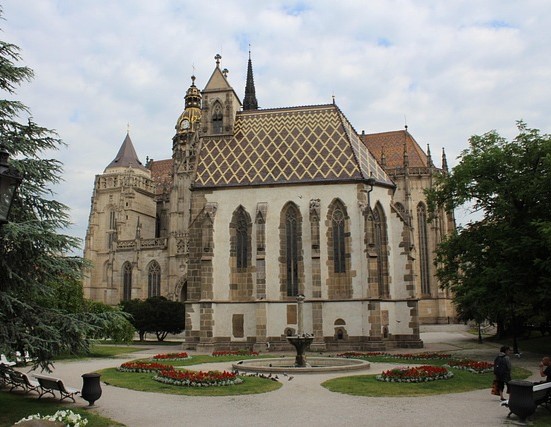
Kosice carries opera in its stride and street murals on its sleeves. St Elisabeth Cathedral anchors the long main street where cafe tables orbit a singing fountain that actually responds to music. Gothic meets Art Nouveau without fuss and the old craftsman lanes feed a theater scene that enjoys risk. Bakers still twist horn pastries in windows while coffee roasters turn Monday mornings into an event. Nearby, a disused steelworks shelters studios and techno nights, proof that heavy industry can reinvent itself as culture. Eat cabbage soup served in bread, then chase it with tokaj from nearby hills. Look up for small bronze plaques that map the city through quotations, a personal literary treasure hunt. Curiosity for trivia, Kosice owns Slovakia’s first public park by historical claim, and locals treat it like a living room that just happens to include a cathedral spire for company on the skyline.

Top attractions & things to do in Kosice

If you’re searching for the best things to do in Kosice, this guide brings together the top attractions and must-see places to visit in Kosice. The top picks below highlight the most visited sights for first-time visitors, plus a few local favorites worth adding.

Botanical Garden UPJS in Kosice, Slovakia

Botanical Garden UPJS

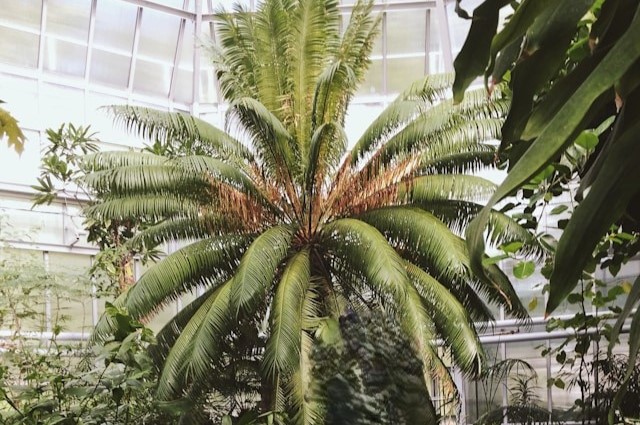
On a hillside, the university tends climates under glass and outdoors, where labels become passports for the curious. Founded in 1950, the garden nurtures orchids and succulents, plus a tropical dome that fogs glasses in the kindest way. In season, a butterfly house turns biology into choreography as wings write their own schedule. The arboretum outside introduces Carpathian species and conifers with quiet authority; benches invite long reading sessions. Exhibits explain how mountain flora adapts and why fungi deserve far more respect. Families collect trivia; windowsills gain cuttings. Walk out and the chimneys on the horizon look softer, edited by green. Oldest industry in the region? Photosynthesis, of course! Tucked inside is one of Slovakia’s largest collections of cacti and succulents—spiky proof that deserts can bloom even in the east.
Ads place
Ads place
Ads place
Ads place
Ads place
Crafts Lane Hrnciarska in Kosice, Slovakia

Crafts Lane Hrnciarska

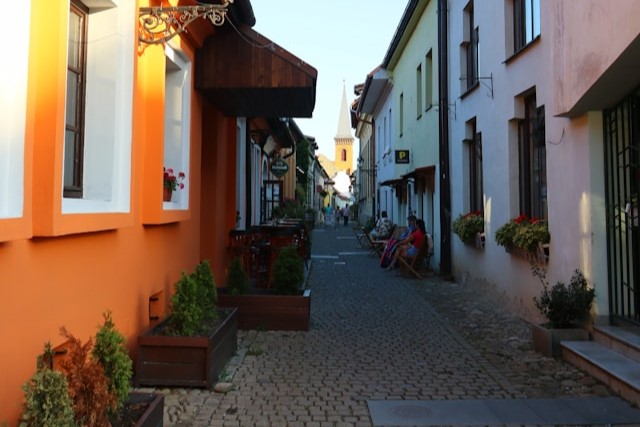
Slip off the main street and time begins to glaze like pottery. Hrnciarska revives a working lane where artisans fire clay, stitch leather, and roll honey cake under the friendly eye of medieval bylaws. Signboards explain how guilds set standards; a tiny foundry demonstrates techniques older than the Renaissance. Courtyard concerts bring folk musicians who treat rhythm as shared property. Visitors leave with mugs still warm from the kiln or a spoon carved from fruitwood. The lane’s success inspired projects across eastern Slovakia, a point locals mention with quiet pride. Come back after dusk when lamps make workshops into miniature theatres and the smell of beeswax edits the air. Love souvenirs with a story? This is your street! Around the corner, the former city prison museum connects craft, trade, and law—an unexpected triangle that makes the past feel practical.
Ads place
Ads place
Ads place
Ads place
Ads place
East Slovak Museum in Kosice, Slovakia

East Slovak Museum

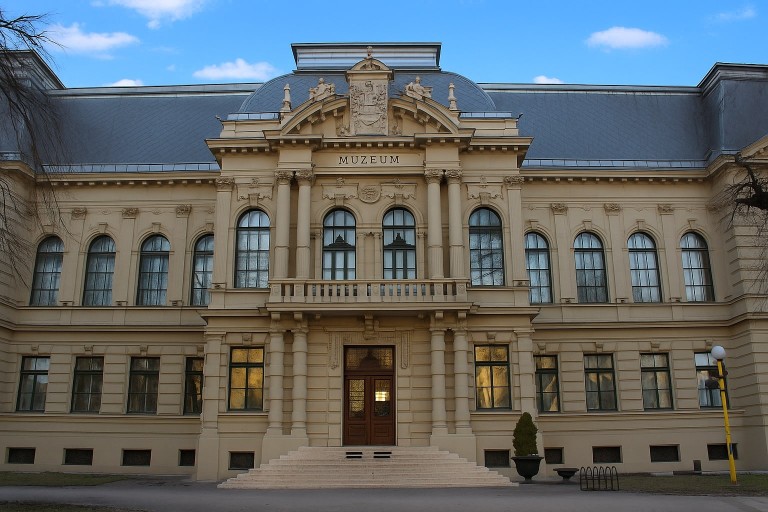
The museum arranges evidence with courtesy so centuries can share a room. Headline billing goes to the Kosice Gold Treasure, found in 1935: more than 2920 coins and jewelry tucked into a copper casket. The hoard whispers trade routes from Italy to the Low Countries and reframes value as story, not just price. Around it, carved icons and guild seals explain how quality and reputation were policed. The building dates to the late 19th century, and daylight slides across vitrines at flattering angles. Younger visitors get hooked by detective-style interactives; collectors linger over die marks and mint lore. Step outside and money feels different—less a number, more a map of hands, promises, and risk carried across time. Who knew numismatics could be this gripping! Curator favorite: impressions in the lining show where a missing medallion once pressed, leaving a ghost trace of wealth long separated from its box.
Ads place
Ads place
Ads place
Ads place
Ads place
Hlavna Street and Singing Fountain in Kosice, Slovakia

Hlavna Street and Singing Fountain

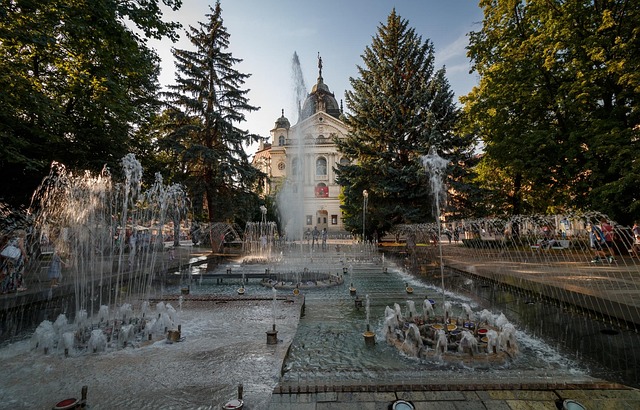
Hlavna is where Kosice edits its day in public. In front of the theatre, the fountain nods to music with jets that rise and fall in easy choreography, a playful landmark that still feels contemporary. Mansions along the axis mix Gothic traces with Art Nouveau curves, each facade updated by care rather than trend. Vendors pass chimney cake, students tune guitars, and the stone underfoot holds memory without fuss. At the southern end near the Lower Gate, bronze plaques map defenses and processions that shaped the boulevard. Across the way, bells from St Elisabeth drift like a soundtrack, while the theatre adds velvet to the air. Sit down, let the rhythm find you, and the city explains itself at a human tempo where details stick. One long afternoon here can turn first-timers into regulars—easily! Tip for the curious: the fountain’s playlist occasionally quotes local melodies, so the jets dance to regional signatures you won’t hear elsewhere.
Ads place
Ads place
Ads place
Ads place
Ads place
Jakab Palace in Kosice, Slovakia

Jakab Palace

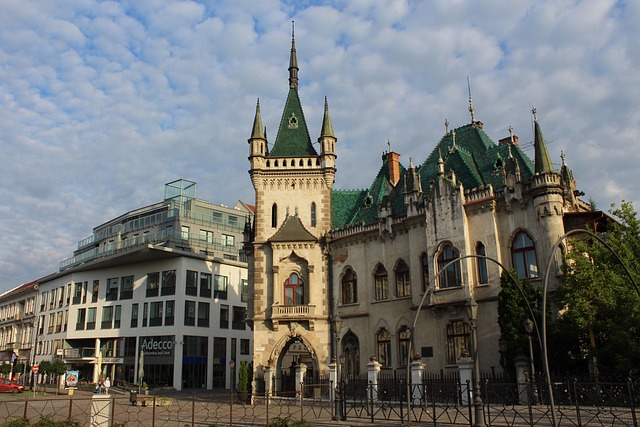
By the river, a romantic residence studies its reflection and pretends not to notice the cameras. Built in 1899 by architect Arpad Jakab, it mixes historicist flourish with fairy-tale turrets made for ceremony rather than defense. During 1945, rooms briefly hosted the Czechoslovak government—an unexpected chapter that left diplomatic afterimages. Old photos show swans gliding through a moat; iron balconies still twist like vines, turning metal into botanical theatre. Today the palace opens for events, so ordinary guests climb staircases designed for rank and ribbon. Look closely at stone seams and you will see practical craftsmanship under the romance, a building designed to charm while quietly doing its job. Come at sunset and the roofline inks itself against the sky. The city feels ready for a waltz—shall we? Insider note: the residence began as the architect’s own home, a confident calling card that doubled as a showroom for commissions.
Ads place
Ads place
Ads place
Ads place
Ads place
Lower Gate Archaeological Complex in Kosice, Slovakia

Lower Gate Archaeological Complex

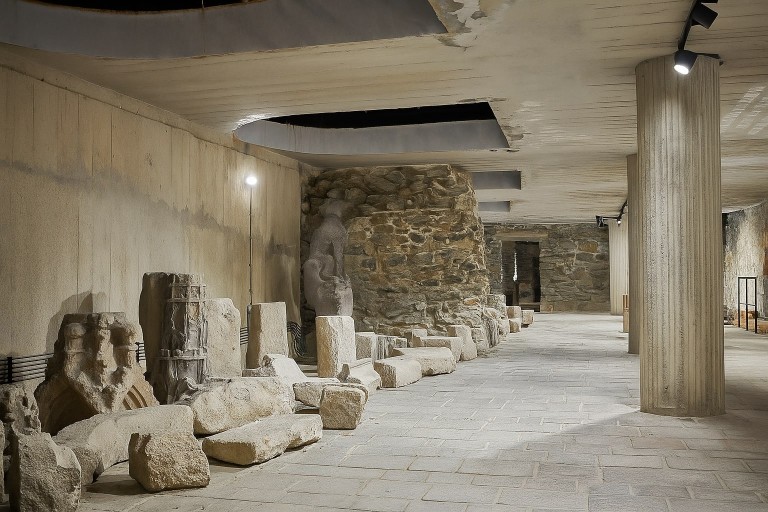
Beneath Hlavna, a glass canopy reveals the skeleton of the city: bastions, a moat, and the city gate that once filtered traders into order. Excavations in the 1990s mapped layers with patience, and raised walkways now let you read the stones without disturbing them. Displays unpack coin tolls, guard rotations, and the hydraulics of water defenses. Children count arrow slits while adults realize how quickly ramparts become real estate once danger fades. The site connects straight back to the boulevard above, so the lesson lands. Emerge to daylight and café chatter feels like a victory earned by careful walls and pragmatic politics since the 14th century. History underfoot—what better classroom? Preservation bonus: engineers used reversible structures so future digs can add chapters without rewriting today’s.
Ads place
Ads place
Ads place
Ads place
Ads place
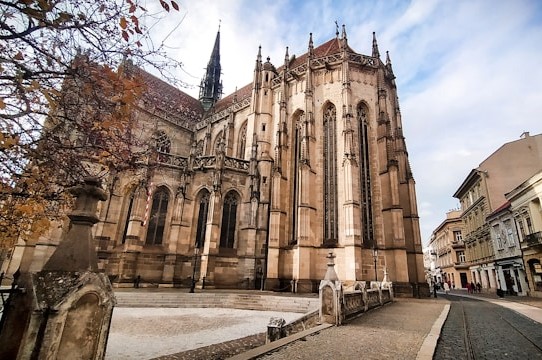
St Elisabeth Cathedral in Kosice, Slovakia

St Elisabeth Cathedral

Step inside and the city quiets: ribs of stone lift the eye and colored light settles across polished aisles. Work began in the 14th century, and today it stands as the largest church in Slovakia devoted to a single saint. Look down for the brass line that marks the old meridian, a reminder that time in towns once followed astronomy. The north portal folds a vivid Last Judgment into local faces, while the tower pays back every stair with a long view of rooftops. In the upheaval of 1848, this nave doubled as a civic room, proof that faith buildings often frame public life. Below, a solemn chapel guards the heart of Francis II Rakoczi, a story of exile finally home. If you catch an organ recital, you will hear how architecture shapes air into music that lingers after the last chord fades! Little-known treat: a rare double spiral staircase lets two streams of people climb without ever meeting, a medieval traffic hack that still feels clever.
Ads place
Ads place
Ads place
Ads place
Ads place
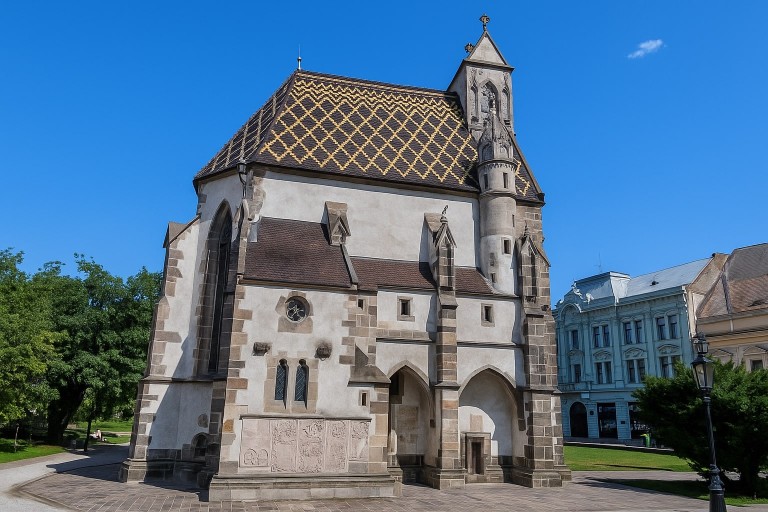
St Michael Chapel in Kosice, Slovakia

St Michael Chapel

A few steps from the cathedral, this modest chapel rewards close looking. Raised in the 14th century and later used as an ossuary, it keeps fragile fresco fragments that survived weather and taste. A roof of glazed tiles flashes when sun finds the angle, and the stonework records patient hands more than grand budgets. Guild names appear in parish books, proof that craft communities funded devotion long before sponsorship decks. Outside, the crucifix carries scars from the 17th century, and a plaque recalls restorations after 1902. Inside, low-volume concerts let strings bloom, the room adding warmth like a second instrument. When rain starts, stand under the eaves and watch Hlavna slow to a respectful beat. Quiet places still matter, don’t they? Beneath your feet, a compact lapidarium preserves headstones from the old cemetery—history written in chisel marks rather than ink.
Ads place
Ads place
Ads place
Ads place
Ads place
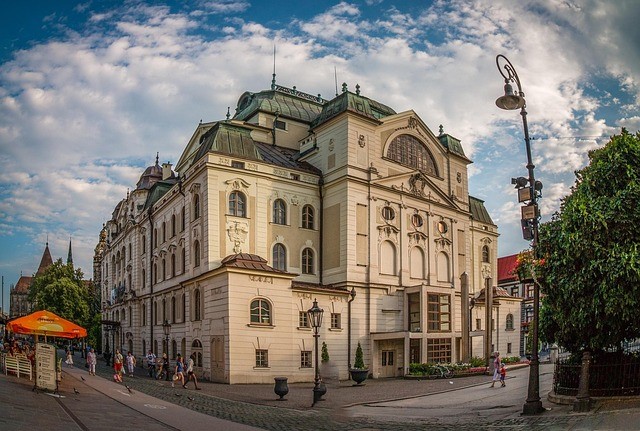
State Theatre Kosice in Kosice, Slovakia

State Theatre Kosice

Curtains part on a bright interior where murals float across the ceiling and gilt frames set a generous mood. Opened in 1899 by the prolific duo Fellner and Helmer, the house blends Neo-Baroque sparkle with solid stagecraft built for work, not just show. From the steps you can watch the Singing Fountain rehearse before evening. Inside, a bust of Ferenc Liszt nods toward concert history that still feeds local pride. Backstage tours reveal pulley systems and timber grids that age better than software, and docents share anecdotes that make mechanics feel theatrical. On premiere nights, the foyer hums with rituals—programs, coats, a glance at the chandelier—before the hush that signals attention. When the final bow lands, doors open to Hlavna tuned a notch brighter. Isn’t it lovely when a building edits a whole street’s mood? Lesser-known fact: this is among the easternmost gems in the vast Fellner & Helmer network—dozens of theatres that defined Central European taste in the late empire.
Ads place
Ads place
Ads place
Ads place
Ads place
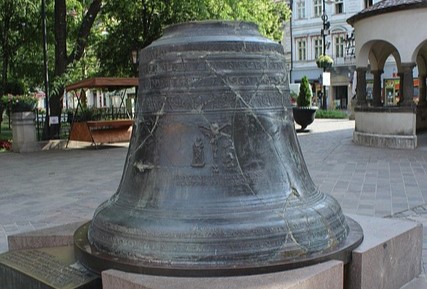
Urban Tower and St Urban Bell in Kosice, Slovakia

Urban Tower and St Urban Bell

Next to the cathedral, a square tower puts a tidy exclamation point on the skyline. Raised in the 15th century, it guarded archives and now hosts small exhibitions that rotate without hurry. Outside hangs a replica of the St Urban bell, recast after a fire in 1966 cracked its ancestor. Grapes and leaves run around the bronze—an ode to vineyards and to winemakers’ patron. The passage beneath links two pockets of Hlavna like a comma in a long sentence. On market days, buskers wrap the stone in a gentle soundtrack; on quiet mornings, the tower gives you roof-tile views of St Elisabeth. Climb for the color, stay for the perspective, and leave with a sharper map of the street below. Small climb, big payoff! Look close on sunny days and you’ll spot old mason marks on reused stones—tiny signatures from builders who never expected an audience.
Ads place
Ads place
Ads place
Ads place
Ads place