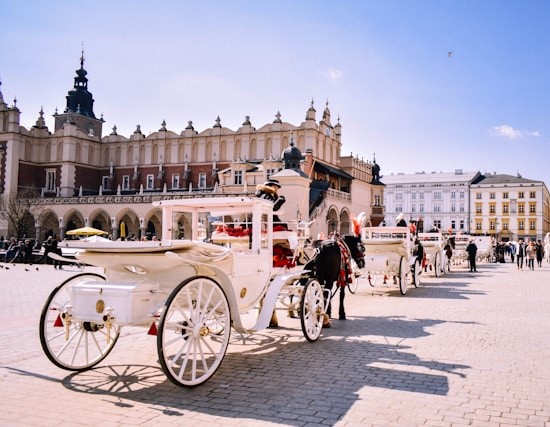
City view of Krakow, Poland

Krakow

Krakow, the former royal capital of Poland, is famed for its remarkably preserved medieval core and deep-rooted cultural traditions. At the heart of the city lies the bustling Main Market Square, one of Europe's largest, framed by Gothic towers of St. Mary's Basilica and the historic Cloth Hall. Wawel Castle, perched above the Vistula River, stands as a testament to centuries of Polish monarchy and legend. Krakow's Kazimierz district is a vibrant center of Jewish heritage, filled with synagogues, quirky cafes, and art galleries. Beneath the square, an underground museum reveals medieval trade routes and archaeological wonders. Nearby are the poignant Auschwitz-Birkenau Memorial and the astonishing Wieliczka Salt Mine, both UNESCO sites. Krakow's academic tradition thrives at the ancient Jagiellonian University. Lesser-known are its hidden courtyards and medieval cellars now transformed into jazz clubs. The Dragon's Den at Wawel Hill and crypts beneath the cathedral add mysterious allure to this enduring city of culture.

Top attractions & things to do in Krakow

If you’re searching for the best things to do in Krakow, this guide brings together the top attractions and must-see places to visit in Krakow. The top picks below highlight the most visited sights for first-time visitors, plus a few local favorites worth adding.

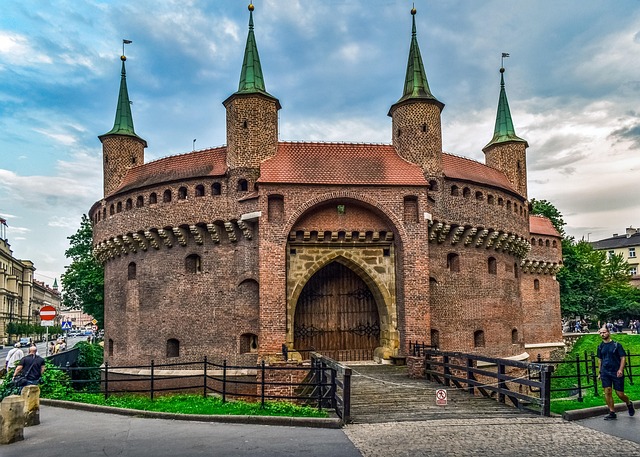
Barbican in Krakow, Poland

Barbican

The Barbican of Krakow is an imposing medieval fortress that once formed part of the city's defensive walls. Built in the late 15th century, it is famed for its circular brick walls, seven turrets, and impressive moat, making it one of the best-preserved structures of its kind in Europe. The Barbican was designed to repel enemy attacks and safeguard the Florian Gate, the main entrance to the Old Town. Today, it hosts exhibitions on medieval warfare, guided tours, and interactive displays for families. During the summer months, historical reenactments and fencing tournaments animate its courtyards, bringing the past to life. Few visitors know that the Barbican was once used for archery contests and even public debates. Restoration efforts in recent decades have uncovered original 15th-century graffiti carved into the stone. The fortress is often illuminated dramatically at night, creating an unforgettable atmosphere for evening strolls.
Ads place
Ads place
Ads place
Ads place
Ads place
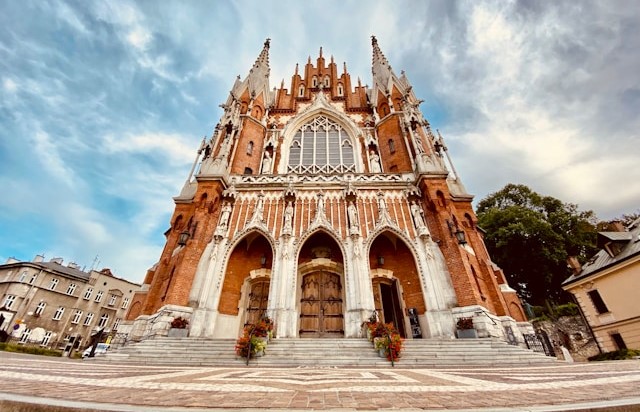
Church of St. Joseph in Krakow, Poland

Church of St. Joseph

The Church of St. Joseph, located in the historic Podgorze district, is one of Krakow's most remarkable and beloved sacred landmarks. This stunning Neo-Gothic church was constructed at the dawn of the 20th century, and its towering spire has become a distinctive feature of the neighborhood's skyline. The richly carved main altar is a highlight, complemented by intricate stained glass windows and meticulously painted interior walls. The church is adorned with impressive statues of St. Joseph and the Virgin Mary, and its monumental pipe organ accompanies both religious ceremonies and acclaimed concerts. The Church of St. Joseph is an important gathering place during major Catholic celebrations, but it is equally cherished by lovers of architecture and history. Few know that the church's crypts house relics and artifacts dating back to its early years. During World War II, the church provided shelter for local families, adding to its legacy as a place of refuge. Seasonal light displays now illuminate the facade, making it a highlight of evening strolls through Podgorze.
Ads place
Ads place
Ads place
Ads place
Ads place
Collegium Maius in Krakow, Poland

Collegium Maius

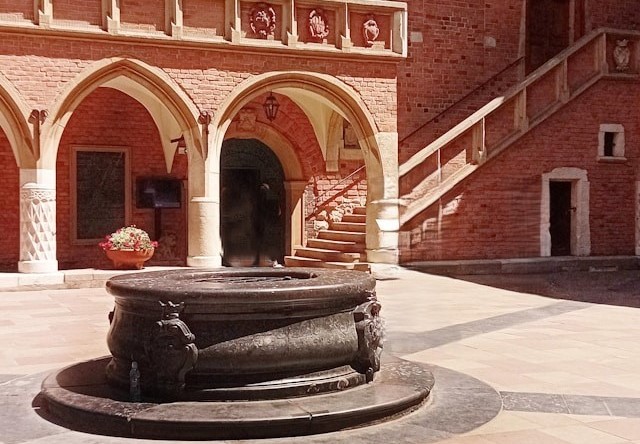
Collegium Maius is the oldest building of the Jagiellonian University, founded in the 14th century. This academic treasure is famous for its arcaded courtyard, Renaissance interiors, and astronomical instruments used by Nicolaus Copernicus, one of the university's most renowned alumni. The Collegium houses the university museum, displaying rare manuscripts, globes, and scientific artifacts. Daily at noon, a delightful procession of wooden figures emerges from the courtyard clock, enchanting visitors with a glimpse of university tradition. Guided tours reveal secret staircases and historic lecture halls where generations of scholars debated philosophy, science, and politics. Few know the library contains some of Europe's oldest printed books. During important anniversaries, original documents from Copernicus’s student days are displayed to the public. Many locals believe the courtyard has its own unique echo, a feature that has inspired poets and musicians for centuries.
Ads place
Ads place
Ads place
Ads place
Ads place
Kazimierz in Krakow, Poland

Kazimierz

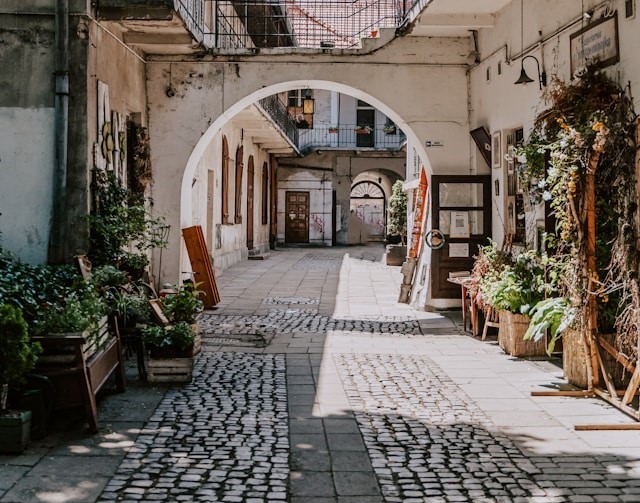
Kazimierz, once an independent city, is now Krakow's most vibrant and culturally rich district. This neighborhood is celebrated for its deep-rooted Jewish heritage, evident in its historic synagogues, atmospheric squares, and poignant cemeteries. Kazimierz is also known for its bohemian cafes, art galleries, and live music venues, creating a unique fusion of old and new. Annual festivals like the Jewish Culture Festival draw thousands, reviving age-old traditions alongside contemporary creativity. Wandering its cobbled streets, visitors discover mural-covered walls, eclectic street art, and thriving markets. The district's nightlife is legendary, with traditional eateries and buzzing bars coexisting side by side. Few visitors know about the underground tunnels connecting old merchant houses, once used for secret gatherings. In recent years, the area has become a hub for independent filmmakers and avant-garde theater, injecting new energy into its storied streets. During World War II, parts of Steven Spielberg’s film Schindler’s List were shot here, immortalizing Kazimierz’s haunting beauty.
Ads place
Ads place
Ads place
Ads place
Ads place
Krakow City Theater in Krakow, Poland

Krakow City Theater

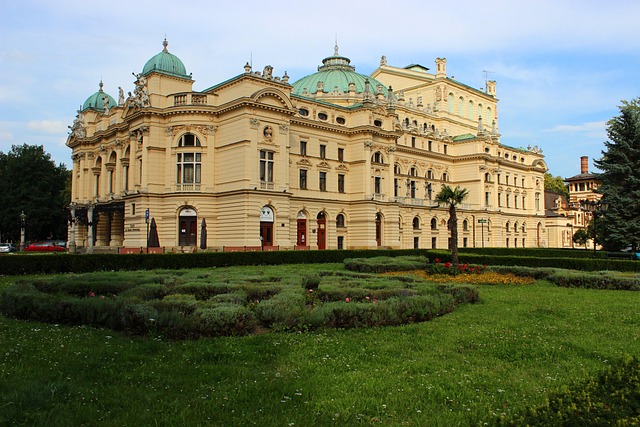
The Krakow City Theater, also known as the Juliusz Slowacki Theatre, is a jewel of Polish performing arts and a masterpiece of eclectic architecture. Built in the late 19th century, it dazzles with a richly decorated facade, ornate interiors, and a spectacular ceiling fresco by Antoni Tetmajer. The theater has hosted the premieres of major works by renowned Polish playwrights and continues to stage a diverse repertoire of drama, opera, and ballet. Behind the scenes, visitors can explore historic dressing rooms and admire original stage machinery. The theater is celebrated for its innovative set designs and outstanding acoustics. Each season, the Krakow City Theater collaborates with international artists, reflecting the cosmopolitan spirit of the city. It is rumored that the theater’s ghost, a benevolent former director, still roams backstage during opening nights. Guided nighttime tours reveal hidden passageways once used by star performers and secret admirers.
Ads place
Ads place
Ads place
Ads place
Ads place
Main Market Square in Krakow, Poland

Main Market Square

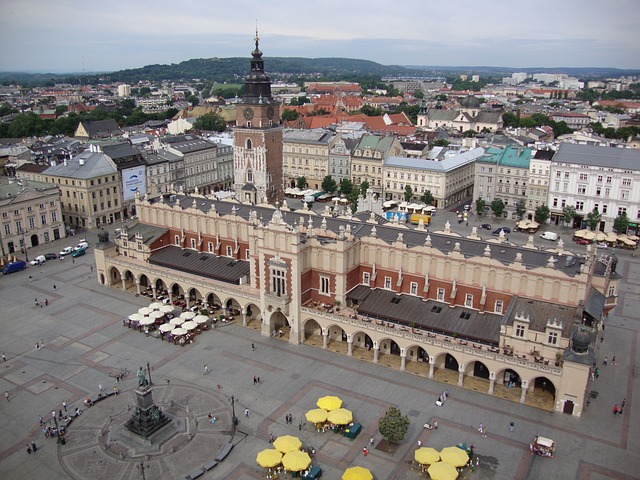
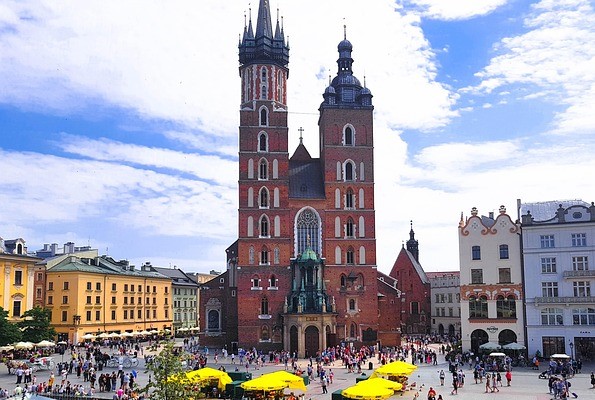
Krakow's Main Market Square is the pulsating heart of the city and one of the largest medieval squares in Europe. The square is surrounded by historic townhouses, the striking Cloth Hall, and the iconic St Mary's Basilica. Bustling with street performers, flower vendors, and open-air cafes, it is the city's main gathering place for locals and visitors alike. The underground museum beneath the square offers a fascinating glimpse into medieval Krakow, with preserved cobblestones and ancient artifacts. Every hour, the melodic bugle call from St Mary's tower marks the rhythm of city life. The square is also home to Christmas and Easter markets, outdoor concerts, and political rallies. Few know about the network of cellars that once served as merchant warehouses. At night, the square is lit by gas lamps, recreating the ambiance of centuries past. Folklore tells of a hidden golden duck beneath the pavement, believed to bring fortune to those who seek it.
Ads place
Ads place
Ads place
Ads place
Ads place
Schindler Factory in Krakow, Poland

Schindler Factory

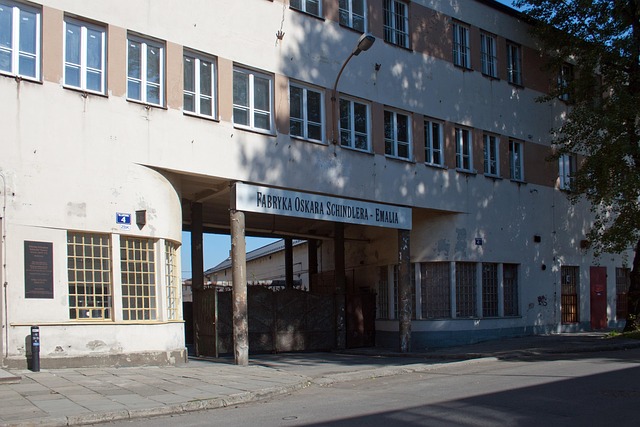
The Schindler Factory is a profoundly moving site dedicated to the memory of Krakow's wartime history and the story of Oskar Schindler, whose heroic actions saved over a thousand Jews during World War II. Today, the former enamelware factory houses a state-of-the-art museum chronicling the Nazi occupation of Krakow, featuring immersive exhibits, personal testimonies, and artifacts. The interactive displays lead visitors through recreated streets, offices, and hiding places, bringing to life the daily reality under occupation. The Schindler List itself is presented in a powerful, intimate setting. Guided tours delve deeper into the moral dilemmas faced by ordinary people in extraordinary times. The factory's location in the industrial Zablocie district highlights Krakow's transformation and resilience. Few realize that the museum also hosts contemporary art installations and cultural events, ensuring that the lessons of the past continue to inspire new generations. Schindler’s original office, preserved almost intact, offers a chilling reminder of history’s immediacy. Special exhibits often spotlight the untold stories of everyday Krakow citizens who risked their lives to help others.
Ads place
Ads place
Ads place
Ads place
Ads place
St Mary's Basilica in Krakow, Poland

St Mary's Basilica

St Mary's Basilica dominates Krakow's Main Market Square with its striking brick towers and elaborate Gothic facade. Completed in the 14th century, it is best known for the hourly bugle call played from the taller of its two towers—a tradition that commemorates a medieval trumpeter who warned of a Mongol invasion. Inside, the basilica is home to the Veit Stoss altarpiece, a masterpiece of late-Gothic wood carving and one of the largest in Europe. The star-studded blue ceiling and vibrant stained glass windows create a breathtaking atmosphere. The church's chapels hold tombs of local noble families and saints, while the pulpit and confessionals feature intricate carvings. Visitors can climb the tower for panoramic views of Krakow's Old Town. Few realize the basilica's crypt is occasionally opened for special historical exhibitions. During World War II, the altarpiece was hidden to protect it from looting, a story that still fascinates art historians. An annual Christmas tradition involves local children building colorful replicas of the basilica, a custom now recognized by UNESCO.
Ads place
Ads place
Ads place
Ads place
Ads place
Wawel Castle in Krakow, Poland

Wawel Castle

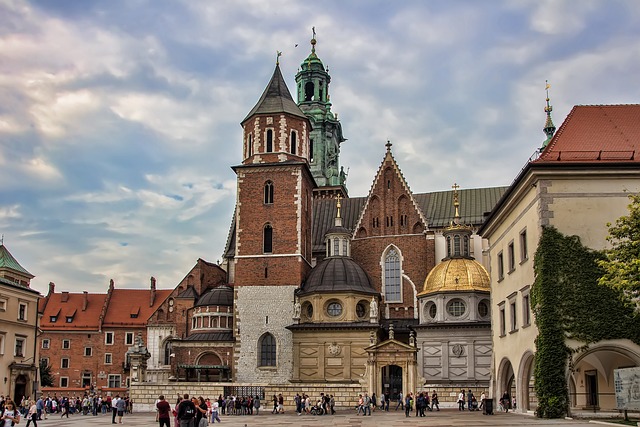
Wawel Castle stands as the symbolic heart of Polish history, perched atop the Wawel Hill overlooking the Vistula River. This magnificent complex is a showcase of Renaissance, Gothic, and Romanesque architecture, each layer reflecting the changing fortunes of Krakow and the Polish state. Within its walls, visitors can explore the lavish Royal Chambers, the treasure-filled Crown Treasury, and the Armory displaying centuries-old weapons and regalia. Legends abound here, including that of the Wawel Dragon, whose lair is still a popular stop for families and children. The castle's cathedral has served as the coronation and burial site of Poland's kings and national heroes. The beautifully landscaped courtyards and arcaded galleries offer sweeping views of the city. Each summer, the castle hosts prestigious cultural festivals and exhibitions. Hidden beneath the castle, secret tunnels are said to have aided royal escapes during times of siege. Artifacts discovered during archaeological digs here have reshaped scholars’ understanding of Krakow’s earliest days. Wawel Castle remains an essential destination for anyone seeking to understand Poland's royal past and enduring cultural legacy.
Ads place
Ads place
Ads place
Ads place
Ads place
Wieliczka Salt Mine in Krakow, Poland

Wieliczka Salt Mine

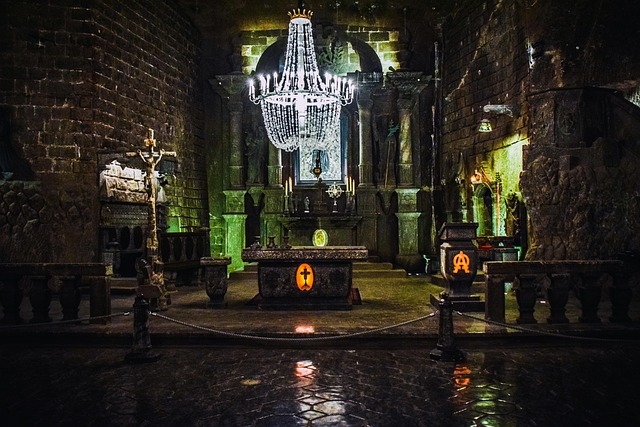
The Wieliczka Salt Mine, located just outside Krakow, is a subterranean marvel and a UNESCO World Heritage Site. Operating since the 13th century, the mine descends over 300 meters and features more than 300 kilometers of tunnels. Guided tours reveal chapels carved from salt, including the awe-inspiring Chapel of St Kinga, complete with salt chandeliers, sculptures, and reliefs. The mine's underground lakes and labyrinthine passages have fascinated visitors for centuries. Unique to Wieliczka is the collection of mining tools, historical machinery, and intricate salt artworks created by generations of miners. Concerts and art exhibitions occasionally take place in the cavernous chambers. Few know about the underground sanatorium, where people seek treatment for respiratory ailments. The mine’s acoustics are so renowned that a symphonic orchestra has even performed hundreds of meters underground. Legend holds that many tunnels are still unexplored, adding an air of mystery to every visit.
Ads place
Ads place
Ads place
Ads place
Ads place