
City view of Kraljevo, Serbia

Kraljevo

Kraljevo takes its name from coronations near Zica, where red walls and old chants made kings feel mortal in the right way. Studenica waits farther south with marble that learned patience from mountain weather, and both monasteries give the day a cadence that survives road noise. Back in town, a hexagonal square organizes parades, protests, and slow Saturdays without changing outfits. River beaches appear each summer as if rehearsed, grills sparking negotiations about trout versus pork. Workshops fix everything from shoes to saxophones, and vendors sell honey that tastes faintly of linden shade. A small curiosity hides in a garage: homemade kayaks built from textbooks and stubbornness, then tested on spring water. Kraljevo does not brag; it inventories, repairs, and carries on, and visitors relax into that tempo. By evening you find yourself tracing the mountain outline with a fingertip on a glass, as if memorizing a recipe.

Top attractions & things to do in Kraljevo

If you’re searching for the best things to do in Kraljevo, this guide brings together the top attractions and must-see places to visit in Kraljevo. The top picks below highlight the most visited sights for first-time visitors, plus a few local favorites worth adding.

Maglic Fortress in Kraljevo, Serbia

Maglic Fortress

The path climbs along a ridge and suddenly the walls appear above the Ibar like a ship holding steady in mountain wind. Built under the Nemanji line in the 13th century, the stronghold guarded routes through the dramatic Ibar Gorge and watched caravans edge between market towns. Arrow slits and a tall keep explain the logic of cliff defense while cisterns and workshops sketch the daily routine of a small garrison. Later centuries brought clashes with the Ottoman frontier and the stones learned to absorb fire as well as weather. From the ramparts the view ties villages to passes and makes every history lesson feel earned by the climb. Ongoing archaeology reads tool marks and charcoal into dates, turning fragments into a reliable narrative. Descend slowly and the river keeps you company, a bright thread that reminds you how geography writes the first draft of every border story.
Ads place
Ads place
Ads place
Ads place
Ads place
Mataruska Banja in Kraljevo, Serbia

Mataruska Banja

Steam lifts from pools while the Ibar slides past with its unhurried grammar and the day adopts the spa's slower punctuation. Springs here are rich in sulfur and minerals that physicians praised through the 20th century, when clinics and pavilions turned leisure into careful balneology. Earlier travelers from the Ottoman era also recorded bathing on this route, and postcards later spread the reputation across the region. Paths thread under plane trees and verandas shade readers who time their walks between treatments with pleasant precision. Nearby hills provide short climbs that repay gently with air scented by pine and river stone. Evenings gather chess boards and conversations while musicians test a tune that sounds exactly right beside warm water. Mataruska Banja demonstrates how health can be civic culture, and how a modest landscape becomes generous when patience is part of the design.
Ads place
Ads place
Ads place
Ads place
Ads place
Studenica Monastery in Kraljevo, Serbia

Studenica Monastery

White marble catches the sky and the church seems carved from quiet rather than stone. Founded by Stefan Nemanja in the 1190s, Studenica blends Byzantine Romanesque sensibility into a serene ideal that later generations guarded with devotion and skill. Inside, the Crucifixion fresco from around 1209 shows a poise that art historians point to when they describe the golden age of Serbian painting. The monastery entered the UNESCO list in recognition of its architecture and its scriptoria that preserved texts during uncertain centuries. Pilgrims and scholars share the same corridors and both step softly because the stone remembers footsteps well. Bells mark hours with a measured kindness and the river below edits the valley into a calmer paragraph. Studenica teaches that beauty can be exact without hardness and that faith can be rigorous without noise, a lesson that outlasts politics and travel plans alike.
Ads place
Ads place
Ads place
Ads place
Ads place
Trg Srpskih Ratnika Square in Kraljevo, Serbia

Trg Srpskih Ratnika Square

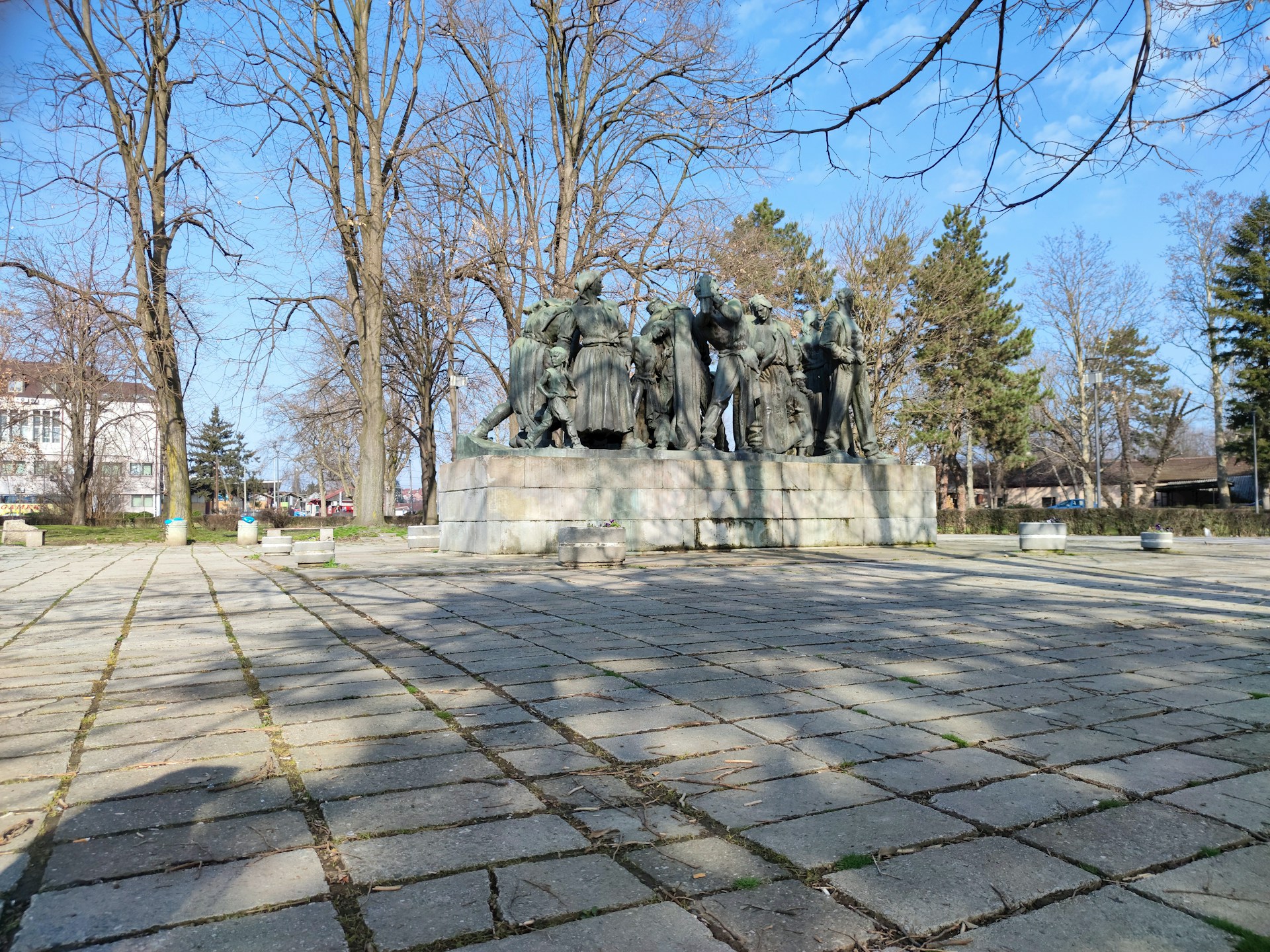
Buses pause, pigeons rearrange the geometry, and the city gathers around a monument that turns dates into a daily reminder. The centerpiece honors campaigns of 1912–1918 and anchors an interwar plan that gave Kraljevo a civic living room where ceremonies and errands could share space. Plaques recall mobilizations and returns and the square keeps a steady memory of World War I even as children chase each other past the flowerbeds. In darker years the town endured reprisals in 1941, and wreaths still appear on anniversaries because public grief deserves public ground. Facades mix late historicism with later refurbishments, proving cities edit themselves without losing tone. Cafes edge the pavement and conversations float toward the statue as if seeking a referee for memory. Stay through sunset and the lights come on in sequence, turning history into a gentle stage that belongs to everyone who crosses it.
Ads place
Ads place
Ads place
Ads place
Ads place
Zica Monastery in Kraljevo, Serbia

Zica Monastery

Red walls glow against orchard green and the bell tone drifts across the valley before it reaches the road. Step inside and the story gathers around the Nemanji dynasty, because this was the coronation church where rulers received their crowns under the blessing of Saint Sava. Founded in the early 13th century by Stefan the First Crowned, Zica also marks the moment when the Serbian Church gained autocephaly in 1219. Frescoes retain a calm gravity even after repairs from raids and earthquakes, and the palette feels like a theology of light. The famous vermilion facade reads as both symbol and wayfinding for travelers who look up from the Ibar road. Monastic life continues with quiet discipline, so visitors meet history in present tense not behind glass. Walk the courtyard and the air smells of resin and beeswax, a modest atmosphere for large beginnings that still shape the country's memory.
Ads place
Ads place
Ads place
Ads place
Ads place