
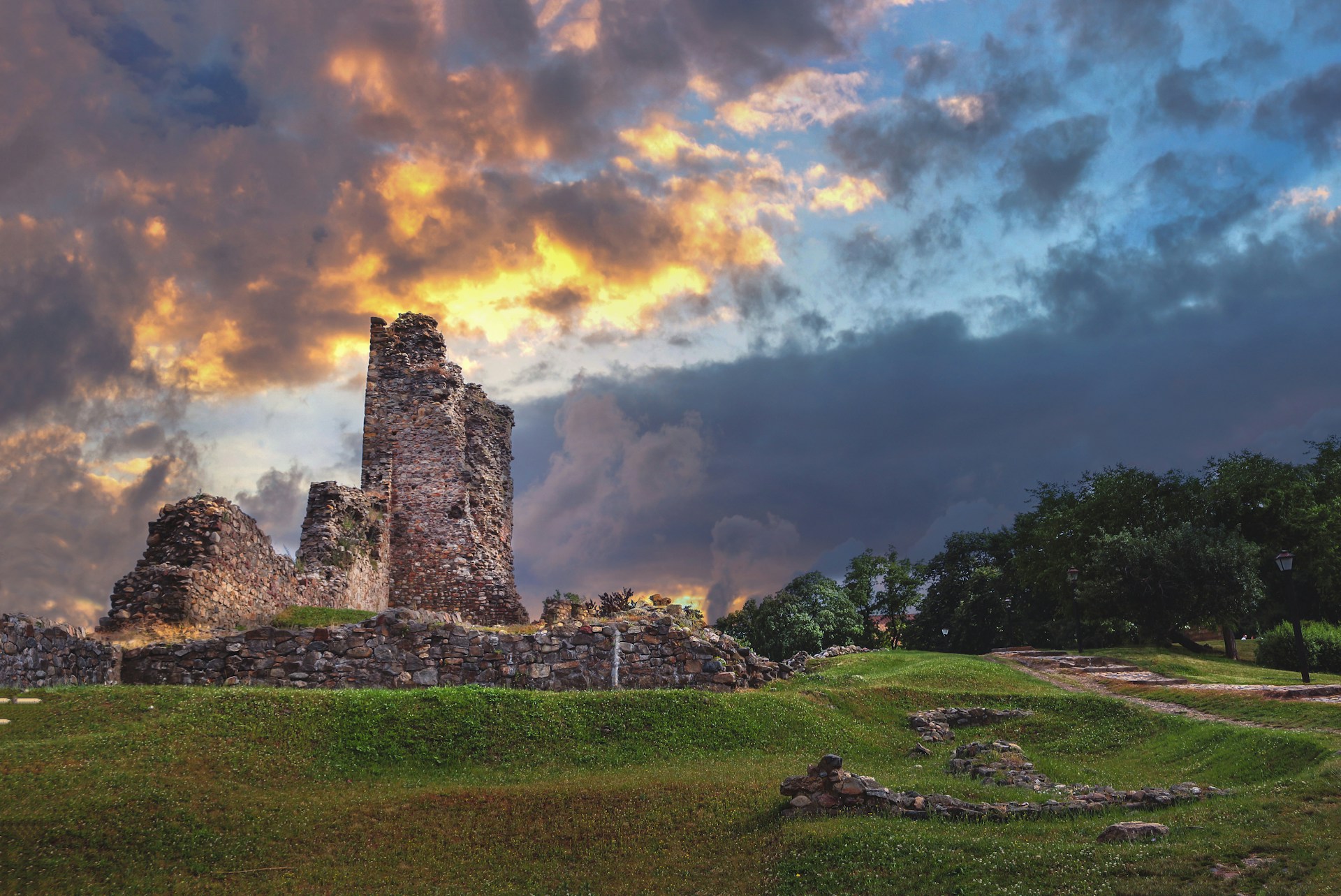
City view of Krusevac, Serbia

Krusevac

Krusevac keeps its medieval heart visible in the Lazarica Church, built under Prince Lazar in the fourteenth century, its stone patterns echoing prayers still alive in the town’s rhythm. Ruins of the fortress mark where armies once prepared for battles, but today children ride bicycles along the old walls. The National Museum offers mosaics, swords, and folk costumes that explain how the city became a hinge between regions. Markets carry cabbages stacked like sculptures, while bakeries send out hot somun bread to accompany grilled meats. Locals take pride in their tradition of song and epic poetry, remembering how verses helped memory travel faster than horses. Nearby Bagdala Hill frames sunsets and picnics, the city unfolding below with calm precision. A small curiosity is the local stone carving workshops, where craftsmen still etch icons and floral patterns by hand. Krusevac reminds you that history does not weigh; it lends you posture.

Top attractions & things to do in Krusevac

If you’re searching for the best things to do in Krusevac, this guide brings together the top attractions and must-see places to visit in Krusevac. The top picks below highlight the most visited sights for first-time visitors, plus a few local favorites worth adding.

Bagdala Park and Viewpoint in Krusevac, Serbia

Bagdala Park and Viewpoint

A gentle hill rises behind the streets and pines collect the wind into a softer register while paths aim toward a railing that understands sunsets. Laid out and expanded through the 20th century, the park gave Krusevac a civic balcony over the Ibar basin and a place to rehearse holidays like Vidovdan with music and quiet ritual. From the ridge you read a local atlas in rooftops and steeples and locate Lazarica by its red geometry, a friendly landmark that refuses to hide. Memorial stones recall hard years of World War II, and the site keeps ceremonies brief because the view does most of the speaking. In spring, acacia and lilac tilt the air toward celebration, and in autumn the light turns copper on benches where chess sets appear. Bagdala proves that a city needs height for perspective and shade for patience and that public happiness often looks like families walking without hurry under old trees.
Ads place
Ads place
Ads place
Ads place
Ads place
Krusevac Fortress in Krusevac, Serbia

Krusevac Fortress

Grassy embankments and broken towers outline the once crowded court where a medieval capital learned to speak in proclamations and bells. The stronghold rose with the realm of Prince Lazar around 1371, when Moravian Serbia needed a seat that faced both markets and threats. Excavated foundations of halls, a donjon, and gates make the plan legible, while finds connect the site to courtly life and military habit under the shifting frontier with the Ottoman world. The fall of 1455 ended the first chapter but not the memory, and modern archaeology in the 20th century stitched fragments into a narrative that visitors can walk. From the rampart you see Lazarica nearby, a reminder that throne and altar once stood in deliberate conversation. Evening turns brick to copper and the city drifts past on ordinary errands, unaware that policy once paced these same paths. The ruin persuades gently that geography drafts history before scribes sign it.
Ads place
Ads place
Ads place
Ads place
Ads place
Lazarica Church in Krusevac, Serbia

Lazarica Church

Stone and brick interlace in warm bands and the small church seems to gather the whole city into its courtyard before you even notice the bell. Built in the late 14th century under Prince Lazar Hrebeljanovic, it became the emblem of the Morava valley and a model of the Morava style where delicate stonework turns theology into craft. Dedication to Saint Stephen ties the sanctuary to royal ritual, while chronicles link its prayers to the anxious summer of 1389 and the vigil before Kosovo. Later ages brought damage and care, and in the 19th century restorers returned the drum and portals to a calm that honors their first intention. Step inside and the space feels measured like good handwriting, with traces of frescoes that survived both weather and empire. Outside, roses and low walls keep the scale human and the city slows its voice. Lazarica teaches that endurance can look modest yet carry a nation's center of gravity without strain.
Ads place
Ads place
Ads place
Ads place
Ads place
Monument to the Kosovo Heroes in Krusevac, Serbia

Monument to the Kosovo Heroes

In the main square a tall pedestal gathers figures into a single story and the city adjusts its pace around them. Sculpted by Djordje Jovanovic and unveiled in 1904, the ensemble stages the memory of 1389 with a vigor that still reads clearly from every angle. Heroes of the epic tradition surge upward while a winged Victory lifts the standard, and inscriptions fold poetry into civic ground. The monument rose in the reign of King Peter I, when public art helped rebuild confidence after long uncertainty, and its bronze has since weathered protests, parades, and quiet mornings. Children climb the steps to point at names they hear at school, and wreaths appear on Vidovdan as the square becomes a classroom without walls. Around the base, benches hold conversations that mix errands with remembrance. The work proves that sculpture can organize a city's memory as surely as streets and that art can keep a promise across generations.
Ads place
Ads place
Ads place
Ads place
Ads place
National Museum of Krusevac in Krusevac, Serbia

National Museum of Krusevac

White rooms open like well edited chapters and the city tells its story through objects that prefer evidence over flourish. Founded in 1951, the museum became the keeper of material from the fortress and Lazarica, setting courtly ornaments beside tools to show how power leaned on daily work. Cases follow medieval Morava culture into the pressures of the Ottoman centuries, then turn to the 19th century when schools and printing reshaped habits. A gallery on the Kosovo tradition places icons, banners, and documentation where visitors can read ritual and politics in the same glance. Curators favor context and clear labels, so children move easily from a shard of glazed ware to a map that restores its address in time. Temporary shows bring contemporary artists into conversation with the archive and keep the building awake to fresh questions. You leave with dates arranged and the sense that a city lives best when it curates itself openly.
Ads place
Ads place
Ads place
Ads place
Ads place