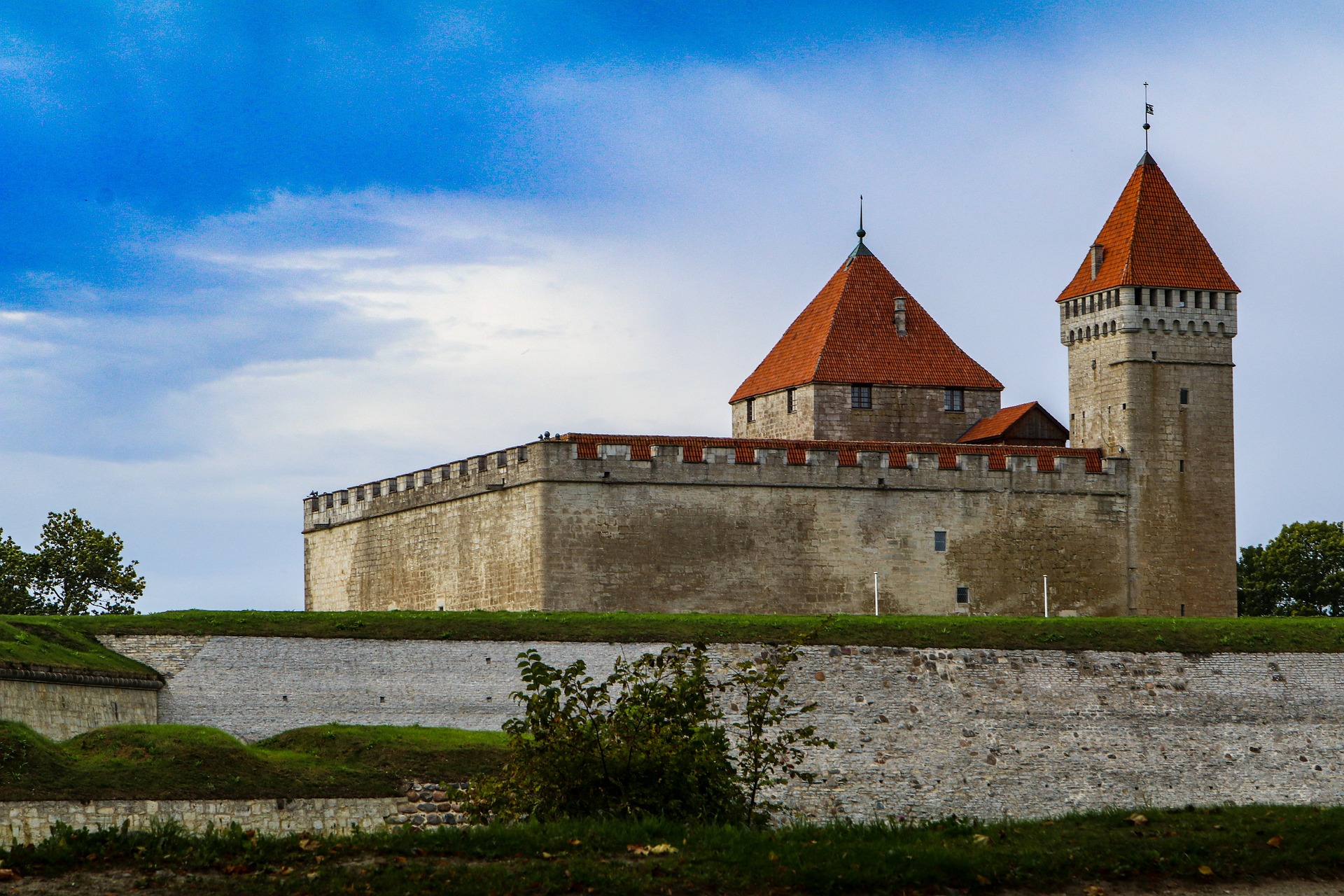

City view of Kuressaare, Estonia

Kuressaare

Kuressaare, located on the island of Saaremaa, is known for its well-preserved Kuressaare Castle, which dates back to the 14th century. The castle now houses the Saaremaa Museum, which offers insights into the island's history and culture. Kuressaare is a popular spa town, famous for its health resorts and wellness treatments. The town's seaside location and beautiful parks make it a great place for relaxation. The main square and surrounding streets feature charming cafés, restaurants, and local shops. Kuressaare is also a gateway to exploring Saaremaa's natural beauty, including its unique windmills and meteorite craters.

Top attractions & things to do in Kuressaare

If you’re searching for the best things to do in Kuressaare, this guide brings together the top attractions and must-see places to visit in Kuressaare. The top picks below highlight the most visited sights for first-time visitors, plus a few local favorites worth adding.

Kuressaare Beach in Kuressaare, Estonia

Kuressaare Beach

Just a ten-minute stroll from the castle park, Kuressaare’s Blue Flag beach curves around a shallow bay whose knee-deep water warms to 22 °C by July—ideal for children perfecting sand castles. A cedar-plank sunset promenade lines the dunes, dotted with Art-Deco bathhouses offering sea-mud massages and wood-fired saunas. Early risers practise yoga on a pier as mute swans glide past, while afternoons buzz with beach volleyball tournaments and kite-surf lessons harnessing Baltic breezes. Lifeguards patrol from mid-June, and rental huts supply paddleboards, deck chairs and creamy kama ice-cream. Summer evenings bring acoustic concerts to a pop-up stage whose lights shimmer across the calm Baltic Sea. Interpretive panels explain the bay’s role as a historic landing site for Hanseatic traders and its status today as a protected habitat for ringed plovers. A nearby health trail winds through pine forest fitness stations to a lookout tower perfect for star-gazing. Equal parts recreation ground and ecological classroom, Kuressaare Beach embodies Saaremaa’s laid-back coastal spirit.
Ads place
Ads place
Ads place
Ads place
Ads place
Kuressaare Castle in Kuressaare, Estonia

Kuressaare Castle

Commanding the edge of Kuressaare Bay, this perfectly-quadrangular fortress was raised by the 14th-century Livonian Order to protect lucrative salt and amber routes across the Baltic. Visitors cross a working drawbridge over the water-filled moat and enter echoing halls where vendace once smoked above open hearths. Inside, the award-winning Saaremaa Museum traces island life from Viking trading posts to Soviet occupation, displaying Crusader swords, corsair cannonballs and clandestine 1940s radio sets. Climb the North Tower for panoramic views of rampart-ringed fortifications and the red-roofed Old Town. The Gothic chapel reveals skull-keystones and medieval fresco fragments; at night costumed guides recount the castle’s “Grey Lady” legend beneath ribbed vaults. Summer brings archery contests, falconry shows and outdoor opera in the breezy Great Hall, while winter sees candle-lit Christmas markets selling juniper honey and woollen mittens. Meticulous 1960s restorations preserved limestone corbels scarred by 1941 shelling, allowing Kuressaare Castle to remain Estonia’s finest window onto centuries of conflict, faith and island resilience.
Ads place
Ads place
Ads place
Ads place
Ads place
Kuressaare Episcopal Garden in Kuressaare, Estonia

Kuressaare Episcopal Garden

Laid out on the 19th-century ramparts of the castle, the landscaped park known as the Episcopal Garden offers mirror-calm ponds, bowing willows and fragrant rose beds shaped to echo star-shaped bastion earthworks. Meandering gravel paths weave past a herb garden supplying the spa town’s apothecaries and an ornamental pond crossed by a wrought-iron bridge favoured by wedding photographers. In July, the open-air concert pavilion hosts chamber recitals that drift across the water, while twilight cinema screens classic films onto a bastion wall. Children hunt for wooden animal carvings hidden among centuries-old oaks, and summer art fairs display limestone sculptures along the sculpture promenade. Interpretive boards chronicle the grounds’ earlier life as a defensive kill-zone and later as a 1930s healing park planted with linden trees for their soothing scent. Winter brings lantern walks and ice-skating on shallow flood-meadows. Whether picnicking under apple blossoms or attending a poetry festival, visitors find the Episcopal Garden a serene cultural oasis wrapped around Kuressaare’s medieval heart.
Ads place
Ads place
Ads place
Ads place
Ads place
Kuressaare Town Hall in Kuressaare, Estonia

Kuressaare Town Hall

Completed in 1670 under Swedish rule, Kuressaare Town Hall epitomises island Baroque architecture with its rust-red hipped roof, helical pilasters and elegant sand-stone portal carved by master mason Daniel Pöppel. The intimate council chamber upstairs dazzles with a rare painted stucco ceiling featuring cherubs, cornucopias and the coat-of-arms of Governor Bengt Horn. Though municipal meetings moved long ago, local dignitaries still gather here for annual independence ceremonies beneath a glittering brass chandelier imported from Lübeck. Step outside to admire the adjacent weigh house—an octagonal kiosk once crucial for taxing grain—and the cobbled market square where farmers sell black bread, juniper cheese and hand-knitted mittens every Saturday. Surrounding cafés occupy former merchant lofts, serving saffron “yellow soup” and Saaremaa cider while street musicians play accordions. In summer the façade doubles as a canvas for 3-D light projections recounting town history, and winter brings an Advent fair around a towering spruce. Equal parts living monument and social nucleus, Kuressaare Town Hall anchors the island’s civic identity.
Ads place
Ads place
Ads place
Ads place
Ads place
Saaremaa Museum in Kuressaare, Estonia

Saaremaa Museum

Housed within Kuressaare Castle’s limestone walls, the Saaremaa Museum guides guests through 8,000 years of island life. Galleries begin with Mesolithic seal-hunters and progress to glittering Viking silver hoards, runic stones and crusader helmets. A reconstructed 19th-century farmhouse kitchen simmers with rye-bread aromas, while an ethnographic exhibit displays folk costumes embroidered with astral symbols unique to Saaremaa. The poignant World War II gallery features diary pages from local submariners and wreckage of a downed Soviet fighter salvaged from coastal bogs. Upstairs, an interactive map projects shipping lanes so children can steer virtual schooners through treacherous ice. Visitors ascend the castle’s glazing-decked parapet to a panoramic tower view, spotting NATO radar domes and windmills on the horizon. Seasonal halls host contemporary art and a science fair where schools test solar boats in the moat. Live craft demonstrations—blacksmithing, net-mending, wool carding—animate the courtyard most weekends. Comprehensive yet engaging, Saaremaa Museum stitches archaeology, natural history and modern memory into an unforgettable island narrative.
Ads place
Ads place
Ads place
Ads place
Ads place