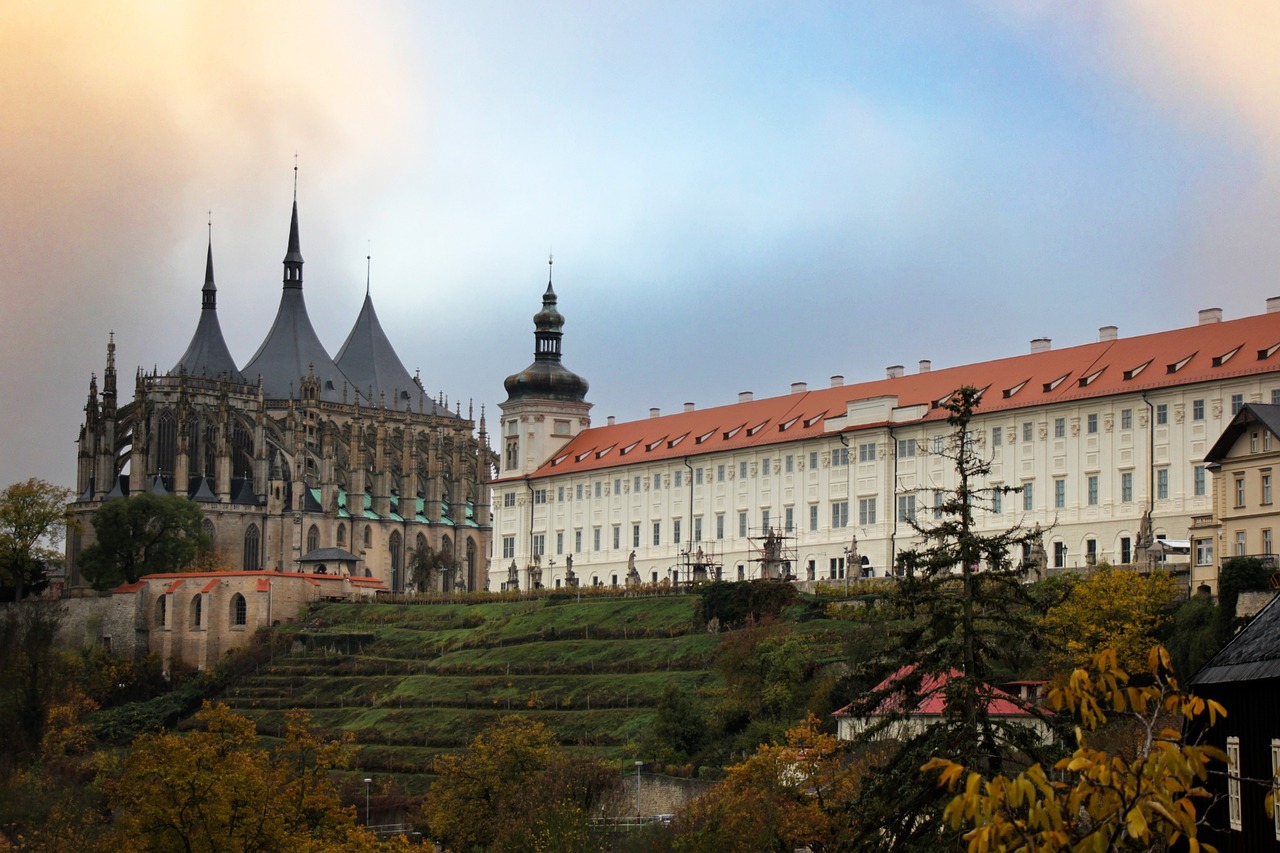

City view of Kutna Hora, Czech Republic

Kutna Hora

Kutna Hora, a UNESCO World Heritage site, is a historic town located in the Central Bohemian Region of the Czech Republic. Known for its silver mining history, the town was once one of the wealthiest in Europe. The impressive Gothic architecture, including the famous St. Barbara's Church and the Sedlec Ossuary (Bone Church), is a reminder of its prosperous past. Visitors can explore the old silver mines, tour the beautifully preserved medieval streets, and admire the town's stunning cathedrals. Kutna Hora is a must-visit for history enthusiasts, offering a unique glimpse into the medieval past of the Czech Republic.

Top attractions & things to do in Kutna Hora

If you’re searching for the best things to do in Kutna Hora, this guide brings together the top attractions and must-see places to visit in Kutna Hora. The top picks below highlight the most visited sights for first-time visitors, plus a few local favorites worth adding.

Church of Saint James in Kutna Hora, Czech Republic

Church of Saint James

The Church of Saint James stands at the heart of Kutna Hora, its soaring 86-meter spire visible for miles as a testament to the town’s medieval prosperity. Construction began in the early 14th century when Kutna Hora was a leading silver-mining center, and stonemasons carved elaborate Gothic arches and buttresses that still support the high vaulted nave. Within, visitors discover a relatively simple yet elegant interior, where medieval frescoes—now carefully restored—depict biblical scenes and miners at work. The main altar, installed in 1410, combines carved oak and painted panels illustrating the life of Saint James. A narrow stone staircase leads to a balcony offering panoramic views across Kutna Hora’s red roofs, the Church of Saint Barbara, and the rolling Bohemian countryside. Seasonal concerts of chamber music fill the church with rich harmonies, taking advantage of its superb acoustics. Archaeologists periodically uncover fragments of original medieval stained glass in side chapels, now displayed in a small exhibit beneath the rear gallery. The Church of Saint James remains both an active parish and a monument to the town’s spiritual and industrial heritage.
Ads place
Ads place
Ads place
Ads place
Ads place
Hradek and Czech Museum of Silver in Kutna Hora, Czech Republic

Hradek and Czech Museum of Silver

Hradek Castle overlooks Kutna Hora from a gentle hill and today houses the Czech Museum of Silver, dedicated to the techniques and lore of medieval mining. Once a noble residence, the castle’s sturdy stone walls now frame exhibits of original mining tools, wooden ore carts, and interactive displays on local geology. A guided descent into a reconstructed underground shaft lets visitors experience the cramped, dimly lit conditions faced by medieval miners, complete with replica pickaxes and lanterns. The museum traces the evolution of silver extraction—from hand-dug pits to 15th-century water-driven pumps—highlighting innovations that once made Kutna Hora Europe’s financial powerhouse. Upstairs, a collection of minted coins and ingots illustrates how silver shaped politics, art, and trade. Seasonal smithing demonstrations and archaeology digs invite families to join in hands-on learning. From the castle ramparts, guests enjoy sweeping views of the historic center, while guided tours recount heroic tales of miners carving fortunes from the earth. Hradek and the Czech Museum of Silver offer an immersive journey into the heart of Kutna Hora’s shining legacy.
Ads place
Ads place
Ads place
Ads place
Ads place
Italian Court (Vlassky Dvur) in Kutna Hora, Czech Republic

Italian Court (Vlassky Dvur)

The Italian Court (Vlassky Dvur) served as the royal mint and administrative seat for Bohemian kings in Kutna Hora, its name honoring the Italian experts who modernized coin production in the 14th century. Visitors enter through a grand courtyard flanked by Gothic arcades, passing the ornate Chapel of St. Wenceslas with its ribbed vaults and painted saints. Inside the museum, exhibits display authentic medieval coinage, hammered silver groschen, and large coin dies once used to stamp royal insignia. Interactive minting stations let guests try their hand at striking replica coins under supervision. Detailed panels trace the economic impact of Kutna Hora’s silver boom, showing how minted currency fueled trade across Europe. The palace’s Gothic halls also housed royal courts and councils; a preserved throne dais recalls where emissaries once gathered. Seasonal reenactments bring the mint to life with costumed interpreters demonstrating smelting, weighing, and assaying. Whether exploring its storied rooms or admiring its frescoed walls, the Italian Court offers a vivid encounter with medieval monetary power and craftsmanship.
Ads place
Ads place
Ads place
Ads place
Ads place
Saint Barbara's Church in Kutna Hora, Czech Republic

Saint Barbara's Church

Saint Barbara's Church soars above Kutna Hora as a masterpiece of Gothic cathedral architecture, begun in the late 14th century to honor the patron saint of miners. Its soaring flying buttresses and ribbed vaulted ceiling speak to the town’s wealth derived from rich silver mines carved into nearby hills. Inside, vivid stained-glass windows filter kaleidoscopic light across the polished stone floor, while frescoes depict scenes of miners at work alongside religious iconography. Visitors explore the intricate stone carvings of saints and angels that frame the main altar, and pause before the carved wooden pulpit, which features reliefs of medieval mining tools. A narrow spiral staircase of 187 steps leads to a clerestory gallery offering panoramic views of red-tiled roofs and the valley below. Recognized as a UNESCO World Heritage site, Saint Barbara's Church also hosts seasonal concerts that take advantage of its superb acoustics. Guided tours recount tales of royal visits, mining guild ceremonies, and the church’s role as the spiritual heart of a flourishing medieval town.
Ads place
Ads place
Ads place
Ads place
Ads place
Sedlec Ossuary (Bone Church) in Kutna Hora, Czech Republic

Sedlec Ossuary (Bone Church)

The Sedlec Ossuary, commonly called the Bone Church, lies beneath the Cemetery Church of All Saints in Kutna Hora and showcases a truly macabre art form. Dating back to the 16th century, its walls and ceilings are ornamented with the bones of over 40 000 individuals exhumed from local burial grounds. Visitors first pass through a narrow passage into the chandelier hall, where a giant chandelier crafted entirely from human bones hangs suspended at the center. Nearby, the Schwarzenberg family’s heraldic coat of arms looms overhead, composed of skulls and femurs arranged in regal symmetry. Guided tours illuminate the medieval beliefs surrounding death, resurrection, and the transience of life, and explain how the ossuary was rediscovered during 19th-century renovations. Today it is recognized as a UNESCO World Heritage site, drawing thousands annually to experience its haunting yet unforgettable atmosphere. An on-site exhibit in the adjoining chapel delves into the history of Kutna Hora’s silver boom, when mass burials overflowed local cemeteries. Whether viewed by flickering lantern light or daylight through small windows, the Sedlec Ossuary remains a profound testament to human mortality and artistic ingenuity.
Ads place
Ads place
Ads place
Ads place
Ads place