
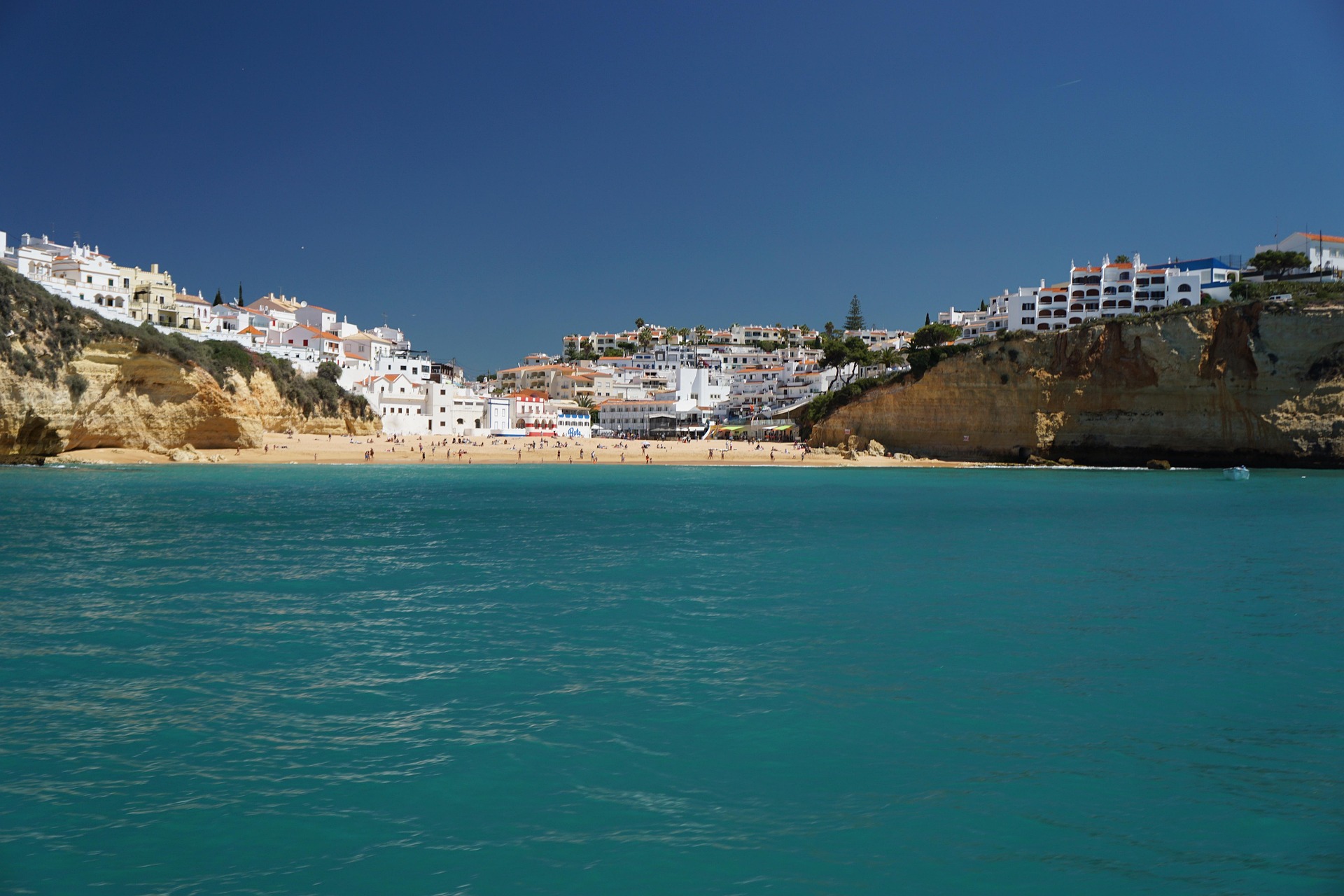
City view of Lagos, Portugal

Lagos

Lagos looks outward through honeycombed cliffs toward a horizon busy with kayaks and tales. The Ponta da Piedade headlands twist limestone into arches and coves, and the old city walls stitch centuries together without fuss. Prince Henry the Navigator shaped nautical dreams here, while exhibits face the difficult truth of a 15th century slave market that also operated nearby. Fishermen mend nets beside surf shops comparing wave forecasts; everyone checks the same wind. Cataplana steams open with clams and chorizo, and grilled sardines make complicated menus unnecessary. At dusk, cliffs catch firelight and boat lanterns sketch a dotted line home. A curious tidbit: locals claim a sea cave hums on certain winter nights, a baritone note that only appears after storms, as if the Atlantic were clearing its throat before another chapter. Inland, the small museum in the governors castle hides a Roman mosaic rescued from farm soil, proof that history here prefers closets to pedestals.

Top attractions & things to do in Lagos

If you’re searching for the best things to do in Lagos, this guide brings together the top attractions and must-see places to visit in Lagos. The top picks below highlight the most visited sights for first-time visitors, plus a few local favorites worth adding.

Forte da Ponta da Bandeira in Lagos, Portugal

Forte da Ponta da Bandeira

Low and angular beside the river mouth, the fort looks practical rather than grand, which is exactly the point. Built in the late 17th century during the Restoration War, it guarded the harbor with overlapping fields of fire and stout walls set against sand and surge. A wooden drawbridge still leads into a square courtyard where a tiny chapel surprises with blue-and-white azulejos. Exhibits explain garrison routines, powder stores, and the chain once stretched across the entrance to bar enemy hulls. From the roof, the geometry becomes clear: bastions shoulder the prevailing winds while sentries faced the bar that so often made or broke a homecoming. The dedication to Nossa Senhora da Penha de Franca ties defense to devotion without fuss, a coastal habit born of storms. On clear afternoons the fort mirrors the sea's color, a reminder that engineering and tide have negotiated here for centuries.
Ads place
Ads place
Ads place
Ads place
Ads place
Igreja de Santo Antonio and Municipal Museum in Lagos, Portugal

Igreja de Santo Antonio and Municipal Museum

From the street, the church keeps a modest profile; inside, gilded Baroque woodwork unfolds like a stage set, dense with angels, vines, and ships that nod to a maritime city. Rebuilt in 1769 after damage and renewed devotion, it pairs talha dourada with painted ceilings and panels that carry local saints toward the rafters. Next door, the museum founded by Dr. Jose Formosinho gathers archaeology, ethnography, and curiosities—Roman lamps, fishermen's tools, even costumes worn for processions—into a narrative that feels both homespun and precise. The pairing works: one side rehearses transcendence, the other catalogs daily life with affection. Tiles (azulejos) cool the walls where candle soot once collected, and a small courtyard offers shade when the church's gold overwhelms the eye. Lagos often tells its story with waves and cliffs, but here it speaks in wood, pigment, and patience, edited by the 1755 earthquake and the steady repairs that followed.
Ads place
Ads place
Ads place
Ads place
Ads place
Ponta da Piedade in Lagos, Portugal

Ponta da Piedade

Cliffs fold into arches and needle-thin stacks while the sea writes its patient script below, and boat pilots trace ribbons through water the color of old glass. A squat lighthouse from 1913 watches the constant rehearsal, its beam sweeping across carved limestone whose textures change with each cloud. Stairs drop to a cove where fishermen once kept dories ready for sudden weather, and guides now point out windows, bridges, and grottoes as if they were characters in a story. Winter swells from the Atlantic turn the headland into theatre; summer mornings calm everything to a whisper. Kayaks slip into grottos that smell faintly of salt and sun-heated stone, and gulls annotate the margins with quick strokes. Local fishermen still argue over which tide paints the caves best, a debate that never needs settling. Stay for sunset and you will see how winter swells and summer glass share the same horizon, only at different tempos.
Ads place
Ads place
Ads place
Ads place
Ads place
Praia do Camilo in Lagos, Portugal

Praia do Camilo

A switchback of steps—nearly 200 wooden steps—leads down between ochre cliffs to a pair of coves so close they trade waves. The rock is layered sandstone, soft enough for the sea to sketch arches and windows that change with every season. Snorkelers chase darting fish over pale sand; early swimmers fold into water that looks hand-polished. At low tide, a tunnel connects the beaches and children treat it like a passport. From the headland, you can see the silhouettes of Ponta da Piedade, a reminder that this small bay belongs to a larger story of erosion and patient craft. In late afternoon the cliffs glow like embers and shadows lengthen into cool rooms. On windless days the surface goes glassy, and even gulls seem to whisper. Bring light shoes, a bottle of water, and time—the combination that makes limpid water and weathered stone feel like an earned secret near Ponta da Piedade.
Ads place
Ads place
Ads place
Ads place
Ads place
Slave Market Museum (Mercado de Escravos) in Lagos, Portugal

Slave Market Museum (Mercado de Escravos)

In a modest square stands a sober building that asks visitors to read carefully. The first recorded slave auction in continental Europe took place in Lagos in 1444, tied to voyages encouraged by Prince Henry and the expansion of the Atlantic trade. The current arcaded structure dates to 1691, and its rooms now hold documents, maps, and quiet installations that resist spectacle. Curators trace capture, transport, sale, and the lives that followed, reminding us that accounting ledgers once tried to turn people into units. You will see archaeology from nearby digs, baptismal records, and contracts that reveal how ordinary handwriting can carry extraordinary harm. The museum does not raise its voice; it does not need to. Step back outside and the market square feels altered, its noise trimmed by context and remembrance. Lagos is proud of many things, but here it practices the harder pride of truth-telling and attention.
Ads place
Ads place
Ads place
Ads place
Ads place