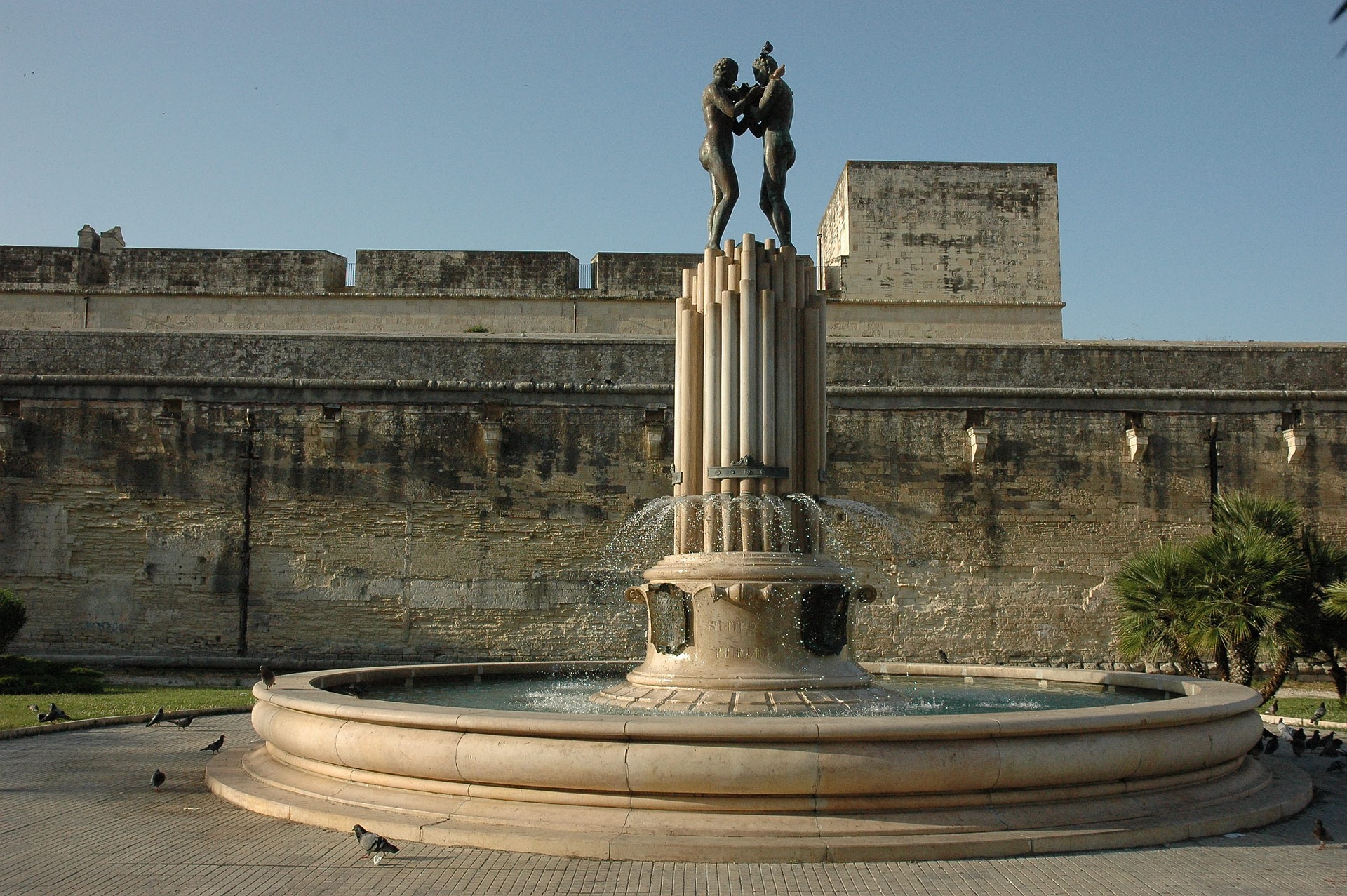

City view of Lecce, Italy

Lecce

Lecce, often called the 'Florence of the South,' is a Baroque gem in the Puglia region. Known for its ornate architecture, Lecce is home to stunning landmarks such as the Basilica di Santa Croce and the Lecce Cathedral. The city's historic center is a labyrinth of narrow streets, charming piazzas, and artisan workshops specializing in the local stone, pietra leccese. Lecce also offers vibrant nightlife, delicious cuisine, and a warm, welcoming atmosphere. Its proximity to beautiful beaches makes Lecce a perfect destination for culture and relaxation.

Top attractions & things to do in Lecce

If you’re searching for the best things to do in Lecce, this guide brings together the top attractions and must-see places to visit in Lecce. The top picks below highlight the most visited sights for first-time visitors, plus a few local favorites worth adding.

Basilica of Santa Croce in Lecce, Italy

Basilica of Santa Croce

The Basilica of Santa Croce is a masterpiece of Baroque architecture and one of Lecce's most iconic landmarks. The church's ornate facade is a true work of art, featuring intricate sculptures, floral motifs, and figures from mythology. The Baroque style of the church is characterized by its elaborate decoration and dynamic forms, which reflect the religious and artistic spirit of the 17th century. As visitors approach the basilica, they are greeted by a stunning display of craftsmanship, with delicate carvings and sculptures adorning the exterior. Inside, the church continues to impress, with beautifully crafted altars, frescoes, and intricate details throughout. The Basilica of Santa Croce is not just a religious site but also an important symbol of Lecce's artistic heritage. It stands as a testament to the city's role in the development of the Baroque movement, which flourished in this region during the 16th and 17th centuries. The church's historical and architectural significance makes it a must-visit for anyone exploring Lecce, whether you are interested in religious history, architecture, or the fine arts. Its serene interior provides a peaceful contrast to the ornate exterior, offering a moment of reflection and awe for visitors.
Ads place
Ads place
Ads place
Ads place
Ads place
Castle of Charles V in Lecce, Italy

Castle of Charles V

The Castle of Charles V in Lecce is a historic fortress that dates back to the 16th century. Originally built as a defensive structure to protect the city, the castle is a fine example of Renaissance military architecture. Over the centuries, the castle has undergone various transformations, and today, it serves as a cultural center that hosts exhibitions, events, and performances. Visitors can explore the castle's impressive architectural features, including its large towers, expansive courtyards, and underground passages. These elements provide a glimpse into the castle's strategic importance during the Renaissance period. The castle's architecture is robust and utilitarian, designed to defend Lecce from invaders, yet it also contains decorative elements that reflect the artistic tastes of the time. Inside, visitors will find a variety of exhibits that highlight the cultural and historical importance of Lecce. The castle is not only a key historical landmark in Lecce but also a place where the city's past and present come together. Whether you're interested in history, architecture, or contemporary art, the Castle of Charles V offers something for every visitor.
Ads place
Ads place
Ads place
Ads place
Ads place
Piazza del Duomo in Lecce, Italy

Piazza del Duomo

Piazza del Duomo is the beating heart of Messina, Sicily, dominated by its stunning Duomo (Cathedral of Santa Maria Assunta) and the world's largest astronomical clock tower. But beyond its beauty lies a treasure trove of intriguing, lesser-known stories. Did you know that Messina's original Duomo, founded in the 12th century by Norman King Roger II, was almost entirely rebuilt after the devastating 1908 earthquake? The reconstruction meticulously recreated its Norman-Arab facade, but if you look closely, some original medieval elements remain, like the 14th-century Gothic portal. The Bell Tower's Astronomical Clock is a marvel—unveiled in 1933, it's not just a timekeeper but a mechanical theater! At noon, golden lion statues roar, a rooster crows (symbolizing St. Peter's denial of Christ), and biblical figures parade in a mesmerizing show. Few realize the clock's mechanisms were designed by Swiss firm Ungerer, the same creators of Strasbourg's famous clock. Beneath the square, hidden cisterns and tunnels from the Middle Ages once supplied water during sieges.
Ads place
Ads place
Ads place
Ads place
Ads place
Porta Napoli in Lecce, Italy

Porta Napoli

Porta Napoli, or Naples Gate, is a monumental triumphal arch that stands as one of the main entrances to the historic center of Lecce. Built in the 16th century, this grand archway commemorates Emperor Charles V and serves as a symbol of the city's rich history and its role in the Renaissance period. The design of Porta Napoli reflects the Renaissance style, with its imposing columns, detailed carvings, and inscriptions that tell the story of the city's strategic importance. The archway is an excellent example of the fusion of artistic and architectural styles that define Lecce's unique Baroque heritage. As visitors pass through the arch, they are greeted with stunning views of Lecce's historical streets, which are lined with beautiful buildings that showcase the city's architectural legacy. Porta Napoli is not just an entrance, it is a symbolic gateway to the rich cultural and historical treasures of Lecce. It is a perfect starting point for anyone exploring the city's ancient streets and is one of the most iconic landmarks of the area. For those interested in the Renaissance period or in the architectural gems of Lecce, Porta Napoli is a must-see landmark.
Ads place
Ads place
Ads place
Ads place
Ads place
Roman Amphitheater in Lecce, Italy

Roman Amphitheater

The Roman Amphitheater in Lecce is a remarkable ancient structure located in the heart of the city. Dating back to the 2nd century AD, this amphitheater once hosted gladiator battles and various public spectacles, reflecting the cultural significance of Lecce during the Roman Empire. Today, the amphitheater serves as a fascinating reminder of the city's Roman heritage. Although it is partially buried under modern buildings, the amphitheater is still an impressive sight to behold. The structure's size and the remnants of its seating area give visitors a sense of the scale and grandeur of the events that once took place there. Its historical importance is not just in its age but also in the way it showcases the engineering prowess of the Roman Empire. The amphitheater is a captivating site for history enthusiasts, archaeologists, and anyone interested in exploring Lecce's deep roots in antiquity. Despite being partially excavated, the site is a significant draw for visitors looking to understand the city's ancient past. The amphitheater is part of a larger archaeological complex that highlights the rich history of Lecce, making it an essential stop for anyone visiting the city.
Ads place
Ads place
Ads place
Ads place
Ads place