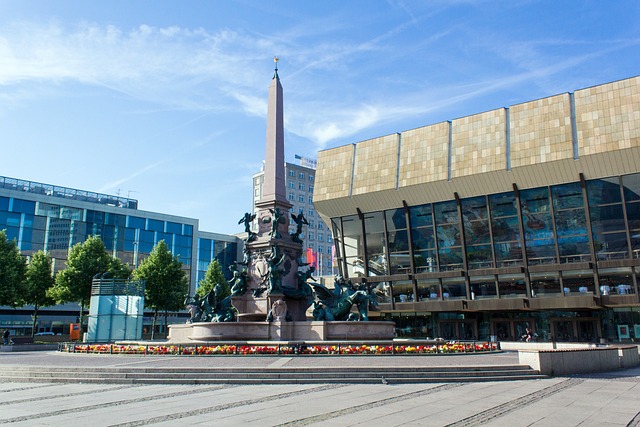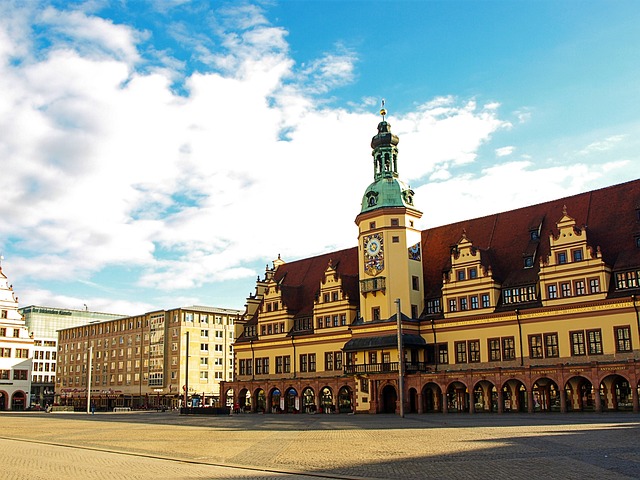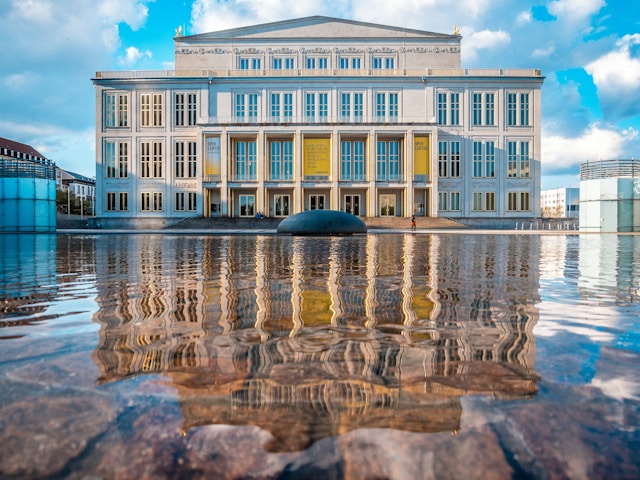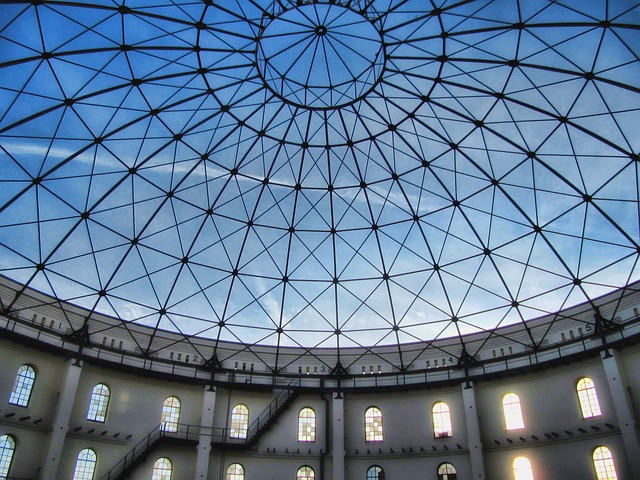
City view of Leipzig, Germany

Leipzig

Leipzig, located in the eastern part of Germany, is a city known for its rich musical and cultural heritage. The city was home to famous composers such as Johann Sebastian Bach and Felix Mendelssohn, and visitors can explore sites like the Bach Museum and the Gewandhaus concert hall. Leipzig's historical center features St. Thomas Church, where Bach once worked, and the old town hall. The city has a thriving arts scene, with galleries and creative spaces in the Spinnerei, a former cotton mill turned art complex. Leipzig's parks, such as Clara-Zetkin-Park, provide green spaces for relaxation. The city's modern developments include shopping centers and cafes that blend seamlessly with its historic architecture. Known for its progressive and youthful vibe, Leipzig continues to grow as a dynamic urban center.

Top attractions & things to do in Leipzig

If you’re searching for the best things to do in Leipzig, this guide brings together the top attractions and must-see places to visit in Leipzig. The top picks below highlight the most visited sights for first-time visitors, plus a few local favorites worth adding.

Clara-Zetkin Park in Leipzig, Germany

Clara-Zetkin Park

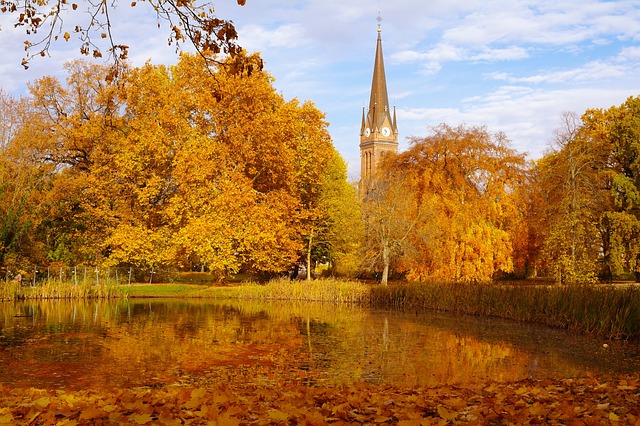
Clara-Zetkin Park, Leipzig's green lung spanning 125 hectares, was created from merged 19th-century royal gardens. Its Elsterflutbett floodplain forest contains 400-year-old oaks and Europe's largest urban bat colony (17 species). The park's 1950 Planetarium uses original Zeiss projection tech to map 9,000 stars. Summer brings the Wave-Gotik-Treffen festival's medieval jousting tournaments, while winter transforms meadows into 8km of cross-country ski trails. The Klingerhain sculpture garden displays 42 Expressionist works salvaged from WWII bombings. Eco-features include a 2015 bee highway with 120 native plant species supporting 8 million pollinators. The park's 1897 palm house nurtures 300 tropical plants from Germany's colonies.
Ads place
Ads place
Ads place
Ads place
Ads place
Leipzig Altstadt in Leipzig, Germany

Leipzig Altstadt

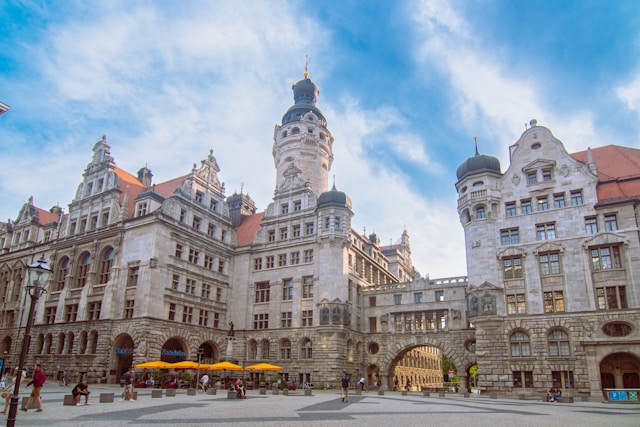
Leipzig Altstadt layers 800 years of history beneath its cobblestones, with archaeological finds from medieval tanneries visible under Marktplatz glass panels. The 1556 Old Town Hall contains Europe's longest Renaissance banquet hall (56m) and a 1530 astronomical clock predicting eclipses until 2100. Hidden courtyards like Barthels Hof preserve 18th-century trading houses where fur merchants stored Siberian pelts. The 1989 Peaceful Revolution began at St. Nicholas Church, where Monday prayers drew 70,000 protesters. Don't miss the Mädler Passage's 1914 wine cellar storing 240,000 bottles or the Specks Hof art nouveau elevators. Underground tours reveal 13th-century plague tunnels and WWII bunkers.
Ads place
Ads place
Ads place
Ads place
Ads place
Leipzig Gewandhaus in Leipzig, Germany

Leipzig Gewandhaus

The Leipzig Gewandhaus, home to the world's oldest civic orchestra (1743), boasts a 1,900-pipe organ with 32km of copper tubing. The current building (1981) features 16,000 acoustic panels tuned to 2.1-second reverberation - ideal for Bruckner symphonies. Its Great Hall ceiling displays Siegfried Krepp's 1984 fresco "Song of Life" using 720kg of gold leaf. The 1950 "Peace Bell", cast from WWII shell casings, rings before concerts. Musicians use 1781 Gewandhaus violins preserved in climate-controlled vaults. Backstage, a 1920s pneumatic tube system still delivers messages. The Mendelssohn Archive contains 7,000 pages of original scores, including water-damaged manuscripts salvaged from 1943 bombings.
Ads place
Ads place
Ads place
Ads place
Ads place
Leipzig Market Square in Leipzig, Germany

Leipzig Market Square

Leipzig Markt has been Central Europe's trading hub since 1165, when Margrave Otto granted market rights. The 1556 Old Town Hall displays Saxon electors' portraits painted on 300-year-old oak panels. Weekly markets feature 150 stalls selling Leipziger Lerche pastries (created to commemorate songbird protection in 1876). The square's 1960 Tröndlin Ring tramlines follow medieval salt trade routes. Annual highlights include October's Light Festival projecting historic trade scenes onto buildings and December's 500-stall Christmas market (1458 origin). Beneath the Alte Waage building, archaeological windows reveal 13th-century merchant scales and Hanseatic League coins.
Ads place
Ads place
Ads place
Ads place
Ads place
Leipzig Opera House in Leipzig, Germany

Leipzig Opera House

The Leipzig Opera House, founded in 1693, is the third-oldest musical theater in Europe and birthplace of Richard Wagner's first professional engagement. The current neo-Renaissance building (1868) features a 1,200kg crystal chandelier with 322 lights illuminating gold-leafed ceiling medallions depicting Mozart operas. Its acoustic shell allows unamplified voices to reach all 1,267 seats - a feat achieved through 19th-century mathematician Gotthold Eisenstein's parabolic calculations. The 1950s reconstruction preserved original Art Nouveau reliefs showing scenes from Goethe's Faust. Unique among opera houses, it maintains a resident children's ballet company established in 1957. Backstage tours reveal WWII bullet marks on the fire curtain and a 1920s elevator system transporting entire stage sets.
Ads place
Ads place
Ads place
Ads place
Ads place
Leipzig Panometer in Leipzig, Germany

Leipzig Panometer

The Leipzig Panometer, a converted 1909 gasometer, houses the world's largest 360° panoramas (105m circumference x 35m height). Artist Yadegar Asisi's "Titanic" exhibition used 1.2 million stitches to create photorealistic iceberg effects, while "Amazonia" required 8 tons of artificial vegetation. The dome's 1,500 lux lighting equals natural sunlight, enabling real-time shadow play. Visitors access a 15m-high observation platform via spiral stairs replicating 19th-century gasometer ladders. The 2015 "Great Barrier Reef" installation incorporated actual coral sounds recorded by marine biologists. Special VR headsets overlay historical scenes onto the panoramas. The site preserves original gas pressure valves and 1920s control panels as industrial heritage exhibits.
Ads place
Ads place
Ads place
Ads place
Ads place
Leipzig University in Leipzig, Germany

Leipzig University

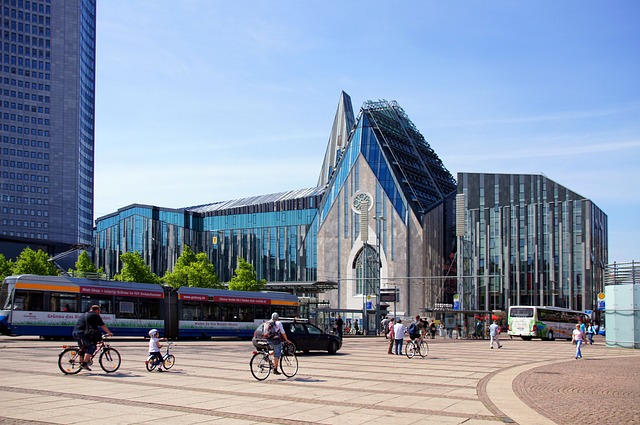
Founded in 1409, Leipzig University educated nine Nobel laureates including Werner Heisenberg. The Augusteum building blends 16th-century cloisters with a glass-and-steel facade symbolizing "knowledge transparency". Its 1543 Bibliotheca Albertina safeguards 5.5 million volumes, including Luther's annotated Bible and 900 medieval manuscripts. The Paulinum assembly hall incorporates 13th-century church ruins into its modern design. Campus tours reveal hidden gems: Einstein's 1922 lecture notes, Angela Merkel's 1978 chemistry lab, and a 1596 anatomical theater where medical students dissected cadavers. The university's AI research center occupies a former Stasi surveillance complex, repurposing spy equipment for data analysis.
Ads place
Ads place
Ads place
Ads place
Ads place
Monument to the Battle of the Nations in Leipzig, Germany

Monument to the Battle of the Nations

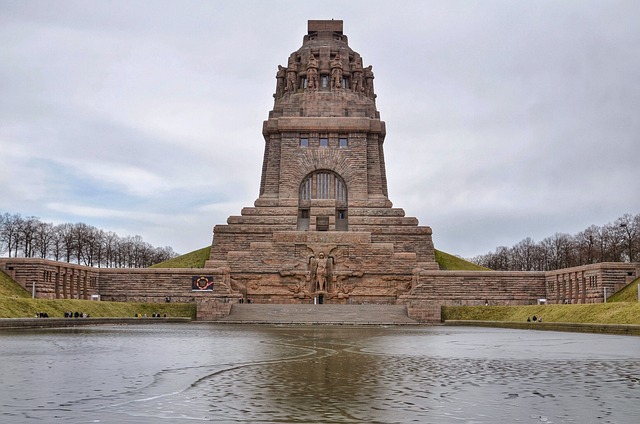
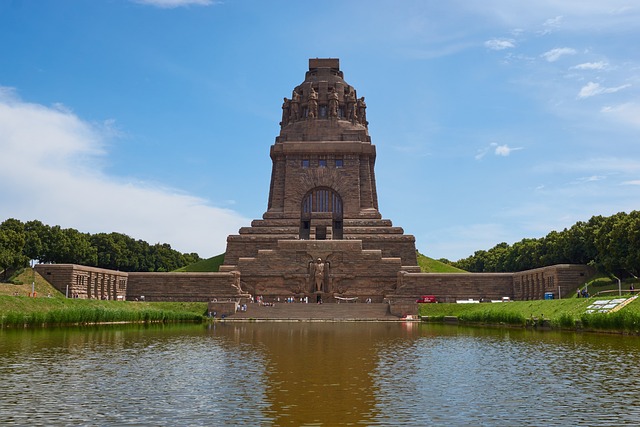
The Völkerschlachtdenkmal commemorates 1813's decisive battle where 600,000 soldiers clashed near Leipzig. At 91m, it's Europe's tallest monument, containing 300,000 tons of Beucha granite and a crypt with 16 stone warriors representing fallen nations. The 324-step ascent reveals a Observation Platform offering views to the Harz Mountains 80km away. Its 1913 construction used innovative reinforced concrete techniques later adopted for skyscrapers. The Lake of Tears surrounding the monument holds water filtered through 26,000 oak piles driven into marshy ground. Night projections recreate battle scenes using 40,000 lumens of light. Annual reenactments feature 6,000 participants in authentic Napoleonic uniforms.
Ads place
Ads place
Ads place
Ads place
Ads place
St. Nicholas Church in Leipzig, Germany

St. Nicholas Church

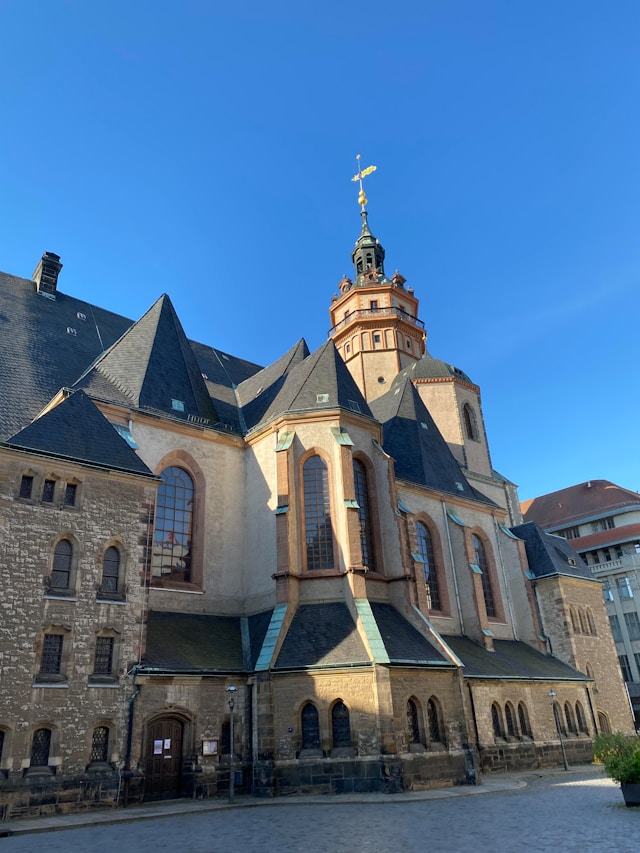
St. Nicholas Church's 77m dome was precisely calculated by Karl Friedrich Schinkel to echo the Pantheon's proportions. The organ pipes contain recycled artillery metal from Napoleonic Wars. Few know the clock mechanism uses original 1837 gravity weights descending 22m through the tower. The crypt hides a secret passage to the old city hall for emergency escapes. During WWII, the golden cross was smuggled out in a potato sack by resistance members. The acoustic mirrors in the choir amplify whispers from the pulpit to the back pews. Restorers recently discovered medieval frescoes beneath the whitewash, depicting the 1417 visit of Emperor Sigismund.
Ads place
Ads place
Ads place
Ads place
Ads place
St. Thomas Church in Leipzig, Germany

St. Thomas Church

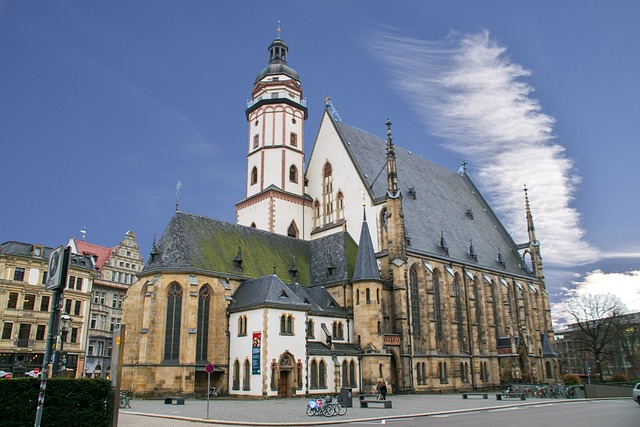
St. Thomas Church, where J.S. Bach composed the St. Matthew Passion, houses the world's oldest boys' choir (founded 1537). The 1512 Gothic structure preserves Bach's original contract in its archive and his remains beneath a bronze epitaph reading "Music Died Here". The 68m tower contains 325 steps leading to Germany's oldest carillon (1574) with 37 bells cast from melted Reformation-era coins. During WWII, the 1889 Sauer organ was dismantled and hidden in a salt mine to prevent Allied bombing damage. The church's Bach Festival (1908-present) features 300 annual events, including midnight performances of the B Minor Mass. Don't miss the 1516 "Dance of Death" fresco showing plague-era Leipzig.
Ads place
Ads place
Ads place
Ads place
Ads place