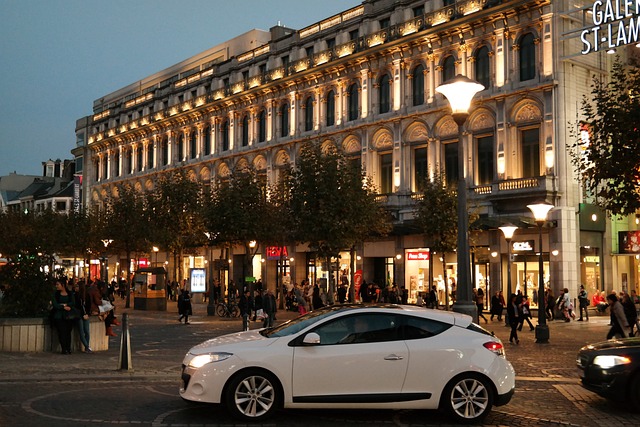
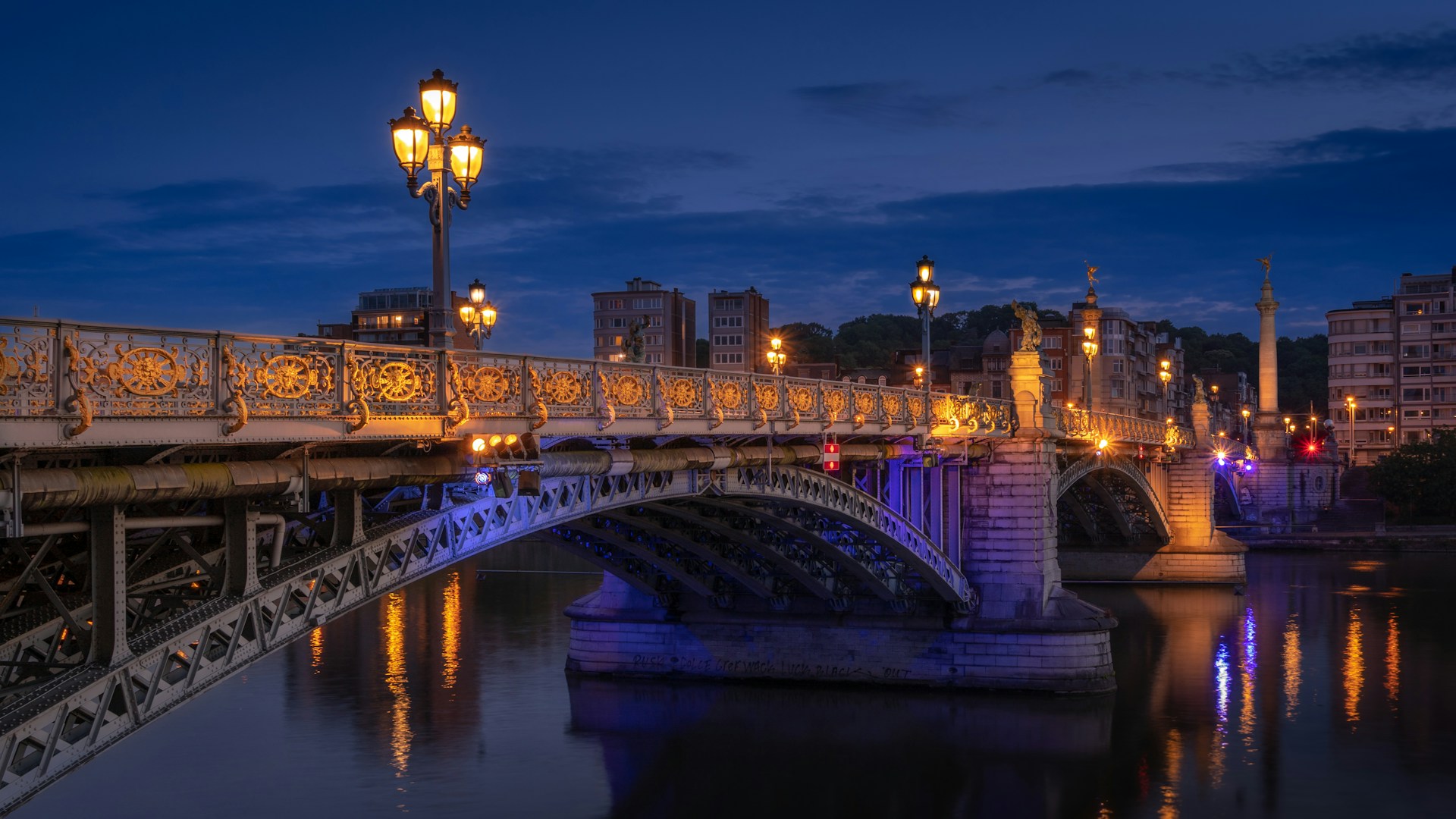

City view of Liège, Belgium

Liège

Liège is an industrial and cultural center in Wallonia, the French-speaking part of Belgium. The Liège-Guillemins Railway Station, designed by Santiago Calatrava, is a striking piece of modern architecture. The Palais des Princes-Evêques and Liège Cathedral showcase the city's rich medieval history. La Batte Market, one of Belgium's oldest and largest, attracts thousands of visitors every Sunday. The Curtius Museum highlights Liège's history and art, while Parc de la Boverie offers a serene escape along the Meuse River. The city is known for its hearty cuisine, particularly boulets à la Liégeoise (meatballs with a local sauce).

Top attractions & things to do in Liège

If you’re searching for the best things to do in Liège, this guide brings together the top attractions and must-see places to visit in Liège. The top picks below highlight the most visited sights for first-time visitors, plus a few local favorites worth adding.

Aquarium-Museum of Liège in Liège, Belgium

Aquarium-Museum of Liège

The Aquarium-Museum of Liège is one of the city's most popular family-friendly attractions, combining a fascinating aquarium with a museum dedicated to natural history. The aquarium section features a variety of aquatic species from around the world, including colorful tropical fish, sharks, and freshwater species from local rivers. The museum offers an extensive collection of animal skeletons, fossils, and taxidermy, providing insight into the natural world and evolutionary history. Interactive displays and educational programs make the Aquarium-Museum an engaging experience for visitors of all ages. Situated near the Meuse River, the museum also offers beautiful views of the water and nearby parks. Whether you're a marine life enthusiast or a fan of natural history, the Aquarium-Museum of Liège is a must-visit destination. The aquarium's star attraction is a 400-year-old Greenland shark, one of the longest-living vertebrates on Earth. Rare specimens in the museum include a near-complete skeleton of a Mosasaur, a prehistoric marine reptile discovered in nearby limestone quarries.
Ads place
Ads place
Ads place
Ads place
Ads place
Coteaux de la Citadelle in Liège, Belgium

Coteaux de la Citadelle

Coteaux de la Citadelle is a lush, green hillside area in Liège that offers stunning views of the city and the Meuse River. Once the site of a large military citadel, the area is now a peaceful place for walking, hiking, and enjoying nature. The slopes are dotted with gardens, orchards, and historic buildings, making it a picturesque spot for a leisurely stroll or a picnic. There are several walking paths and viewpoints, including the famous Montagne de Bueren staircase, which leads to the top of the hill. Coteaux de la Citadelle is a perfect blend of nature and history, offering visitors a unique perspective on Liège. Hidden among the trees are remnants of 18th-century fortifications, including a powder magazine converted into an art studio. In autumn, the hillside's chestnut trees drop their nuts, which locals gather to roast in traditional street vendors' stalls.
Ads place
Ads place
Ads place
Ads place
Ads place
La Batte Market in Liège, Belgium

La Batte Market

La Batte Market is one of the oldest and largest open-air markets in Belgium, held every Sunday along the banks of the Meuse River. Spanning several kilometers, the market features a wide variety of stalls selling everything from fresh produce, meats, and cheeses to clothing, flowers, and antiques. Locals and tourists alike flock to La Batte to enjoy the lively atmosphere and the opportunity to shop for local products. The market is a great way to experience Liège's vibrant culture and taste some of the region's specialties, such as Liège waffles, artisanal cheeses, and locally brewed beer. A visit to La Batte Market is a quintessential Liège experience, offering a snapshot of daily life in the city. Vendors here have passed down their stalls for generations, with some families trading since the market's formal establishment in the 1600s. Look for the "Pekèt" stalls, where you can sample Liège's traditional juniper-flavored gin, a favorite among locals.
Ads place
Ads place
Ads place
Ads place
Ads place
Liège Cathedral in Liège, Belgium

Liège Cathedral

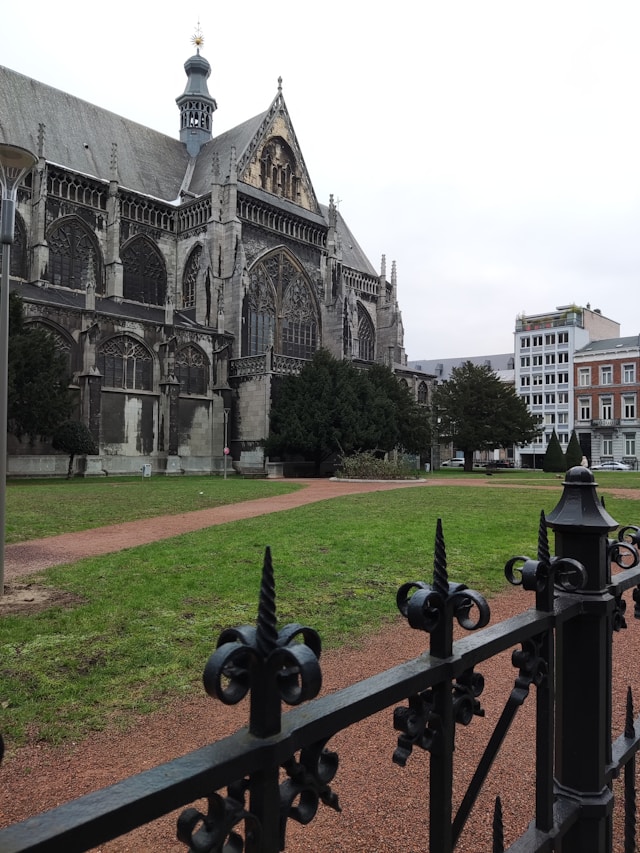
Liège Cathedral, also known as the Saint Paul's Cathedral, is one of the most important religious sites in the city. Originally founded in the 10th century, the cathedral has undergone numerous transformations over the centuries, resulting in its present Gothic style. Inside, visitors can admire stunning stained glass windows, intricate wood carvings, and an impressive collection of religious art. The cathedral is also home to the Treasury of Liège, which contains a remarkable array of ecclesiastical artifacts, including relics and goldsmith works. As a central place of worship and a significant historical monument, Liège Cathedral offers insight into the city's religious and architectural heritage. The cathedral's 16th-century astronomical clock still chimes hourly, its gears meticulously maintained by a family of clockmakers for generations. A hidden chapel beneath the nave houses the tomb of Saint Lambert, the city's martyred patron saint, accessible only during guided tours.
Ads place
Ads place
Ads place
Ads place
Ads place
Liège-Guillemins Station in Liège, Belgium

Liège-Guillemins Station

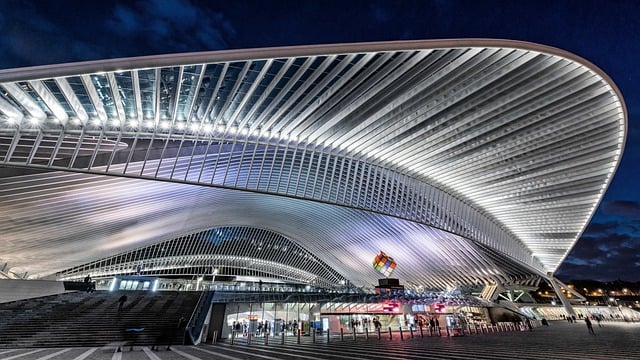
Liège-Guillemins Station is one of the most visually striking and important transportation hubs in Belgium. Designed by the renowned Spanish architect Santiago Calatrava, the station is known for its futuristic and avant-garde design, featuring a massive glass-and-steel canopy that covers the platforms. Opened in 2009, Liège-Guillemins serves as a key stop on the high-speed train routes connecting major cities like Brussels, Paris, and Cologne. Beyond its function as a transport hub, the station itself has become an architectural attraction, drawing visitors who admire its bold and modern design. The surrounding area has also seen significant urban redevelopment, with new commercial spaces and public art installations adding to the appeal. For travelers and architecture enthusiasts, Liège-Guillemins Station is more than just a place to catch a train. It's an experience of modern design and functionality. The canopy's curvature was inspired by the Meuse River, creating a sense of fluid motion. At night, the station is illuminated with LED lights, transforming it into a glowing beacon visible across the city.
Ads place
Ads place
Ads place
Ads place
Ads place
Montagne de Bueren in Liège, Belgium

Montagne de Bueren

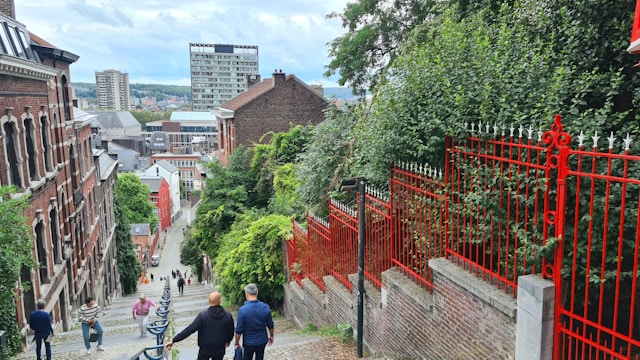
Montagne de Bueren is one of Liège's most iconic landmarks, known for its impressive 374-step staircase that offers stunning panoramic views of the city. Built in the 19th century, the stairs were originally constructed to help soldiers quickly access the city's Citadel, which once stood at the top. Today, the staircase is a popular spot for tourists and locals alike who want to challenge themselves to climb the steep incline and be rewarded with breathtaking views. The surrounding area is rich in history, and the stairway itself is lined with historical houses and buildings that add to the charm of the experience. Throughout the year, the Montagne de Bueren becomes a lively setting for various cultural events, including the annual Nocturne des Coteaux where thousands of candles light up the steps. For those looking for a mix of exercise, history, and culture, a visit to the Montagne de Bueren is a must when in Liège. The staircase's cobblestones were sourced from the Meuse River, giving them a unique bluish hue visible on sunny days. Local legends claim the ghost of a 16th-century soldier still patrols the steps at night, guarding the city from long-vanished threats.
Ads place
Ads place
Ads place
Ads place
Ads place
Museum of Walloon Life in Liège, Belgium

Museum of Walloon Life

The Museum of Walloon Life (Musée de la Vie Wallonne) in Liège is dedicated to preserving and showcasing the culture and history of the Walloon region of Belgium. Housed in a former 17th-century convent, the museum offers a comprehensive collection of artifacts, ranging from traditional costumes and folk art to industrial tools and everyday objects. The exhibits provide insight into the daily life, work, and customs of the Walloon people, with interactive displays and multimedia presentations that engage visitors of all ages. The museum's beautiful courtyard and garden also make it a pleasant place to relax after exploring the exhibits. Whether you're interested in regional history or just looking to learn more about the culture of Wallonia, this museum is a must-visit in Liège. The museum's archives include rare recordings of Walloon dialects, some now extinct, preserved for linguistic research. A reconstructed 19th-century classroom allows visitors to experience schooling as it was during the Industrial Revolution.
Ads place
Ads place
Ads place
Ads place
Ads place
Parc de la Boverie in Liège, Belgium

Parc de la Boverie

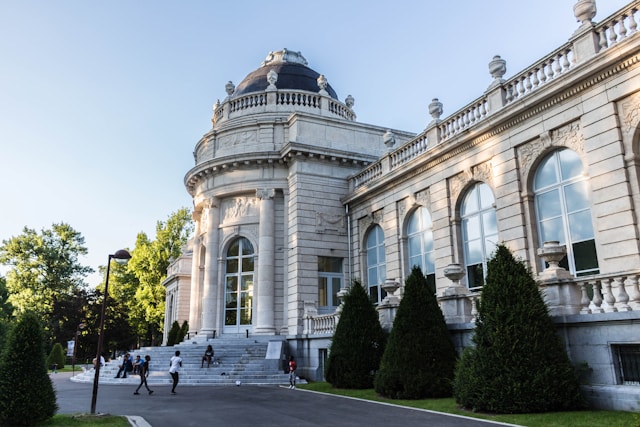
Parc de la Boverie is a large public park in Liège that offers a peaceful escape from the busy urban life. Located on an island in the Meuse River, the park is home to beautifully landscaped gardens, walking paths, and open spaces perfect for picnics or relaxation. The centerpiece of the park is the La Boverie Museum, which houses an impressive collection of fine art, including works by both Belgian and international artists. The park also features a rose garden, a large pond, and several sculptures scattered throughout the grounds. Parc de la Boverie is popular with both locals and tourists for outdoor activities, such as jogging, cycling, or simply enjoying a sunny day. With its combination of natural beauty and cultural offerings, the park is a must-visit destination for those exploring Liège. The park's oldest tree, a 200-year-old oak, survived both World Wars and is now protected as a living monument. During spring, the tulip garden bursts into a riot of colors, a tradition started in the 1920s to celebrate Liège's floral heritage.
Ads place
Ads place
Ads place
Ads place
Ads place
Place Saint-Lambert in Liège, Belgium

Place Saint-Lambert

Place Saint-Lambert is the central square in Liège and a hub of both historical and modern life in the city. It is named after Saint Lambert's Cathedral, which once stood here before being destroyed during the French Revolution. Today, the square is surrounded by important landmarks, including the Prince-Bishops' Palace and the Liège Archaeological Museum. The square is a popular meeting point for locals, thanks to its lively atmosphere and numerous shops, cafes, and restaurants. Beneath the square lies the Archeoforum, an underground museum that allows visitors to explore the archaeological remains of the former cathedral and other historical buildings. Place Saint-Lambert is an excellent starting point for exploring Liège's history and culture, offering a mix of ancient history and contemporary urban life. The square's modern glass pavilions, added in the 21st century, contrast starkly with medieval ruins below. Every December, a towering Christmas tree and ice-skating rink transform the square into a winter wonderland, drawing crowds from across the region.
Ads place
Ads place
Ads place
Ads place
Ads place
Prince-Bishops' Palace in Liège, Belgium

Prince-Bishops' Palace

The Prince-Bishops' Palace in Liège is a grand and imposing building that was once the residence of the city's powerful prince-bishops. The palace is located on Place Saint-Lambert and serves as a reminder of Liège's rich medieval history. Today, it houses the Provincial Palace of Liège, where important administrative offices are located. The palace is an architectural masterpiece, combining Gothic and Renaissance elements with a beautifully ornate facade. While much of the palace is not open to the public, visitors can admire its impressive exterior and explore the surrounding area, which includes several historical sites. The Prince-Bishops' Palace is a symbol of Liège's political and religious significance in centuries past. The palace's courtyard features a statue of the "Perron," a medieval symbol of Liège's autonomy, seized and returned multiple times during wars. During renovations in 2018, workers uncovered a hidden chamber containing 15th-century tapestries depicting biblical scenes.
Ads place
Ads place
Ads place
Ads place
Ads place