City view of Lille, France

Lille

Lille, located in northern France near the Belgian border, is known for its Flemish-inspired architecture and vibrant cultural scene. The city's Old Town (Vieux Lille) is a delightful area with narrow streets, lively squares, and beautiful buildings adorned with ornate facades. The Grand Place is the heart of the city, surrounded by impressive landmarks such as the Vieille Bourse and the Opéra de Lille. Lille is also renowned for its museums, including the Palais des Beaux-Arts, which houses a vast collection of European art. The city's lively atmosphere is evident in its numerous markets, such as the Wazemmes Market, where you can find local produce, flowers, and artisanal goods. Lille's gastronomic specialties, like carbonnade flamande and Welsh rarebit, reflect its regional influences. With its charming ambiance, rich history, and cultural attractions, Lille offers a unique experience in northern France.

Top attractions & things to do in Lille

If you’re searching for the best things to do in Lille, this guide brings together the top attractions and must-see places to visit in Lille. The top picks below highlight the most visited sights for first-time visitors, plus a few local favorites worth adding.

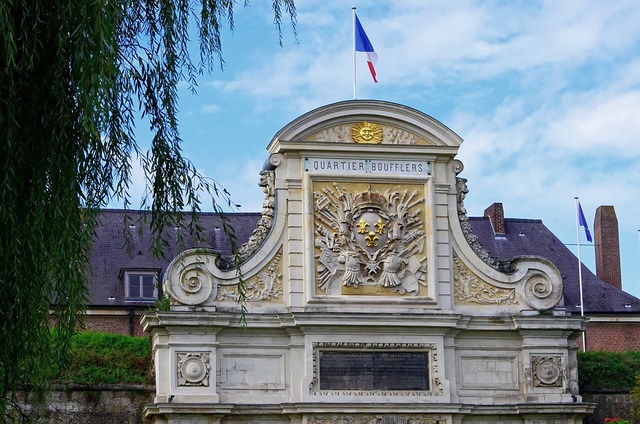
Citadel of Lille in Lille, France

Citadel of Lille

The Citadel of Lille, also known as the Queen of Citadels, is a military fortress built in the 17th century by the renowned French engineer Vauban. This impressive structure was designed as part of France's defensive network and showcases Vauban's mastery of military architecture. The citadel is surrounded by a lush park, making it a popular spot for walks, jogging, and picnics. While the fortress itself is still used by the French military and is not fully open to the public, guided tours are occasionally available. Visitors can explore the surrounding park and enjoy views of the citadel's star-shaped moats and ramparts. Every May, the citadel's grounds host the Lille Military Music Festival, featuring performances by international army bands. The Citadel of Lille is a unique blend of history and nature, offering insight into the city's strategic importance throughout history.
Ads place
Ads place
Ads place
Ads place
Ads place
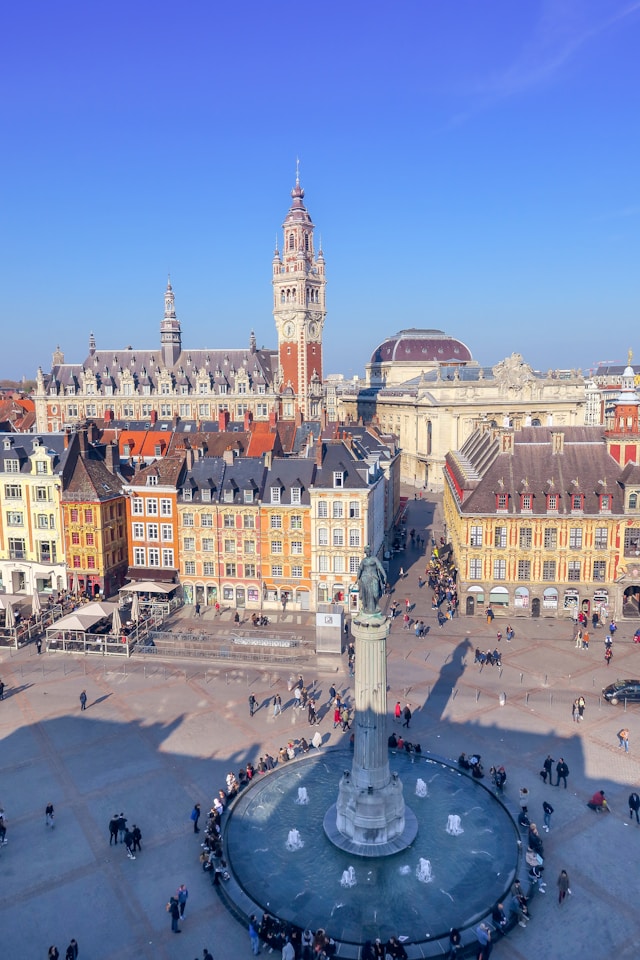
Grand Place in Lille, France

Grand Place

The Grand Place, officially known as Place du Général de Gaulle, is the beating heart of Lille. This vibrant square is surrounded by stunning Flemish Baroque buildings, each adorned with intricate details that showcase Lille's rich architectural heritage. One of the most notable structures is the Vieille Bourse, a former stock exchange building that dates back to the 17th century. The square is a popular gathering spot for both locals and tourists, offering a lively atmosphere filled with street performances, open-air cafes, and historical monuments. At the center stands the Column of the Goddess, a statue that commemorates the city's resistance during the Siege of Lille in 1792. The Grand Place is also a gateway to other attractions in Lille, making it an essential starting point for exploring the city. Hidden beneath the square lies a network of 17th-century chalk quarries that were converted into bomb shelters during WWII. Every September, the square transforms into a giant chessboard for the "Lille Chess Festival," where players use human-sized pieces. Whether you're taking in the historic façades, shopping at nearby boutiques, or simply enjoying the ambiance, Grand Place is a must-visit destination that captures the spirit of Lille.
Ads place
Ads place
Ads place
Ads place
Ads place
La Piscine Museum in Lille, France

La Piscine Museum

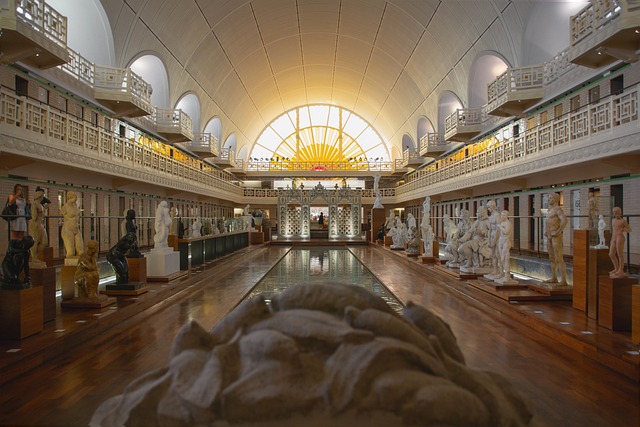
Located just outside Lille in the city of Roubaix, La Piscine Museum is an art and industry museum housed in a former Art Deco swimming pool. The building itself, constructed in the 1930s, has been preserved to maintain its original charm, complete with arched ceilings and beautiful stained-glass windows. The museum showcases a unique collection of paintings, sculptures, textiles, and decorative arts, with the central pool area serving as a stunning exhibit space. Visitors can enjoy works by artists such as Auguste Rodin and Pablo Picasso, as well as a range of contemporary pieces. The museum's textile collection features rare 19th-century lace patterns that once made Lille the "Manchester of France." Few know the pool's original changing cabins now display delicate ceramic collections from local factories. A hidden gem is the preserved Turkish bath area, complete with original mosaics, now used for temporary installations. The museum also features rotating exhibitions and workshops that add to its dynamic appeal. La Piscine is a must-visit for those interested in art, architecture, and history.
Ads place
Ads place
Ads place
Ads place
Ads place
Lille Cathedral in Lille, France

Lille Cathedral

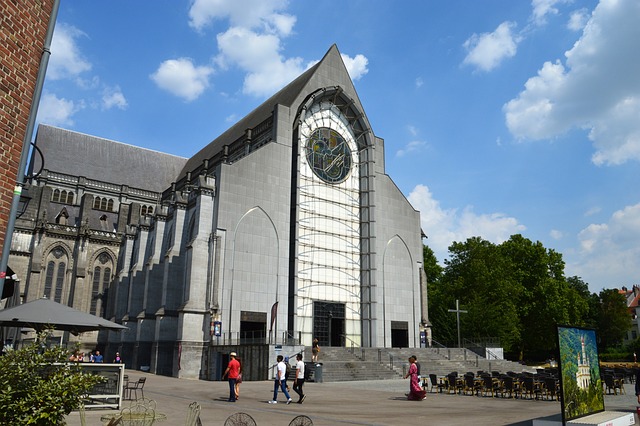
Lille Cathedral, also known as Notre-Dame de la Treille, is an architectural wonder that stands out for its unique blend of traditional and contemporary design. The cathedral was completed in 1999, making it one of the more modern religious buildings in France. Its most striking feature is the translucent marble façade that allows sunlight to filter through, creating an ethereal glow inside the nave. The interior is adorned with beautiful stained glass windows by British artist Ladislas Kijno, depicting abstract interpretations of biblical scenes. Beneath the altar lies a 12th-century crypt containing relics of Saint Catherine of Alexandria. The cathedral is a place of worship, but it also serves as a cultural venue, hosting concerts and art exhibitions. Visitors are drawn not only by its architectural splendor but also by the peaceful ambiance it offers. Lille Cathedral represents the city's resilience and innovation, making it an essential stop for those exploring Lille's diverse heritage.
Ads place
Ads place
Ads place
Ads place
Ads place
Lille Zoo in Lille, France

Lille Zoo

Lille Zoo is a popular family-friendly attraction located in the heart of the Parc de la Citadelle. It is home to more than 400 animals representing over 70 different species, including endangered ones like the red panda and white-naped crane. The zoo is divided into themed sections, such as the African Savannah and Tropical House, where visitors can observe giraffes, lemurs, reptiles, and exotic birds. A little-known feature is the nocturnal animal house, where special lighting reverses day/night cycles to observe bats and owls. The zoo partners with global conservation programs, having successfully bred critically endangered Madagascar radiated tortoises. Admission to Lille Zoo is free, making it an accessible and enjoyable experience for all. The zoo places a strong emphasis on conservation and education, with programs that raise awareness about animal welfare and environmental issues. Strolling through the zoo's lush surroundings provides a fun and educational outing for visitors of all ages.
Ads place
Ads place
Ads place
Ads place
Ads place
Opera de Lille in Lille, France

Opera de Lille

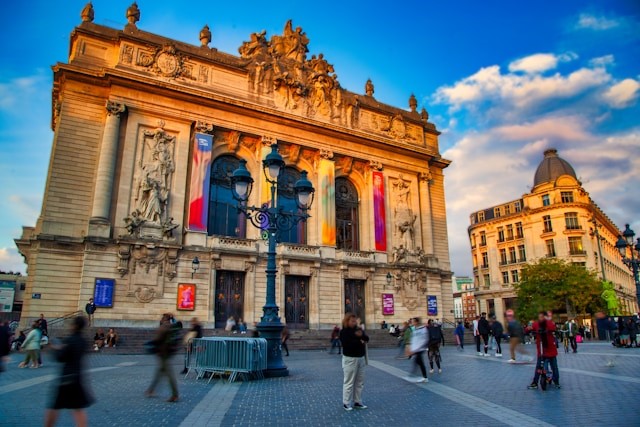
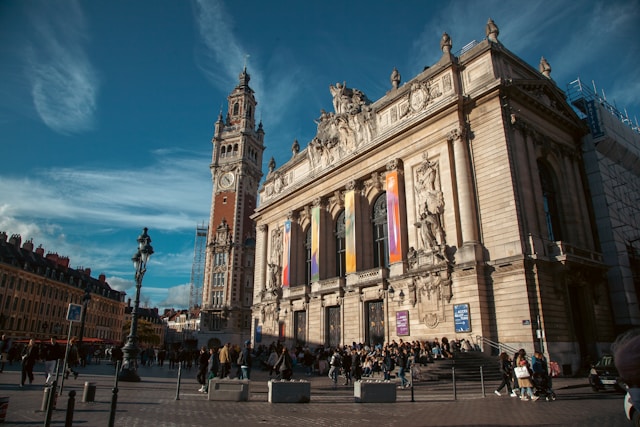
The Opera de Lille is a grand neoclassical building that serves as one of the cultural cornerstones of the city. Opened in 1923, it features an ornate façade and an interior that embodies the elegance of early 20th-century architecture. The opera house hosts an array of performances, including operas, ballets, and concerts, attracting artists and audiences from around the world. The building survived WWII bombardment thanks to its reinforced concrete structure - revolutionary for its time. The interior is just as captivating as the exterior, with plush red seating, intricate moldings, and a grand chandelier that adds a touch of luxury. Hidden beneath the stage lies a flood prevention system installed after the 1910 Seine floods. Whether attending a performance or simply admiring the architecture, a visit to the Opera de Lille offers a glimpse into the city's rich cultural fabric.
Ads place
Ads place
Ads place
Ads place
Ads place
Palais des Beaux-Arts in Lille, France

Palais des Beaux-Arts

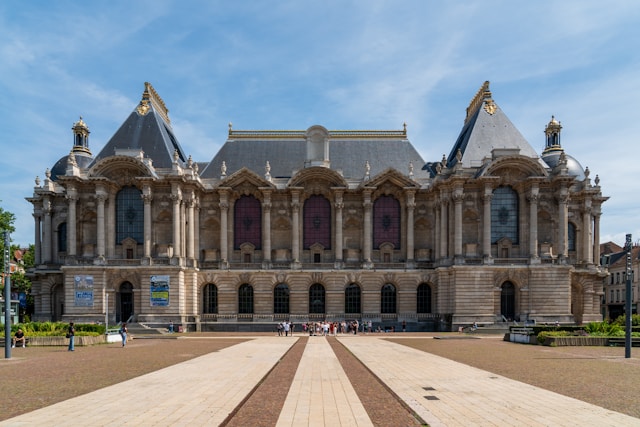
The Palais des Beaux-Arts de Lille is one of the largest and most prestigious museums in France, second only to the Louvre in terms of its extensive art collection. Housed in a grand 19th-century building, the museum showcases an impressive array of European paintings, sculptures, and decorative arts. Works by renowned artists such as Rubens, Van Dyck, and Delacroix are among its highlights. The museum's most unusual exhibit is the Relief Map Gallery, containing 18th-century military terrain models so accurate they were classified until 1947. Few visitors notice the hidden courtyard containing fragments of Lille's medieval city walls. The museum also features a remarkable collection of ceramics, drawings, and a relief map of Lille and its surroundings. In addition to its permanent exhibits, the Palais des Beaux-Arts hosts temporary exhibitions that draw art lovers from around the world. The spacious galleries and beautiful architecture provide an inspiring backdrop for both seasoned art enthusiasts and casual visitors. A trip to the Palais des Beaux-Arts offers a glimpse into Lille's cultural richness and artistic heritage.
Ads place
Ads place
Ads place
Ads place
Ads place
Parc de la Citadelle in Lille, France

Parc de la Citadelle

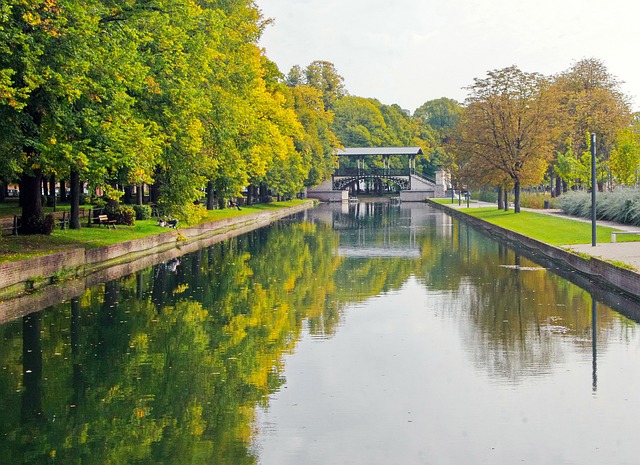
Parc de la Citadelle is Lille's largest green space and a favorite recreational spot for residents and tourists alike. The park is part of the Citadel of Lille, a military fortification designed by the famed engineer Vauban in the 17th century. While the citadel itself is still a military site and not open to the public, the surrounding park is accessible and offers a variety of outdoor activities. Walking trails wind through lush woodlands and open lawns, perfect for picnics and leisurely strolls. The park contains a 400-year-old oak that survived multiple sieges, marked by a commemorative plaque. Every summer, the park's meadows become an open-air cinema showing classic French films. The park also features a small zoo, playgrounds, and fitness areas. Whether you're looking to enjoy a peaceful walk, engage in sports, or observe local wildlife, Parc de la Citadelle provides a serene and beautiful escape within the city.
Ads place
Ads place
Ads place
Ads place
Ads place
Saint-Maurice Church in Lille, France

Saint-Maurice Church

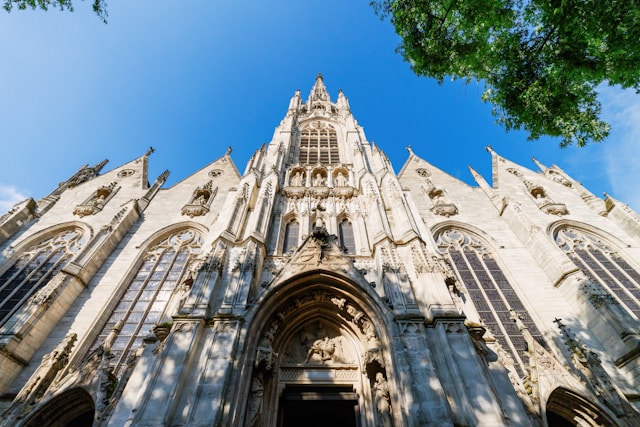
Saint-Maurice Church is a magnificent example of Gothic Revival architecture located in the heart of Lille. This historic church dates back to the 14th century and has been restored and expanded over the centuries, resulting in its current neo-Gothic style. The church's impressive façade features pointed arches, detailed stone carvings, and towering spires. Inside, visitors can admire stunning stained-glass windows created by Charles Gaudelet in the 1850s, depicting scenes from Lille's industrial history. The church's 19th-century organ contains pipes salvaged from churches destroyed during the French Revolution. A little-known treasure is the underground chapel containing 16th-century frescoes discovered during 1990s renovations. The peaceful ambiance of Saint-Maurice Church makes it an ideal place for quiet reflection and exploration. It remains an active place of worship while also being a popular stop for history buffs and architecture enthusiasts.
Ads place
Ads place
Ads place
Ads place
Ads place
Vieille Bourse in Lille, France

Vieille Bourse

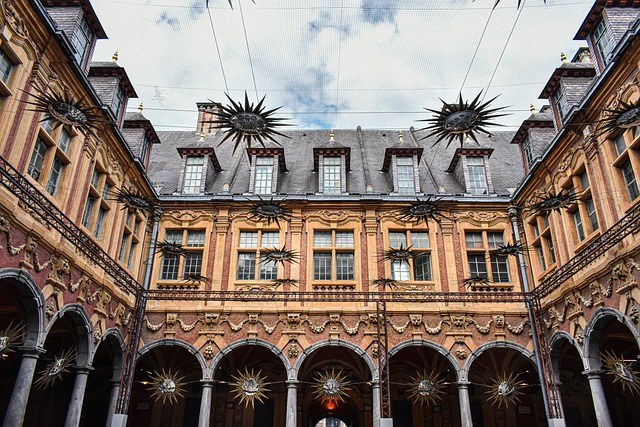
The Vieille Bourse is one of Lille's most iconic landmarks and a testament to its rich history. Constructed in 1652, this former stock exchange is made up of 24 identical buildings arranged around a charming inner courtyard. The exterior features exquisite Flemish Renaissance architecture, complete with intricate carvings and ornate windows. Visitors can explore the courtyard, which hosts a secondhand book market, flower stalls, and even chess games played by local enthusiasts. Look closely at the façade to spot alchemical symbols carved by masons - a nod to medieval financial mysticism. The building's clock tower houses a secret carillon that plays traditional Flemish melodies every hour. During winter, the courtyard transforms into a magical Christmas village with artisanal crafts and mulled wine stalls. The Vieille Bourse is a cultural gem where art, history, and community blend seamlessly. It stands as a reminder of Lille's trading past and its strategic importance as a hub for commerce. The lively atmosphere and historical significance of the Vieille Bourse make it a must-see attraction for anyone visiting Lille.
Ads place
Ads place
Ads place
Ads place
Ads place