
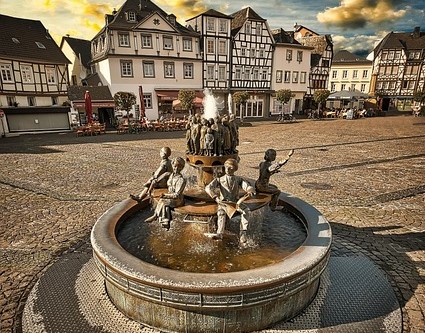
Marktplatz
In Linz, Austria .
More places to visit in Linz
Discover more attractions and things to do in Linz.
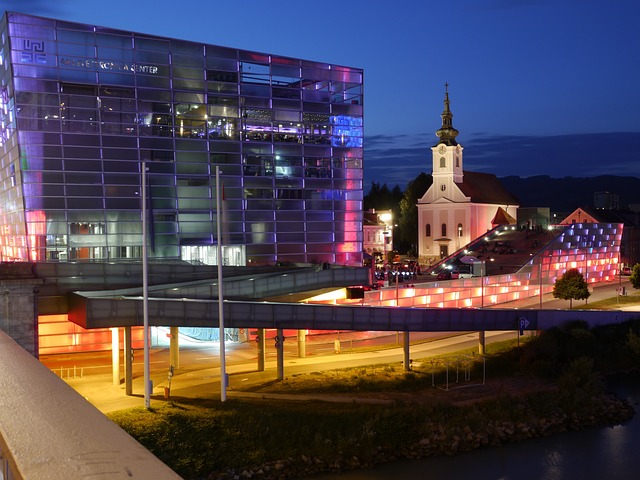
Ars Electronica Center
The Ars Electronica Center , also known as the " Museum of the Future ", is a cutting-edge science and technology museum in Linz. Opened in 1996 and expanded in 2009, it features interactive exhibits that explore the intersection of art, technology, and society. The center is renowned for its innovative displays on robotics , biotechnology , and artificial intelligence . It hosts the annual Ars Electronica Festival , attracting artists, scientists, and tech enthusiasts worldwide. The museum's Deep Space 8K theater offers immersive experiences with high-definition projections. Visitors can engage with hands-on exhibits and participate in workshops, making it a dynamic and educational destination. The Ars Electronica Center's striking architecture, located on the banks of the Danube River , is illuminated at night, adding to its futuristic appeal.
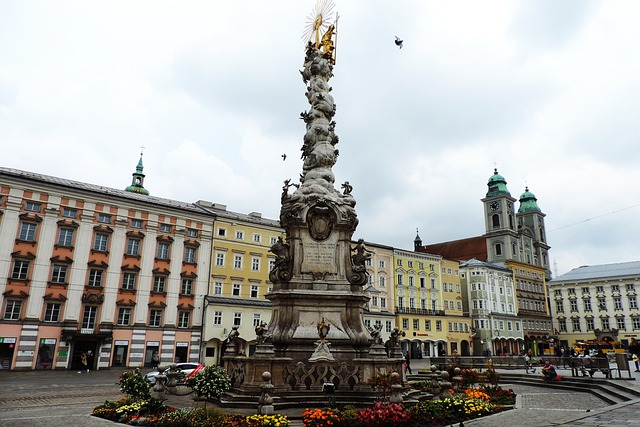
Hauptplatz (Main Square)
Hauptplatz is the main square of Linz, serving as the heart of the city since the Middle Ages . The square is surrounded by beautiful Baroque buildings, including the Old Town Hall and the Holy Trinity Column , a prominent monument erected in gratitude for the city's deliverance from plague and war. The square is a vibrant hub, hosting markets, festivals, and public events throughout the year. Numerous cafes, restaurants, and shops line the square, offering a lively atmosphere for both locals and visitors. Hauptplatz is also a starting point for exploring the historic Old Town , with its narrow streets and hidden courtyards. The square's central location and bustling activity make it a perfect place to experience the pulse of Linz and its rich cultural heritage.
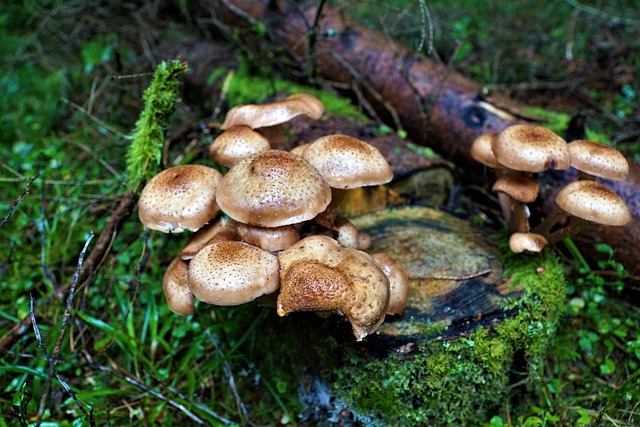
Linz Botanical Garden
The Linz Botanical Garden is a serene and beautiful green space located on the Gugl hill , covering an area of 4.2 hectares . It features over 10,000 plant species from around the world, displayed in various themed gardens. Highlights include the Alpine garden , the rose garden , and the tropical house , which houses exotic plants and butterflies. The Japanese garden , with its tranquil ponds and traditional landscaping, offers a peaceful retreat. The botanical garden also features a cactus house , showcasing a diverse collection of cacti and succulents. Throughout the year, the garden hosts exhibitions, guided tours, and educational programs for visitors of all ages. The Linz Botanical Garden is a perfect destination for nature lovers and those seeking a relaxing escape from the urban environment.
Linz Castle (Schlossmuseum Linz)
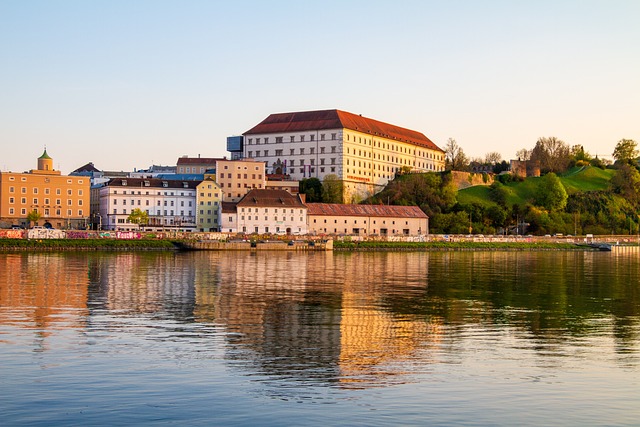
Linz Castle , or Schloss Linz, is a historic fortress overlooking the city and the Danube River . Originally built in the 9th century , the castle has been rebuilt and expanded over the centuries. Today, it houses the Schlossmuseum Linz , showcasing a wide range of exhibits on the history and culture of Upper Austria. The museum's collections include archaeological finds, medieval artifacts, art, and historical displays. The castle's courtyard and gardens offer stunning views of Linz and the surrounding landscape. Visitors can explore the castle's medieval towers and ramparts, gaining insight into its strategic importance throughout history. The museum also features temporary exhibitions, highlighting various aspects of art and history. Linz Castle is a must-visit for history buffs and those interested in the region's heritage.
Linz's Fachwerk (Half-Timbered Houses)
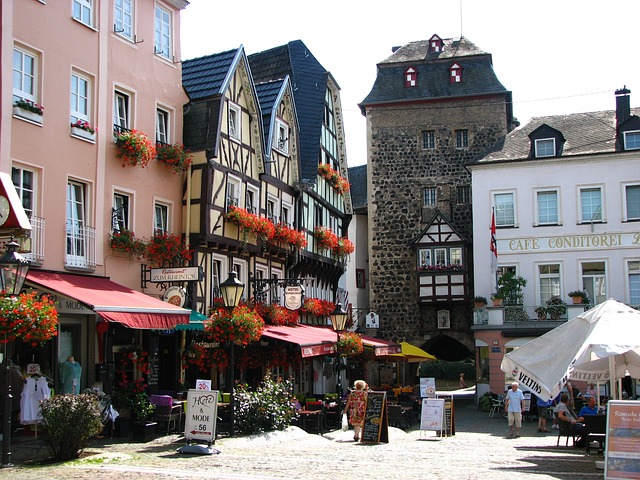
The Fachwerk , or half-timbered houses, in Linz are a testament to the city's architectural heritage and historical charm. These distinctive buildings, characterized by their exposed wooden frames filled with plaster, brick, or stone, offer a glimpse into the traditional construction methods that were prevalent in Europe from the medieval period through the Renaissance. In Linz, these half-timbered houses are mostly concentrated in the Old Town , creating a picturesque and historically rich environment. The oldest surviving examples date back to the 16th and 17th centuries , showcasing a variety of architectural styles and decorative details. The wooden frameworks of these buildings are not just structural but also artistic, often adorned with intricate carvings and motifs that reflect the craftsmanship of their builders. One notable example is the Kepler House , where the famous astronomer Johannes Kepler lived during his time in Linz. This building, like many other Fachwerk houses in the city, has been carefully preserved and restored, maintaining its historical integrity while allowing for modern use. Walking through the narrow cobblestone streets lined with these charming houses, visitors can feel a deep connection to the past and appreciate the enduring beauty of traditional architecture.
Mariendom (New Cathedral)
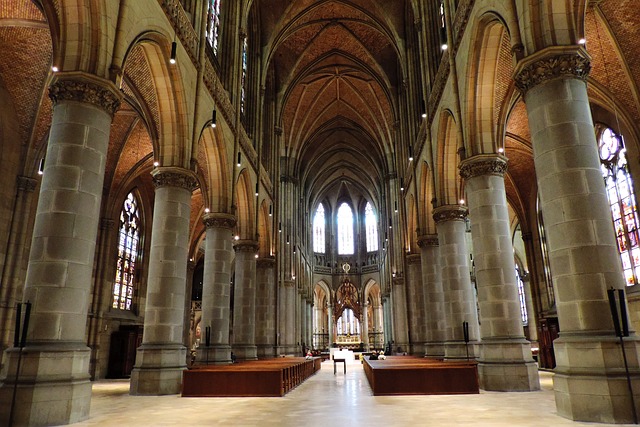
Mariendom , also known as the New Cathedral, is the largest church in Austria , capable of holding up to 20,000 people. Completed in 1924 , this neo-Gothic masterpiece was designed by the architect Vinzenz Statz . Its towering spire, reaching 135 meters , is slightly shorter than Vienna's St. Stephen's Cathedral, due to a regulation that no building should be taller than the imperial cathedral. The cathedral's stunning stained-glass windows, including the famous Linz Window , depict scenes from the city's history. Inside, visitors can admire the high vaulted ceilings, intricate stonework, and the impressive altar. The cathedral is not only a place of worship but also a venue for concerts and cultural events. Guided tours offer insights into its architectural and historical significance. Mariendom stands as a symbol of Linz's rich religious and cultural heritage.
Pöstlingberg
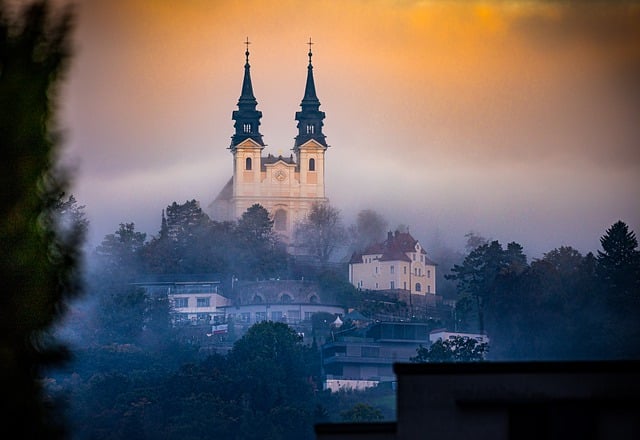
Pöstlingberg is a popular hilltop destination offering panoramic views of Linz and the Danube River . At its summit stands the Pöstlingberg Church , a Baroque pilgrimage basilica dedicated to the Seven Sorrows of Mary. The church, built in the 18th century , features beautiful frescoes and an ornate altar. One of the main attractions is the Pöstlingbergbahn , one of the steepest adhesion railways in the world, which takes visitors from the city center to the top of the hill. The journey offers scenic views and a unique experience. At the summit, visitors can also explore the Grottenbahn , a whimsical cave railway that takes passengers through fairy-tale scenes. Pöstlingberg is a beloved spot for both locals and tourists, offering a mix of natural beauty, historical architecture, and family-friendly attractions.
Schloss Wildberg
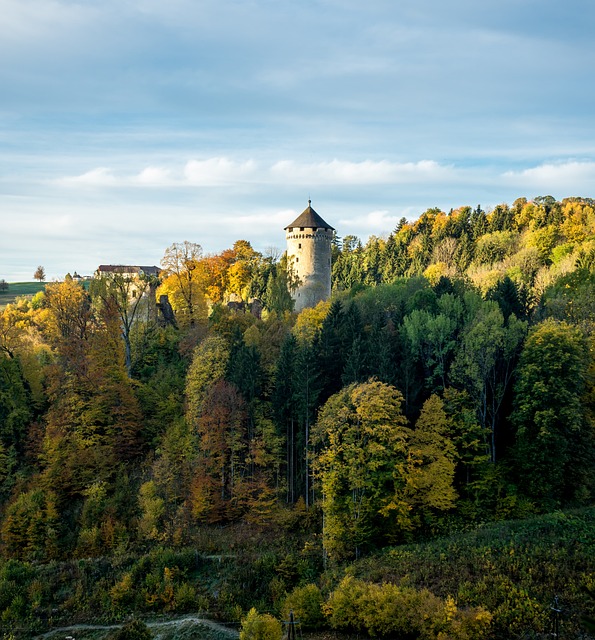
Schloss Wildberg is a captivating historical castle located near Linz, offering a unique blend of medieval charm and Renaissance elegance . Nestled in the scenic countryside of Upper Austria, the castle stands as a testament to the region's rich history and architectural heritage. Originally built in the 12th century , Schloss Wildberg has undergone several renovations and expansions, reflecting the changing architectural styles and tastes over the centuries. The castle's architecture is a striking example of medieval fortification , with its robust stone walls, towering turrets, and defensive structures designed to protect against invasions. In the 16th century , Schloss Wildberg was transformed into a more comfortable residence, incorporating Renaissance elements such as ornate windows, elegant arches, and a beautifully landscaped courtyard. Inside, the castle boasts a series of well-preserved rooms that offer a glimpse into the life of the nobility during the Middle Ages and Renaissance periods. The grand hall, with its high ceilings and intricate woodwork, serves as the centerpiece of the castle's interior, often used for events and gatherings. Other notable features include the chapel, adorned with religious frescoes, and the library, housing an impressive collection of historical books and manuscripts.
Voestalpine Stahlwelt
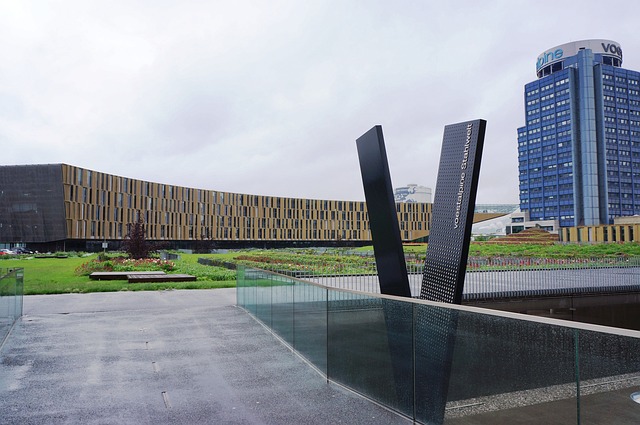
Voestalpine Stahlwelt is an interactive museum dedicated to the steel industry, reflecting Linz's industrial heritage . Located at the Voestalpine steel plant, the museum offers an in-depth look at the history, production, and applications of steel. Visitors can explore multimedia exhibits that showcase the technological advancements and environmental initiatives in steel manufacturing. The highlight is the guided tour of the plant, where visitors can witness the steel production process firsthand. The museum also features hands-on exhibits and models that explain complex engineering concepts in an accessible way. Voestalpine Stahlwelt is a unique attraction that educates and fascinates, providing insights into one of the world's most essential materials and its impact on modern life.