
City view of Livno, Bosnia and Herzegovina

Livno

Livno is a charming town located in southwestern Bosnia and Herzegovina, nestled between the Dinaric Alps and the vast Livanjsko Polje, the largest karst field in the country. The town has a rich history that dates back over a thousand years, with influences from the Romans, Byzantines, and Ottomans, reflected in its architecture and cultural heritage. Livno's medieval Old Town features narrow streets, historic stone houses, and landmarks such as the Church of St. Peter and Paul and the Livno Fortress, which offers panoramic views of the surrounding landscape. One of Livno's most famous attractions is its wild horses, which roam freely in the mountains around the town. These horses, a symbol of freedom and nature, attract many visitors to the area. The nearby Buško Lake is another natural gem, offering opportunities for fishing, bird watching, and relaxation by the water.

Top attractions & things to do in Livno

If you’re searching for the best things to do in Livno, this guide brings together the top attractions and must-see places to visit in Livno. The top picks below highlight the most visited sights for first-time visitors, plus a few local favorites worth adding.

Bascarsija Livno in Livno, Bosnia and Herzegovina

Bascarsija Livno

Bascarsija Livno is the historic and cultural center of the town, much like the famous Bascarsija in Sarajevo. This lively market district is filled with shops, cafes, and artisan workshops that have been part of Livno’s culture for centuries. Here, you can find traditional handmade goods, including woolen products and copper crafts. Bascarsija is also home to historic mosques and clock towers, reflecting the Islamic heritage of the town. A stroll through this area provides a vibrant mix of local life, history, and culture, and it’s an excellent spot for tasting traditional Bosnian cuisine. The 18th-century Hadži-Alija Mosque features a hand-painted wooden ceiling depicting celestial motifs. Every Friday, artisans demonstrate Ottoman-era metalworking techniques passed down for generations. Don’t miss the “Livno Livanjski” cheese stalls, offering the town’s iconic PDO-certified cheese aged in nearby caves.
Ads place
Ads place
Ads place
Ads place
Ads place
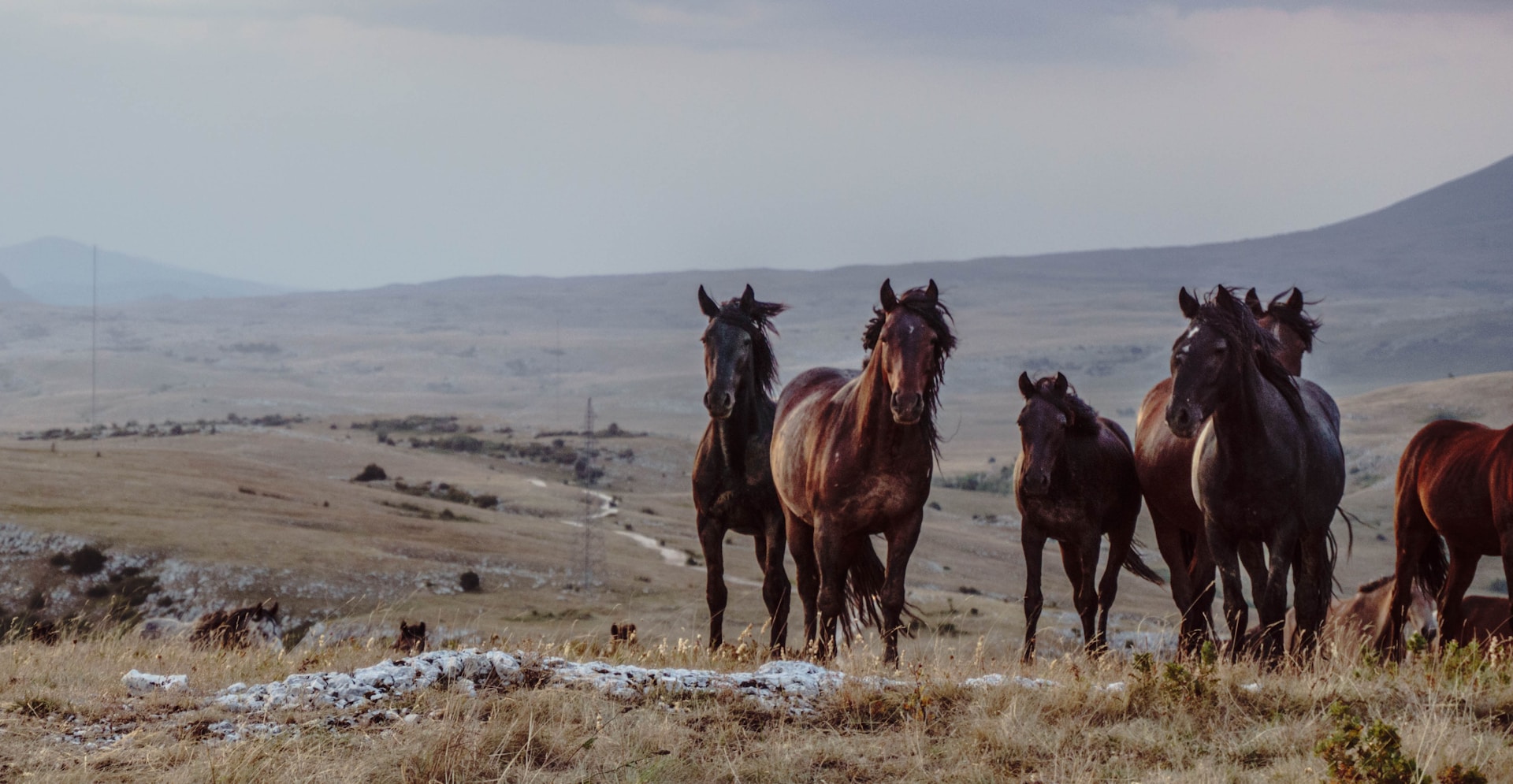
Livno Wild Horses in Livno, Bosnia and Herzegovina

Livno Wild Horses

Livno is famous for its wild horses that roam freely across the stunning mountain plains of Cincar. These majestic animals have lived in the area for over half a century, descendants of domestic horses once abandoned by local farmers. The wild horses of Livno are a unique symbol of freedom and nature, attracting visitors from around the world. The best time to see them is in spring or summer when they gather around water sources. Travelers often take guided tours to explore the natural beauty of the Livno plateau, where they can witness the horses in their untamed habitat against a backdrop of dramatic mountains. The herd is protected under the Cincar Mountain conservation initiative, which aims to preserve their genetic lineage tied to medieval Bosnian breeds. In 2022, UNESCO recognized the Livno plateau as part of the Man and Biosphere Programme for its harmonious coexistence of wildlife and shepherding traditions. Local guides share stories of the horses’ resilience during the Bosnian War, when they survived landmines and harsh winters to repopulate the region.
Ads place
Ads place
Ads place
Ads place
Ads place
Old Town of Livno in Livno, Bosnia and Herzegovina

Old Town of Livno

Livno's Old Town is a treasure trove of history and architecture. Walking through its cobblestone streets, you'll encounter traditional Ottoman-style houses, ancient mosques, and fortresses, remnants of its rich history. One of the most notable landmarks is the Old Bridge (Stari Most), which dates back to the Ottoman period. Nearby, you’ll find the Begluk Museum, housing artifacts and exhibits related to the history and culture of the region. The Old Town offers a glimpse into the past, blending eastern and western influences in its architecture and urban layout. Recent excavations near the bridge uncovered a 16th-century caravanserai that once housed Silk Road traders. The Džidžikovac Tower, a medieval watchtower, now hosts summer concerts with views of the Livno Field. Hidden courtyards reveal Ottoman-era stone fountains still used by locals to cool off during hot summers.
Ads place
Ads place
Ads place
Ads place
Ads place
Prokosko Lake in Livno, Bosnia and Herzegovina

Prokosko Lake

Located on the slopes of Mount Vranica, Prokosko Lake is a stunning glacial lake surrounded by alpine meadows, wooden cottages, and pristine nature. This hidden gem is a favorite among nature lovers and hikers, offering tranquil scenery and opportunities for fishing, camping, and bird-watching. The lake’s serene environment is a haven for relaxation, with wildflowers and dense forests adding to the charm. The traditional shepherd's huts around the lake offer a peek into rural life, where visitors can taste local cheeses and dairy products made from sheep and goat milk. The lake freezes into a natural ice rink in winter, attracting ice fishermen and photographers. Local legends claim the lake is home to “vodenjaci,” water spirits said to protect the surrounding Vranica Nature Park. In 2023, a new hiking trail opened, connecting the lake to the Borova Vrata cliffs, known for their panoramic vistas.
Ads place
Ads place
Ads place
Ads place
Ads place
Tomislavgrad in Livno, Bosnia and Herzegovina

Tomislavgrad

Though not technically in Livno, Tomislavgrad is a nearby town that plays an important role in the region’s history. It was named after the first king of Croatia, King Tomislav, who was crowned here in 925 AD. The town has several historical landmarks, including the Church of St. Nicholas and the Tomislav monument, which commemorates the coronation of the king. Tomislavgrad is surrounded by beautiful natural landscapes, including Blidinje Nature Park, where visitors can enjoy hiking, skiing, and exploring the unique flora and fauna of the Dinaric Alps. The town’s Roman-era Diluntum ruins include a well-preserved amphitheater used for gladiator games. Local shepherds in Blidinje Nature Park still use ancient “katuni” stone huts during summer grazing seasons. The annual Tomislav Fest in July celebrates medieval history with jousting tournaments and traditional “sinjska alka” competitions.
Ads place
Ads place
Ads place
Ads place
Ads place