
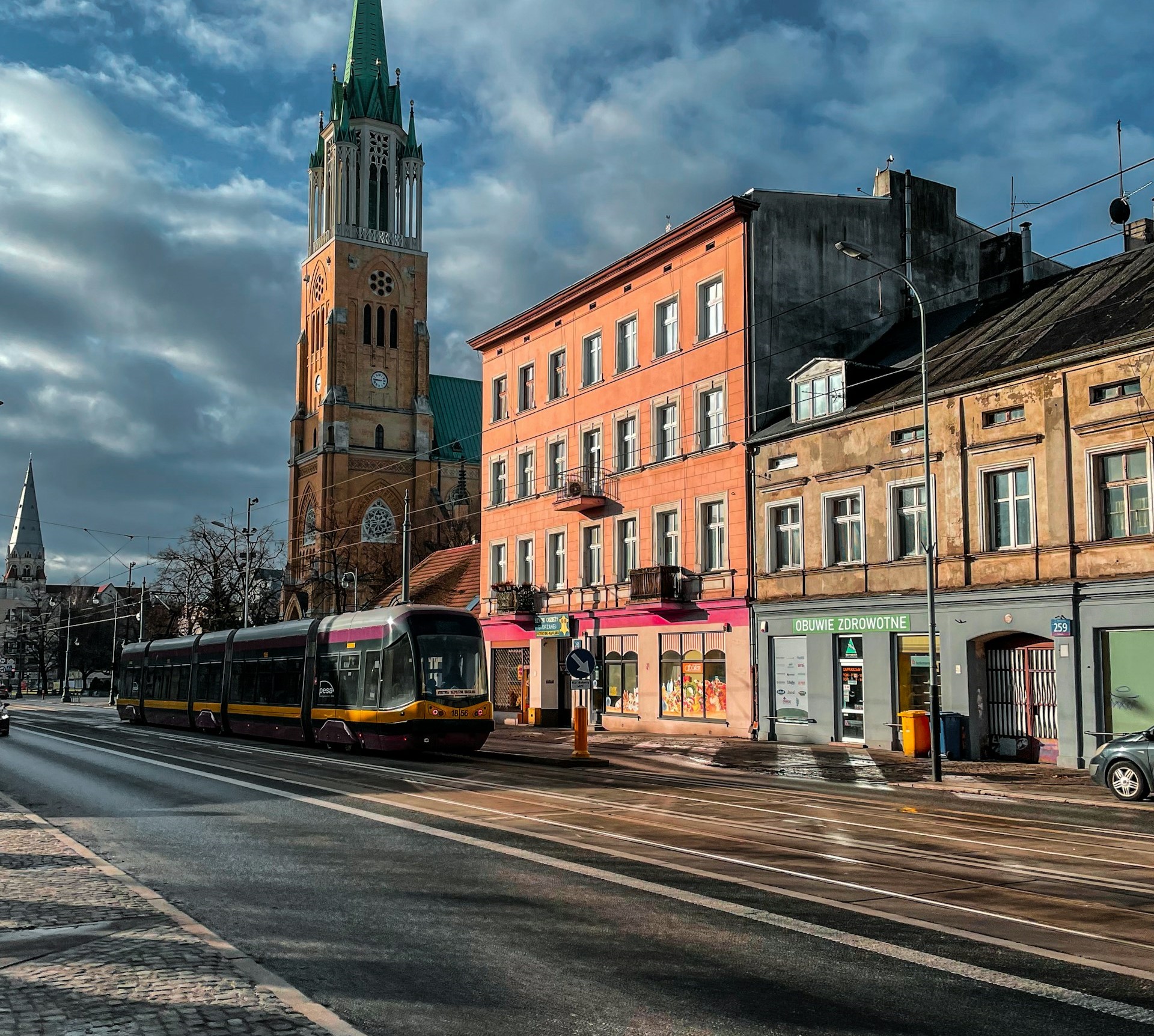
City view of Lodz, Poland

Lodz

Lodz, once Poland's textile capital, has reinvented itself into a vibrant center for culture and design. Piotrkowska Street, one of Europe's longest commercial avenues, is lined with eclectic buildings, murals, and cafes. The Manufaktura complex, a massive 19th-century factory site, now houses museums, galleries, shops, and restaurants. Lodz also boasts Poland's National Film School, which has nurtured many acclaimed filmmakers. The city is rich in street art and hosts the Lodz Design Festival and Light Move Festival. The Ksiezy Mlyn district, a preserved industrial settlement, offers insight into worker life during the city's industrial boom. Few visitors know about the underground water canal tours or the unique Radegast Station memorial, commemorating the city's wartime Jewish history. Lodz merges industrial heritage with artistic flair in surprising ways, and its revitalized public spaces have become a haven for creativity, young entrepreneurs, and emerging technologies.

Top attractions & things to do in Lodz

If you’re searching for the best things to do in Lodz, this guide brings together the top attractions and must-see places to visit in Lodz. The top picks below highlight the most visited sights for first-time visitors, plus a few local favorites worth adding.

Ksiezy Mlyn in Lodz, Poland

Ksiezy Mlyn

Ksiezy Mlyn is a preserved 19th-century industrial settlement that tells the story of Lodz’s transformation into a textile powerhouse. This district once belonged to the Karol Scheibler empire, whose factories, worker tenements, and grand owner’s residence form a unique urban landscape. Today, restored warehouses and spinning mills house creative studios, cozy cafes, and the Museum of Cinematography. Walking the cobbled streets, you’ll spot historic fire stations and water towers, and learn about the daily lives of factory workers—many of whom came from across Europe. The area was a filming location for the cult Polish film “The Promised Land”. Local guides tell stories of underground tunnels used for smuggling during times of unrest. Recent years have seen vibrant street art and open-air cultural festivals breathe new life into Ksiezy Mlyn, creating an authentic blend of history and innovation. The area comes alive in spring when open-air exhibitions and concerts attract crowds of locals and tourists alike.
Ads place
Ads place
Ads place
Ads place
Ads place
Lodz Film School in Lodz, Poland

Lodz Film School

Founded in 1948, the Lodz Film School is one of the world’s most renowned academies for film, television, and theater. Its alumni include legends like Roman Polanski, Krzysztof Kieslowski, and Andrzej Wajda. The school’s historic campus is filled with studios, sound stages, and screening rooms where generations of students have honed their craft. The campus hosts public film festivals and Q&A sessions with directors, providing rare insights into the Polish cinema revolution. A lesser-known detail: the archives preserve some of the oldest experimental films made in Eastern Europe. Visitors can take guided tours and see costumes, props, and vintage cameras. Street murals near the entrance pay homage to famous graduates and iconic film scenes. The Film School’s open, collaborative spirit has turned Lodz into the beating heart of Polish cinematic art, influencing filmmakers far beyond the country’s borders. Each autumn, students stage outdoor performances, adding energy and creativity to the neighborhood.
Ads place
Ads place
Ads place
Ads place
Ads place
Manufaktura in Lodz, Poland

Manufaktura

Manufaktura is an immense revitalized textile factory complex dating to the late 19th century, once owned by industrialist Izrael Poznanski. The site’s red-brick mills and towering chimneys now house a vibrant cultural, shopping, and entertainment center. Inside, visitors find museums, stylish boutiques, cinemas, and restaurants set against original factory machinery. The Museum of the Factory tells the story of Lodz’s meteoric industrial rise, including tales of workers’ strikes and family dynasties. Outdoor spaces host summer concerts, food festivals, and ice skating in winter. A quirky fact: during renovations, secret documents from the World War II era were discovered in the walls. Manufaktura’s architecture earned international awards for its seamless blend of industrial heritage and modern design. The central plaza, once a bustling workyard, is now filled with art installations and street performers. The site even hosts an annual festival celebrating Lodz’s multicultural heritage, attracting visitors from across Poland.
Ads place
Ads place
Ads place
Ads place
Ads place
Museum of the City of Lodz in Lodz, Poland

Museum of the City of Lodz

Housed in the palatial former residence of Izrael Poznanski, the Museum of the City of Lodz is a journey through local history and the lives of famous citizens. Built in the 1880s, the mansion stuns visitors with lavish ballrooms, gilded salons, and a sweeping marble staircase. The museum’s exhibits trace the story of Lodz from a small village to an industrial giant, highlighting the diverse communities—Jewish, German, Russian, and Polish—that shaped its fabric. Galleries showcase personal memorabilia from composers like Arthur Rubinstein, while the museum’s photographic archives hold rare glimpses of everyday life before the World Wars. Outside, the garden is planted with roses bred by Poznanski himself. Visitors are often fascinated by the legends of secret passages linking the palace to factory buildings. Regular cultural events bring music and theater to these historic halls, reinforcing the city’s tradition of artistic innovation. During special nighttime tours, the palace’s illuminated interiors offer a glimpse into Lodz’s opulent past.
Ads place
Ads place
Ads place
Ads place
Ads place
Piotrkowska Street in Lodz, Poland

Piotrkowska Street

Piotrkowska Street stretches for nearly 5 kilometers, making it one of Europe’s longest commercial avenues and the true backbone of Lodz. Originally developed in the 19th century as the city boomed from the textile industry, the street is lined with ornate tenement houses, art nouveau facades, and hidden courtyards that once belonged to wealthy factory owners. Today, Piotrkowska pulses with life—home to designer boutiques, creative street art, and a dazzling array of restaurants, from old Polish taverns to trendy vegan bistros. Many tourists are surprised to find the Walk of Fame, which honors Polish film legends, embedded in its pavement. Each summer, the street transforms for Light Move Festival, when buildings become illuminated canvases for international artists. A local legend speaks of a secret tunnel beneath the cobbles, once used to transport goods during wartime. The street’s lively blend of heritage and modern flair is a magnet for artists and dreamers. In winter, Piotrkowska dazzles with festive lights and outdoor markets, making it magical even on the coldest days.
Ads place
Ads place
Ads place
Ads place
Ads place