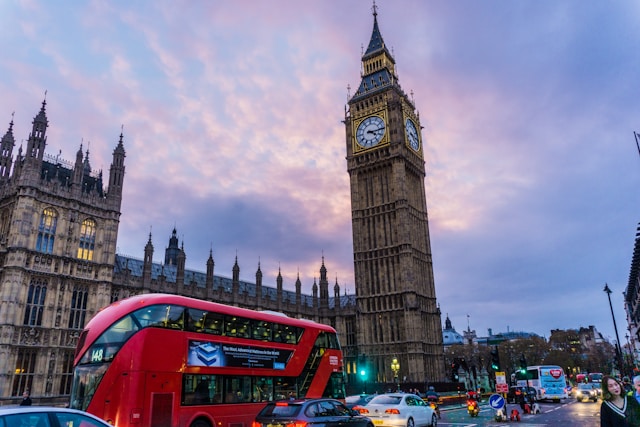
City view of London, United Kingdom

London

London, the capital of the United Kingdom, is a city steeped in history and modernity. Did you know that the London Underground, also known as the Tube, is the oldest underground railway network in the world, opening in 1863? The city is home to over 170 museums, many of which are free to enter, including the British Museum and the Natural History Museum. London's iconic skyline features landmarks such as the Shard, the Gherkin, and the London Eye. The city's green spaces, like Hyde Park and Regent's Park, offer a tranquil escape from the bustling streets. London's diverse neighborhoods, from Camden's vibrant markets to Notting Hill's colorful houses, provide endless exploration opportunities.

Top attractions & things to do in London

If you’re searching for the best things to do in London, this guide brings together the top attractions and must-see places to visit in London. The top picks below highlight the most visited sights for first-time visitors, plus a few local favorites worth adding.

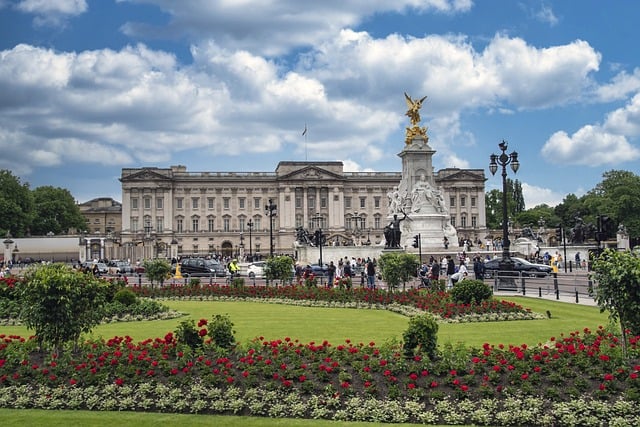
Buckingham Palace in London, United Kingdom

Buckingham Palace

Buckingham Palace is the official residence of the British monarch in London and a symbol of the British monarchy. Built in 1703, it has been the London home of the royal family since Queen Victoria's reign. The palace's State Rooms are open to the public during the summer months, offering a glimpse into the opulent world of royalty. The Changing of the Guard ceremony, held in the forecourt, is a must-see spectacle of precision and tradition. Interestingly, the palace has 775 rooms, including 19 State Rooms, 52 royal and guest bedrooms, and 78 bathrooms. The palace's art collection includes works by Rembrandt and Rubens, making it a treasure trove for art enthusiasts. The palace gardens, spanning 39 acres, are the largest private gardens in London and are a serene escape from the bustling city. Buckingham Palace is not just a residence but a living piece of British history, where the past and present of the monarchy intertwine.
Ads place
Ads place
Ads place
Ads place
Ads place
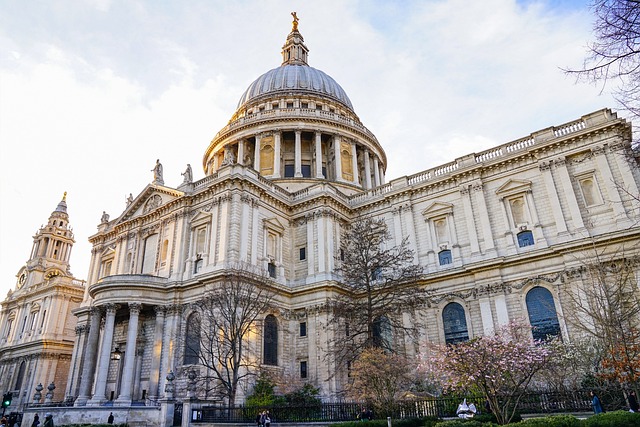
St. Paul's Cathedral in London, United Kingdom

St. Paul's Cathedral

The St. Paul's Cathedral in Münster, consecrated in 1264, is a masterpiece blending Romanesque and Gothic architecture. Its 16th-century astronomical clock performs a daily mechanical theater show at noon, featuring 12 moving figures including Death striking the hour. The cathedral survived the 1534-35 Anabaptist rebellion when radicals whitewashed its frescoes - some now carefully restored. The 7.5-ton Peace Bell in the south tower was cast from melted-down cannons after the Thirty Years' War. Don't miss the Triumphal Cross (1220), one of Germany's oldest surviving wooden sculptures. The crypt contains relics of St. Ludgerus who founded Münster's first church in 793. Recent laser scans revealed hidden masons' marks proving French architects worked on the Gothic choir.
Ads place
Ads place
Ads place
Ads place
Ads place
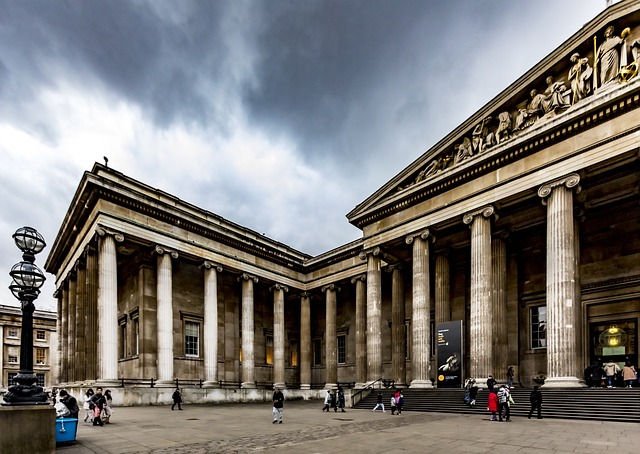
The British Museum in London, United Kingdom

The British Museum

The British Museum is one of the world's oldest and most comprehensive museums, housing over 8 million works from all continents. Founded in 1753, it offers a journey through human history, art, and culture. Highlights include the Rosetta Stone, the Elgin Marbles, and the Egyptian mummies. The museum's Great Court, designed by Norman Foster, is a stunning architectural feat and the largest covered public square in Europe. Did you know that the museum's collection was initially based on the personal collection of Sir Hans Sloane, a physician and naturalist? The museum's commitment to free entry ensures that knowledge and culture are accessible to all. Its vast collection and thought-provoking exhibitions make it a hub for curious minds and history enthusiasts alike. Walking through its halls feels like traversing the globe and time itself, uncovering the stories of civilizations long gone.
Ads place
Ads place
Ads place
Ads place
Ads place
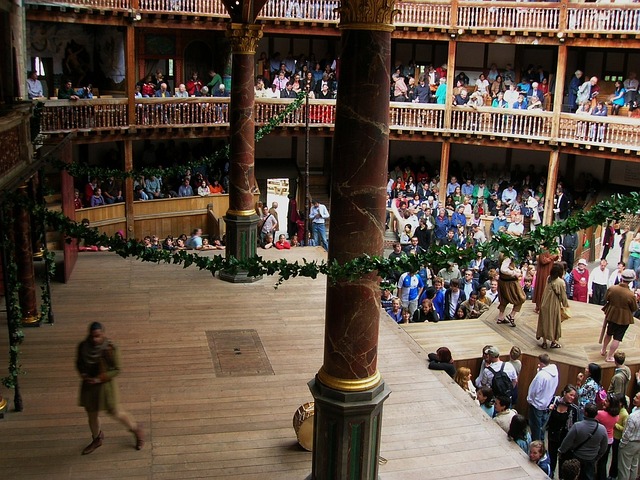
The Globe Theatre in London, United Kingdom

The Globe Theatre

The Globe Theatre is a faithful reconstruction of the original Elizabethan playhouse where William Shakespeare staged many of his plays. Located on the south bank of the Thames, it offers a unique glimpse into the world of 16th-century theater. The open-air design and thatched roof recreate the atmosphere of Shakespeare's time, allowing audiences to experience his works as they were originally intended. Did you know that the original Globe Theatre burned down in 1613 during a performance of Henry VIII? The modern Globe, opened in 1997, is a testament to the enduring legacy of Shakespeare's genius. Watching a play here feels like stepping back in time, where the magic of the stage transcends centuries.
Ads place
Ads place
Ads place
Ads place
Ads place
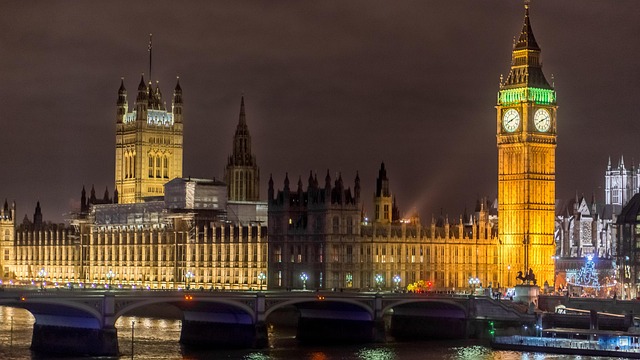
The Houses of Parliament and Big Ben in London, United Kingdom

The Houses of Parliament and Big Ben

The Houses of Parliament and Big Ben are among London's most iconic landmarks. The Palace of Westminster, as it is officially known, is the seat of the UK Parliament and a masterpiece of Gothic Revival architecture. Big Ben, the nickname for the Great Bell of the clock, is one of the most recognizable symbols of London. The clock tower, officially named the Elizabeth Tower, stands at 96 meters tall and has become a symbol of British resilience. Did you know that the clock's mechanism is so precise that it is adjusted using old pennies to ensure accuracy? The Houses of Parliament have witnessed some of the most significant moments in British history, including the signing of the Magna Carta. Their historical and architectural significance makes them a must-see for visitors to London. Standing in their shadow, you can almost hear the echoes of debates that shaped the nation.
Ads place
Ads place
Ads place
Ads place
Ads place
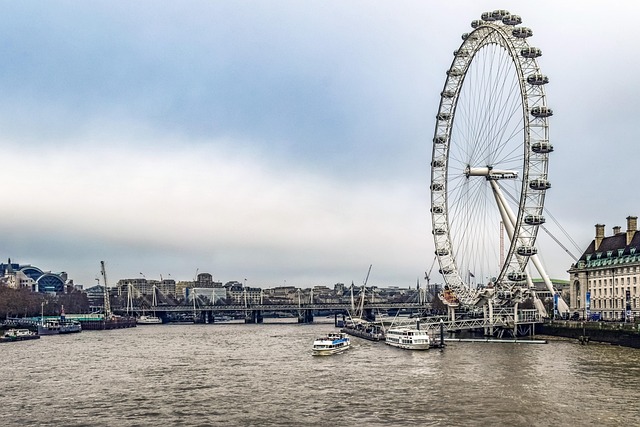
The London Eye in London, United Kingdom

The London Eye

The London Eye, also known as the Millennium Wheel, is one of the most recognizable modern landmarks in London. Standing at 135 meters tall, it offers breathtaking panoramic views of the city. Since its opening in 2000, it has become one of the most popular paid tourist attractions in the UK. Each of its 32 capsules represents one of London's boroughs and can hold up to 25 people. The wheel moves slowly, taking about 30 minutes to complete a full rotation, allowing ample time to soak in the views. On a clear day, you can see up to 40 kilometers in every direction. The London Eye is particularly stunning at night when the city lights create a magical atmosphere. It's a perfect way to see London from a new perspective and appreciate its sprawling beauty. Whether you're a first-time visitor or a lifelong resident, the London Eye offers a fresh way to fall in love with the city.
Ads place
Ads place
Ads place
Ads place
Ads place
The Natural History Museum in London, United Kingdom

The Natural History Museum

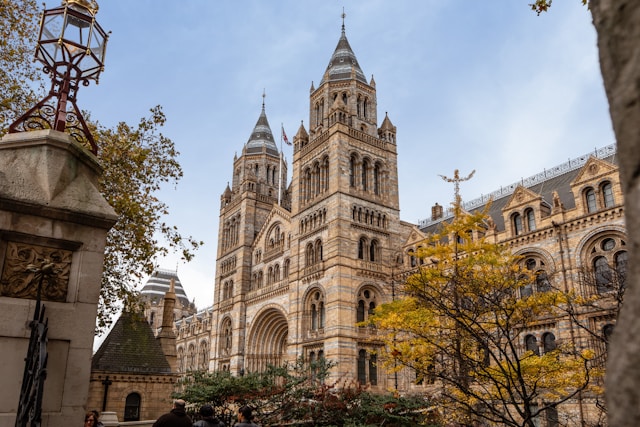
The Natural History Museum is one of London's most beloved institutions, housing over 80 million specimens spanning billions of years. The museum's iconic Hintze Hall features a massive blue whale skeleton suspended from the ceiling, symbolizing humanity's connection to nature. The dinosaur gallery, with its lifelike T-Rex model, is a favorite among visitors. The museum's architecture, designed by Alfred Waterhouse, is a stunning example of Romanesque style. Did you know that the museum was originally part of the British Museum before becoming independent in 1963? Its collections include rare fossils, gemstones, and meteorites, offering a glimpse into the natural world's wonders. The museum's blend of education and entertainment makes it a must-visit for families and science enthusiasts. It’s a place where the mysteries of the natural world come alive, sparking curiosity in visitors of all ages.
Ads place
Ads place
Ads place
Ads place
Ads place
The Shard in London, United Kingdom

The Shard

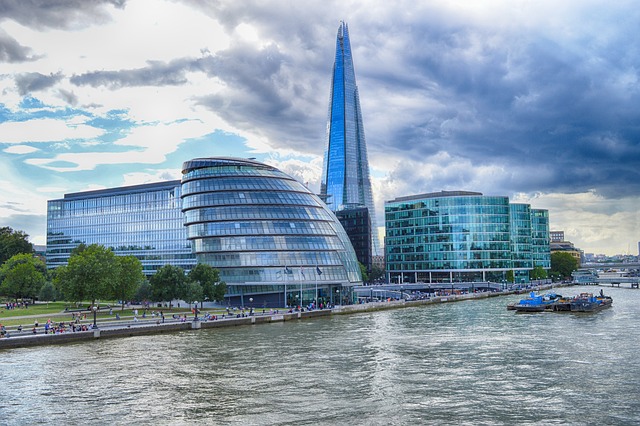
The Shard is the tallest building in the UK, standing at 310 meters tall. Designed by architect Renzo Piano, it has become a symbol of modern London. The building's 72nd-floor viewing gallery, The View from The Shard, offers unparalleled views of the city. The Shard's design was inspired by the spires of London churches and the masts of sailing ships. It houses offices, restaurants, a hotel, and residential apartments, making it a vertical city. Interestingly, the building's glass façade reflects the sky, changing its appearance throughout the day. The Shard's construction was completed in 2012, just in time for the London Olympics. Its innovative design and commanding presence make it a must-see for architecture enthusiasts and anyone looking to experience London from new heights. From its summit, the city unfolds like a living map, revealing its endless layers of history and modernity.
Ads place
Ads place
Ads place
Ads place
Ads place
Tower Bridge in London, United Kingdom

Tower Bridge

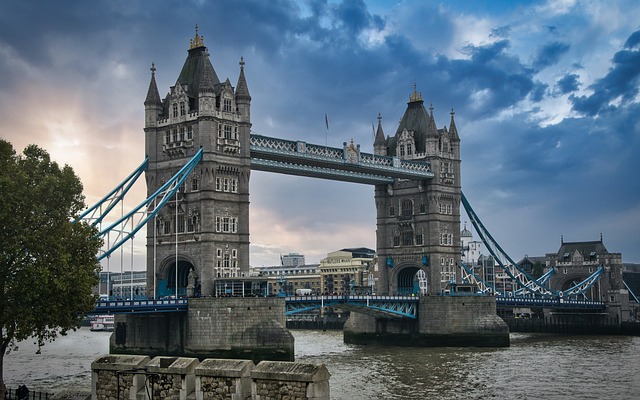
Tower Bridge is one of London's most recognizable landmarks, a symbol of the city's engineering prowess and historical charm. Completed in 1894, this Victorian Gothic masterpiece spans the River Thames and connects the boroughs of Tower Hamlets and Southwark. The bridge's twin towers, suspension system, and bascules (movable sections) are marvels of 19th-century engineering. Did you know that the bridge was designed to allow ships to pass through while maintaining road access? Its high-level walkways, originally used by pedestrians, now house a glass-floored exhibition offering stunning views of the city. The bridge's machinery room, open to visitors, showcases the original steam engines that once powered the bascules. Tower Bridge is not just a functional structure but a work of art, blending form and function in a way that continues to captivate visitors. Standing on its walkways, you can feel the pulse of London's history and modernity intertwined, a testament to the city's enduring spirit.
Ads place
Ads place
Ads place
Ads place
Ads place
Tower of London in London, United Kingdom

Tower of London

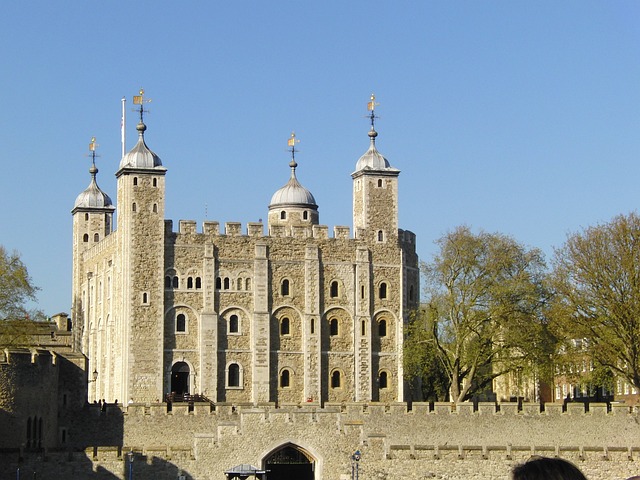
The Tower of London is one of the most iconic landmarks in the city, with a history spanning over 1,000 years. Originally built by William the Conqueror in 1066, it has served as a royal palace, prison, treasury, and even a zoo. The Crown Jewels, housed here, are a dazzling display of Britain's royal heritage. Did you know that the tower is guarded by the Yeomen Warders, commonly known as Beefeaters, who have been protecting it since the 14th century? Ravens are also kept at the tower, as legend says that if they leave, the kingdom will fall. The tower's architecture and stories of intrigue, such as the mysterious disappearance of the Princes in the Tower, make it a fascinating place to explore. Its blend of history, mystery, and royal grandeur ensures it remains a cornerstone of London's cultural landscape. Few places in the world can claim such a rich tapestry of history, where every stone seems to whisper secrets of the past.
Ads place
Ads place
Ads place
Ads place
Ads place