
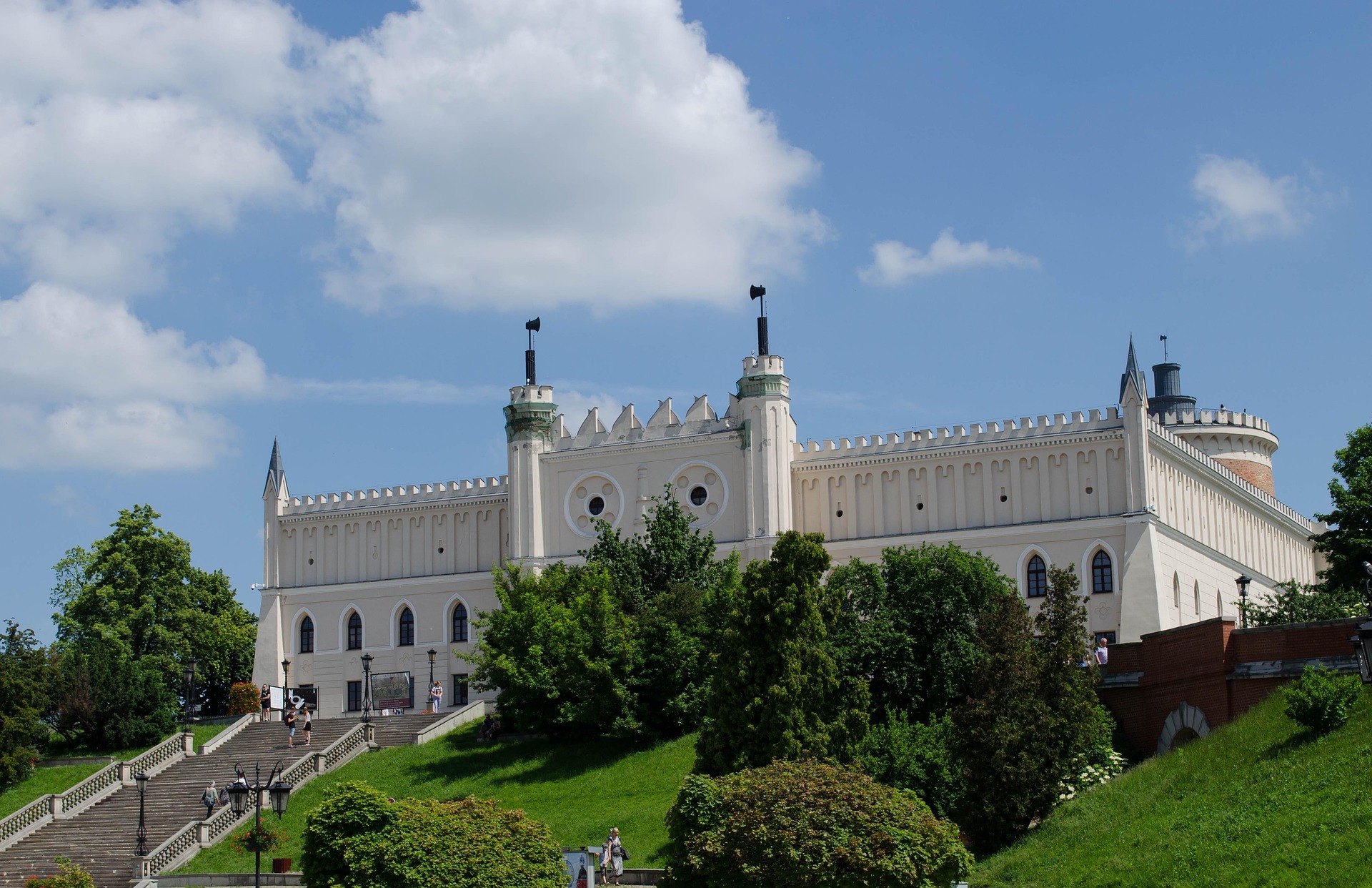
City view of Lublin, Poland

Lublin

Lublin, located in southwestern Poland, is a city with a rich mining heritage and dynamic urban development. Best known for its copper mining industry, Lublin is home to the headquarters of KGHM, one of Europe’s largest mining companies, and its influence is seen in local industry and community life. The city blends industrial significance with cultural vitality, featuring museums like the Copper Museum that document its mining history alongside contemporary art galleries and theaters. Green spaces such as Zagroda Stara and Lubin Park offer tranquil escapes, while the city hosts festivals celebrating both local traditions and contemporary culture. Lubin is also renowned for its modern sports facilities and passionate football fanbase. Lesser-known is Lubin’s architectural diversity, ranging from historic churches and traditional townhouses to innovative modern residential areas. Its educational institutions contribute to a vibrant student population, enhancing the city’s lively, forward-thinking atmosphere and making it an appealing destination for both residents and visitors.

Top attractions & things to do in Lublin

If you’re searching for the best things to do in Lublin, this guide brings together the top attractions and must-see places to visit in Lublin. The top picks below highlight the most visited sights for first-time visitors, plus a few local favorites worth adding.

Centre for the Meeting of Cultures in Lublin, Poland

Centre for the Meeting of Cultures

The Centre for the Meeting of Cultures is a striking modern building and the beating heart of Lublin’s cultural scene. Opened in 2016, the center was built on the site of an unfinished Soviet-era theater, blending contemporary architecture with historic ambition. Its glass facades and public rooftop gardens have become local landmarks. The center hosts theater performances, film screenings, concerts, and international art exhibitions, attracting artists and audiences from around the world. A fascinating fact is the rooftop apiary, where urban bees help pollinate the city’s flowers. The building’s interiors include innovative art installations, experimental music venues, and spaces for creative workshops. The Centre for the Meeting of Cultures reflects Lublin’s long-standing tradition of openness, dialogue, and innovation—a place where history, art, and community come together in vibrant harmony.
Ads place
Ads place
Ads place
Ads place
Ads place
Crown Tribunal in Lublin, Poland

Crown Tribunal

The Crown Tribunal is a grand Renaissance building that once housed Poland’s highest appellate court for the nobility. Located at the heart of Lublin’s Old Town, it is distinguished by its ornate facade and opulent interior halls. The tribunal played a crucial role during the Polish-Lithuanian Commonwealth, where landmark cases were decided. Today, the building hosts concerts, exhibitions, and even mock trials for students. Visitors can explore the historic courtroom and see artifacts from centuries of legal history. A local legend tells of the ghost of a judge who appears on stormy nights to ensure justice is served. The Crown Tribunal is also the starting point for tours of Lublin’s famous underground passageways, which connect key sites across the Old Town. This monument stands as a symbol of law, culture, and the city’s storied civic life.
Ads place
Ads place
Ads place
Ads place
Ads place
Lublin Castle in Lublin, Poland

Lublin Castle

Lublin Castle is one of the oldest and most storied landmarks in eastern Poland, with a history that stretches back to the 12th century. Once a royal residence, the castle has seen everything from medieval feasts to military sieges. Its most famous feature is the Chapel of the Holy Trinity, decorated with stunning Byzantine-Ruthenian frescoes from the early 15th century. The castle museum houses treasures including armor, old coins, and regional art. A little-known secret is the underground passages that once connected the castle to the city walls, used in times of siege. From the castle tower, visitors enjoy panoramic views over the Old Town and the Lublin Upland. Today, the castle is a hub for cultural events, temporary exhibitions, and open-air concerts. Lublin Castle stands as a proud witness to centuries of Polish and European history, blending Gothic, Renaissance, and Baroque influences in its unique silhouette.
Ads place
Ads place
Ads place
Ads place
Ads place
Majdanek Concentration Camp in Lublin, Poland

Majdanek Concentration Camp

The Majdanek State Museum preserves the haunting remains of a Nazi German concentration camp just outside Lublin, serving as a stark reminder of the atrocities committed during World War II. Established in 1941, Majdanek was both a labor and extermination camp. Today, visitors can walk among the original barbed-wire fences, barracks, and gas chambers, as well as the poignant Mausoleum holding ashes of victims. The museum’s exhibitions share personal stories of prisoners from across Europe. A lesser-known detail is that Majdanek was liberated almost intact by Soviet forces, making it one of the best-preserved sites of its kind. Educational programs and remembrance ceremonies are held regularly, fostering dialogue and reflection on the lessons of history. Visiting Majdanek is a powerful, moving experience that leaves a lasting impression about the value of tolerance and human dignity.
Ads place
Ads place
Ads place
Ads place
Ads place
Old Town in Lublin, Poland

Old Town

Lublin’s Old Town is a labyrinth of narrow streets and pastel-colored tenement houses, known for its well-preserved Renaissance and Baroque architecture. The Grodzka Gate once marked the border between Christian and Jewish quarters, and today it hosts a cultural center that tells the story of Lublin’s multicultural past. Cafes and galleries line the cobblestone streets, where musicians play and artists sell their crafts. A highlight is the Trinitarian Tower, offering breathtaking views of the city. The Old Town’s main square hosts festivals year-round, from jazz concerts to culinary fairs. Few visitors know about the intricate cellars beneath many buildings, which were once used as merchant warehouses and now serve as atmospheric cafes and bars. Each corner of Lublin Old Town whispers tales of kings, scholars, and revolutionaries, making it a must-see for history lovers and curious travelers.
Ads place
Ads place
Ads place
Ads place
Ads place