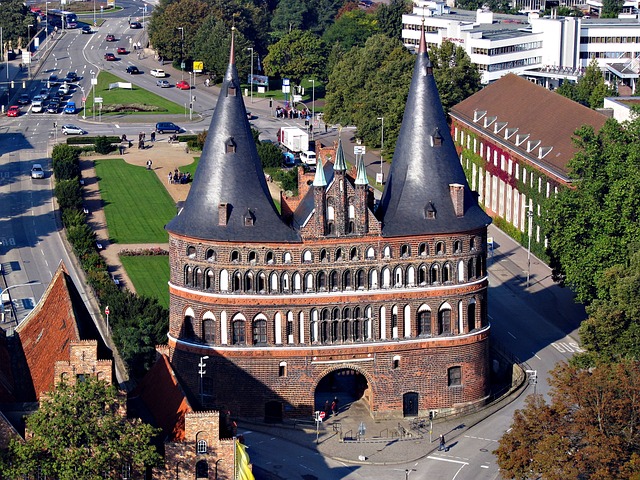
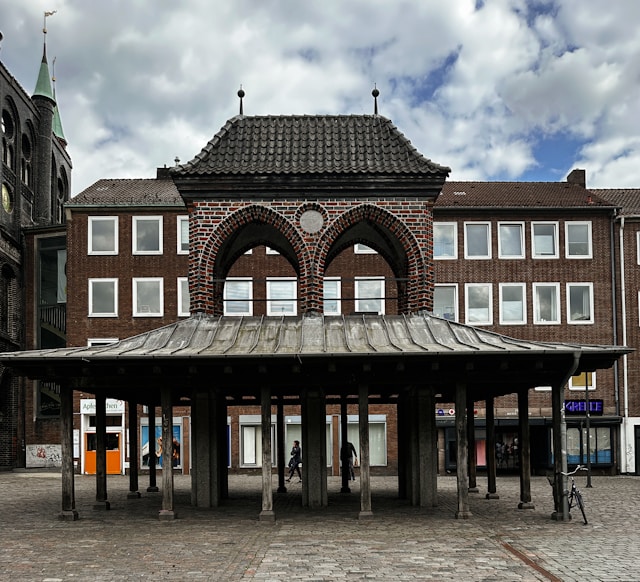
City view of Lübeck, Germany

Lübeck

Lübeck, a UNESCO World Heritage site, is known for its well-preserved medieval architecture and maritime history. The Holstentor, a 15th-century city gate, is one of Germany's most iconic landmarks. Lübeck's old town, located on an island, features narrow alleys, historic churches, and the renowned St. Mary's Church. The city was a major center of the Hanseatic League, and its museums, such as the European Hansemuseum, offer insights into its past. Lübeck is also famous for its marzipan, which can be sampled at local confectioneries. The combination of historical sites and local delicacies makes Lübeck a charming destination.

Top attractions & things to do in Lübeck

If you’re searching for the best things to do in Lübeck, this guide brings together the top attractions and must-see places to visit in Lübeck. The top picks below highlight the most visited sights for first-time visitors, plus a few local favorites worth adding.

Altstadt Lübeck in Lübeck, Germany

Altstadt Lübeck

Altstadt Lübeck, the old town of Lübeck, is a UNESCO World Heritage site that offers a captivating journey through history. Surrounded by water and steeped in medieval charm, the old town is known for its narrow, winding streets and beautifully preserved buildings that showcase Gothic, Renaissance, and Baroque architecture. Key highlights include the iconic Holstentor, the impressive St. Mary's Church, and the historical merchants' houses that once belonged to the city's affluent traders. Walking through Altstadt Lübeck, visitors can discover charming squares, local boutiques, and cafes that serve the famous Lübeck marzipan. Underground medieval tunnels connect many cellars, originally used for smuggling goods. The Buddenbrookhaus museum commemorates Thomas Mann's Nobel Prize-winning novel set in these streets.
Ads place
Ads place
Ads place
Ads place
Ads place
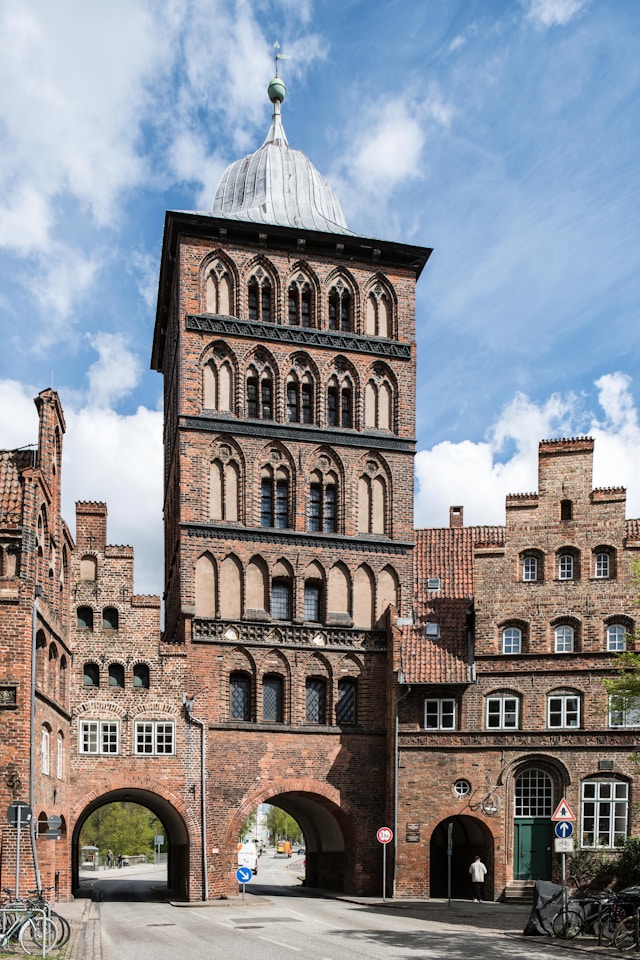
Burgtor in Lübeck, Germany

Burgtor

Burgtor is another historic gate in Lübeck that marks the northern boundary of the medieval town. Constructed in the 13th century, it is one of the remaining gates that once served as part of the city's fortifications. The Burgtor is distinguished by its tall, elegant tower and intricate architectural details. Visitors can admire its impressive design and imagine the bustling activity that once surrounded it. Today, the gate stands as a testament to Lübeck's defensive past and offers a glimpse into the city's medieval architecture. Its proximity to the old town makes it a convenient and captivating stop on any tour of Lübeck. The gate's murder hole (a defensive opening) still contains original iron grating from 1280. During excavations, archaeologists found medieval arrowheads embedded in the gate's wooden doors.
Ads place
Ads place
Ads place
Ads place
Ads place
Holstentor in Lübeck, Germany

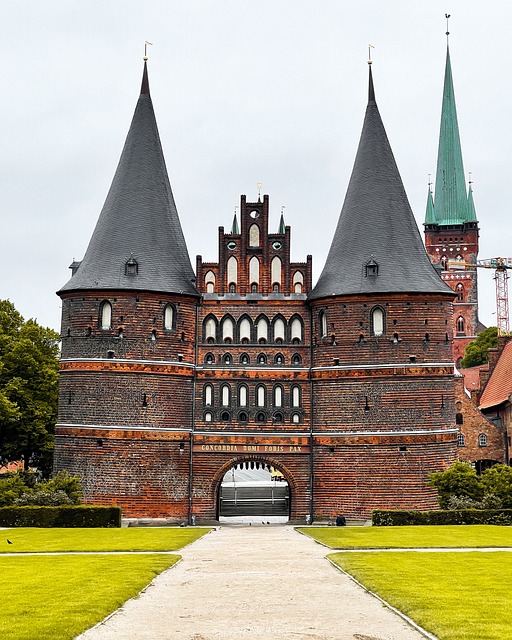
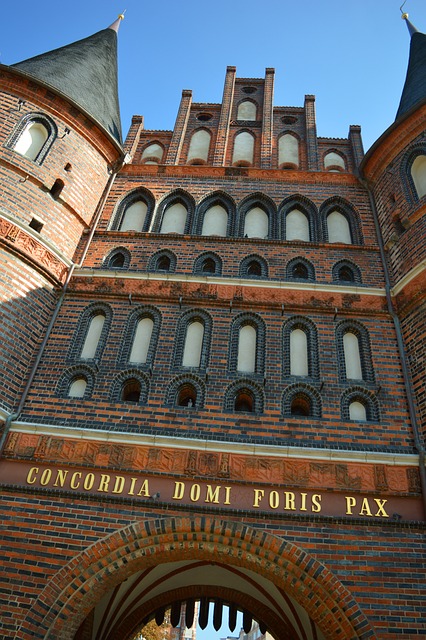
Holstentor

The Holstentor is one of the most iconic landmarks in Lübeck and serves as a reminder of the city's medieval past. Built in the 15th century, this grand brick structure was part of the original city fortifications and stands as a gateway to the old town. Its two imposing towers and central archway are adorned with intricate details, showcasing the architectural prowess of the era. Visitors can explore the museum inside, which highlights Lübeck's history and significance as a former Hanseatic League city. The surrounding park and the nearby Trave River provide a scenic backdrop for photos and leisurely walks. The gate's tilted position (1.5 meters off-center) resulted from unstable foundations, giving it the nickname "The Leaning Tower of Lübeck." During restoration in the 1930s, workers discovered medieval graffiti left by stonemasons in hidden chambers.
Ads place
Ads place
Ads place
Ads place
Ads place
Lübeck Cathedral in Lübeck, Germany

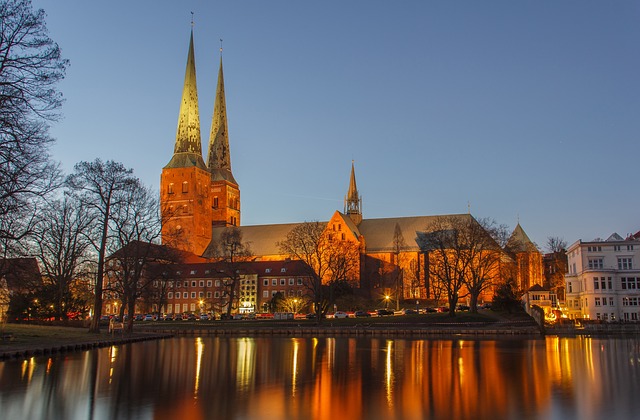
Lübeck Cathedral

Lübeck Cathedral, also known as the Dom zu Lübeck, is an awe-inspiring Romanesque-style cathedral with a history stretching back to the 12th century. The cathedral was commissioned by Henry the Lion and features a combination of Romanesque and Gothic architectural elements. Inside, visitors are treated to beautiful stained-glass windows, a grand organ, and intricate woodwork. The serene atmosphere makes it a peaceful place for reflection and appreciation of religious art. The cathedral has withstood various historical challenges, including wartime destruction, but continues to stand as a testament to Lübeck's resilience and spiritual importance. The 17th-century crucifix survived the 1942 bombing by being buried in protective sandbags. Archaeologists recently discovered 800-year-old foundation stones from the original church beneath the current floor.
Ads place
Ads place
Ads place
Ads place
Ads place
Marienkirche in Lübeck, Germany

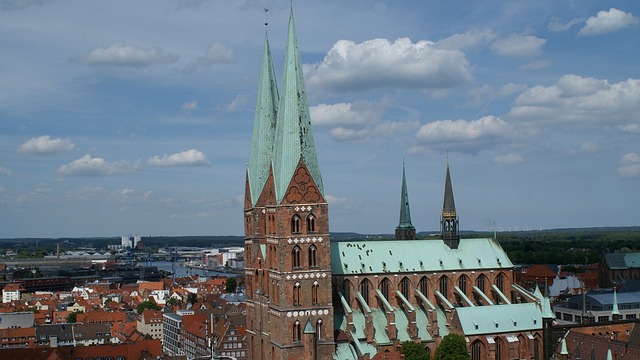
Marienkirche

Marienkirche, or St. Mary's Church, is a stunning example of Brick Gothic architecture and is the third-largest church in Germany. This historic site holds immense cultural and religious significance, with a construction history dating back to the 13th century. The church's impressive towers and intricate interior design make it a must-visit for architecture enthusiasts and history buffs. Visitors are often drawn to the astronomical clock and the captivating art pieces within. The church has endured centuries of events, including the bombings of World War II, and has been meticulously restored to maintain its original splendor. The broken bells from the 1942 air raid remain on display as a memorial. The church's vaulted ceiling reaches 38.5 meters, making it the highest brick vault in the world.
Ads place
Ads place
Ads place
Ads place
Ads place
Museum Holstentor in Lübeck, Germany

Museum Holstentor

The Museum Holstentor is located within the historic Holstentor gate and provides an in-depth look at Lübeck's history as a major trading city during the Hanseatic League era. Inside the museum, visitors can explore a variety of exhibits that highlight medieval trade, shipping, and daily life in Lübeck. Artifacts include historical maps, merchant tools, and ship models that paint a vivid picture of the city's past. The unique setting of the museum, inside one of Lübeck's most recognized structures, makes it an intriguing experience for history enthusiasts and travelers alike. Interactive displays allow visitors to "pack" a virtual Hanseatic cargo ship with trade goods. The museum's collection includes a 14th-century crane hook used to unload salt barrels from ships. Special exhibits rotate annually, focusing on different aspects of Lübeck's maritime heritage.
Ads place
Ads place
Ads place
Ads place
Ads place
Rathaus Lübeck in Lübeck, Germany

Rathaus Lübeck

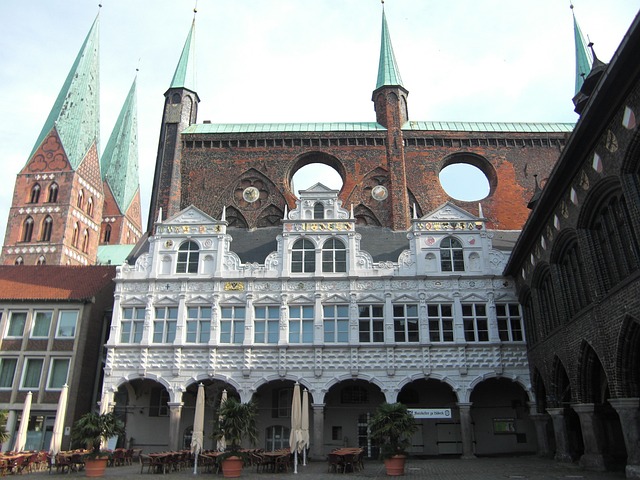
Rathaus Lübeck, or Lübeck Town Hall, is a striking structure that represents centuries of political history and architectural evolution. This historic building, constructed in the 13th century, features an intricate blend of Gothic and Renaissance styles. The façade, with its arched windows and detailed spires, is a marvel to behold. Guided tours offer insights into the town's governance and the evolution of the Hanseatic League. The interior is equally impressive, with grand halls and historic chambers that tell the story of Lübeck's rich past. The Rathaus remains a central part of civic life and a symbol of the city's storied history. The Audience Hall contains a secret door used by medieval councilors for private discussions. The building's black glazed bricks were an innovative fireproofing technique in the Middle Ages.
Ads place
Ads place
Ads place
Ads place
Ads place
Salzspeicher in Lübeck, Germany

Salzspeicher

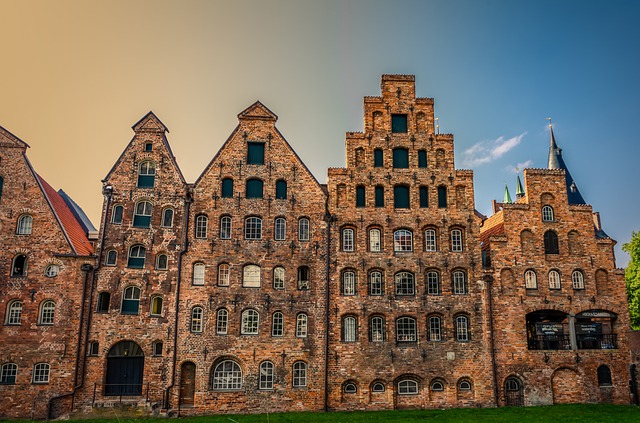
The Salzspeicher, or salt storehouses, are a series of historic brick buildings along the Trave River in Lübeck. These six-storey structures date back to the 16th and 17th centuries when they were used for storing and trading salt, an essential commodity in medieval Europe. Their unique architecture and historical importance make them a notable sight in Lübeck. The buildings are particularly picturesque when viewed from the river, with their distinctive stepped gables and reddish-brown hue. The Salzspeicher stands as a reminder of Lübeck's prominence as a major trading center during the Hanseatic League period. The westernmost warehouse still contains original oak beam scales used to weigh salt shipments. During restoration, workers found 17th-century merchant marks carved into the brickwork by traders.
Ads place
Ads place
Ads place
Ads place
Ads place
St. Jakobi Church in Lübeck, Germany

St. Jakobi Church

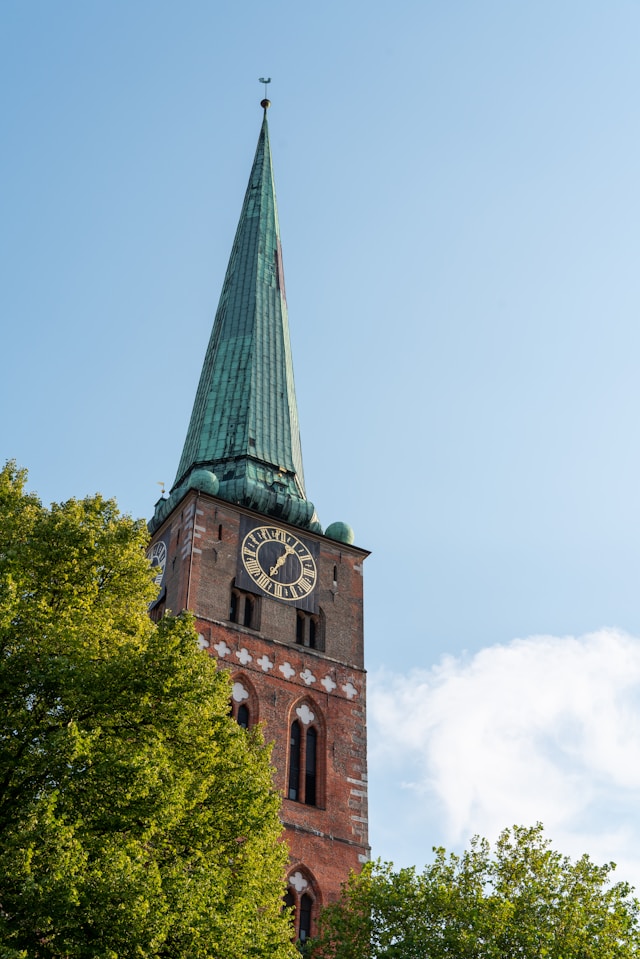
St. Jakobi Church in Lübeck is renowned for its strong maritime connections, originally serving the seafaring community of the city. Built in the 14th century, this Gothic church features an interior adorned with intricate carvings and artwork. One of the most fascinating elements inside the church is the preserved lifeboat from the ship 'Pamir', which sank in 1957. The church's towering spires and beautiful stained-glass windows make it an impressive architectural piece. Visitors can explore its historical exhibits and admire the solemn beauty that reflects Lübeck's seafaring heritage. The sailors' chapel contains votive ships donated by grateful mariners. The church's astronomical clock still accurately tracks lunar phases after 500 years of operation.
Ads place
Ads place
Ads place
Ads place
Ads place
Travemünde Beach in Lübeck, Germany

Travemünde Beach

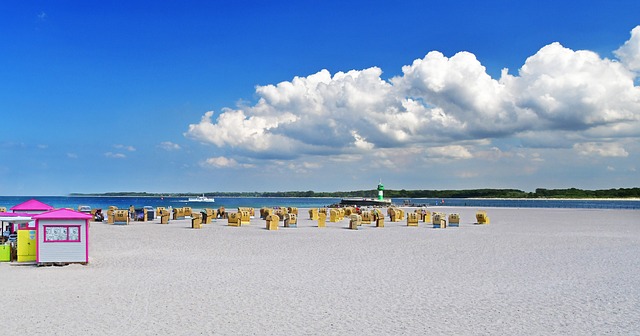
Travemünde Beach is a popular seaside destination located just a short distance from Lübeck. Known for its wide sandy shores and picturesque views of the Baltic Sea, it attracts both locals and tourists looking for relaxation and recreation. The beach area offers various activities, including sunbathing, swimming, and beach sports. Nearby, the promenade is lined with charming cafes, restaurants, and shops. Travemünde's historic lighthouse and the iconic Passat ship add to the area's maritime charm. It is an ideal location for a day trip where visitors can enjoy the fresh sea breeze and the natural beauty of the coast. The beach's unique blue flag certification guarantees exceptional water quality. The sea spa buildings along the shore were modeled after 19th-century Baltic resort architecture.
Ads place
Ads place
Ads place
Ads place
Ads place