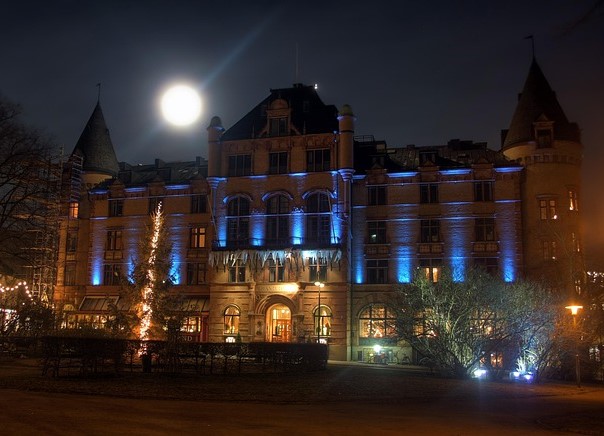
City view of Lund, Sweden

Lund

Medieval lanes around Lund Cathedral, consecrated in the 12th century, set an unhurried rhythm for this university town. The astronomical clock chimes with wooden knights and painted planets at set hours, and the crypt hides a stone giant that local folklore refuses to retire. Students fill Stadsparken on sunny days, swapping lab notes and picnic recipes. Cafes serve cardamom buns, while restaurants nod to Skane with potato cake, roast pork, and tart lingonberries. Kulturen open air museum lines up timbered houses that explain daily life from centuries past. In the Ideon district, start ups share lab space where research turns into products. Lund also rehearses for winter with candlelit concerts and steaming chocolate. A left field fact you will hear twice: the cathedral organ once accompanied a silent film marathon, and half the audience swore they could hear stars turning. Researchers affectionately nickname a wind tunnel 'The Breeze,' credited with drying more lab coats than dryers.

Top attractions & things to do in Lund

If you’re searching for the best things to do in Lund, this guide brings together the top attractions and must-see places to visit in Lund. The top picks below highlight the most visited sights for first-time visitors, plus a few local favorites worth adding.

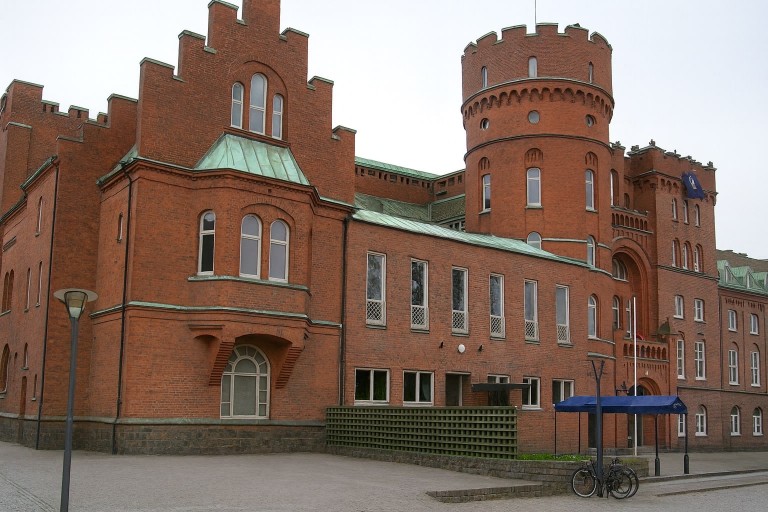
AF Borgen in Lund, Sweden

AF Borgen

By Lundagard, a crenellated brick pile hosts the town's most energetic calendar: lectures at noon, banquets by night, and rehearsals almost always. The Academic Society, founded in 1830, opened this home in 1851, its halls later extended to handle a student population that grows like a tide. Inside, Stora Salen stacks balconies and chandeliers with a practical flair and a gently Neo-Gothic accent; downstairs, committee rooms tick through agendas that shape festivals and debates. Every 4 years the Lund Carnival takes over, a student-run spectacle whose floats and satire spill from this base across streets and screens. Posters from the 20th century line corridors, thin paper that somehow outlasts jokes, and a noticeboard still works better than any app during term. Acoustics are friendly to speeches, choirs, and the occasional astonished first-time toastmaster. Stand on the terrace after midnight and the building hums in a lower register—dishwashers, footsteps, a bassline from a practice room—proof that civic life here is built of repetition as much as event.
Ads place
Ads place
Ads place
Ads place
Ads place
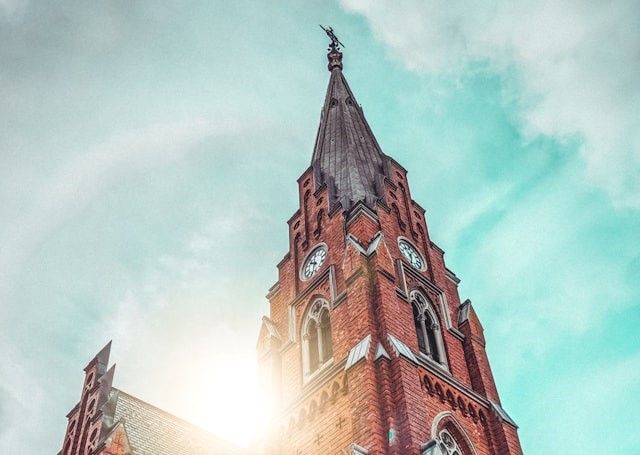
All Saints Church in Lund, Sweden

All Saints Church

Red brick draws the eye before the spire does; then the whole composition resolves into a sermon on verticals and light. Consecrated in 1891 and designed by Helgo Zettervall, the church carries a northern take on Neo-Gothic discipline from the late 19th century, its buttresses slim and its windows reading like pages turned toward the sky. The spire climbs to about 72 meters, a measurement locals repeat with pride when fog lifts enough to count. Inside, pale plaster sets off ribbing and wood, and the pulpit holds carvings, freshly sanded. Organ pipes line a gallery with a restrained shimmer; on winter evenings the sound folds neatly over pews and out toward the doors. Walk the aisles and notice brass memorials kept low, as if to keep the building's upward argument clean. Outside, a tidy churchyard gathers bicycles and the tower clock steadies the neighborhood's tempo. Even without a service, the place insists on decorum: feet slower, voices softer, and glances thrown upward with the same regularity as the bricks that brought the whole idea into order.
Ads place
Ads place
Ads place
Ads place
Ads place
Botanical Garden in Lund, Sweden

Botanical Garden

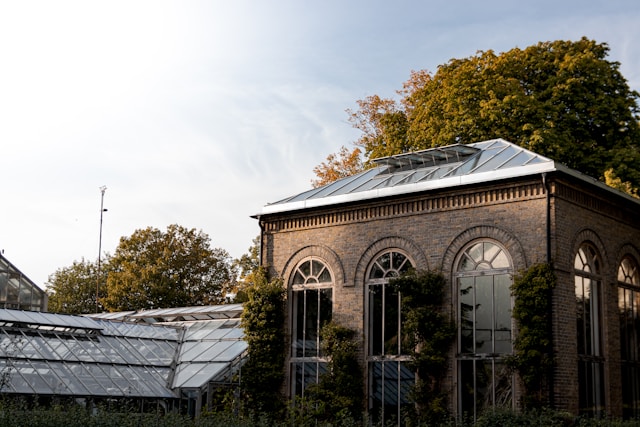
A few blocks from the center, paths slide between herb beds and ponds where moorhens draw tidy wakes, and labels give Latin names the steadiness of prose. The university garden traces roots to 1690, its present grounds mapped across roughly 8 hectares with a rhythm of lawns, arboreta, and glass. A suite of 7 glasshouses keeps climates in tidy boxes—tropical humidity here, desert austerity there—and staff note a living collection counted in the thousands of species. Victorian frames, renewed in the 20th century, leave ironwork that feels both technical and decorative. In spring, magnolias turn the air creamy; in autumn, ginkgo leaves fall like paper coins. Benches face beehives and a teaching plot where students test soil and patience, and a discreet gate leads to a nursery open on select weekends. Birdsongs holds the perimeter against traffic, and the pool's lily pads play host to damselflies that own the afternoon. Come early and the gardeners' carts mark wet tracks through gravel; come late and the glasshouses throw warm rectangles onto paths as the city cools back to itself.
Ads place
Ads place
Ads place
Ads place
Ads place
Kulturen Open-Air Museum in Lund, Sweden

Kulturen Open-Air Museum

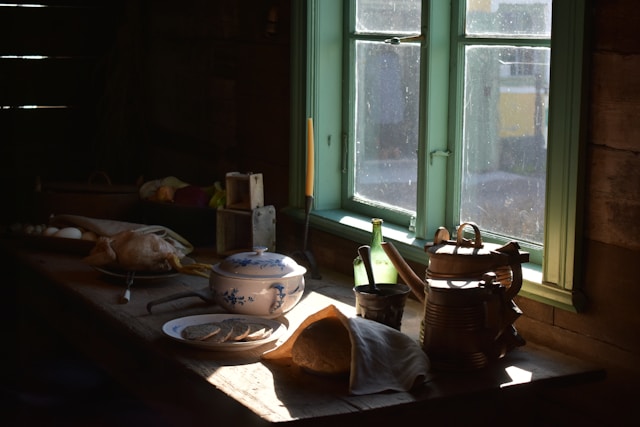
An entire neighborhood seems to have paused inside brick walls: cottages, workshops, gardens, and streets arranged as if owners just stepped out for bread. The open-air museum was founded in 1882, and today more than 30 historic buildings stand here, moved and restored to show work and home across the region. Timbers and plaster carry half-timbered patterns; tiled stoves and painted chests anchor interiors where guides talk so floorboards can creak. Collections span folk dress to toys; a print shop sets type the slow way, letter by letter, and guides cite inventories from the 1890s. In one yard, hops climb; in another, a kitchen garden lines up herbs that travelers listed in the 18th century. Seasonal fairs spread stalls under eaves, and children follow a map past dovecotes and laundry greens. Look for tool marks on beams and graffiti under a stair—signatures from workers who assumed nobody would ever care. Step outside and the modern city resumes at the gate, louder but clarified by the museum's steady argument for attention to ordinary rooms and the hands that built them.
Ads place
Ads place
Ads place
Ads place
Ads place
Lund Cathedral in Lund, Sweden

Lund Cathedral

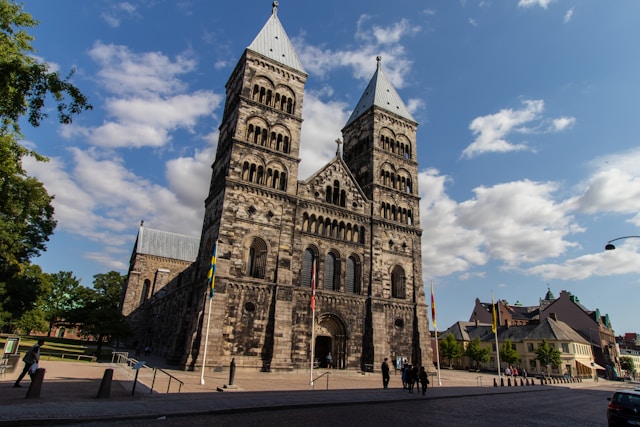
Step from cobbles into shadow and stone takes over: thick piers, rounded arches, and a hush shaped by a thousand routines. Construction began in the 12th century, and the church's cool Romanesque grammar still frames light that falls in measured squares. The twin west towers rise to roughly 55 meters, a skyline signature that makes weather feel like part of the liturgy. At certain hours the astronomical clock—often dated to the 15th century and restored in the 20th century—parades its figures with a clatter that ignores smartphones. Down in the crypt, a squat forest of columns surrounds the famous giant, said to be Finn, whose story schoolchildren retell. Look for reused stones in the walls, records from earlier buildings tucked into duty, and for patches where conservators left their joins visible. Find a pew and the room shrinks to human scale: footsteps on flags, a cough, the rattle of a hymnbook. Outside, the facade's blind arcades show how restraint can read as confidence; the towers keep watching as the square resets for coffee and bicycles.
Ads place
Ads place
Ads place
Ads place
Ads place
Lund University Library in Lund, Sweden

Lund University Library

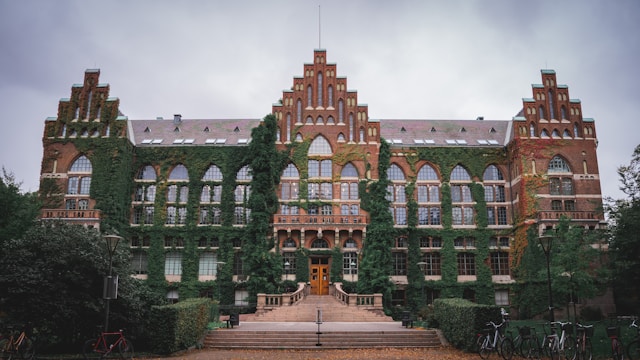
Red brick and climbing ivy set the tone before the hushed foyer reveals rows of catalog ghosts - this is Lund University Library. Completed in 1907 to plans by Alfred Hellerstrom, the building declares a steady Neo-Gothic grammar: lancet windows, slim buttresses, and a copper roof that weathers like a chalkboard. The institution itself reaches back to 1666, and records from the 1890s suggest committees were already sketching a purpose-built home for a growing collection. Inside, a high central reading room pools daylight onto oak tables; iron spiral stairs climb to balcony stacks whose rails carry the polish of decades. The corner tower, locally said to reach about 30 meters, marks Helgonabacken for lost freshmen and returning alumni alike. Special collections keep maps, newspapers, and incunabula under quiet climate control; a discreet conservation studio mends spines rather than headlines. Rules are gentle - no food, pencils over pens, bags in lockers - and the judgment is firm but kind. Step back outside and ivy has already turned another shade, the facade breathing with semesters while the city rearranges its bicycles below.
Ads place
Ads place
Ads place
Ads place
Ads place
Lund University Main Building in Lund, Sweden

Lund University Main Building

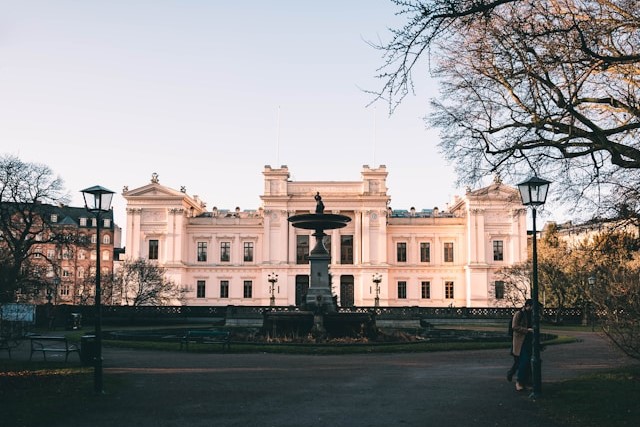
Across the green, a white palace of learning lifts a portico and a balustrade toward a city that measures days in lectures and bicycles. The university itself dates to 1666, while this main building was completed in 1882 under architect Helgo Zettervall, a confident piece of Neo-Renaissance staging. Inside, stairs widen for ceremony, and skylights wash walls that favor clarity over ornament. Across the way, Palaestra et Odeum from 1883 hosts debates and music, its brick echoing a campus that mixes masonry and research with equal conviction. Statue niches now sit quiet, but photographs show earlier silhouettes that once punctuated the roofline. Notice how the front steps become a social topography: thesis photos, protests, reunions, and the practiced pause of students checking timetables. On graduation days, flowers and gowns lend temporary color to a building that prefers winter light and discipline. At dusk the facade takes on a warmer tone, and the lawns turn into a careful threshold between town and study, reminding visitors that universities are engines as well as ornaments.
Ads place
Ads place
Ads place
Ads place
Ads place
Old Town Lanes and Pedestrian Streets in Lund, Sweden

Old Town Lanes and Pedestrian Streets

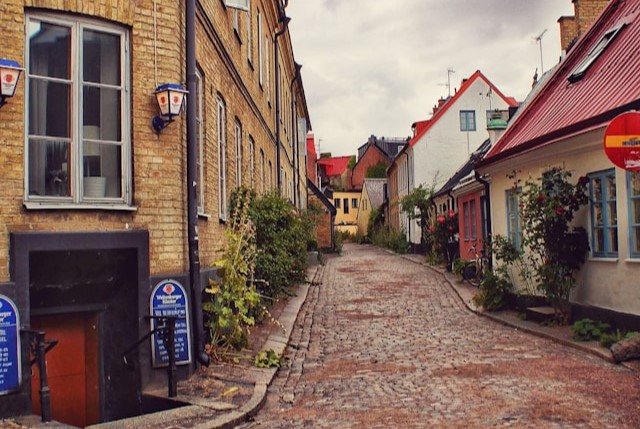
Begin on Kiliansgatan and the old town narrows to a calm scale: bikes rolling slowly, brick and timber close enough to touch. These lanes (Bytaregrand, Stora Tvargatan, and St Petri Kyrkogata) keep a medieval street plan updated when housefronts were raised in the 1890s. Many cottages show half-timbered frames behind later brick skins, with dates that reach to the 17th century on door lintels. The walking zone, formalized in the 1970s, strings pocket squares and shop doors into a continuous paseo. At the tightest bends the width is about 2-3 meters, enough for conversation to carry and for windows to trade glances across the pavement. Rain runs in shallow gutters; street lamps keep a warm color that flatters yellow brick. A weekday loop counts dozens of details: iron boot-scrapers, cellar hatches, painted signs, lilac leaning from courtyards. Detour to the gables by Stora Algatan, then return toward Stortorget where the clock draws the eye again. This district is not a museum; it is a lived-in network built for feet, made legible by time and the polite pace Lund prefers.
Ads place
Ads place
Ads place
Ads place
Ads place
Stadsparken in Lund, Sweden

Stadsparken

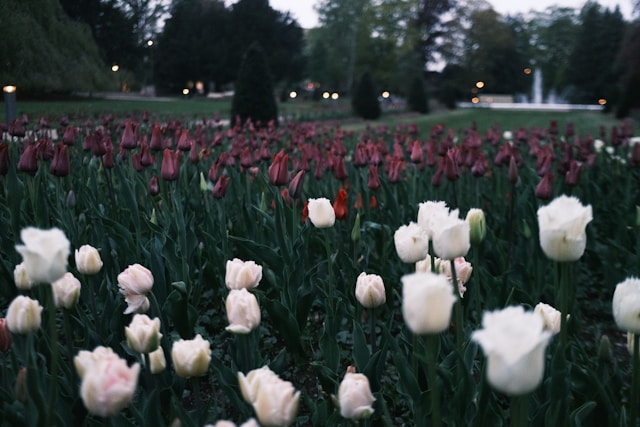
Paths curve under old trees and the city loosens its tie: Stadsparken is where Lund decides to breathe. Laid out in the early 20th century, the park now stretches over roughly 26 hectares of lawns, ponds, and sports corners that absorb school groups with ease. A bandstand recalls concerts recorded in programs from the 1910s, while a skate bowl and playgrounds trade brass for rubber and laughter. On 30 April—Valborg—the crowds swell and picnics turn the meadows into quiltwork; by evening the park performs logistics as well as leisure. Wildlife survives the party: coots stitch water, tawny owls work the dusk, and flower beds reassert geometry by Monday. Paths stay lit without glare, and gravel gives a satisfying crunch that registers season and speed. Look for the old observatory at the edge, built in the 19th century, a reminder that public space and science have long kept company here. Come back on a wet weekday and you will find a different park altogether—quiet, meticulous, and perfectly sized for thinking in a moving frame.
Ads place
Ads place
Ads place
Ads place
Ads place
Stortorget and Bankpalatset in Lund, Sweden

Stortorget and Bankpalatset

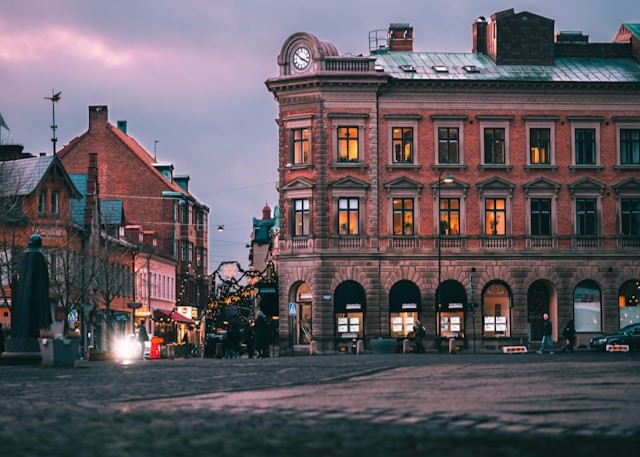
At the corner of Stortorget, a red-brick bank palace with a clock turret anchors Lund's evening light, its arches throwing warm rectangles onto the square. Locals know it as Bankpalatset, a late historicist facade likely completed around 1903, often attributed to a regional hand. The composition leans on Neo-Renaissance cues - pilasters, a rusticated base, paired windows - and a turret that rises about 25 meters to keep time down side streets. An arcade of 7 bays fronts the pavement, hosting cafes and shopfronts. Records from the 1890s describe how Stortorget was retuned for markets and transit, and the building took the corner as if to conduct the traffic of feet and weather. Interior plans show pragmatic vaulting and stair cores; utilities shifted in the 2000s, but the brickwork keeps its rhythm. Come at blue hour and the clock face floats; at noon shadows read the cornice. In both moods, the palace turns commerce into stagecraft, proving that proportion and patience can make a meeting place feel inevitable.
Ads place
Ads place
Ads place
Ads place
Ads place