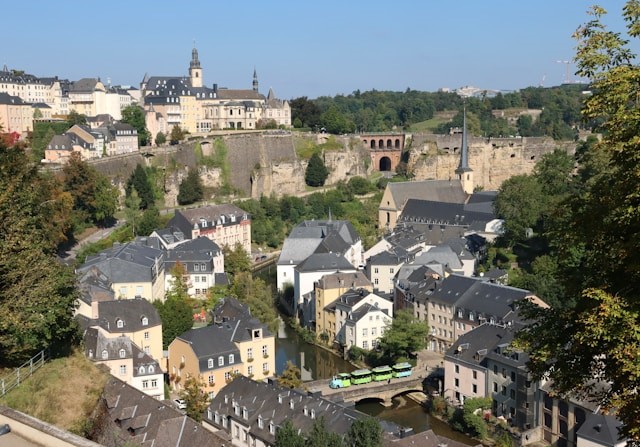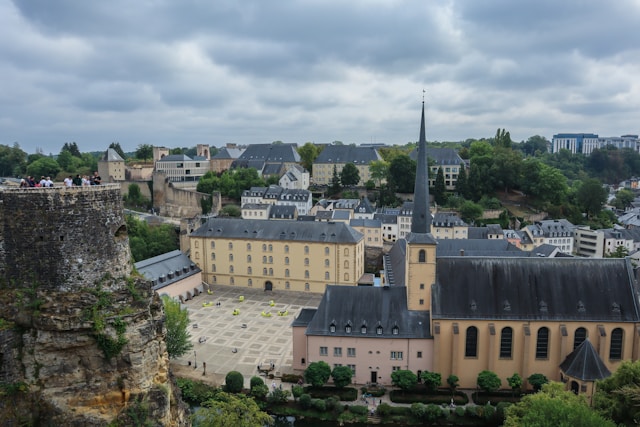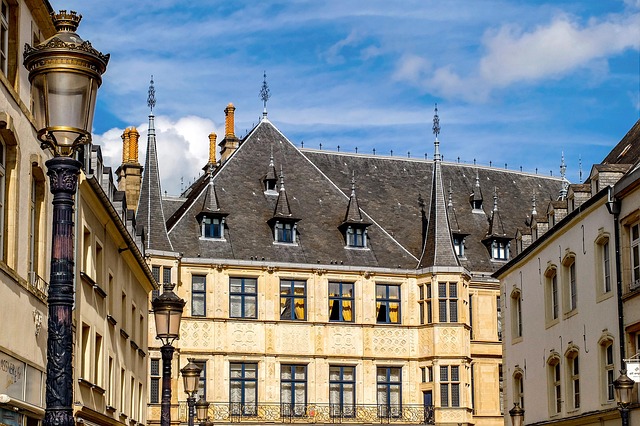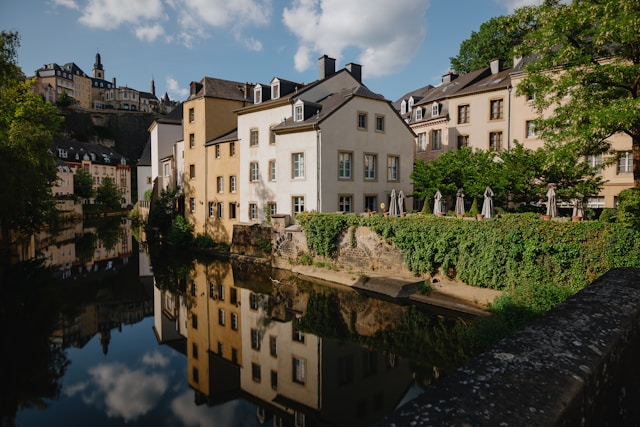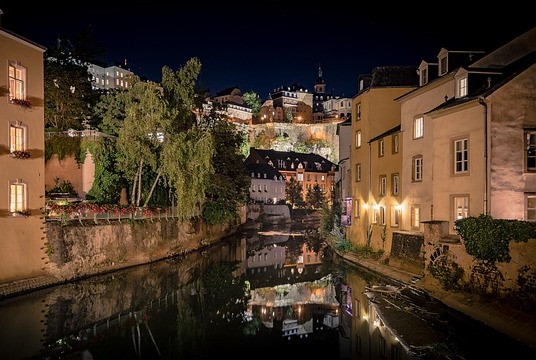
City view of Luxembourg City, Luxembourg

Luxembourg City

Luxembourg City is Europe’s capital of altitude and attitude, where medieval fortresses cling to cliff edges and glass towers gleam in the afternoon sun. Stroll along the Chemin de la Corniche—aka the “most beautiful balcony in Europe”—and you’ll swear the Alzette Valley was sculpted for postcards. The Old Town boasts UNESCO World Heritage status, while the casemates burrow deep underground like a secret agent’s lair. Sip coffee in Place d’Armes and people-watch politicians next to hipsters and monks. Craving culinary thrills? Sample Gromperekichelcher (crisp potato cakes) at the weekly market. Locals adore their quirky blend of French-German-Lux traditions, and you’ll find opera beside street art, global banks next to ancient abbeys, and a vibrant nightlife scene tucked in winding alleys. It’s a city for dreamers, history buffs, and those who love surprises—visit once and you’ll always want a second helping.

Top attractions & things to do in Luxembourg City

If you’re searching for the best things to do in Luxembourg City, this guide brings together the top attractions and must-see places to visit in Luxembourg City. The top picks below highlight the most visited sights for first-time visitors, plus a few local favorites worth adding.

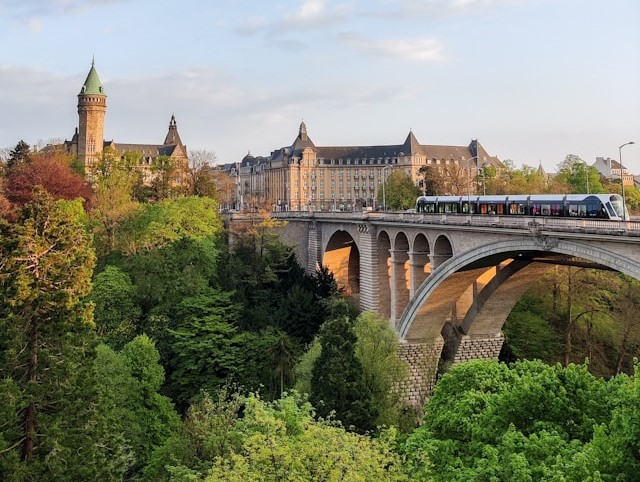
Adolphe Bridge in Luxembourg City, Luxembourg

Adolphe Bridge

The iconic Adolphe Bridge is more than just a river crossing—it’s a national symbol, often called the “New Bridge” since its inauguration in 1903. Its mighty double arches span the Pétrusse Valley, offering some of the city’s best views of green parks and the fortress below. At its opening, it was the largest stone arch bridge in the world, and remains a marvel of engineering and Art Nouveau design. The pedestrian walkway beneath the main deck gives daring explorers a unique vantage point. The bridge’s namesake, Grand Duke Adolphe, helped shape Luxembourg’s modern era. Photographers love capturing its illuminated arches at sunset. Locals and tourists alike use the bridge as a scenic shortcut, connecting old town and new. At Christmas, twinkling lights transform it into a magical city gateway. The iconic bridge even appears in postcards and films, and is beloved by all generations.
Ads place
Ads place
Ads place
Ads place
Ads place
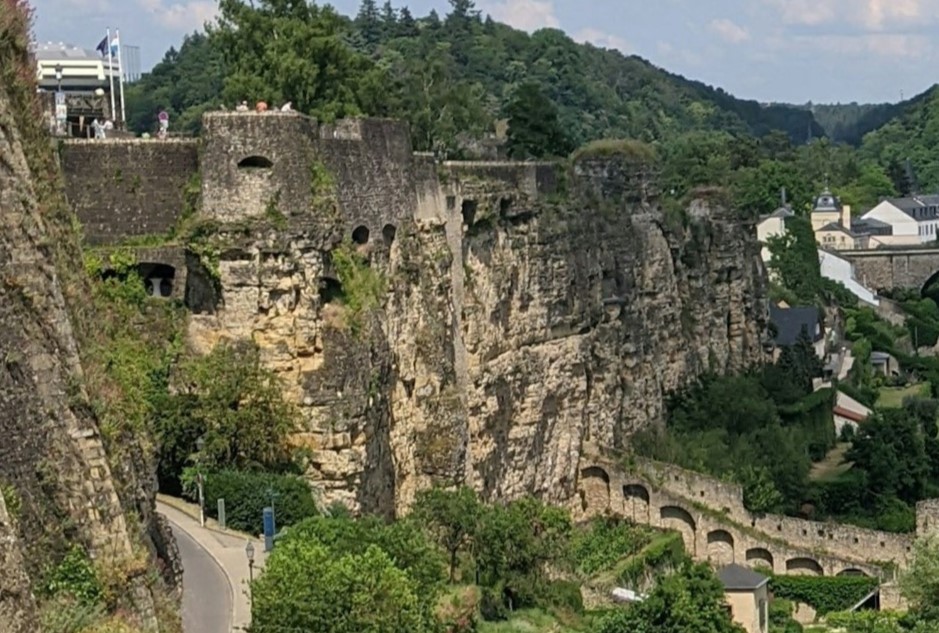
Bock Casemates in Luxembourg City, Luxembourg

Bock Casemates

Deep beneath the streets, the Bock Casemates hide an epic maze of 17 kilometers of tunnels, dug in the 17th century by Spanish and later Austrian military engineers. These dark corridors once sheltered 35,000 people during wartime and played a critical role in Luxembourg's reputation as the "Gibraltar of the North." Visitors wander through chambers carved in sheer cliffs, passing cannons, secret passages, and lookouts with astonishing views over the Grund district. The site is a UNESCO World Heritage gem, blending history, adventure, and haunting beauty. Don’t miss the legend of Melusina, the mythical mermaid said to guard the fortress. Guided tours unveil the city’s military past and the ingenuity that kept Luxembourg unconquered for centuries. Even locals return for the thrill of new discoveries, as hidden nooks reveal themselves with every visit. For anyone passionate about military history and underground wonders, this is Luxembourg’s most unforgettable adventure.
Ads place
Ads place
Ads place
Ads place
Ads place
Chemin de la Corniche in Luxembourg City, Luxembourg

Chemin de la Corniche

Nicknamed “the most beautiful balcony in Europe,” the Chemin de la Corniche traces the old ramparts above the Alzette River, offering breathtaking panoramas of Grund and the lower city. Originally built by Vauban, Louis XIV’s military engineer, the Corniche has long enchanted writers, artists, and travelers. The walkway’s limestone balustrades and medieval towers are irresistible to photographers in every season. Each curve reveals a new perspective, from hidden gardens to gothic bridges, and even secret staircases. In spring, the ramparts are draped in wildflowers, while autumn brings a cascade of golden leaves. Local couples often come here for wedding photos. Guided twilight walks reveal stories of sieges, spies, and vanished empires. The Corniche is pure poetry in stone. Its romantic aura draws not only tourists, but also film crews and artists looking for inspiration.
Ads place
Ads place
Ads place
Ads place
Ads place
Eglise Saint Jean in Luxembourg City, Luxembourg

Eglise Saint Jean

Nestled in the historic quarter of Grund, Eglise Saint Jean is one of Luxembourg’s oldest churches, with roots tracing back to the 14th century. Rebuilt in 1606 after destruction, the church is renowned for its harmonious blend of Gothic and Baroque architecture. Its serene nave, adorned with 17th-century frescoes and ornate altarpieces, invites visitors to pause and reflect. The church’s pipe organ—one of the oldest in the city—still resounds during Sunday Mass, filling the stone arches with timeless melodies. Outside, the picturesque setting alongside the Alzette River and dramatic fortress walls makes it a favorite stop for photographers and history lovers. Local legend says the church bells once warned the town of invaders, making it not just a place of worship but a sentinel of the old city. Today, Eglise Saint Jean hosts community concerts and classical recitals, keeping centuries-old tradition alive in the heart of Grund.
Ads place
Ads place
Ads place
Ads place
Ads place
Grand Ducal Palace in Luxembourg City, Luxembourg

Grand Ducal Palace

The Grand Ducal Palace dazzles with its Flemish Renaissance facades and elaborate turrets—home to the reigning Grand Duke and the ceremonial heart of the nation. Built in 1572, the palace is guarded by solemn sentinels and opens its golden gates to the public each summer, revealing chandeliers, royal salons, and art treasures. The palace balcony is famous as the spot where Luxembourg’s royal family waves to crowds on National Day. History buffs will appreciate stories of occupation by Nazis during World War II, followed by triumphant liberation. The nearby Place Guillaume II hosts festive markets and grand parades. During Christmas, the palace is aglow with twinkling lights, making it a fairytale vision. Guided tours, led by passionate historians, add color to every corner of this living symbol of Luxembourgish identity. Visitors never forget the regal atmosphere and the sense of continuity that echoes through these storied halls.
Ads place
Ads place
Ads place
Ads place
Ads place
Grund District in Luxembourg City, Luxembourg

Grund District

Once a humble suburb, the Grund District is now a bohemian enclave, carved between the Petrusse and Alzette Rivers. Picturesque stone bridges, pastel houses, and leafy courtyards make every stroll a delight. The district is famous for its UNESCO World Heritage status and lively mix of art galleries, craft breweries, and riverside cafés. In medieval times, Grund was home to millers and tanners—today it draws musicians, designers, and curious travelers. Don’t miss the Neumünster Abbey, now a vibrant cultural center. At night, the cobbled lanes glow with lantern light, live jazz floats from hidden bars, and locals gather on ancient terraces for wine and laughter. Each visit uncovers a new secret in Luxembourg’s coolest quarter. Few neighborhoods blend history and hipness so effortlessly—making Grund a favorite haunt for locals and return visitors.
Ads place
Ads place
Ads place
Ads place
Ads place
Mudam Luxembourg – Museum of Modern Art in Luxembourg City, Luxembourg

Mudam Luxembourg – Museum of Modern Art

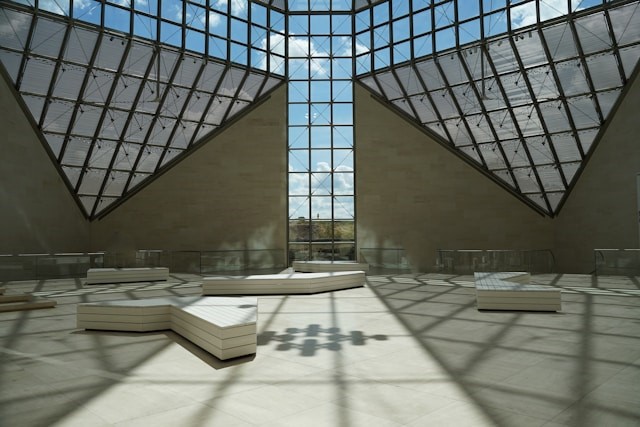
Rising from the old fortress walls, Mudam Luxembourg is a temple of modern creativity designed by I.M. Pei, the famed architect behind the Louvre’s pyramid. Opened in 2006, Mudam’s galleries are flooded with natural light, displaying provocative works by global artists and bold local talent. Rotating exhibitions push boundaries, featuring everything from conceptual installations to interactive digital art. The museum’s glass-roofed Grand Hall is a favorite for photo shoots and art events. Mudam is also known for its cool café and sleek gift shop. Set in the Parc Dräi Eechelen, it’s the perfect place to mix culture, architecture, and park strolls. On summer evenings, live music fills the sculpture garden, drawing creative spirits from across the city. For travelers hungry for creativity, it’s the ultimate destination where imagination is truly set free.
Ads place
Ads place
Ads place
Ads place
Ads place
Notre-Dame Cathedral in Luxembourg City, Luxembourg

Notre-Dame Cathedral

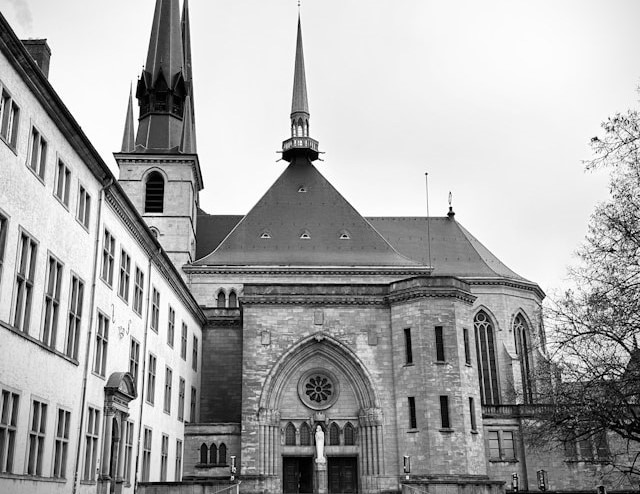
Luxembourg’s Notre-Dame Cathedral is a soaring masterpiece of late Gothic architecture, crowned with three elegant towers and glorious stained glass. Founded in 1613 by Jesuit monks, it shelters the tomb of John the Blind, King of Bohemia and Count of Luxembourg. The cathedral’s crypt is the final resting place for generations of Grand Dukes, and the octagonal bell tower hosts a 6-tonne bell that rings on national holidays. Don’t miss the annual Octave Festival, a spiritual and cultural highlight that fills the city with music, processions, and color. Local legend says the cathedral’s organ is haunted by a friendly ghost. The mix of intricate chapels, dazzling rose windows, and lively events makes Notre-Dame a spiritual heart for both locals and visitors. Whether you seek history, art, or moments of peace, this cathedral is a soul-stirring must-see for every Luxembourg itinerary.
Ads place
Ads place
Ads place
Ads place
Ads place
Philharmonie Luxembourg in Luxembourg City, Luxembourg

Philharmonie Luxembourg

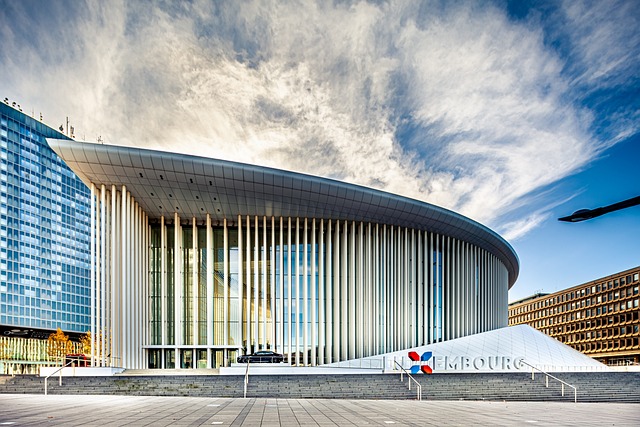
With its spectacular glass-and-white-column facade, the Philharmonie Luxembourg stands as a modern icon of European culture. Designed by architect Christian de Portzamparc and inaugurated in 2005, its acoustics draw world-class orchestras, jazz legends, and cutting-edge ensembles. The grand auditorium, nicknamed “the egg,” floats on a sea of light, creating a magical concert experience. Children’s programs, open rehearsals, and late-night performances make music accessible to all. The Kirchberg district location puts visitors at the heart of Luxembourg’s financial and European quarter. Every year, the Philharmonie hosts the acclaimed Rainy Days Festival and countless other cultural highlights. Even architecture buffs who don’t attend concerts come just to admire its futuristic lines and playful spirit. Each visit promises something new, from surprise world premieres to encounters with rising musical stars.
Ads place
Ads place
Ads place
Ads place
Ads place
Plateau de Saint-Esprit in Luxembourg City, Luxembourg

Plateau de Saint-Esprit

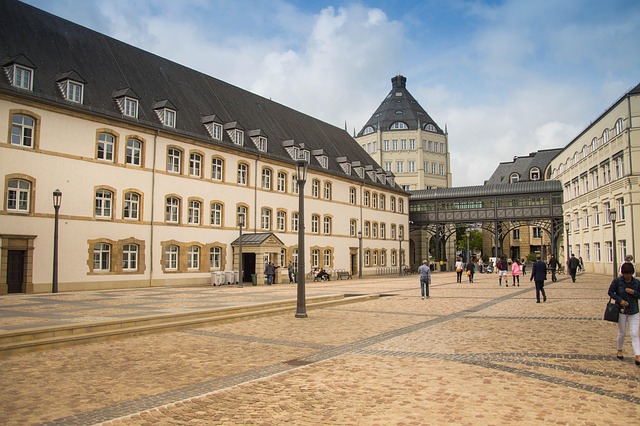
Perched high above the Petrusse Valley, the Plateau de Saint-Esprit is a striking urban terrace with roots stretching back to the 13th century, once the seat of a powerful Benedictine abbey. Today, the plateau is dominated by the elegant Justice Quarter, home to Luxembourg’s Supreme Court and Ministry of Justice, making it a symbolic heart of the nation’s democracy. From its panoramic promenade, visitors enjoy sweeping views of the Grund and the UNESCO-listed old town, especially enchanting at sunset. Hidden below, the legendary Casemates du Saint-Esprit—a network of 17th-century underground fortifications—invite explorers to dive into the city’s military history. The plateau also features beautifully landscaped gardens and tranquil squares, often alive with art installations and outdoor events. With its seamless blend of historic gravitas and modern civic life, the Plateau de Saint-Esprit captures Luxembourg’s spirit of innovation grounded in centuries of tradition.
Ads place
Ads place
Ads place
Ads place
Ads place