City view of Maastricht, Netherlands

Maastricht

Maastricht is the cool, cosmopolitan cousin of Dutch cities—a place where Roman ruins and medieval walls bump elbows with French bistros and avant-garde boutiques. Here, you’ll wander cobbled streets older than the Netherlands itself, sip on Belgian-style beer under Gothic arches, and eavesdrop as locals switch between Dutch, French, and a local dialect that sounds like a spell. Dive into the quirky bookstore built inside a former church, or hunt for vintage finds at the Saturday market. The annual carnival transforms the city into a riot of color and music, but even on quieter days, Maastricht’s mix of cultures and flavors is as intoxicating as its riverside sunsets. If a city could flirt, this one would. Maastricht is also home to the oldest bridge in the Netherlands, Sint Servaasbrug, dating back to the 13th century.

Top attractions & things to do in Maastricht

If you’re searching for the best things to do in Maastricht, this guide brings together the top attractions and must-see places to visit in Maastricht. The top picks below highlight the most visited sights for first-time visitors, plus a few local favorites worth adding.

Basilica of Our Lady (Onze Lieve Vrouwe) in Maastricht, Netherlands

Basilica of Our Lady (Onze Lieve Vrouwe)

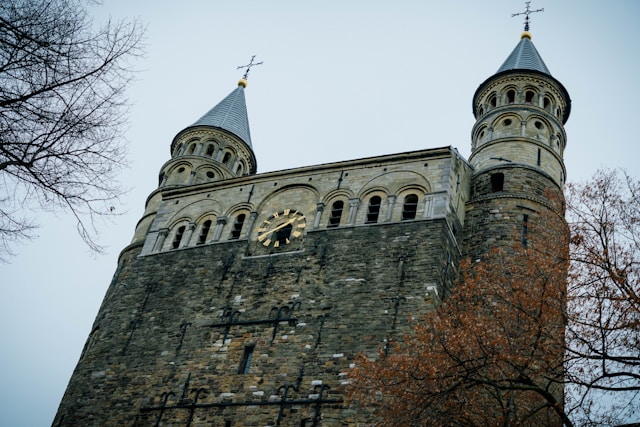
A few streets from the river, a shadowed square funnels you toward a Romanesque mass whose cool interior seems to breathe in candlelight. The basilica's foundations reach into the 11th century, and its nave matured in the 12th century with thick walls, round arches, and a fortress calm that defines Romanesque presence along the Meuse. Marian devotion flourished here with the Star of the Sea icon, recorded by the 15th century, and processions still loop through the city on feast days. Confiscations during the French Revolution altered ownership, yet parish life revived in the 19th century and restorations preserved the crypt and choir. Listen for the organ's long phrases while candles pick out capitals softened by time, and notice how the forecourt square collects travelers into slow conversation before they disperse again. By evening, the apse glows like a beacon, folding past and present into one steady light. Step back onto the cobbles and the hush seems to follow you into the street.
Ads place
Ads place
Ads place
Ads place
Ads place
Basilica of Saint Servatius in Maastricht, Netherlands

Basilica of Saint Servatius

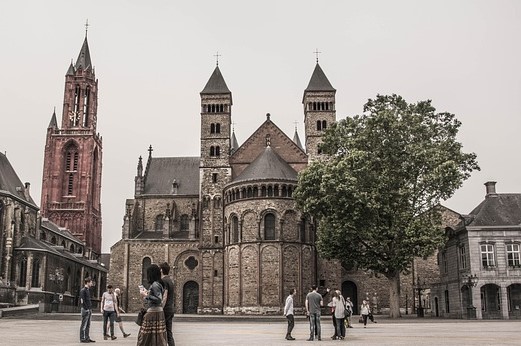
Behind the arcades of Vrijthof, the basilica gathers centuries of faith into heavy stone and a cool hush that steadies the square outside. Founded on the grave of Saint Servatius, the church grew through the 12th century with a muscular westwork typical of Romanesque ambition, then acquired chapels and vaults touched by the Gothic taste of later builders. Bronze doors and reliquaries speak of pilgrim traffic formalized in 1391, when indulgences drew crowds to Maastricht. After upheavals linked to the 18th century annexation by France, restorers in 1887 began careful campaigns that clarified the silhouette without erasing time. Step inside and the Treasury frames enamel, ivory, and the legendary Noodkist reliquary associated with Saint Servatius, while the ambulatory carries footsteps like soft percussion. From the cloister, arches trace quiet geometry against the sky, and the bells measure the day with an even hand that outlasts fashions. Outside, the westwork twin towers steady the square as the day unspools.
Ads place
Ads place
Ads place
Ads place
Ads place
Bonnefanten Museum in Maastricht, Netherlands

Bonnefanten Museum

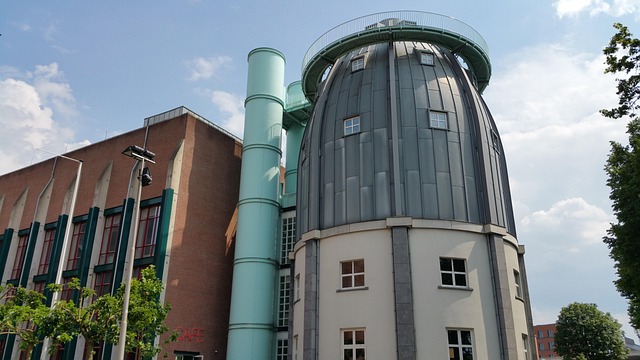
On the Meuse waterfront, a silvery dome and brick drum announce a museum that pairs old masters with sharp contemporary voices. The current building opened in 1995, designed by Aldo Rossi in a thoughtful strain of Postmodern architecture that treats the city as a book of types. Inside, early Netherlandish panels from the 15th century share space with Italian sculpture and installations that push into the 21st century. A stair climbs beside a tall cylinder like a lighthouse, and galleries unfold with measured light that flatters tempera and neon equally. Labels speak clearly without crowding, and the river path outside gives the visit a second rhythm between rooms. From the top, windows frame bridges and quays, placing paintings back into the city that collects them. Highlights jump from devotional panels of the 16th century to commissions from the 21st century, while the riverfront silos recall industry turned to culture. A riverside bench outside completes the visit in a slower key.
Ads place
Ads place
Ads place
Ads place
Ads place
Fort St. Pieter in Maastricht, Netherlands

Fort St. Pieter

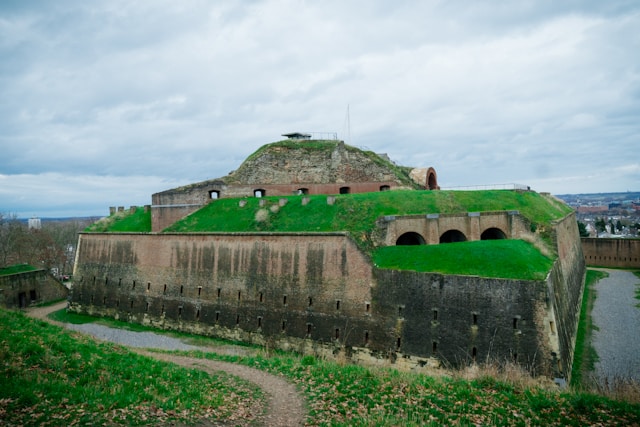
Above the marl caves, a star-shaped fort watches the river bends and the approaches from the south with composed precision. Built after the French siege of 1673, the work was completed around 1702 to modernize the city's defenses in the early 18th century. Bastions, dry ditches, and artillery platforms reflect lessons associated with Vauban, while casemates connect to the tunnels of Sint Pietersberg. From the ramparts you read the Meuse valley as a diagram of strategy, and the town below looks closer than it is. Restoration campaigns in the 20th century stabilized masonry and reopened routes, and guides now explain powder magazines, ravelins, and the logic of overlapping fire. On windy days the flag snaps hard at the corner, and grasses bend in the same rhythm soldiers once learned by heart. French forces returned in 1794, and later garrisons drilled here through the 19th century, leaving rangy paths that now serve as scenic walks.
Ads place
Ads place
Ads place
Ads place
Ads place
Helpoort (Hell's Gate) in Maastricht, Netherlands

Helpoort (Hell's Gate)

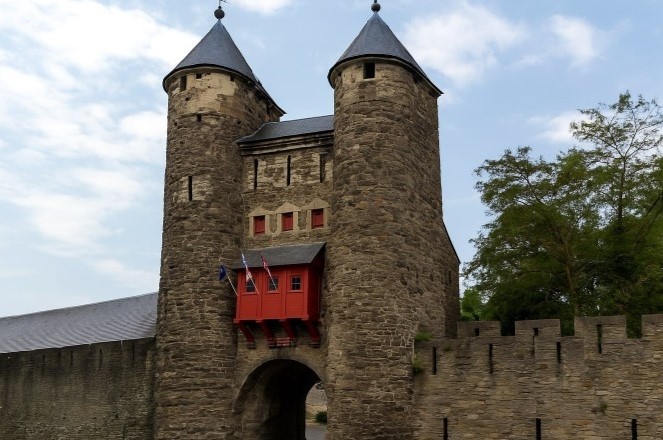
Where a quiet street meets old grassed ramparts, a dark stone gate narrows the way as if testing every arrival. Built in 1229, it is the oldest surviving city gate in the Netherlands, a compact survivor of the 13th century wall circuit that once ringed Maastricht. Later bastions raised during the 16th century and the long Eighty Years' War shifted defenses outward, sparing the inner gate for less violent duties. Repairs in the 19th century and careful restoration in the 20th century kept loopholes and towers legible without over-smoothing their scars. Stand beneath the arch and you can feel the gradient of stone polish where carts and boots wore a path, a tactile archive of movement. A few steps away, the parkland follows old lines, so history reads as shade, grass, and masonry in easy company. At sunset, swifts stitch loops above the roofline and the gate seems to blink awake.
Ads place
Ads place
Ads place
Ads place
Ads place
Jekerkwartier and City Walls in Maastricht, Netherlands

Jekerkwartier and City Walls

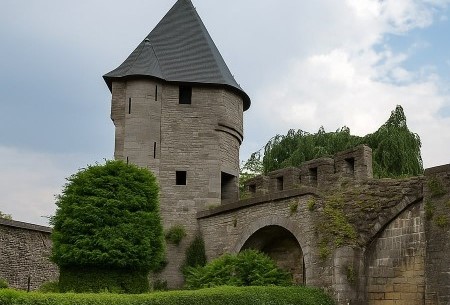
Water slips around millraces and under willows as lanes turn toward fragments of wall that once defined the medieval town. The first enceinte rose in the 13th century; a second ring followed in the 14th century, and traces still stand where gardens press against masonry. Repairs during the 16th century responded to new artillery, while gatehouses like the nearby Helpoort recall earlier tactics and patrols. Walk the Jeker and you pass breweries and ateliers that keep industry modest and close to hand, as it was in the 17th century. Plaques explain towers and sally ports, but the river does better work, turning defense into scenery with patient erosions. By evening, students and neighbors settle on the grass and the old line of the city relaxes into a green belt. Skirmishes of the Eighty Years' War left marks in parapets, and repairs continued into the 17th century as tactics evolved. Follow the curve to pocket parks and you will feel how defense became leisure.
Ads place
Ads place
Ads place
Ads place
Ads place
Maastricht Town Hall (Stadhuis) in Maastricht, Netherlands

Maastricht Town Hall (Stadhuis)

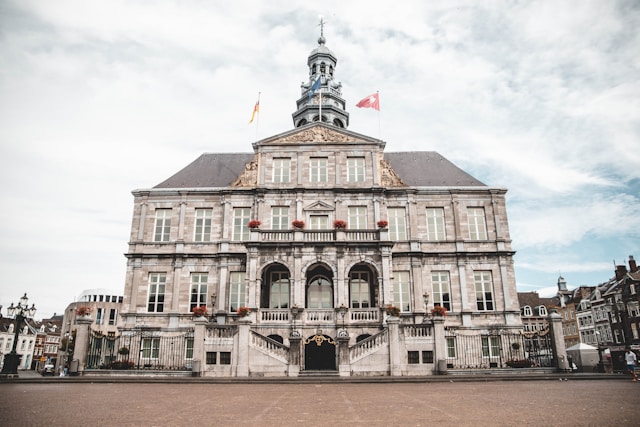
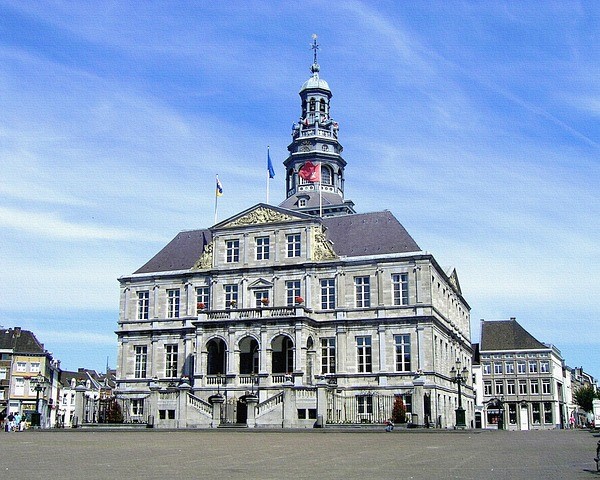
Facing the Markt with measured confidence, the town hall balances ceremony and work as naturally as a clock divides hours. Designed by Pieter Post and begun in 1659, the building reflects Dutch classicist order at the height of the 17th century. Its central tower, completed in 1684, steps the skyline without swagger, while council chambers inside still set the cadence of civic life. Stone, pilasters, and a restrained pediment announce authority without intimidation, a tone that suits a trading city on the Meuse. Weddings spill onto the steps in every season, and markets swirl back around them, proof that governance here keeps close to the street. When the carillon plays across noon, the square seems briefly choreographed before the day resumes its pleasant shuffle. Ceremonial rooms gained their present finish by 1664, and later repairs in the 18th century kept the Dutch Classicism vocabulary tight and clear. Step back to the Markt and its measured facade feels like a metronome for daily trade.
Ads place
Ads place
Ads place
Ads place
Ads place
Marktplein in Maastricht, Netherlands

Marktplein

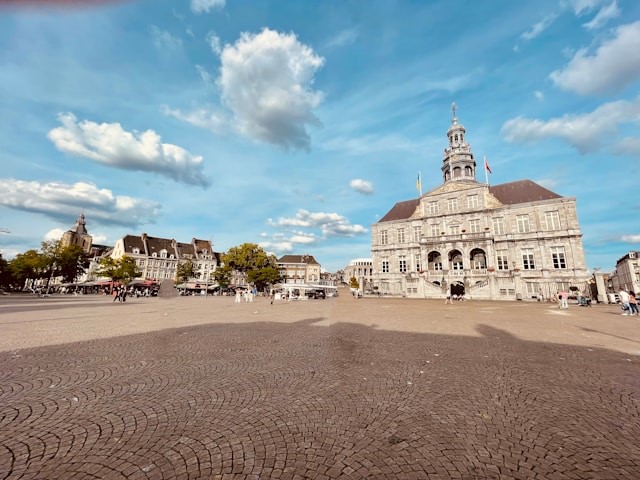
Marktplein in Maastricht is the vibrant heart of the city, where centuries of history blend seamlessly with everyday life. At its center stands the imposing Stadhuis, built between 1659 and 1664 under the direction of architect Pieter Post, a masterpiece of Dutch Baroque design. The square has long been the stage for bustling markets, continuing a tradition that dates back to the 17th century, when merchants and traders from across Europe gathered here. Today, the weekly market still draws visitors with its colorful stalls and lively atmosphere. Surrounding buildings showcase ornate facades, reflecting the prosperity that the city enjoyed after the Treaty of Maastricht. Whether you come to admire its architecture, enjoy a coffee at a terrace, or explore the fresh produce and regional specialties, Marktplein offers a window into the soul of Maastricht. In December, the square transforms into a festive wonderland with lights, music, and winter delicacies.
Ads place
Ads place
Ads place
Ads place
Ads place
St. Pietersberg Caves (Maastricht Underground) in Maastricht, Netherlands

St. Pietersberg Caves (Maastricht Underground)

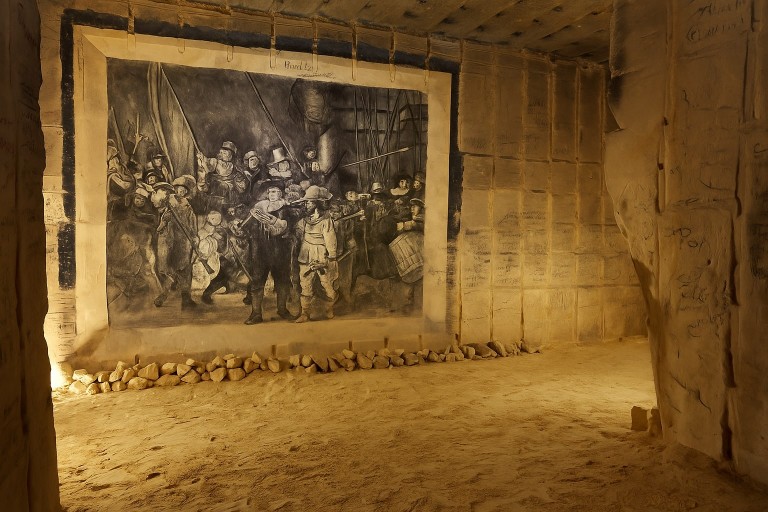
South of the center, paths climb a limestone ridge to a labyrinth cut by centuries of quarrying and mapped like a second city underfoot. Charcoal names, wayfinding arrows, and chapel niches date from the 18th century, when underground galleries stretched for kilometers through the marl. During World War II the tunnels sheltered residents and safeguarded art, including works evacuated in 1940 from national collections. Guides trace routes used by resistance couriers and explain the geology that first invited pickaxes in the 17th century. Emerging near the plateau, you see the Meuse turning slowly past fort and fields, and it is easy to understand how stone and story fused here. Even now, cool air and a fine chalk dust lend the passages a quiet that makes footsteps sound like history arriving. Surveyors in the 19th century mapped corridors with care, and guides still demonstrate carbide lamps from around 1910 during winter tours.
Ads place
Ads place
Ads place
Ads place
Ads place
Vrijthof in Maastricht, Netherlands

Vrijthof

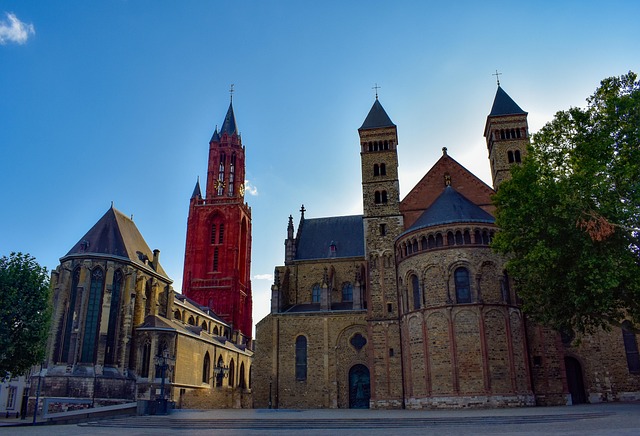
At the city's open heart, a broad rectangle stages markets, concerts, and the easy choreography of cafés under two very different church towers. In the Middle Ages the field belonged to the chapter of Saint Servatius, and by the 14th century it had settled into a formal square facing the canons' precinct. Processions and fairs continued under Burgundian and Habsburg rule, while plans from the 17th century show alignments that still guide today's facades. The red tower of Sint Janskerk carries late Gothic bravado; the basilica beside it preserves older Romanesque gravity, a dialogue visible in every postcard view. Festivities survived wars and annexations, and since the late 20th century the square has also hosted summer concerts led by Andre Rieu, turning limestone into a sounding board. Stand at dusk and the paving stones hold warmth, while the skyline reads like a timeline you can cross in a minute. On festival nights the paving becomes a score, and every footstep finds its beat.
Ads place
Ads place
Ads place
Ads place
Ads place