
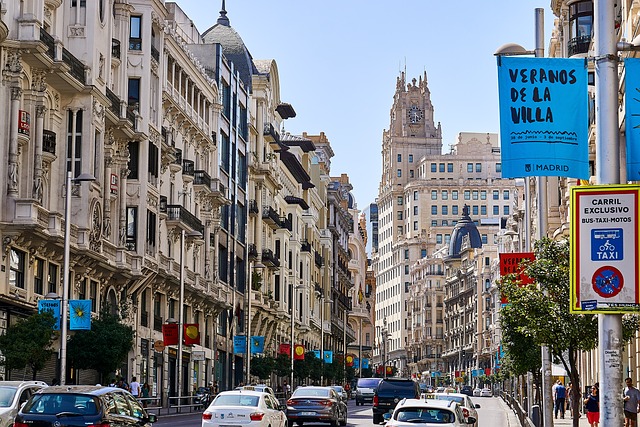
Gran Via
In Madrid, Spain .
More places to visit in Madrid
Discover more attractions and things to do in Madrid.
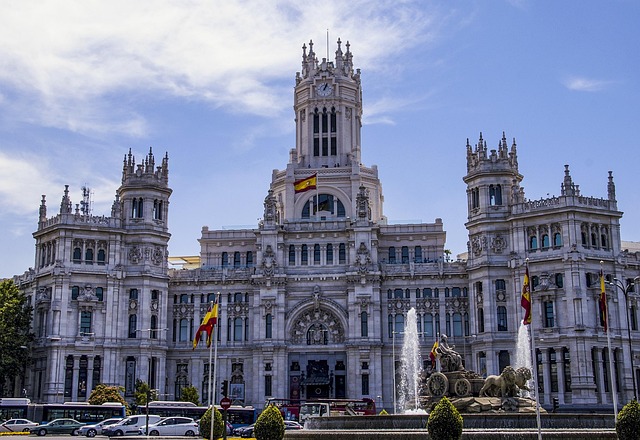
Cibeles Palace
The Cibeles Palace , originally built in 1919 as Madrid's main post office, now serves as the City Hall and a cultural center. Its stunning white façade and intricate details make it one of the city's architectural highlights. Inside, visitors can explore an observation deck with breathtaking panoramic views over Madrid. A little-known feature is the underground passage that once connected the palace to secret government tunnels. In front of the building, the Cibeles Fountain, depicting the Roman goddess Cybele, is where Real Madrid fans celebrate their team's victories.
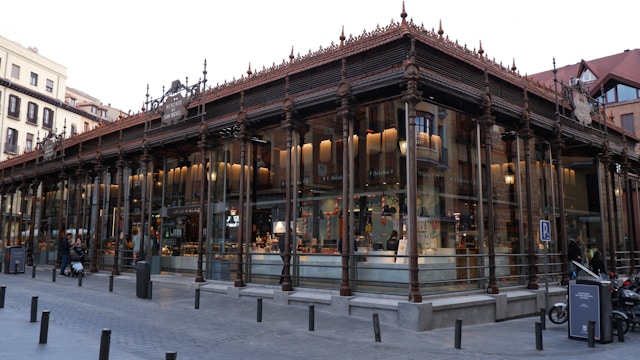
Mercado de San Miguel
The Mercado de San Miguel is a paradise for food lovers, blending history and gourmet cuisine under one roof. Opened in 1916 , this stunning iron-framed market was once a traditional food market before transforming into a gastronomic hub. It offers a chance to taste the finest jamón ibérico, fresh seafood, and an array of Spanish tapas in one place. A little-known fact is that the market still has some original ceramic tiles dating back over a century, adding to its charm. Whether sipping a glass of Rioja wine or trying a fresh oyster, this is where Madrid's culinary traditions come alive.
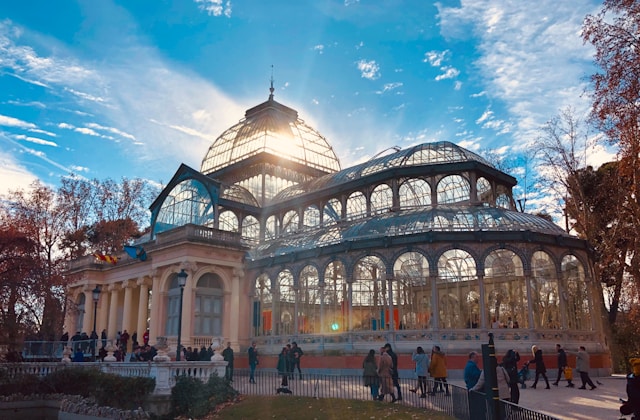
Palacio de Cristal
The stunning Palacio de Cristal is one of the most breathtaking architectural gems in Madrid's Retiro Park. Built in 1887, this magnificent glass and iron structure was originally designed as a greenhouse to exhibit exotic plants from the Philippines. Inspired by London's Crystal Palace, it stands as a masterpiece of 19th-century cast-iron architecture. The palace's glass walls allow sunlight to flood the interior, creating a mesmerizing play of light and reflections that change throughout the day. A lesser-known fact is that the surrounding artificial lake was once used for botanical boat exhibitions, where visitors could admire floating gardens from around the world. Today, the Palacio de Cristal hosts contemporary art exhibitions under the management of the Reina Sofia Museum, making it a perfect blend of history, architecture, and modern culture.
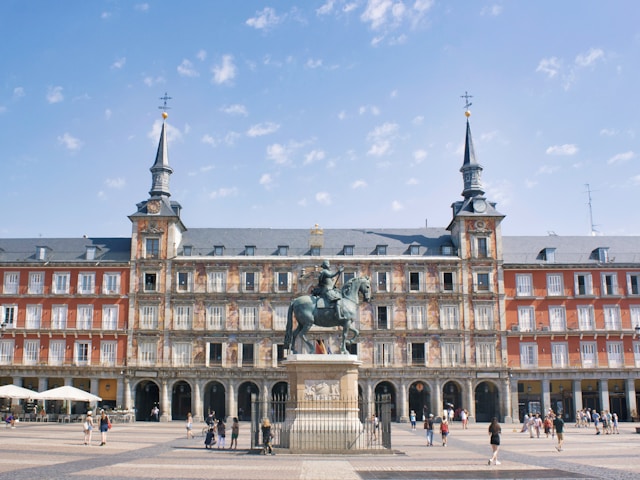
Plaza Mayor
The Plaza Mayor in Valladolid is the heart of the city and one of the most iconic landmarks in Spain. This grand square, built in the 16th century , is surrounded by stunning architecture, including the City Hall and the Church of San Benito . The plaza has witnessed countless historical events, from royal proclamations to lively markets. Today, it is a bustling hub of activity, filled with cafes, shops, and street performers. The Plaza Mayor is also famous for its vibrant festivals, such as the Semana Santa processions , which attract visitors from all over the world. The square's unique blend of history and modernity makes it a must-visit destination for anyone exploring Valladolid. Few know that beneath the plaza lies a network of underground tunnels once used to store goods and supplies during medieval markets. Additionally, the original square was partially destroyed by a fire in 1561 , leading to its symmetrical redesign inspired by Renaissance ideals.
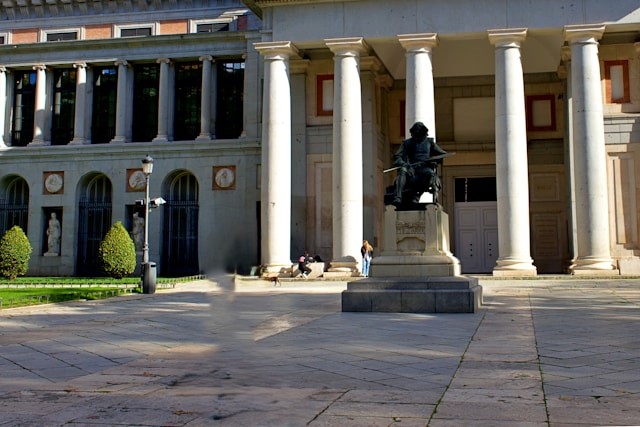
Prado Museum
The Prado Museum is one of the world's premier art museums, showcasing an unparalleled collection of European masterpieces. Founded in 1819 , it houses works by legendary artists such as Velázquez, Goya, and El Greco . One of its most famous paintings, Las Meninas by Velázquez, continues to intrigue art historians with its complex perspective and hidden meanings. Visitors might be surprised to learn that Goya's haunting ‘Black Paintings' were originally painted on the walls of his own home before being transferred to canvas. The museum's vast collection of over 8,000 paintings means only a fraction can be displayed at any given time. A hidden gem is the lesser-known portrait of Philip IV's court jester, which reveals the intriguing role of jesters in Spain's royal court. While the Prado Museum is most famous for its Spanish art, it also boasts a stunning collection of Italian and Flemish works, including pieces by Titian, Rubens, and Bosch .
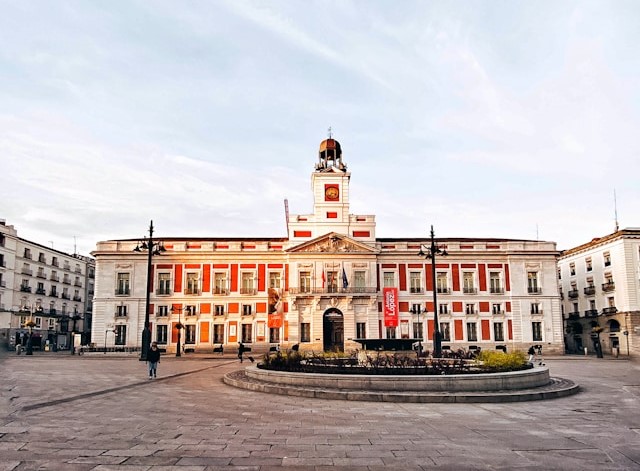
Puerta del Sol
The Puerta del Sol is Madrid's beating heart, a lively square known for its famous clock tower, from which Spaniards traditionally welcome the New Year by eating twelve grapes at midnight. The square's name, meaning ‘Gate of the Sun,' harks back to its origins as an eastern city gate in the 15th century . One of its most iconic landmarks is the Bear and the Strawberry Tree statue, symbolizing Madrid's coat of arms. A lesser-known fact is that the ‘Kilometer Zero' plaque on the square marks the point from which all radial roads in Spain are measured. Whether visiting for its historical significance or simply to soak in its energy, Puerta del Sol is an unmissable part of Madrid.
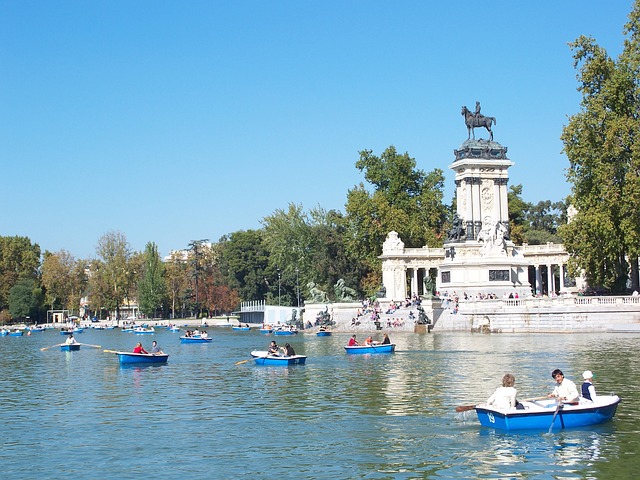
Retiro Park
The sprawling Retiro Park is Madrid's green heart, offering locals and visitors a peaceful escape from the city's hustle and bustle. Originally a retreat for the Spanish monarchy in the 17th century , it was later opened to the public and has since become one of the city's most beloved landmarks. The park is home to the enchanting Crystal Palace, a glass structure built in 1887 that once housed exotic plants and is now an exhibition space for contemporary art. One of the park's hidden gems is the Fountain of the Fallen Angel, a rare public monument dedicated to Lucifer. Another surprising feature is the park's secret tunnels, which once connected different sections of the royal retreat. Visitors can enjoy a boat ride on the Retiro Pond, watch street performers, or simply relax under the shade of its towering trees. Beyond its natural beauty, the park's history is deeply intertwined with Madrid's past, making it a truly special place to explore.
Royal Palace of Madrid
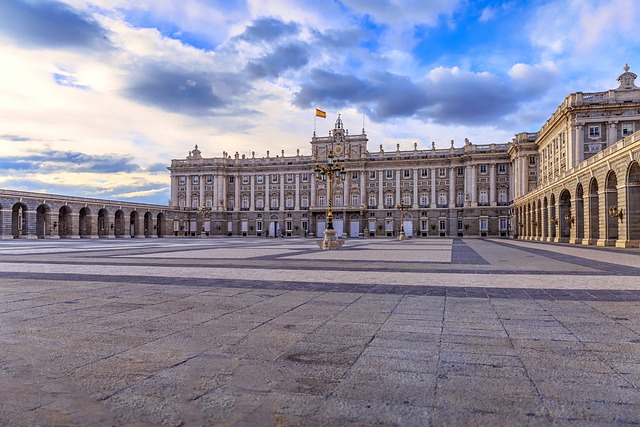
The Royal Palace of Madrid is one of the largest palaces in Europe, boasting over 3,400 rooms filled with opulent decorations and historical treasures. Built in the 18th century on the site of an old Moorish fortress, it served as the official residence of the Spanish monarchy. Although the royal family now lives in a smaller palace, the Royal Palace remains the setting for state ceremonies. Inside, visitors can admire the Stradivarius Room, which houses one of the world's only complete sets of Stradivarius instruments. The palace is also home to the Royal Armory , featuring one of Europe's most extensive collections of medieval armor and weapons. One lesser-known fact is that the palace's kitchens, still fully functional, are among the oldest royal kitchens in Europe and can be visited on special tours. The changing of the guard ceremony every Wednesday is a fascinating spectacle that brings history to life right before your eyes.
Temple of Debod
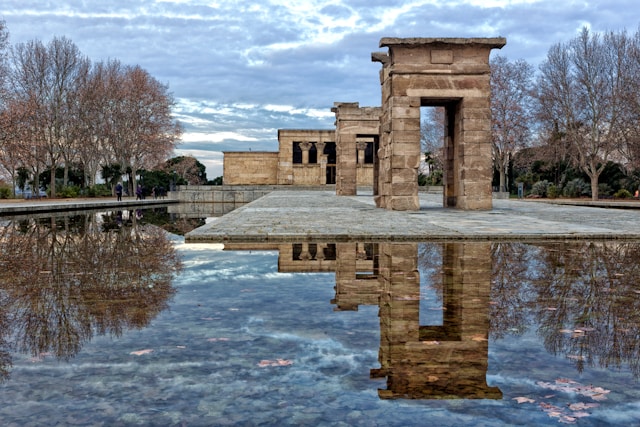
The Temple of Debod is one of Madrid's most unexpected treasures—a 2,200-year-old Egyptian temple in the heart of the city. Gifted to Spain by Egypt in 1968 as thanks for helping to save the Abu Simbel temples, this ancient monument was painstakingly rebuilt stone by stone. Unlike other Egyptian temples in museums, Debod is one of the few you can actually walk inside. Positioned on a hill, it offers breathtaking sunsets, making it a favorite spot for photographers. The temple's hieroglyphs reveal fascinating insights into the religious practices of ancient Egypt, an incredible connection between civilizations across time.