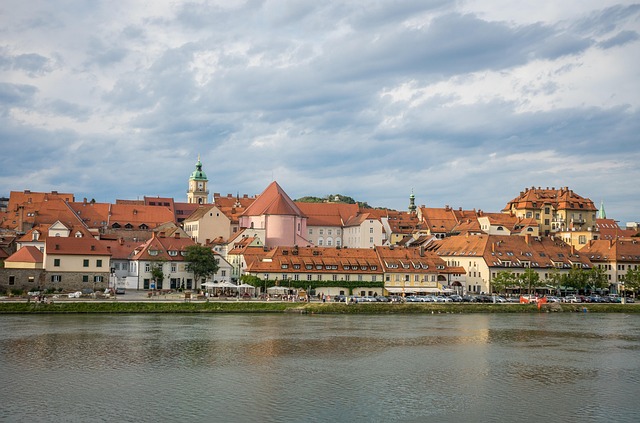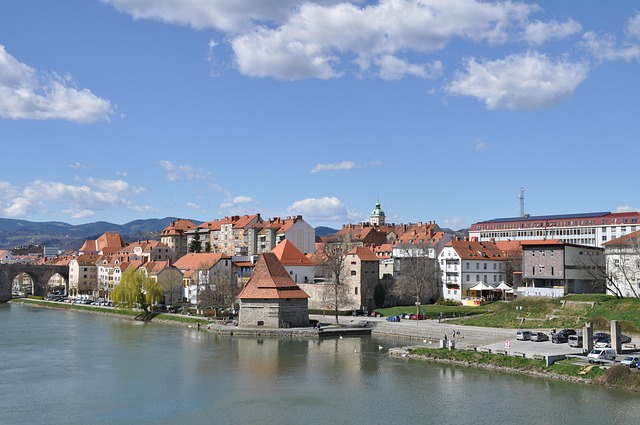
City view of Maribor, Slovenia

Maribor

Maribor stretches along the Drava with a work ethic that still smiles on weekends. Start in Lent by the oldest vine house, where a 400 year old plant still sets fruit and souvenir corks carry its story. The cathedral bell tower offers a straight backed view; below, student life from the university keeps the calendar busy with film, jazz, and small happenings. Eat pohorska omleta for dessert or try koline plates when winter arrives, then chase it with Stajerska wines that taste of apples and meadow. Factories once defined the skyline; today, repurposed halls host studios and an annual street art program. Records from 1254 fix the town's rights, and river traffic long taught people to count by locks and levels. Surprising detail: a raft building guild once rented musicians to accompany cargo parades. Walk the riverbank at sunset and you will hear cyclists negotiating wind like sailors swapping notes.

Top attractions & things to do in Maribor

If you’re searching for the best things to do in Maribor, this guide brings together the top attractions and must-see places to visit in Maribor. The top picks below highlight the most visited sights for first-time visitors, plus a few local favorites worth adding.

Cathedral of St John the Baptist in Maribor, Slovenia

Cathedral of St John the Baptist

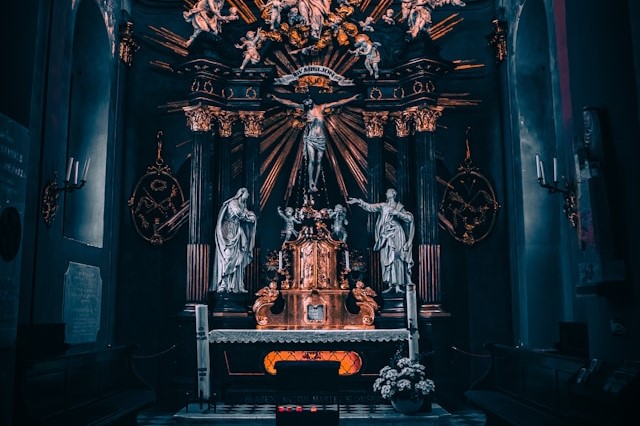
Step through the west door and the nave settles into a steady rhythm before the tower introduces itself above the roofs. The fabric carries layers: a Gothic core, later Baroque furnishings, and a tower heightened in the 19th century when the skyline needed confidence. A side chapel keeps a calm Marian image that locals link to processions noted in parish books. Underfoot, worn slabs remember baptisms and winter shoes; overhead, a measured organ finds the room's exact patience. Guides like to climb the bell stage for a view over Glavni trg and the Drava bridges; even on cloudy days the geometry stays crisp. A ledger from 1831 lists donors for repairs, proof that maintenance has always been civic work. Outside, the portal's stone profiles show mason marks like signatures, quiet evidence that craft outlives fashion. If the bells catch you at noon, let them; the sound draws a clean line through errands and reminds the square to breathe.
Ads place
Ads place
Ads place
Ads place
Ads place
City Park and Three Ponds in Maribor, Slovenia

City Park and Three Ponds

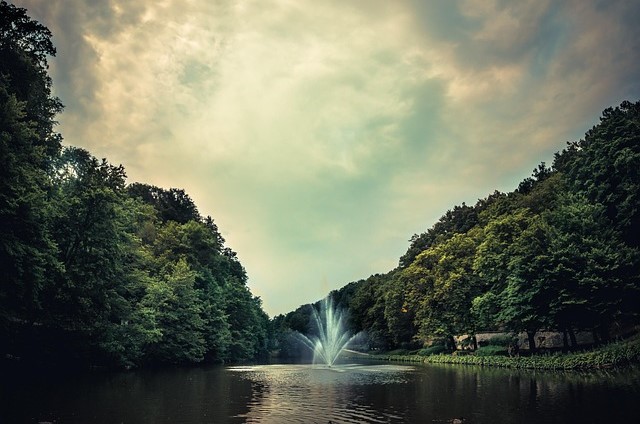
North of the center, paths drift into a green lesson in municipal calm. City Park grew with the town's prosperity; the Three Ponds appeared in the 19th century as ornamental water for skaters, rowboats, and birds that still treat the lawns as a meeting agenda. A small pavilion touts seasonal ice cream while a nearby greenhouse rehearses subtropical plants under glass. Joggers loop measured circuits, and benches find shade exactly when you need it. A posted board explains how gardeners manage arboretum labels, pruning windows, and nesting seasons so the park behaves like an outdoor classroom. Quirky footnote: a chess corner once hosted impromptu tournaments, and a few carved boards remain in pockets of regulars. In autumn, lindens draft gold across the paths; in spring, magnolias stage five minutes of theatre that rewards repeat visits. The whole ensemble proves that maintenance is a civic art practiced daily.
Ads place
Ads place
Ads place
Ads place
Ads place
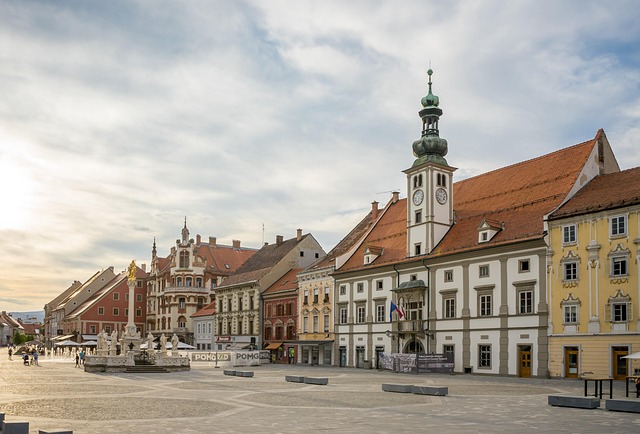
Glavni Trg and Plague Column in Maribor, Slovenia

Glavni Trg and Plague Column

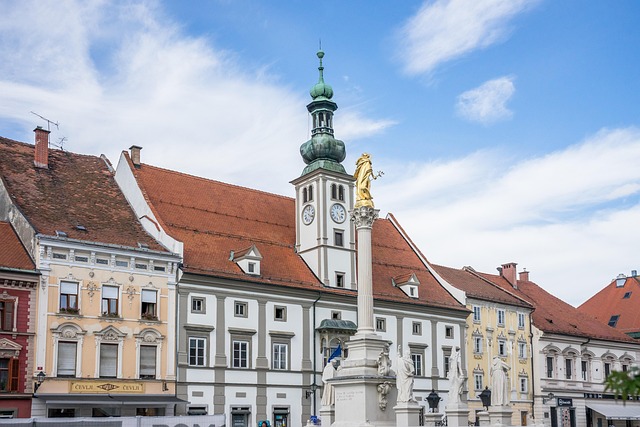
The main square learns its pace from shopfronts and a column that sets gratitude in stone. Glavni trg has traded since the 13th century; today you still hear the soft metronome of footsteps over cobbles between the Town Hall and arcaded houses. The plague column, raised in the 1680s, anchors memory without dramatics, while nearby portals display Renaissance profiles reused through later facelifts. A discreet market of flowers and fruit pops up on fair days, and buskers tune a patch of air without crowding it. Notice a murmur of sgraffito returning through careful cleaning; conservators prefer patience over polish. A quirky relic—an old pharmacy sign with scales—survives as decoration on a side street. Evenings pull chairs into view and the square behaves like a living room that knows how to host. If a shower passes, the stones dry in tidy gradients, and you can watch the city reset itself in minutes.
Ads place
Ads place
Ads place
Ads place
Ads place
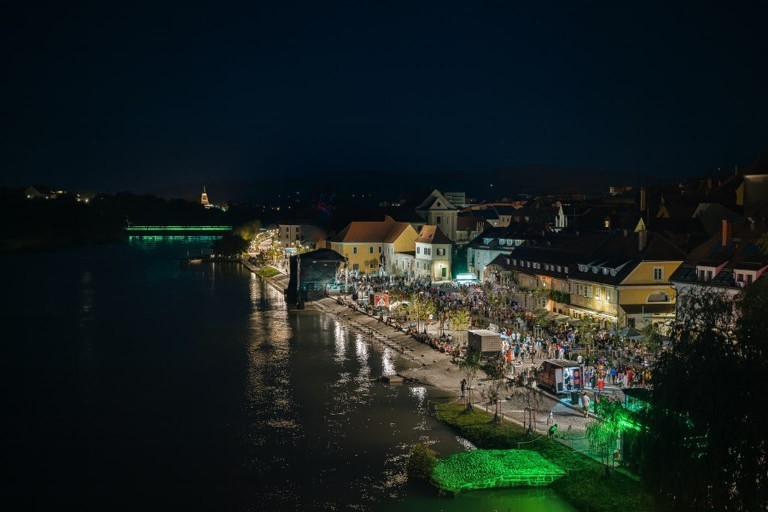
Lent Festival (Riverside Stages) in Maribor, Slovenia

Lent Festival (Riverside Stages)

For weeks each summer, the riverbanks become a diary of evenings written in sound and conversation. The Lent Festival began in the 1990s and now stretches across quays, courtyards, and bridges with jazz, folk, theatre, and street arts that treat the city as a campus. Programming favors variety over volume; you can move from a chamber trio to a dance show in five minutes and still catch sunset. Vendors manage the logistics of snacks and recycling with admirable calm, while maps mark dozens of small stages that keep crowds comfortable. A raft inspired platform sometimes anchors midstream like a floating punctuation mark. The surprising part is how neighbors cooperate—residents often watch from balconies, applauding between trains on the Drava bridge. If you like cities that rehearse hospitality, start here: the festival treats attention as currency and pays it back with generous change.
Ads place
Ads place
Ads place
Ads place
Ads place
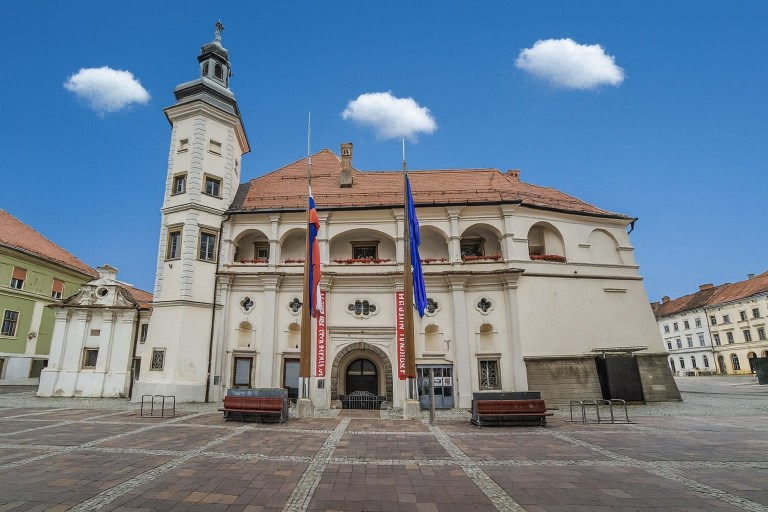
Maribor Castle and Regional Museum in Maribor, Slovenia

Maribor Castle and Regional Museum

The castle on the edge of the old core feels more palace than fortress, a residence that learned manners from administrators and merchants. Within, the Regional Museum sets out altarpieces, guild chests, and civic portraits so dates assemble into a readable plot. A ceremonial staircase, added around the 18th century, turns ascent into choreography, while stucco and painted ceilings rehearse the town's aspirations. Mining, viticulture, and river trade share rooms without squabbling, and a small display explains how guilds policed quality long before branding. Look for a plan of the defensive belt that once linked towers and walls, then find the window where you can orient those lines against present streets. Conservation notes cite campaigns in the 20th century that stabilized roofs and limewash. A curious object—a city key dated 1752—still carries scratches from ceremonial use. Finish in the courtyard, which serves as a polite stage for lectures and concerts; it proves museums can act like living rooms for patient cities.
Ads place
Ads place
Ads place
Ads place
Ads place
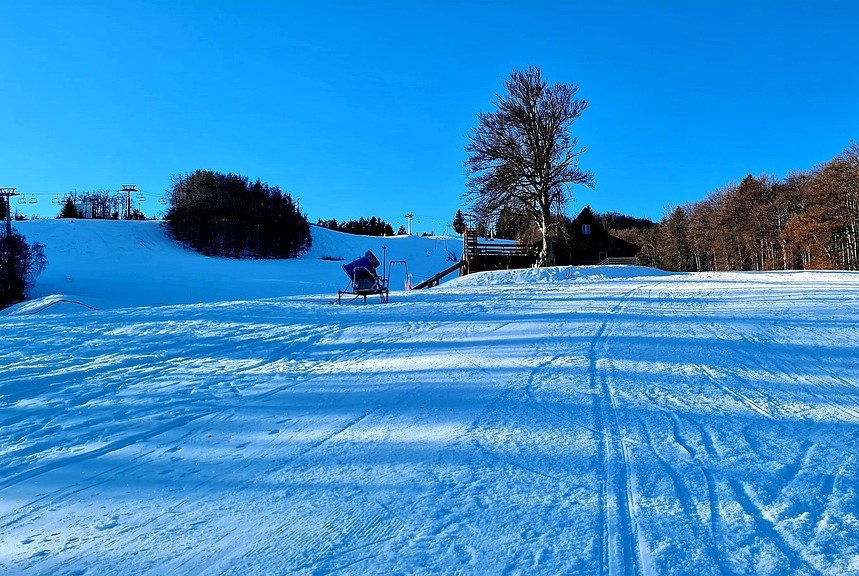
Mariborsko Pohorje Ski and Bike Area in Maribor, Slovenia

Mariborsko Pohorje Ski and Bike Area

Five kilometers from the center, a gondola trades errands for forest air. Mariborsko Pohorje runs winter by the meter with night-skiing lit across the lower slopes and a World Cup course that first hosted women's races in the 1960s. Summer redraws the lifts into a bike park of graded lines; rental shops tune forks and fit helmets with the patience of cobblers. Hikers step into moss and blueberry patches within minutes, and wayfinding signs list distances that match reality. Look for a placard about the single-seater chairlift retired in the 2000s—nostalgia with bolts. Mountain huts plate up jota or buckwheat zganci and promise coffee strong enough to reset decisions. On clear days the ridge shows the Drava basin like a relief model; in storms, spruce trunks teach rhythm to rain. The area proves infrastructure can be friendly: lift ops, patrols, and groomers cooperate so play keeps its manners.
Ads place
Ads place
Ads place
Ads place
Ads place
Old Vine House and Lent Quarter in Maribor, Slovenia

Old Vine House and Lent Quarter

Start on the riverfront where a modest townhouse guards a living senior citizen: the Old Vine, a gnarled plant trained along the facade. Local records point to the 17th century, and lab work has often cited the vine as one of Europe's oldest cultivated specimens. Inside, tastings and a compact exhibit narrate pruning, grafting, and floods that nearly ended the story. The wider Lent quarter still shows ramps where rafters once landed timber from the Drava, while the Water Tower closes the promenade like a stone full stop. Late each June the Lent Festival spreads stages across quays and courtyards, a tradition formalized in the 1990s that feels older. Order a glass of Stajerska white and watch rowers practice under bridges that survived modernization with surprising grace. A quirky touch—the ceremonial pruning is annually streamed and logged like a civic harvest. Come at dusk: streetlights turn copper, and the vine's shadow draws a sketch that looks both botanical and calligraphic at once.
Ads place
Ads place
Ads place
Ads place
Ads place
Pyramid Hill Viewpoint (Piramida) in Maribor, Slovenia

Pyramid Hill Viewpoint (Piramida)

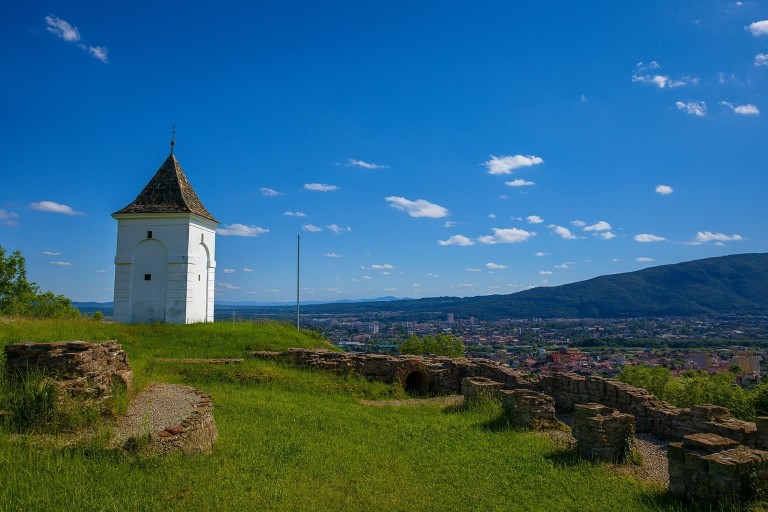
A short, steady climb from the edge of town delivers a lesson in orientation. Pyramid Hill wears vineyard rows like stripes and tops the ascent with the chapel that replaced an earlier castle reduced in the 18th century. From the bench line you read the Drava bend, the cathedral tower, and the grid of Glavni trg like a tidy map. Waymarkers explain slopes and soils, noting why certain plots reward Riesling and why others favor reds. Archaeology panels cautiously sketch earlier fortifications—records from the 1500s mention a signal point—yet the appeal today is quiet air and the city spread out like a friendly diagram. Bring a sandwich; the hill behaves like a balcony that does not hurry its guests. At sunset, rooftops turn copper and trains write moving commas at the station. On windy evenings, you can hear leaves practicing a soft percussion part while cyclists drift up, pause, and coast home.
Ads place
Ads place
Ads place
Ads place
Ads place
Rotovz Town Hall in Maribor, Slovenia

Rotovz Town Hall

Rotovz Town Hall keeps its dignity without theatrics, a measured facade with an arcaded loggia that remembers proclamations and rainy market days. Inside, the ceremonial staircase leads to council rooms where statutes from the 16th century fixed weights, guild behavior, and closing times with tidy clarity. The architecture leans to late Renaissance manners—symmetry, restrained stucco, and windows set for daylight on paperwork rather than spectacle. On the facade a working barometer from the 19th century still predicts umbrellas, a civic courtesy that visitors photograph after checking the sky. Display cases preserve seals, a charter dated 1759, and neat minutes that show how the town accounted for repairs and festivals with equal care. In the attic, the archives hold maps and ledgers that curators cite in rotating exhibits about trade and river tolls. Conservation campaigns in the 20th century chose lime and patience, keeping tool marks legible and paint quiet. Stand beneath the clock and you will hear a municipal rhythm—documents, decisions, and a bell that tells everyone the same time.
Ads place
Ads place
Ads place
Ads place
Ads place
Water Tower on the Drava in Maribor, Slovenia

Water Tower on the Drava

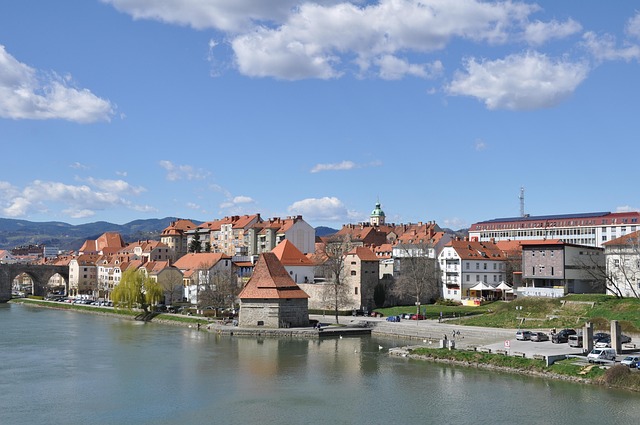
At the downstream end of Lent a squat polygon meets the current with steady confidence. The Water Tower belongs to the 16th century defensive belt, one of several river towers that guarded quays where timber and wine changed hands. Its thick walls learned to disagree with cannonballs, while loopholes kept the conversation pointed. Inside, vaulted rooms now host tastings that speak fluently about cellaring, acidity, and river climates. Maps show how rafts landed here and how tolls worked when the Habsburg frontier depended on river math. A curious local note says one flood in the 19th century reached the lintel—look for the discreet mark. At sunset the tower's stone turns honey colored and the water behaves like moving glass. Stand on the steps and you will understand how trade, defense, and hospitality can occupy the same address without argument.
Ads place
Ads place
Ads place
Ads place
Ads place