
Wachau Valley Viewpoint (Aussichtspunkt Wachau)
In Melk, Austria .
More places to visit in Melk
Discover more attractions and things to do in Melk.
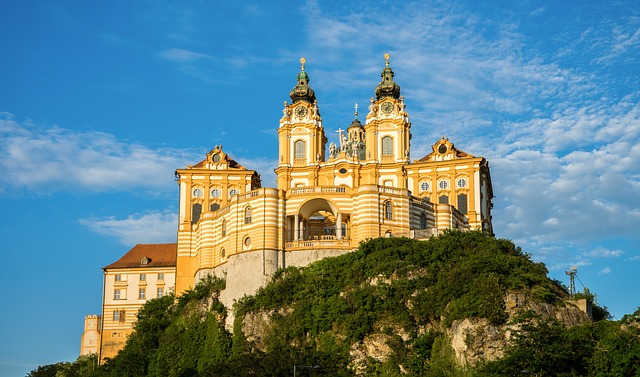
Melk Abbey (Stift Melk)
Melk Abbey, or Stift Melk, is the most iconic landmark in Melk, Austria, and one of the finest examples of Baroque architecture in Europe. Founded in 1089 as a Benedictine monastery, it became a significant center of learning, culture, and religion throughout the centuries. The Abbey's architecture is a masterpiece of Baroque design, with a stunning facade featuring intricate stucco work and a grand entrance. The interior is equally magnificent, with the Imperial Staircase offering a dramatic entry into the Abbey's main areas. Visitors are captivated by the Church of the Abbey, adorned with frescoes by Paul Troger and a lavishly decorated altar. The Library is another highlight, boasting over 100,000 volumes and an opulent Baroque reading room filled with historical manuscripts and beautifully illustrated books. One of the most popular attractions within Melk Abbey is the Cloister and the Garden. The Cloister offers a peaceful retreat with views of the garden and the Danube River , while the Garden provides a tranquil space for reflection amidst its manicured lawns and baroque statues. Guided tours are available, providing insights into the Abbey's history, architecture, and the monastic lifestyle that has continued for over a millennium.
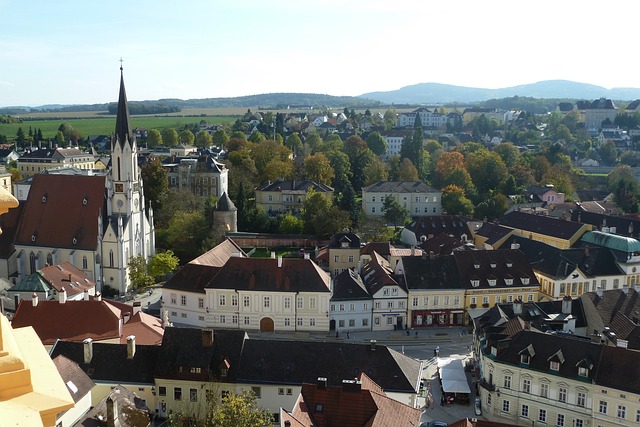
Melk's Old Town and Historic Center
Melk's Old Town is a charming historical area that invites visitors to stroll through narrow streets and explore a variety of historical buildings and local shops. This quaint district, located at the base of Melk Abbey, showcases the town's rich architectural heritage and offers a delightful experience for those interested in history and culture. Walking through the Old Town, visitors encounter a mix of medieval and Baroque buildings, including traditional Austrian houses with colorful facades and wrought-iron balconies. One of the most notable landmarks is the Town Hall, a historical building with a distinctive Baroque facade and an interesting architectural history. Nearby, the Schallaburg Castle , located just a short drive away, is another historical site that offers exhibitions and events throughout the year. The Old Town is also home to the Melk Market Square, a lively area where visitors can find local shops, cafes, and restaurants. The market square is a great place to sample local Austrian cuisine, such as Wiener Schnitzel and Sachertorte , or enjoy a coffee while watching the world go by.
Schallaburg Castle
Schallaburg Castle, a Renaissance gem located just outside Melk, is famed for its unique terracotta ornamentation and sprawling gardens. Built in the 12th century as a medieval fortress, it was transformed in the 16th century into a lavish Renaissance palace by the Losenstein family, whose coat of arms still adorns its walls. The castle’s arcaded courtyard, adorned with over 1,600 terracotta figures depicting biblical scenes and mythological creatures, is a masterpiece of 16th-century craftsmanship. Today, Schallaburg hosts world-class exhibitions on topics ranging from medieval art to global cultures, drawing history enthusiasts and art lovers alike. Visitors can explore the castle’s opulent halls, including the Knights’ Hall with its original wooden ceiling, and the chapel featuring frescoes of mythical beasts uncovered during recent excavations. The castle’s gardens, designed in the English landscape style, bloom with rare plants and offer panoramic views of the Melk Valley. Seasonal events, such as medieval jousting tournaments and Renaissance fairs, bring the castle’s past to life.
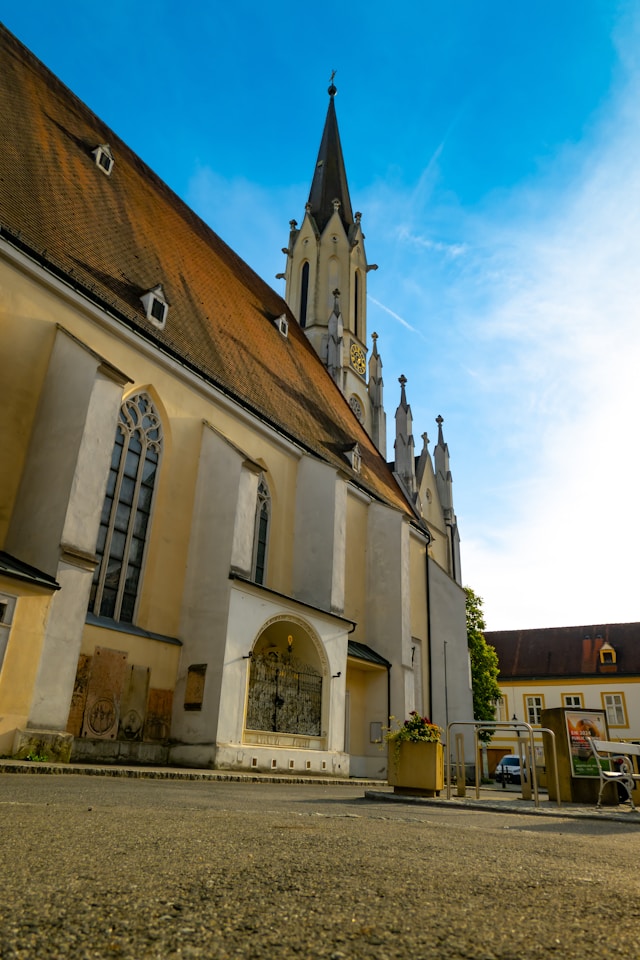
St. Michael's Church (Pfarrkirche St. Michael)
St. Michael's Church, or Pfarrkirche St. Michael, is a historic parish church located in the heart of Melk. Although smaller than the Abbey, this church is notable for its historical and architectural significance, offering a more intimate glimpse into Melk's religious heritage. Built in the early 13th century , St. Michael's Church is characterized by its Gothic architecture , which contrasts with the Baroque opulence of Melk Abbey. The church features a Romanesque bell tower with an octagonal spire and a beautifully preserved Gothic nave. Inside, the church is adorned with baroque altars and painted frescoes, including a notable fresco of the Assumption of Mary on the ceiling. The main altar is decorated with a striking baroque altarpiece depicting St. Michael defeating the devil, a central figure in Christian iconography. Visitors are often drawn to the church's serene atmosphere and its role as a local place of worship.