
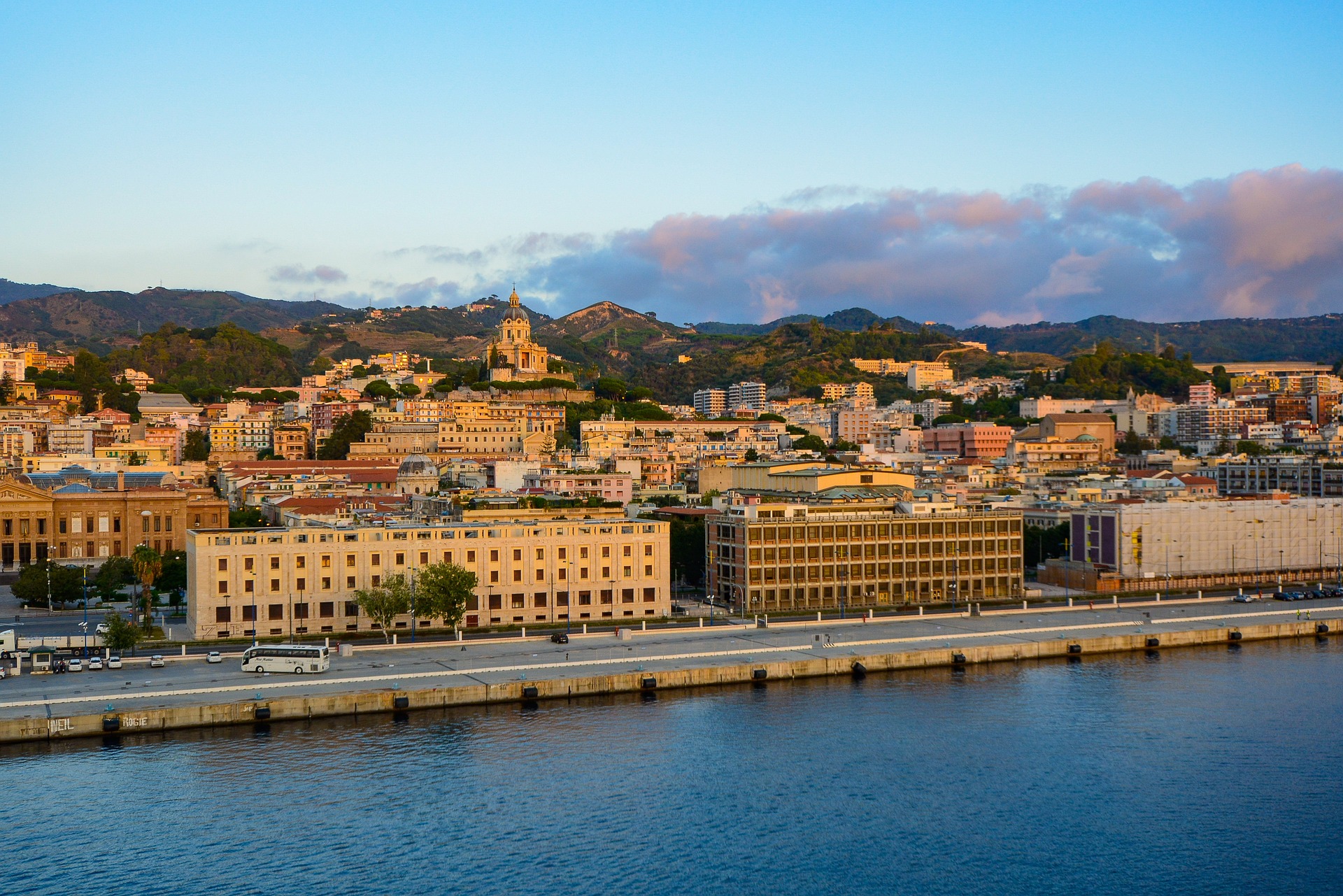
City view of Messina, Italy

Messina

Messina, located on the northeastern tip of Sicily, is a city with a rich maritime history and a gateway to the island. Known as the 'Door of Sicily,' Messina boasts a stunning natural harbor and a skyline dominated by the iconic Messina Cathedral. The cathedral features a magnificent astronomical clock, one of the largest and most complex in the world, which offers a daily spectacle of moving figures and chimes. The city is also home to the Sanctuary of the Madonna di Montalto, offering breathtaking views of the Strait of Messina. With its lively port, Messina serves as a hub for travelers exploring Sicily and southern Italy. The city's vibrant cultural scene, coupled with its Mediterranean charm, makes it a fascinating destination.

Top attractions & things to do in Messina

If you’re searching for the best things to do in Messina, this guide brings together the top attractions and must-see places to visit in Messina. The top picks below highlight the most visited sights for first-time visitors, plus a few local favorites worth adding.

Fountain of Neptune in Messina, Italy

Fountain of Neptune

The Fountain of Neptune, located in Piazza del Nettuno, is one of Bologna's most beloved landmarks. Designed by Giambologna in the 16th century, this stunning bronze statue of Neptune stands atop a grand fountain adorned with cherubs and sea creatures. The fountain represents the city's maritime aspirations and is a symbol of power and vitality. Surrounded by history and culture, it is a favorite spot for photography and a central point for exploring the city. The sculptor enlarged Neptune's thumb to correct perspective flaws—locals call it "the thumb that rules the world". Hidden beneath the fountain is a reservoir that once supplied water to the entire square, and its pipes still function today.
Ads place
Ads place
Ads place
Ads place
Ads place
Messina Cathedral (Duomo di Messina) in Messina, Italy

Messina Cathedral (Duomo di Messina)

The Messina Cathedral, also known as Duomo di Messina, is one of the most significant religious and architectural landmarks in Sicily. Located in the heart of the city, the cathedral was originally constructed in the 12th century during the Norman rule but was tragically destroyed in the 1908 earthquake that devastated much of Messina. It was subsequently rebuilt, though it retains much of its original charm. The cathedral showcases a stunning combination of architectural styles, including Norman, Arab, and Byzantine influences, which reflect the diverse cultural heritage of Sicily. The most famous feature of the cathedral is the astronomical clock tower, which is considered one of the largest and most intricate in Europe. The clock performs a spectacular show at noon each day, drawing both locals and tourists to witness the chimes and the mechanical figures that emerge to celebrate the hour. The interior of the cathedral is equally impressive, with grand arches, intricate mosaics, and beautifully crafted altars that offer a glimpse into the island's rich religious and artistic history. Visitors can also admire the cathedral's beautiful façade, which is decorated with statues of saints and biblical scenes. The Messina Cathedral stands as a symbol of resilience and religious devotion, having withstood earthquakes, invasions, and the passage of time. Its striking blend of history, art, and engineering makes it a must-visit destination for anyone exploring the cultural and architectural heritage of Messina.
Ads place
Ads place
Ads place
Ads place
Ads place
Piazza del Duomo in Messina, Italy

Piazza del Duomo

Piazza del Duomo is the beating heart of Messina, Sicily, dominated by its stunning Duomo (Cathedral of Santa Maria Assunta) and the world's largest astronomical clock tower. But beyond its beauty lies a treasure trove of intriguing, lesser-known stories. Did you know that Messina's original Duomo, founded in the 12th century by Norman King Roger II, was almost entirely rebuilt after the devastating 1908 earthquake? The reconstruction meticulously recreated its Norman-Arab facade, but if you look closely, some original medieval elements remain, like the 14th-century Gothic portal. The Bell Tower's Astronomical Clock is a marvel—unveiled in 1933, it's not just a timekeeper but a mechanical theater! At noon, golden lion statues roar, a rooster crows (symbolizing St. Peter's denial of Christ), and biblical figures parade in a mesmerizing show. Few realize the clock's mechanisms were designed by Swiss firm Ungerer, the same creators of Strasbourg's famous clock. Beneath the square, hidden cisterns and tunnels from the Middle Ages once supplied water during sieges.
Ads place
Ads place
Ads place
Ads place
Ads place
Regional Museum of Messina in Messina, Italy

Regional Museum of Messina

The Regional Museum of Messina (Museo Regionale di Messina) is one of the city's most important cultural institutions, offering visitors a deep dive into the rich history and art of Sicily. Located in a beautifully restored historic building, the museum houses an extensive collection of archaeological artifacts, sculptures, paintings, and decorative arts, spanning from ancient times to the modern era. One of the museum's highlights is its impressive collection of works by Antonello da Messina, one of the most renowned painters of the Italian Renaissance. The museum also showcases Greek and Roman antiquities, Renaissance and Baroque paintings, and a wide range of Sicilian folk art. The museum's diverse collection provides a comprehensive overview of the island's cultural and artistic heritage, from its ancient roots through to its medieval and modern periods. Visitors to the museum can explore galleries filled with works that depict Sicilian life and culture, from religious art to depictions of local landscapes and daily activities. The museum is housed in a splendid building with grand halls and ornate decorations, creating a stunning backdrop for the art it displays. The Regional Museum of Messina is an essential stop for anyone interested in the island's rich artistic traditions, providing a deeper understanding of the cultural forces that have shaped the city and its surroundings over the centuries. With its wide range of exhibitions and accessible layout, the museum is a perfect destination for both casual visitors and art enthusiasts.
Ads place
Ads place
Ads place
Ads place
Ads place
Viale San Martino in Messina, Italy

Viale San Martino

Viale San Martino is one of the most important and lively streets in Messina, stretching from the city's train station all the way to its historic center. As a bustling thoroughfare, it is lined with shops, cafés, and restaurants, making it a popular destination for both locals and tourists alike. The street offers a fascinating blend of historic buildings and modern establishments, providing a glimpse into Messina's evolving urban landscape. The mix of traditional Sicilian architecture and contemporary businesses gives the street a unique character, where old-world charm meets the vibrancy of modern-day life. As visitors stroll along Viale San Martino, they can admire the beautiful views of the Strait of Messina, with its stunning coastal vistas and the distant shores of Calabria. The street also leads to several important cultural and historical sites, making it an ideal route for those wishing to explore the city's heritage. Notable landmarks along the street include churches, galleries, and historical monuments, as well as modern attractions like shopping malls and entertainment venues. Viale San Martino is also known for its lively atmosphere, especially in the evening, when the cafés and restaurants come to life with the sounds of conversation, music, and the clinking of glasses. Whether you're interested in shopping, dining, or simply taking in the sights and sounds of Messina, Viale San Martino offers a wonderful introduction to the spirit and energy of the city.
Ads place
Ads place
Ads place
Ads place
Ads place