
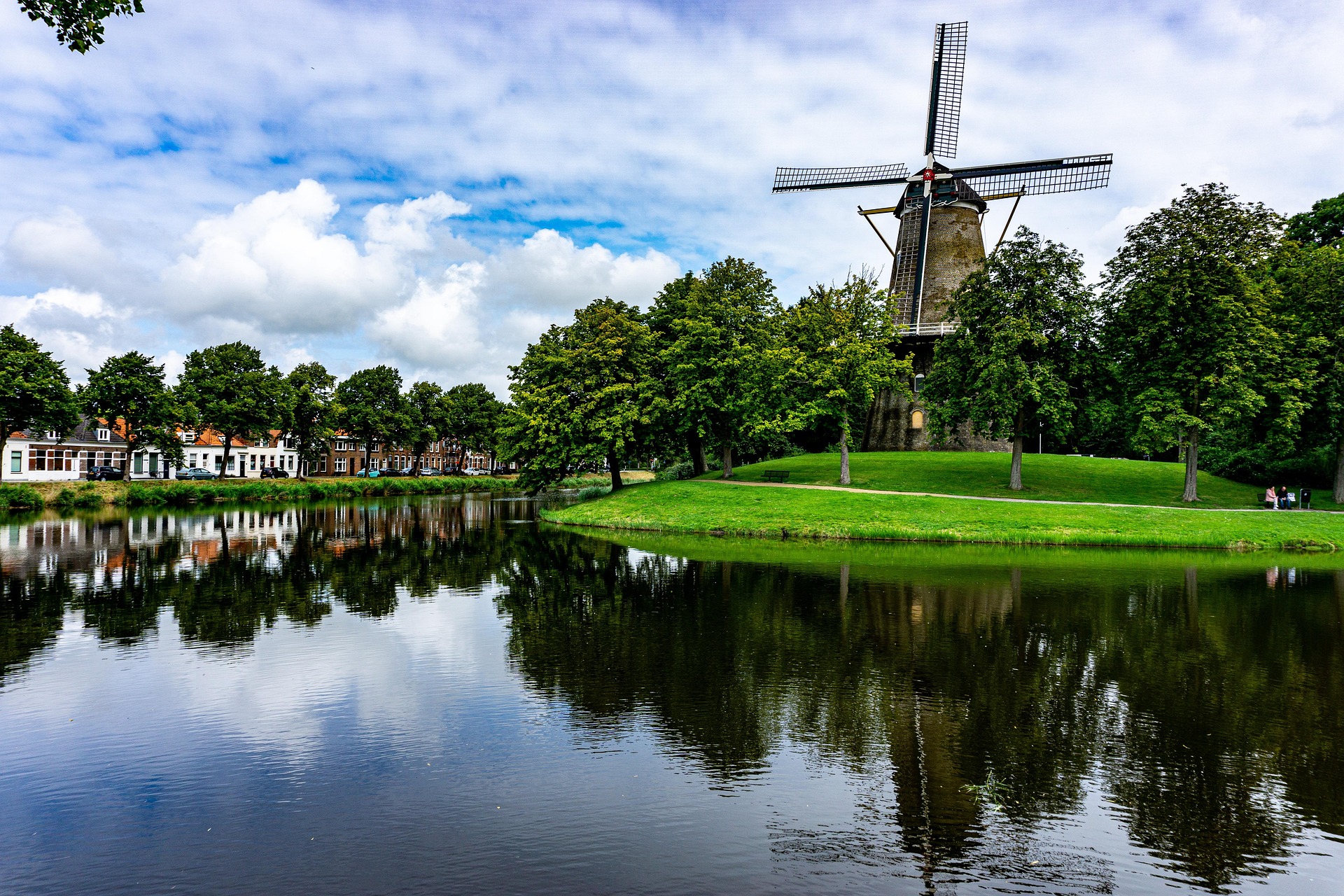
City view of Middelburg, Netherlands

Middelburg

Middelburg, capital of Zeeland, is a windblown wonder packed with maritime tales and spice-scented history. Once the epicenter of the Dutch East India Company, its grand abbey and crooked merchant houses recall an age of explorers and pirates. Climb the Lange Jan tower for sea views, or nibble on the local “Zeeuwse bolus”—a sticky cinnamon bun worth every calorie. Summer brings markets and music to the squares, while the sea is always just a stroll away. Middelburg is the Netherlands with a salty tang, a city where history, humor, and the horizon are always in play. At one point, it was the second most important trading city in the Dutch Republic. The city’s maritime spirit still breathes through its cobbled streets and bustling harbor.

Top attractions & things to do in Middelburg

If you’re searching for the best things to do in Middelburg, this guide brings together the top attractions and must-see places to visit in Middelburg. The top picks below highlight the most visited sights for first-time visitors, plus a few local favorites worth adding.

Abdij Complex and Lange Jan Tower in Middelburg, Netherlands

Abdij Complex and Lange Jan Tower

Courtyards ringed with pale brick lead quietly to a tower that seems to rise out of bell notes and sea air. The abbey began in the 12th century and expanded through the 15th century, when the tall campanile locals call Lange Jan took its familiar profile. Climbing to roughly 90 meters, it gathers views of dikes, canals, and roofs into one steady panorama shaped by wind. The churches weave a restrained Gothic language through cloisters where footsteps soften, and the precinct still hosts cultural life around the squares. Religious change during the Reformation altered rituals but not the architecture's calm, which endured fires, repairs, and new uses. Protected today as a Rijksmonument, the ensemble tells the city's story in stone, with bells that keep lessons audible to anyone who lingers a moment longer on the steps. In summer, echoes of rehearsals drift from cloisters, and the tower's shadow crosses stone like a sundial keeping leisurely civic time.
Ads place
Ads place
Ads place
Ads place
Ads place
Kuiperspoort in Middelburg, Netherlands

Kuiperspoort

Slip from a busy street into a narrow passage where timbered galleries and brick warehouses lean toward each other like conspirators. The ensemble crystallized in the 17th century when ship carpenters and rope makers organized work yards close to the quays. After the chartering of the Dutch East India Company in 1602, trade swelled, and the alley's sheds stored tools, tar, and planks for distant voyages. Repairs in the 18th century and later careful maintenance kept the proportions intact, preserving doorways scaled to handcarts and shoulders. As a protected Rijksmonument, the court shows how commerce once wove directly into daily life, without museums to interpret it. Walk it at dusk and lanterns pick out hinges and hooks, while the nearby bells recall that the Reformation reshaped guild calendars but not the working cadence of tides. The passage empties onto water with a small surprise, and a breeze brings a hint of tar and salt that seems borrowed from an older century.
Ads place
Ads place
Ads place
Ads place
Ads place
Oostkerk in Middelburg, Netherlands

Oostkerk

A domed silhouette rises among rooftops like a lantern, and the paving outside naturally slows your pace before the door. The first stone was laid in 1648, and completion in 1667 delivered a centralized space suited to preaching and music in the 17th century. Its clear geometry and generous light belong to Dutch Baroque sensibilities adapted for a seafaring town that prized audibility and order. Acoustics gather voices into a warm focus beneath the cupola, and concerts reveal a building that plays as gracefully as it prays. Repairs over time respected its plan and earned protection as a Rijksmonument, letting new uses sit comfortably within old masonry. Stand under the oculus and the city aligns—streets radiate like chords, and the dome's calm makes everyday schedules feel briefly well tuned. Slip into a pew after rain and the air holds a clean mineral note, as if the brick itself had been tuned by weather and song.
Ads place
Ads place
Ads place
Ads place
Ads place
Stadhuis Middelburg (Town Hall) in Middelburg, Netherlands

Stadhuis Middelburg (Town Hall)

Set on the Markt with a lacework of stone and shadow, the town hall greets the square with statues, pinnacles, and a clock that keeps civic time. Work began in 1452 under the Keldermans workshop led by Anthonis Keldermans, and the facade grew in a confident Gothic rhythm that mirrors the city's prosperity. Across the late 16th century, councils gathered here while trade widened and new ideas took root after the Reformation. Bombardments and weather left scars, yet careful restorations protected its status as a Rijksmonument and returned the carvings to crisp relief. Step back to read the line of Zeeland counts along the front; step closer to see craftsmen's jokes tucked under cornices, proof that public buildings can hold wit as well as duty. When the carillon sounds, the square falls briefly into cadence, and the statues seem to listen with you before the day resumes. On market days the facade becomes a backdrop for voices, renewing its role.
Ads place
Ads place
Ads place
Ads place
Ads place
Zeeuws Museum in Middelburg, Netherlands

Zeeuws Museum

Inside the abbey's wings, the museum threads Zeeland's memory through tapestries, cabinets, and workaday tools that carry a coastline's salt. The celebrated wall hangings from the late 16th century depict naval clashes of the Eighty Years' War, their ships and standards rendered with meticulous pride. Nearby, portraits and maps trace merchant routes that filled Middelburg's quays in the 17th century, while vitrines show lace, silver, and ceramics shaped by trade. Galleries also address occupation and scarcity in World War II, reminding visitors that endurance is part of provincial character. Maritime rooms nod to admiral Michiel de Ruyter, whose legend still rides local tides, and labels make scholarship accessible without dulling the objects' charge. Housed within a Rijksmonument, the collection feels anchored to its setting, so leaving the galleries you step straight into courtyards that read like another exhibit. Step outside and you carry the coast with you—ropework remembered, and the quiet pride of a province shaped by charts and hands.
Ads place
Ads place
Ads place
Ads place
Ads place