
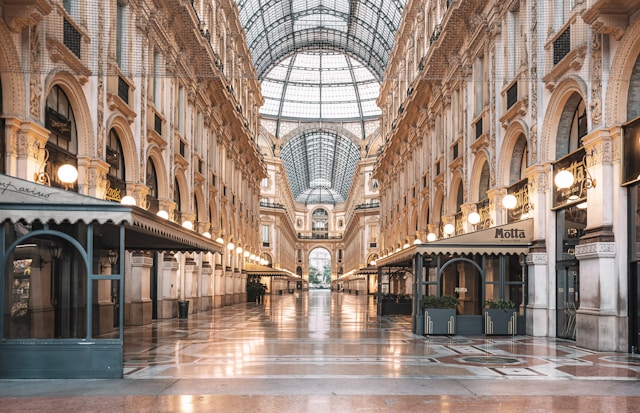
Galleria Vittorio Emanuele II
In Milano, Italy .
More places to visit in Milano
Discover more attractions and things to do in Milano.
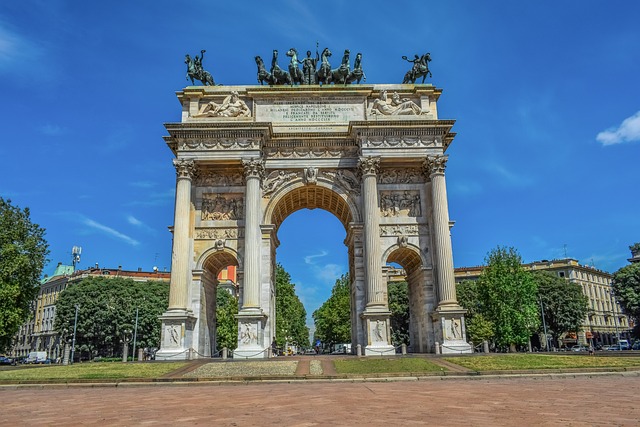
Arco della Pace
The Arco della Pace , or Arch of Peace, is a magnificent neoclassical monument that stands at the entrance to Milano's Sempione Park. Constructed in the 19th century to celebrate peace after the Napoleonic wars, this arch is adorned with intricate sculptures and carvings that depict historical and allegorical themes. The arch’s design was inspired by the Arch of Septimius Severus in Rome, and its statues were positioned to face Paris as a symbolic gesture toward Napoleon. A bronze chariot atop the arch, added in 1826, was delayed for decades due to political turmoil. The surrounding area is a popular spot for locals and tourists alike, offering picturesque views and a lively atmosphere. The Arco della Pace serves as both a historical landmark and a gathering place, embodying Milano's cultural and architectural legacy.
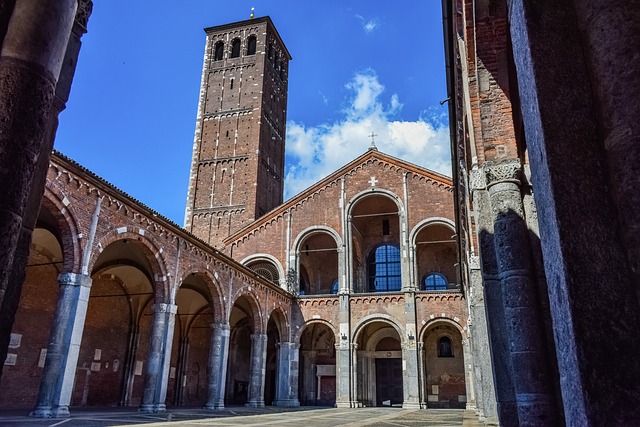
Basilica di Sant'Ambrogio
The Basilica di Sant'Ambrogio is one of Milano's oldest and most significant churches, offering a glimpse into the city's early Christian history. Built in the 4th century by Saint Ambrose, the patron saint of Milano, this basilica is a masterpiece of Romanesque architecture. The basilica’s altar contains the relics of three saints: Ambrose, Gervasus, and Protasus. Its iconic Golden Altar , crafted in 835 CE, is adorned with precious gems and scenes from the Bible. Visitors can admire its stunning façade, elegant cloisters, and intricately decorated interiors. The basilica houses relics of Saint Ambrose and other important artifacts, making it a site of religious and historical significance. A visit to the Basilica di Sant'Ambrogio provides a profound experience, connecting visitors to Milano's spiritual and architectural heritage.
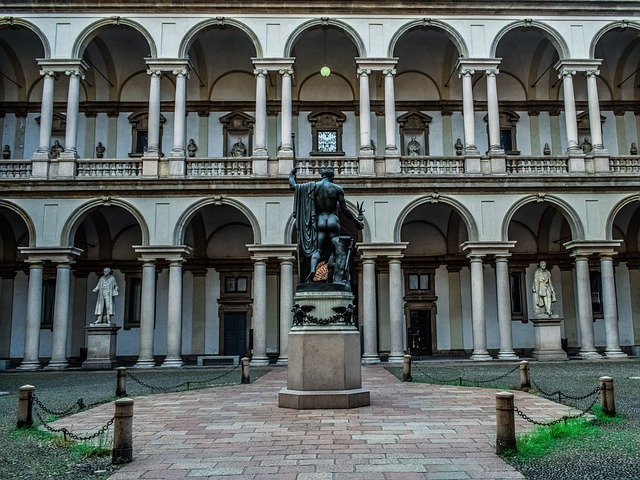
Brera Art Gallery
The Brera Art Gallery ( Pinacoteca di Brera ) is a cultural gem in Milano, housing one of Italy's most prestigious collections of art. Located in the historic Brera district, this museum features masterpieces from the Italian Renaissance and beyond, with works by renowned artists such as Raphael, Caravaggio, and Titian. The gallery is situated within the elegant Palazzo Brera, which also hosts the Academy of Fine Arts . The gallery’s collection began in 1776 as a teaching tool for art students, later expanded by Napoleon with looted artworks from northern Italy. Visitors are captivated not only by the stunning art but also by the serene atmosphere of the surrounding botanical garden and courtyard. The Brera Art Gallery is a testament to Milano's rich artistic heritage and an essential stop for art lovers.
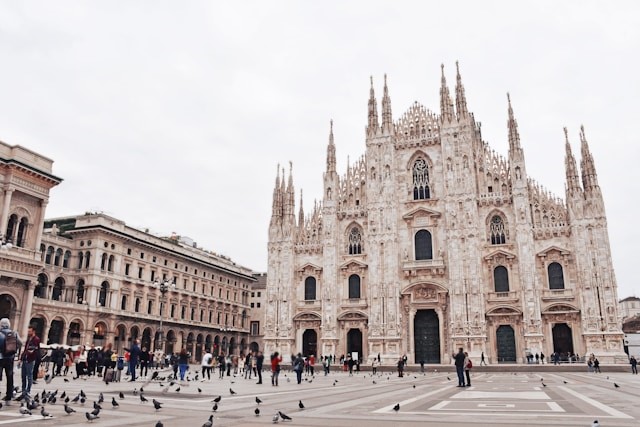
Duomo di Milano
The Duomo di Milano , an architectural masterpiece and one of the largest cathedrals in the world, is a symbol of Milano and a must-visit for anyone exploring the city. This Gothic cathedral took nearly six centuries to complete, resulting in an intricately detailed exterior adorned with spires, statues, and gargoyles. Inside, the grandeur continues with soaring ceilings, stunning stained-glass windows, and an atmosphere of reverence. The rooftop is one of the highlights, offering breathtaking views of Milano and its surroundings. Visitors can wander amidst the spires and marvel at the intricate craftsmanship that defines this iconic landmark. A little-known fact: the cathedral’s tallest spire is crowned with a golden statue of the Madonnina , which was secretly covered in tarpaulin during WWII to avoid being a bombing target. As the cultural and spiritual heart of the city, the Duomo often hosts religious events, art exhibitions, and concerts, adding to its vibrant appeal. A visit to the Duomo di Milano is not just an encounter with history but also an opportunity to witness the artistic and cultural legacy of Milano.
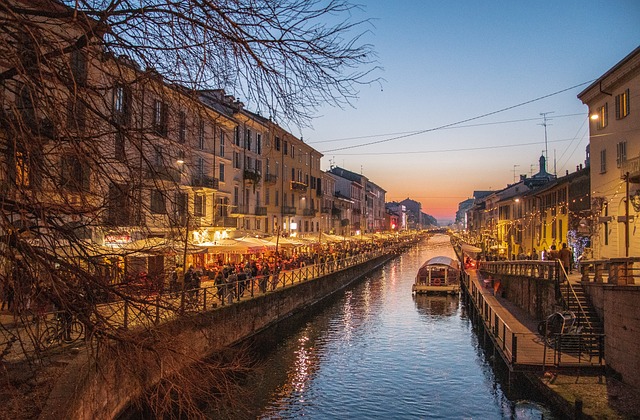
Navigli Canals
The Navigli Canals are a vibrant and charming area of Milano that offer a glimpse into the city's historical waterways and modern cultural scene. Originally designed by Leonardo da Vinci , these canals were once essential for trade and transportation but have since been transformed into a lively hub for dining, shopping, and entertainment. The canals once stretched over 150 km, connecting Milano to Lake Como and the Adriatic Sea. In the 1920s, most were filled in for hygiene reasons, leaving only the Naviglio Grande and Pavese. Visitors can stroll along the picturesque waterways, lined with colorful buildings, art galleries, vintage shops, and bustling cafes. The area is particularly lively in the evening, with its many bars and restaurants offering an array of local and international cuisine. Seasonal markets and art fairs add to the appeal, making Navigli a must-visit destination for both history enthusiasts and those seeking a lively atmosphere.
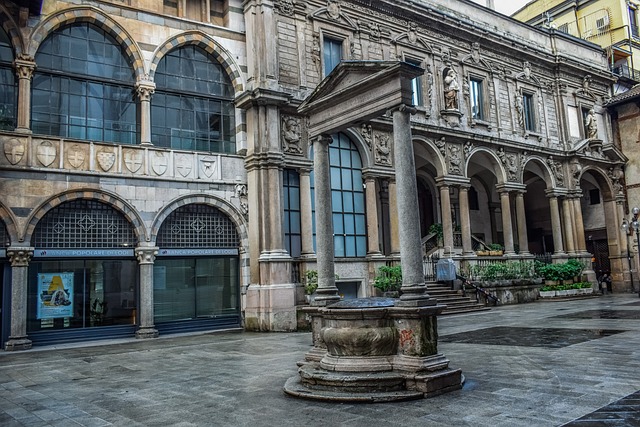
Piazza Mercanti
Piazza Mercanti is a historic square in the heart of Milano that offers a journey back in time to the city's medieval roots. Once the political and economic center of Milano, this square is surrounded by beautifully preserved buildings such as the Palazzo della Ragione , Loggia degli Osii, and Palazzo dei Giureconsulti. The square’s Arengario (medieval town hall) still bears iron rings used to tether horses during markets. In the 13th century, merchants traded exotic spices and silk here under strict guild regulations. Visitors can admire the intricate Gothic and Renaissance architectural details while soaking in the tranquil atmosphere. The square often features cultural events and exhibitions, making it a dynamic yet historically rich destination. A stroll through Piazza Mercanti is a perfect way to explore Milano's heritage and charm.
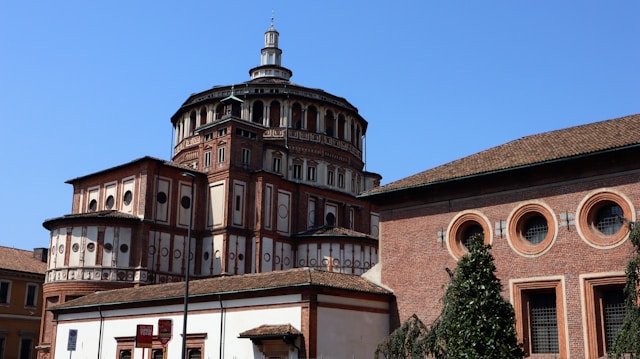
Santa Maria delle Grazie
Santa Maria delle Grazie is a UNESCO World Heritage Site and one of Milano's most visited attractions, thanks to its housing of Leonardo da Vinci's iconic mural, The Last Supper . This 15th-century church and convent are masterpieces of Renaissance architecture, showcasing the brilliance of architects like Donato Bramante. The church's interior features elegant columns, stunning frescoes, and a serene atmosphere that reflects its spiritual significance. During WWII, Allied bombs destroyed much of the convent, but The Last Supper survived thanks to protective sandbagging by Italian art conservators. The adjoining convent's refectory is where visitors can marvel at da Vinci's legendary painting, an artistic and historical marvel that continues to inspire awe. A visit to Santa Maria delle Grazie is a profound experience, offering a glimpse into Milano's artistic and religious heritage.
Sforza Castle
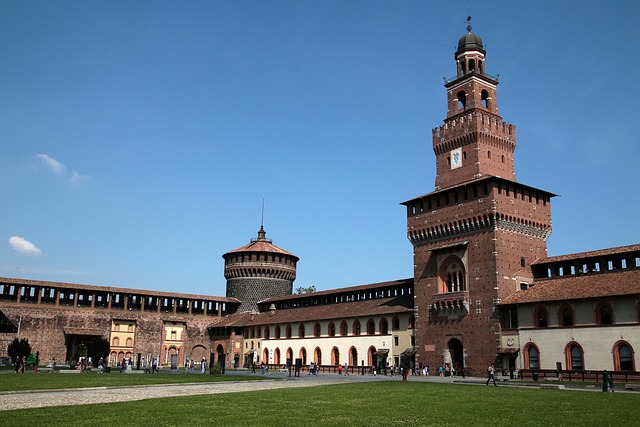
The Sforza Castle ( Castello Sforzesco ) is an iconic landmark in Milano that encapsulates centuries of history and culture. Originally built in the 15th century by the Duke of Milano, Francesco Sforza, this majestic fortress has served various roles, from a military stronghold to a noble residence. Today, it is home to several museums and art collections, including masterpieces by Michelangelo and Leonardo da Vinci. The castle's architecture is a blend of Renaissance and medieval styles, featuring imposing towers, a large courtyard, and beautifully preserved frescoes. A hidden gem: Leonardo da Vinci painted a celestial vault fresco in the Sala delle Asse, obscured for centuries under layers of paint until its rediscovery in 1893. The surrounding Sempione Park adds to its charm, offering a peaceful retreat in the heart of the bustling city. Visitors can explore the castle's museums, which house artifacts and artworks that narrate Milano's rich history. The Sforza Castle stands as a testament to Milano's artistic and historical heritage and remains a top attraction for travelers.
Teatro alla Scala
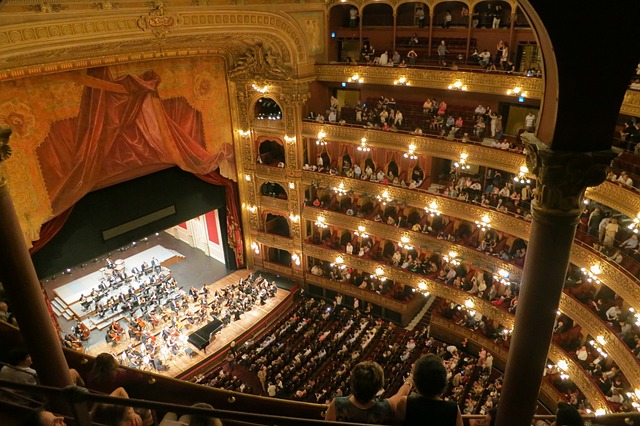
Teatro alla Scala , often simply called La Scala, is one of the world's most renowned opera houses and a symbol of Milano's rich cultural legacy. Opened in 1778 , this historic theater has hosted countless legendary performances by the greatest names in opera, ballet, and classical music. Its neoclassical architecture, sumptuous interiors, and exceptional acoustics make it a treasure trove of artistic brilliance. Visitors can explore the theater through guided tours or attend a performance to experience its magic firsthand. The theater’s chandelier, made of Murano glass , weighs over 1,000 pounds and has never been replaced since 1821. The adjacent Museo Teatrale alla Scala offers fascinating insights into the history of performing arts, displaying costumes, set designs, and memorabilia. La Scala continues to uphold its reputation as a global cultural landmark, making it a must-see for anyone visiting Milano.