City view of Montpellier, France

Montpellier

Montpellier, located in southern France near the Mediterranean coast, is a dynamic city known for its vibrant atmosphere and historic charm. The city's historic center, known as the Écusson, features narrow streets, beautiful squares, and elegant buildings. The Place de la Comédie is the heart of the city, surrounded by cafes, shops, and the Opéra Comédie. Montpellier is also home to several museums, including the Musée Fabre, which houses an impressive collection of European art. The city's proximity to the Mediterranean makes it a popular destination for beachgoers and outdoor enthusiasts. Montpellier's lively markets, such as the Marché des Arceaux, offer fresh produce, flowers, and local specialties. The city's blend of history, culture, and Mediterranean charm makes it a top destination in southern France.

Top attractions & things to do in Montpellier

If you’re searching for the best things to do in Montpellier, this guide brings together the top attractions and must-see places to visit in Montpellier. The top picks below highlight the most visited sights for first-time visitors, plus a few local favorites worth adding.

Antigone District in Montpellier, France

Antigone District

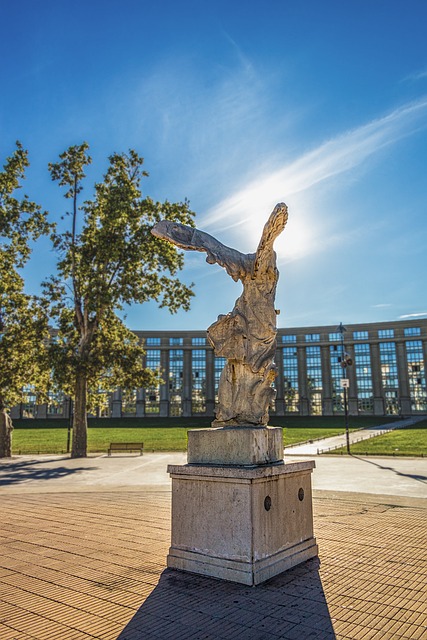
The Antigone District in Montpellier is a unique example of modern urban design. Created by the Spanish architect Ricardo Bofill in the late 20th century, this area features a neoclassical architectural style that contrasts with the city's historic core. Wide boulevards, grand plazas, and symmetrical buildings characterize the district, giving it a distinct and harmonious appearance. The Antigone District is home to shops, cafes, and public spaces that attract residents and tourists. Its striking design and open spaces make it an excellent place for walking, shopping, and admiring the innovative approach to city planning. Bofill designed the district’s columns to exactly match the height of Montpellier’s Cathedrale Saint-Pierre towers. The geometric patterns in the pavement replicate ancient Greek meanders, paying homage to the district’s mythological namesake.
Ads place
Ads place
Ads place
Ads place
Ads place
Arc de Triomphe in Montpellier, France

Arc de Triomphe

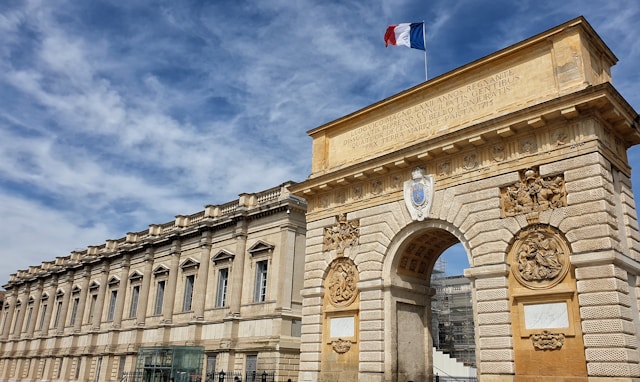
The Arc de Triomphe in Montpellier, also known as the Porte du Peyrou, is an iconic monument that marks the entrance to the historic Peyrou Promenade. This grand arch was built in the late 17th century to honor King Louis XIV and is adorned with intricate carvings that depict significant events from his reign. The Arc serves as a prominent landmark that showcases the city's architectural elegance and historical depth. Visitors often pass through it on their way to explore the promenade and nearby aqueduct. The Arc de Triomphe is a testament to Montpellier's rich history and royal heritage. The reliefs glorify Louis XIV’s 1666 conquest of Franche-Comté – ironically, Montpellier never participated in that war. During the Revolution, locals painted the word “Liberté” over the monarch’s Latin inscriptions.
Ads place
Ads place
Ads place
Ads place
Ads place
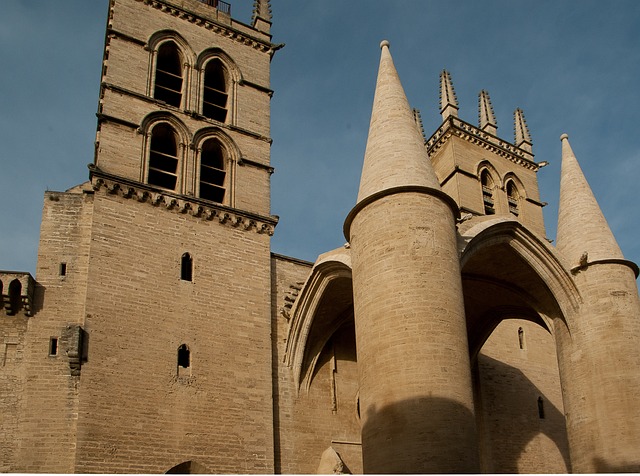
Cathedrale Saint-Pierre in Montpellier, France

Cathedrale Saint-Pierre

The Cathedrale Saint-Pierre de Montpellier is an imposing structure that stands as a remarkable example of Gothic architecture. Originally built in the 14th century, the cathedral boasts a stunning façade with large twin towers that create an impressive sight. Inside, visitors are greeted with intricate stained glass windows, grand stone columns, and a rich sense of history. The cathedral is not only a place of worship but also a symbol of the city's medieval past. Its serene ambiance and architectural beauty make it a highlight for those interested in history and religious art. The towers survived the 1562 Protestant uprising that destroyed the nave – the rebuilt vaults feature carved gargoyles mocking Catholic clergy. Napoleon III secretly funded the 19th-century restoration to strengthen Catholic influence in revolutionary-leaning Montpellier.
Ads place
Ads place
Ads place
Ads place
Ads place
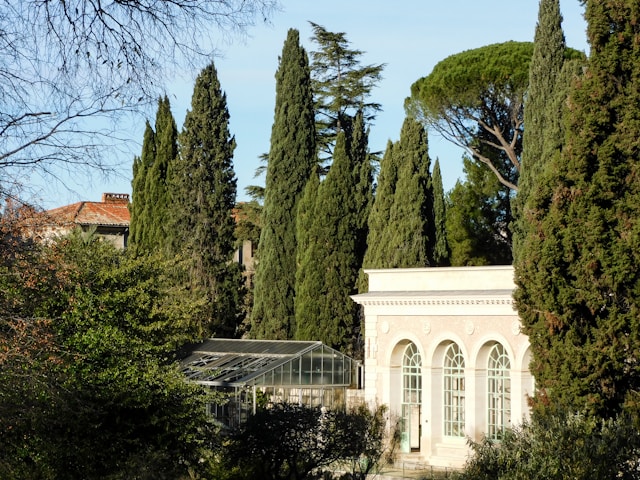
Jardin des Plantes in Montpellier, France

Jardin des Plantes

The Jardin des Plantes in Montpellier is one of the oldest botanical gardens in France, dating back to the 16th century. This beautiful space offers a peaceful retreat from the city's hustle and bustle, featuring a wide range of plant species, including rare and exotic varieties. The garden is divided into different sections, each showcasing different plant ecosystems. Visitors can enjoy a walk along shaded paths, explore the greenhouse, or learn about the history of botany. The garden's historical significance and tranquil atmosphere make it a must-visit for nature enthusiasts and history buffs. The garden’s “poison plot” (1670) grew toxic plants for medical research under Louis XIV. A 400-year-old Montpellier maple tree, planted in 1593, still thrives near the entrance.
Ads place
Ads place
Ads place
Ads place
Ads place
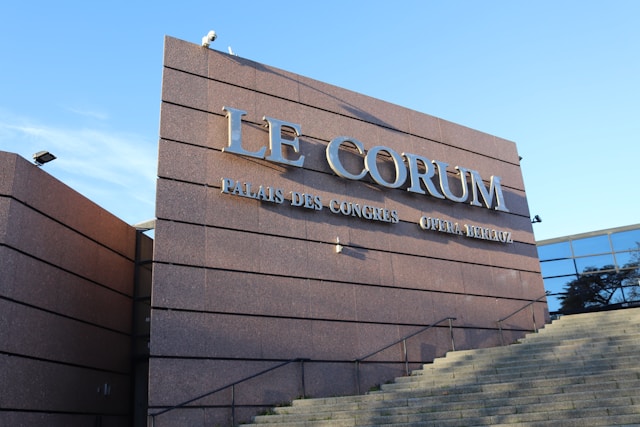
Le Corum in Montpellier, France

Le Corum

Le Corum is a modern complex in Montpellier that serves as a convention center and opera house. This architectural masterpiece, designed by Claude Vasconi, boasts a striking exterior made of pink granite. Inside, it hosts conferences, concerts, and performances, making it an essential cultural venue in the city. The Corum is located near the Esplanade Charles de Gaulle, providing visitors with a scenic area to explore before or after events. The rooftop terrace offers panoramic views of Montpellier, adding another layer of attraction to this impressive site. Le Corum is a testament to the city's blend of contemporary culture and historic charm. The building’s acoustic panels can adapt the opera hall’s sound for everything from symphonies to rock concerts. Vasconi modeled the jagged roof line on the nearby Cévennes mountain range.
Ads place
Ads place
Ads place
Ads place
Ads place
Peyrou Promenade in Montpellier, France

Peyrou Promenade

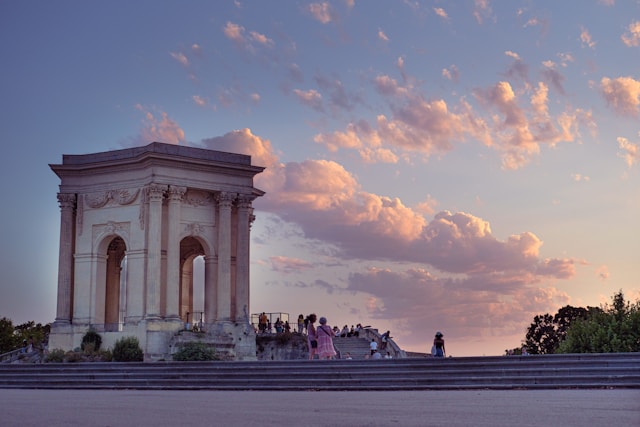
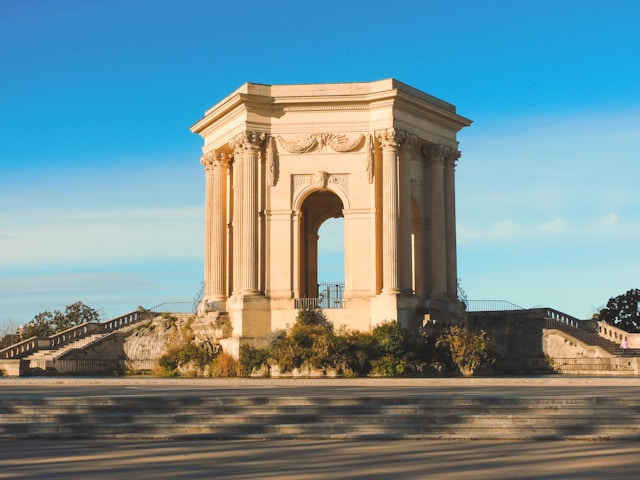
The Peyrou Promenade is a picturesque public space in Montpellier that offers panoramic views of the city. Situated on a hill, it features the impressive Porte du Peyrou, an arch that commemorates Louis XIV, and a grand equestrian statue of the king. The park is lined with lush greenery and benches, making it an ideal spot for a relaxing walk or a picnic. The nearby Water Tower and aqueduct add historical significance to the area. As the sun sets, the Peyrou Promenade becomes a favorite place for visitors to capture breathtaking views and enjoy the tranquil atmosphere. The aqueduct’s 23 arches (1765) stretch 800 meters, delivering spring water from Saint-Clément. The statue’s base hides a time capsule with 17th-century coins and a parchment praising Louis XIV’s reign.
Ads place
Ads place
Ads place
Ads place
Ads place
Place de l'Europe in Montpellier, France

Place de l'Europe

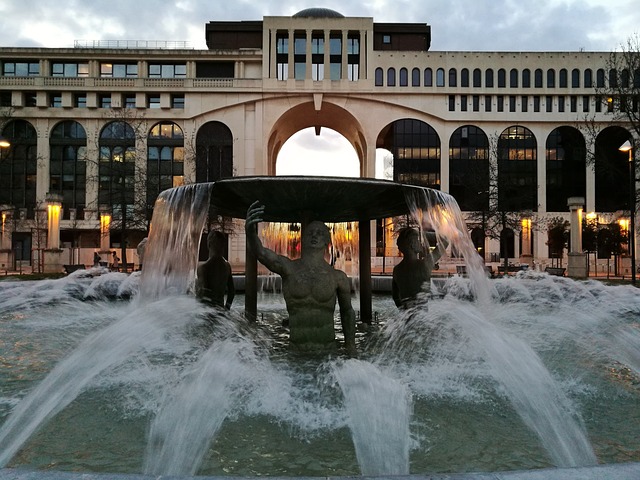
Place de l'Europe is an impressive square located in the heart of the Antigone District in Montpellier. This area is a prime example of the city's blend of modern and classical architecture, designed by renowned architect Ricardo Bofill. The square is bordered by grand buildings and open spaces, featuring a central fountain that adds a touch of elegance. It is a popular spot for locals and tourists to gather, with cafes and restaurants lining the perimeter. The nearby River Lez enhances the charm of the area, making it an ideal place for a relaxing walk or outdoor dining. Place de l'Europe encapsulates the forward-thinking urban design of Montpellier while retaining a European classical feel. The fountain’s 12 jets represent the EU’s founding member states. Beneath the square lies a rainwater harvesting system that irrigates Antigone’s gardens during droughts.
Ads place
Ads place
Ads place
Ads place
Ads place
Place de la Comédie in Montpellier, France

Place de la Comédie

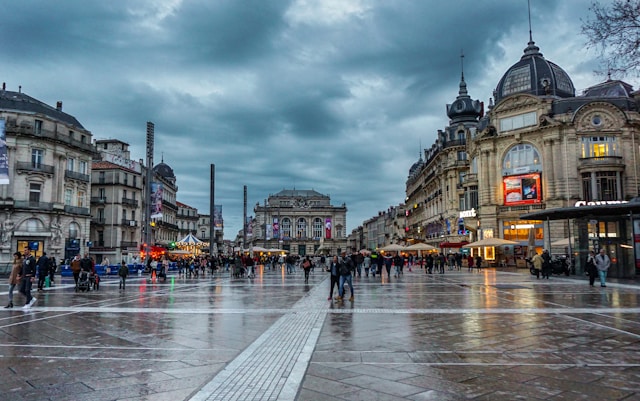
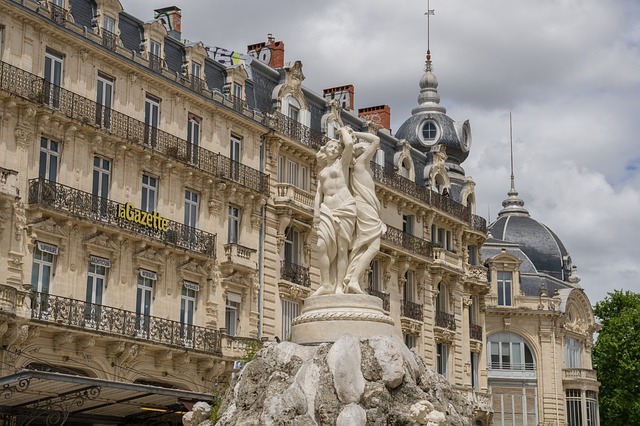
The Place de la Comédie is the vibrant heart of Montpellier, known for its lively atmosphere and stunning architecture. The square is dominated by the impressive Opéra Comédie and surrounded by beautiful 19th-century buildings. It serves as a meeting point for locals and visitors alike, offering a variety of cafes and shops to enjoy. The centerpiece of the square is the iconic Three Graces fountain, adding to its charm. The area is perfect for leisurely strolls, people-watching, or exploring nearby attractions. The Place de la Comédie is a testament to Montpellier's blend of history, culture, and modern life. The fountain’s three nymphs, sculpted by Étienne d’Antoine in 1790, symbolize Montpellier’s three rivers: Lez, Mosson, and Verdanson. During WWII, the square was used as a makeshift hospital by the French Resistance.
Ads place
Ads place
Ads place
Ads place
Ads place
Place Royale du Peyrou in Montpellier, France

Place Royale du Peyrou

Place Royale du Peyrou is a historic square in Montpellier that offers a glimpse into the grandeur of the past. The square is dominated by the imposing equestrian statue of Louis XIV and is surrounded by classical architecture. The area is popular for its breathtaking views of the city and its surrounding landscapes. The nearby aqueduct and Water Tower add to the historical significance of the site. On Sundays, the square hosts an antique market, drawing collectors and visitors alike. The Place Royale du Peyrou is perfect for a peaceful stroll while soaking in the history and beauty of Montpellier. The statue’s pedestal hides a secret chamber once used to store gunpowder. The market’s most valuable find: a 16th-century Occitan manuscript sold for €1 in 1982, later appraised at €20,000.
Ads place
Ads place
Ads place
Ads place
Ads place
Quartier Saint-Roch in Montpellier, France

Quartier Saint-Roch

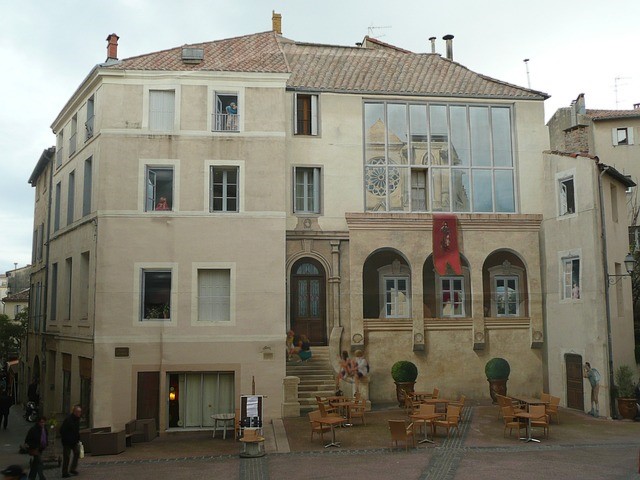
The Quartier Saint-Roch is one of Montpellier's most charming and vibrant neighborhoods. Named after the patron saint of the city, this area is known for its narrow, winding streets filled with cafes, boutiques, and street art. The quarter has a bohemian atmosphere and is a favorite among artists and creatives. At the center of the neighborhood is the Church of Saint-Roch, which is worth a visit for its unique architecture. The Quartier Saint-Roch embodies the lively spirit of Montpellier and is perfect for exploring on foot to discover hidden gems and local culture. The church’s 14th-century reliquary contains a bone fragment from Saint Roch, believed to protect against plagues. Rue de l’Argenterie hides a medieval well where silversmiths once dumped toxic mercury waste.
Ads place
Ads place
Ads place
Ads place
Ads place