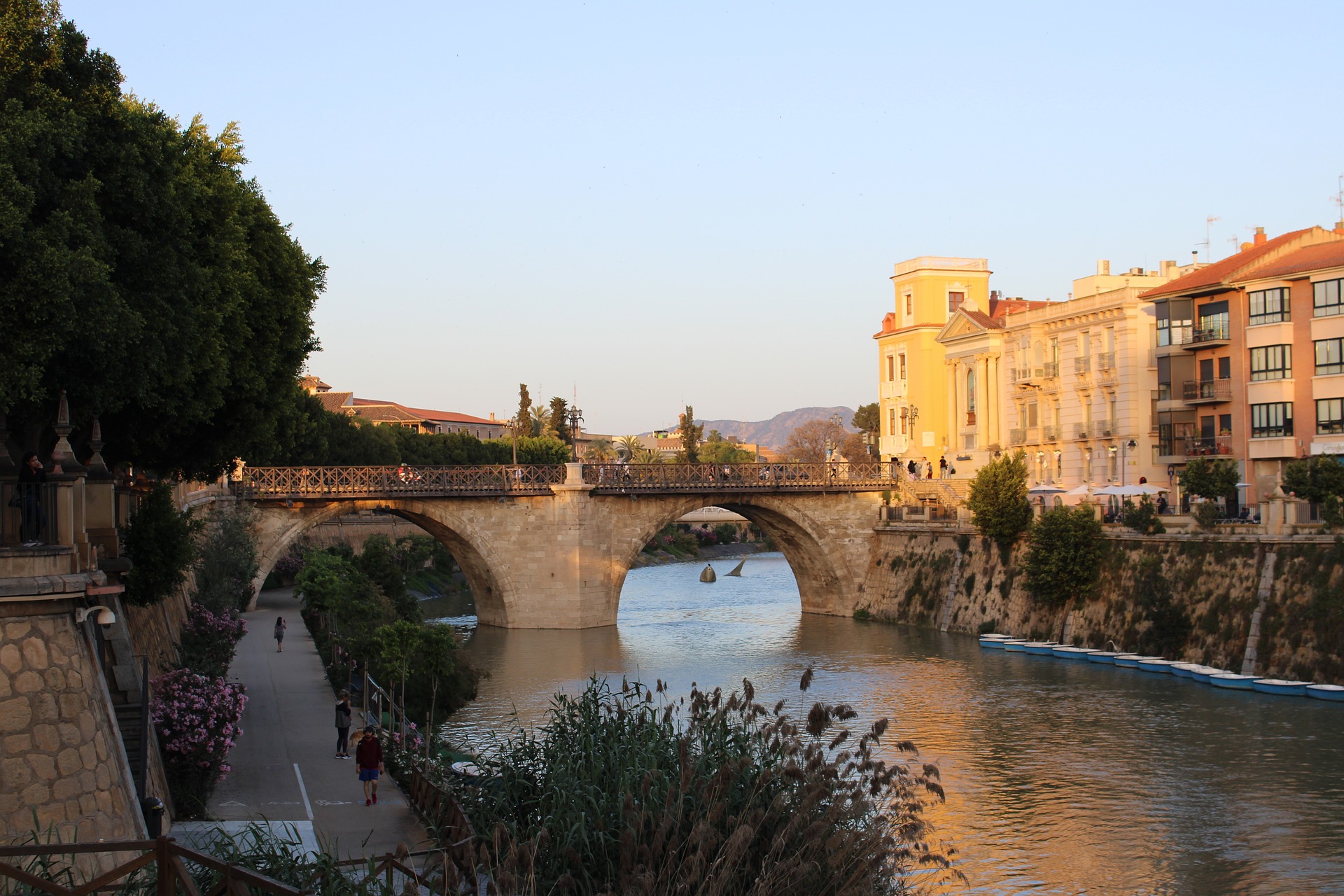

City view of Murcia, Spain

Murcia

Murcia, located in southeastern Spain, is a city known for its charming historic center, vibrant culture, and beautiful landscapes. The Cathedral of Murcia, an impressive Baroque structure, is one of the city's most iconic landmarks. The city also boasts several museums, such as the Salzillo Museum, which showcases works by the famous sculptor Francisco Salzillo. Murcia's Old Town is a maze of narrow streets, lively plazas, and traditional Spanish architecture. The city is also home to the beautiful Floridablanca Garden, one of the oldest public gardens in Spain. Murcia's mild climate and rich agricultural landscape make it a great destination for nature lovers and those seeking a more relaxed pace of life.

Top attractions & things to do in Murcia

If you’re searching for the best things to do in Murcia, this guide brings together the top attractions and must-see places to visit in Murcia. The top picks below highlight the most visited sights for first-time visitors, plus a few local favorites worth adding.

Catedral de Murcia in Murcia, Spain

Catedral de Murcia

Catedral de Murcia is one of the most iconic landmarks of the city, showcasing the exquisite beauty of Spanish Baroque architecture. Located in the heart of Murcia, this cathedral was constructed over several centuries, with its origins dating back to the 13th century. The architecture is a striking blend of Gothic, Renaissance, and Baroque styles, with the grand facade being one of the most recognized features. Inside, visitors can admire the lavishly decorated altarpiece, a masterwork of Baroque art, and the stained-glass windows, which fill the interior with an ethereal glow. The cathedral's bell tower, which rises to 93 meters, is another spectacular sight. This architectural marvel not only serves as a place of worship but also as a testament to the city's religious and artistic heritage. Throughout the centuries, the cathedral has been the site of numerous significant events in Murcia's history. As you step into the cathedral, you'll feel the deep sense of history that pervades the space, making it a must-see for visitors interested in exploring the city's rich past.
Ads place
Ads place
Ads place
Ads place
Ads place
Museo Salzillo in Murcia, Spain

Museo Salzillo

The Museo Salzillo in Murcia is dedicated to the works of the renowned Baroque sculptor Francisco Salzillo, whose masterpieces continue to captivate visitors. The museum houses a remarkable collection of Salzillo's religious sculptures, many of which are still used in the famous Semana Santa (Holy Week) processions in Murcia. The museum is located in a beautiful 18th-century building that complements the artwork displayed inside. Salzillo's sculptures are celebrated for their emotional depth and intricate detail, particularly his life-size figures that capture profound human expression. The museum offers an intimate look at his work, with many pieces displayed in settings that recreate their role in the religious processions. In addition to Salzillo's masterpieces, the museum also features a range of historical artifacts, giving visitors a deeper understanding of the cultural context in which these works were created. The Museo Salzillo is a must-visit for art lovers and those interested in the religious and artistic heritage of Murcia.
Ads place
Ads place
Ads place
Ads place
Ads place
Palacio Episcopal in Murcia, Spain

Palacio Episcopal

Palacio Episcopal is a majestic example of Murcia's architectural history, with its imposing Baroque design standing proudly in the city's center. Built in the 18th century, the palace served as the residence of the Bishops of Murcia. Its stunning facade, adorned with intricate carvings and ornate balconies, is a remarkable example of Baroque craftsmanship. Inside, the palace features a collection of religious artworks and decorative elements that showcase the cultural richness of the time. The grand halls, adorned with frescoes, tell the story of the palace's prestigious past. The palace also houses an important museum that provides insight into the religious and political history of Murcia. Visitors can explore its elegant courtyards and gardens, offering a peaceful escape in the heart of the city. The Palacio Episcopal is not just an architectural treasure, it is a symbol of Murcia's cultural legacy and an essential part of the city's historical narrative.
Ads place
Ads place
Ads place
Ads place
Ads place
Parque Regional de las Salinas y Arenales de San Pedro del Pinatar in Murcia, Spain

Parque Regional de las Salinas y Arenales de San Pedro del Pinatar

Parque Regional de las Salinas y Arenales de San Pedro del Pinatar is a stunning natural reserve that offers a glimpse into Murcia's diverse ecosystems. This park, located near the Mediterranean coast, is known for its salt flats, wetlands, and sand dunes, which are home to a wide variety of plant and animal species. The park is an important birdwatching destination, as it hosts numerous migratory birds, including flamingos, herons, and egrets. The salt flats, which have been in use since Roman times, are an essential part of the region's heritage and economy. Visitors can explore the park's walking trails, which offer views of the salt ponds and the surrounding landscape. The area is also known for its therapeutic mud baths, which have been used for centuries for their healing properties. Whether you're seeking outdoor adventure or simply want to immerse yourself in nature, this park offers an unforgettable experience.
Ads place
Ads place
Ads place
Ads place
Ads place
Real Casino de Murcia in Murcia, Spain

Real Casino de Murcia

The Real Casino de Murcia is a historic and luxurious building that represents the city's opulence during the 19th century. Established in 1847, this private club has become a symbol of Murcia's cultural and social life. The building features a mix of architectural styles, from Renaissance to Neoclassical, with a grand entrance hall that sets the tone for the opulence inside. One of the most striking features is the richly decorated ceremonial hall, with its vibrant frescoes and exquisite chandeliers. The casino's walls are adorned with classical paintings, and its marble floors reflect the grandeur of its past. Over the years, the Real Casino has hosted many high-profile events, from political meetings to cultural celebrations. Today, visitors can admire its historical significance, take guided tours, and enjoy the atmosphere of a place that has long been a center of Murcia's aristocratic life.
Ads place
Ads place
Ads place
Ads place
Ads place