

Teatro di San Carlo
In Naples, Italy .
More places to visit in Naples
Discover more attractions and things to do in Naples.
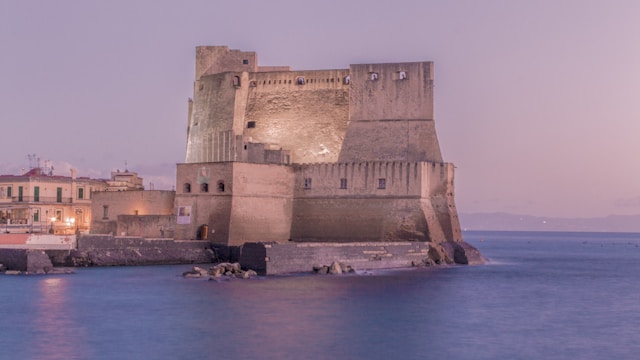
Castel dell'Ovo
Castel dell'Ovo, located on the picturesque seafront of Naples, is one of the city's most iconic landmarks. This ancient fortress, situated on the small islet of Megaride , offers a captivating glimpse into the region's storied past. The castle's name, translating to Egg Castle , is rooted in a legend that Roman poet Virgil hid a magical egg within its foundations to ensure its stability. Visitors can explore the castle's well-preserved halls, courtyards, and terraces, which provide panoramic views of the Gulf of Naples and Mount Vesuvius . Castel dell'Ovo has served various purposes throughout history, from a monastery to a royal residence , and now stands as a cultural venue hosting exhibitions and events. Surrounded by the shimmering waters of the Mediterranean, it offers a serene escape from the bustling city while connecting visitors to Naples' rich heritage.
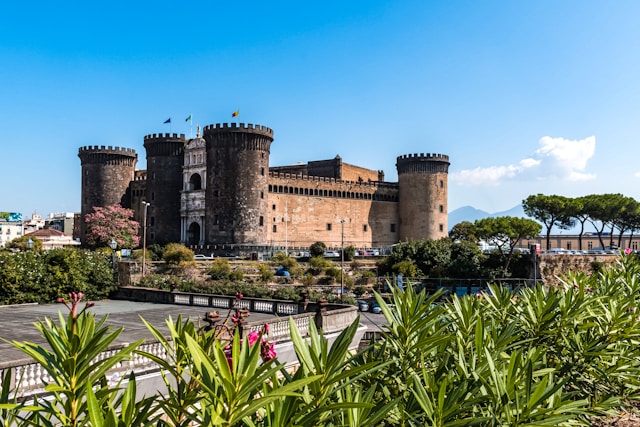
Castel Nuovo
Castel Nuovo, also known as Maschio Angioino , is a medieval fortress that stands as a symbol of Naples' historical and architectural grandeur. Built in the 13th century , the castle has served various roles throughout history, from a royal residence to a military stronghold . Its imposing towers and triumphal arch , added during the Renaissance , make it a striking feature of Naples' skyline. Inside, visitors can explore the Civic Museum , which houses an impressive collection of art and artifacts spanning centuries. The castle also offers stunning views of the Gulf of Naples and Mount Vesuvius from its ramparts. Castel Nuovo is a must-visit attraction that provides a fascinating insight into the city's rich and diverse history.
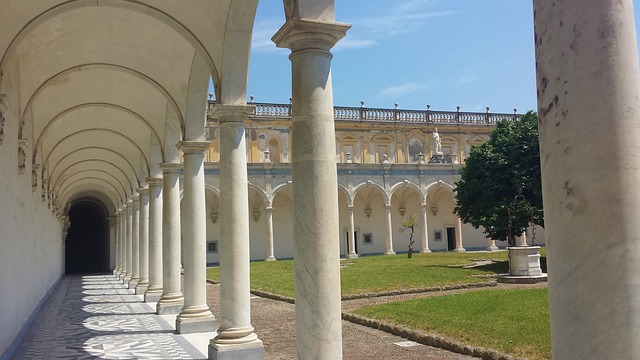
Certosa di San Martino
Certosa di San Martino, perched atop Vomero Hill , is a former Carthusian monastery that offers panoramic views of Naples and its bay. Now a museum, the site is renowned for its exquisite baroque architecture , intricate frescoes , and stunning cloisters . The museum houses a remarkable collection of religious art , including nativity scenes , paintings, and sculptures that reflect Naples' rich cultural and artistic history. Visitors can also explore the monastery's tranquil gardens and terraces, which provide a serene escape from the bustling city below. The Certosa di San Martino combines art, history, and breathtaking scenery , making it a must-visit attraction for those seeking to immerse themselves in the beauty of Naples.

Galleria Umberto I
Galleria Umberto I is a magnificent 19th-century shopping arcade in Naples that combines elegance, history, and modernity. With its impressive glass dome and ornate architecture , the galleria is a visual masterpiece that attracts both shoppers and sightseers. It is home to an array of shops, cafes, and restaurants, offering everything from luxury goods to delicious Neapolitan pastries . The central atrium, adorned with intricate mosaics , is a popular spot for photos and leisurely strolls. Beyond its commercial appeal, Galleria Umberto I serves as a cultural landmark , reflecting the city's artistic and architectural heritage. Whether you're looking to shop, dine, or simply admire its beauty, this galleria is a must-see destination in Naples.

Mount Vesuvius
Mount Vesuvius, the iconic volcano overlooking Naples, is a natural wonder and a symbol of the region's history. Known for its catastrophic eruption in AD 79 that buried Pompeii and Herculaneum, the volcano is now a popular destination for adventurous travelers. Visitors can hike to the summit, where they are rewarded with breathtaking views of the Bay of Naples , the surrounding countryside, and the volcano's crater . The trails leading to the top are well-maintained and provide interpretive signage about the volcano's geological and historical significance . Guided tours offer a deeper understanding of the role Vesuvius has played in shaping the landscape and culture of the area. A visit to Mount Vesuvius is both an educational and awe-inspiring experience that connects visitors to the raw power of nature and the resilience of the people who live in its shadow.
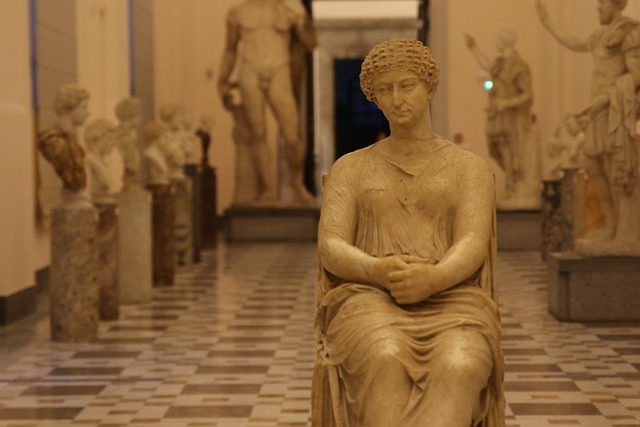
Naples National Archaeological Museum
The Naples National Archaeological Museum is one of the most important cultural institutions in Italy and a treasure trove of ancient artifacts. Located in the heart of Naples, the museum houses an extensive collection of Roman , Greek , and Egyptian antiquities. Among its most famous exhibits are the artifacts recovered from Pompeii and Herculaneum , including intricate mosaics, frescoes, and sculptures. The Farnese Collection , featuring masterpieces such as the Farnese Hercules and the Farnese Bull , showcases the grandeur of classical art. The museum's layout provides a chronological journey through ancient civilizations, offering insights into their daily lives, art, and culture. With its meticulously curated displays and interactive exhibits, the Naples National Archaeological Museum is a must-visit destination for history and art enthusiasts.

Piazza del Plebiscito
Piazza del Plebiscito is a grand and iconic square in Naples, serving as a focal point for the city's public life and culture. Surrounded by significant landmarks such as the Royal Palace and the Basilica of San Francesco di Paola , the square exudes an air of elegance and history. The colonnaded architecture of the basilica, inspired by Rome's Pantheon , adds to its majestic appeal. This vast open space hosts numerous events, concerts, and festivals throughout the year, making it a vibrant part of the city's social fabric. Visitors can enjoy leisurely strolls, admire the equestrian statues of Charles III of Spain and Ferdinand IV , or simply soak in the lively atmosphere. Piazza del Plebiscito is a testament to Naples' rich heritage and a must-visit destination for anyone exploring the city.
Pompeii Archaeological Park
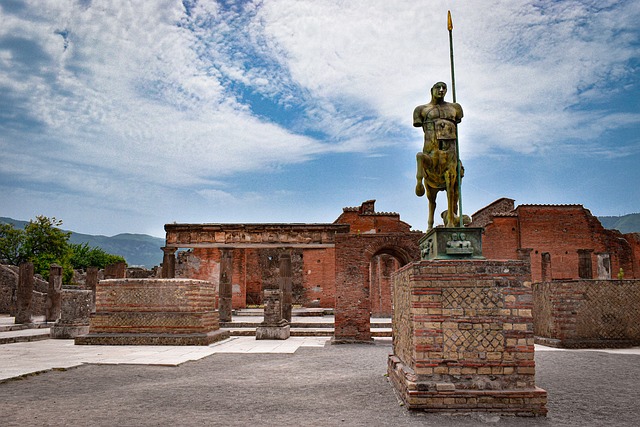
The Pompeii Archaeological Park, located a short distance from Naples, is a UNESCO World Heritage Site that transports visitors back to the ancient Roman era. Preserved by the catastrophic eruption of Mount Vesuvius in AD 79 , the site offers a unique and haunting glimpse into daily life in a Roman city . Walking through the remarkably well-preserved streets, visitors can explore villas, baths, temples, and even an amphitheater. The frescoes and mosaics found in some of the homes are exceptionally detailed and provide insights into Roman art and culture. The park's highlights include the Forum , the Villa of the Mysteries , and the haunting plaster casts of the victims of the eruption. The scale and historical significance of Pompeii make it one of the most visited and fascinating attractions in Italy, offering an unparalleled connection to the past.

Spaccanapoli
Spaccanapoli, the narrow street that cuts through the heart of Naples' historic center , is a vibrant and atmospheric destination that embodies the essence of the city. Lined with centuries-old churches, artisan workshops, and bustling cafes, Spaccanapoli offers an authentic experience of Neapolitan life. Walking along this street, visitors can admire architectural gems such as the Church of Gesù Nuovo and the Santa Chiara Monastery , both rich in history and art. The street is also a hub for street food , with vendors offering traditional delights like sfogliatelle , pizza , and gelato . Spaccanapoli's lively atmosphere is complemented by its historical significance, as it follows the path of an ancient Roman road . Exploring Spaccanapoli is a sensory journey that showcases the culture, history, and flavors of Naples in a single, unforgettable experience.