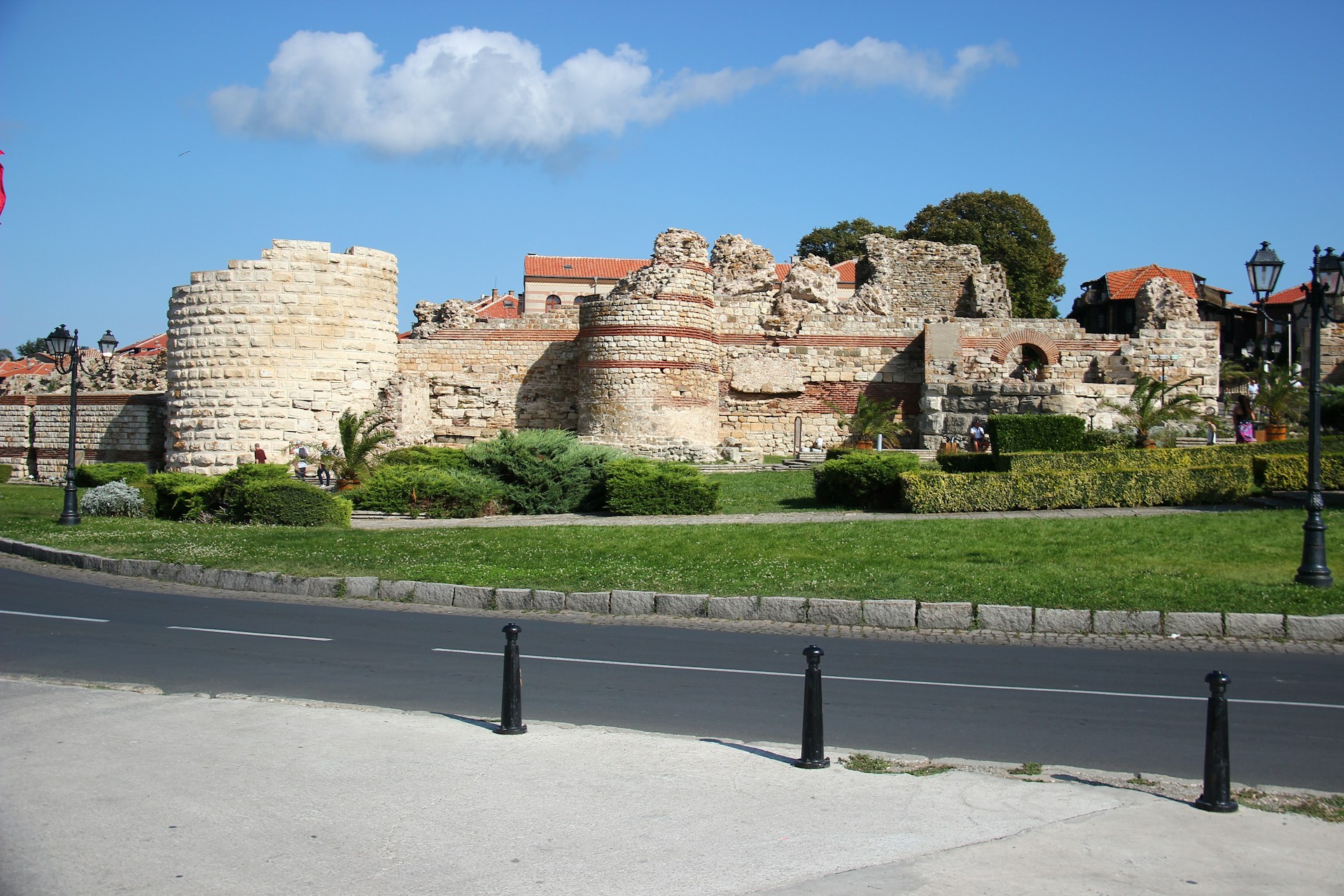

City view of Nesebar, Bulgaria

Nesebar

Nesebar, often referred to as the 'Pearl of the Black Sea,' is one of Bulgaria's most ancient and picturesque towns. It is located on a small peninsula and is a UNESCO World Heritage Site due to its well-preserved medieval churches and traditional wooden houses. The town's rich history dates back over 3,000 years, with influences from Thracians, Greeks, and Romans. Visitors can explore the ruins of ancient walls, walk along the cobblestone streets, and admire the town's many churches, including the Church of Christ Pantocrator. Nesebar's charming atmosphere and cultural heritage make it a top destination for tourists.

Top attractions & things to do in Nesebar

If you’re searching for the best things to do in Nesebar, this guide brings together the top attractions and must-see places to visit in Nesebar. The top picks below highlight the most visited sights for first-time visitors, plus a few local favorites worth adding.

Archaeological Museum of Nesebar in Nesebar, Bulgaria

Archaeological Museum of Nesebar

The Archaeological Museum of Nesebar offers a comprehensive overview of the town's long and storied history. Located at the entrance of Old Town, the museum showcases artifacts from various periods, including ancient Thracian, Greek, Roman, and medieval Bulgarian civilizations. Highlights include ancient pottery, gold jewelry, and religious icons that reflect the town's cultural richness. The exhibits provide insight into Nesebar's role as a strategic and cultural center in antiquity. For history enthusiasts, the museum is an essential stop, offering a deeper understanding of the town's significance throughout different historical epochs. The carefully curated displays make the ancient history of Nesebar come to life. A centerpiece is a 2nd-century BCE Thracian helmet adorned with intricate engravings. Interactive touchscreens allow visitors to virtually reconstruct ruined sites like the Roman agora. Temporary exhibitions often feature loans from the Louvre or Istanbul Archaeology Museums.
Ads place
Ads place
Ads place
Ads place
Ads place
Church of Christ Pantocrator in Nesebar, Bulgaria

Church of Christ Pantocrator

The Church of Christ Pantocrator is one of Nesebar's most beautiful and well-preserved medieval churches. Built between the 13th and 14th centuries, it is an excellent example of Byzantine architecture with its detailed brickwork and ceramic ornamentation. The facade is adorned with decorative arches, stone carvings, and small niches, creating a stunning visual impact. Inside, the church offers a serene, spiritual ambiance, though it no longer serves as a religious building but as a museum. Visitors can explore its small yet remarkable interior while admiring the intricate design. This architectural gem offers a unique window into the religious and artistic traditions of the medieval period. A restored fresco fragment depicts Christ Pantocrator holding a gospel inscribed in medieval Greek. The church’s acoustics amplify whispered prayers, a feature intentional to Byzantine liturgical design. Evening illuminations highlight the interplay of red bricks and white mortar on its exterior.
Ads place
Ads place
Ads place
Ads place
Ads place
Church of Saint Sophia (Old Metropolitan Church) in Nesebar, Bulgaria

Church of Saint Sophia (Old Metropolitan Church)

The Church of Saint Sophia, also known as the Old Metropolitan Church, stands as a testament to Nesebar's importance in the Byzantine era. Built during the 5th or 6th century, this basilica was once the religious heart of the city. Though only partially preserved, its grand structure, with towering columns and open-air ruins, allows visitors to imagine its former glory. The church's location in the heart of Old Town makes it a focal point for tourists. As a symbol of Nesebar's historical and cultural significance, it continues to captivate visitors with its impressive scale and historical relevance, representing the spiritual life of early Christian Nesebar. Excavations revealed a crypt containing golden reliquaries from the First Bulgarian Empire. Summer concerts held in the ruins blend classical music with the sound of crashing waves. A mosaic floor fragment displayed on-site shows intricate geometric patterns typical of early Byzantine art.
Ads place
Ads place
Ads place
Ads place
Ads place
Nesebar Beaches in Nesebar, Bulgaria

Nesebar Beaches

Nesebar is not only known for its historical sites but also for its beautiful beaches. The beaches of Nesebar, especially the southern ones, are a major draw for tourists seeking relaxation and scenic views. Stretching along the Black Sea, the sandy shores offer a perfect contrast to the historical depth of Old Town. Whether sunbathing, swimming, or engaging in water sports, visitors can enjoy the calm waters and soft sands. The nearby cafes and restaurants provide local cuisine and refreshments, enhancing the beach experience. Nesebar's beaches cater to both families and adventure-seekers, offering a peaceful yet enjoyable environment during the summer months. Sunset cruises depart daily from the marina, offering views of Old Town’s silhouette against the horizon. The beaches are part of a protected coastal zone, ensuring clean waters and preserved dunes. In July, the "Sea and Sand Festival" features volleyball tournaments, live music, and fireworks over the bay.
Ads place
Ads place
Ads place
Ads place
Ads place
Old Town Nesebar (Ancient City of Nesebar) in Nesebar, Bulgaria

Old Town Nesebar (Ancient City of Nesebar)

Old Town Nesebar, a UNESCO World Heritage Site, is a treasure trove of history, with roots tracing back over 3,000 years. Surrounded by the Black Sea, this historic town is an open-air museum filled with remnants of ancient Greek, Roman, and Byzantine architecture. Narrow cobblestone streets lead visitors past medieval churches, traditional wooden houses, and archaeological ruins. The town's iconic windmill and old fortress walls offer a glimpse into its past. It’s a perfect destination for history enthusiasts, art lovers, and anyone who appreciates cultural heritage. Despite its small size, Old Town Nesebar is packed with charm and an inviting atmosphere for leisurely strolls. Seasonal archeological digs occasionally uncover new artifacts, such as Hellenistic-era coins and Byzantine mosaics. The annual Medieval Festival transforms the streets with reenactments, traditional music, and artisan markets. A hidden Roman bathhouse, partially submerged by the sea, can be glimpsed at low tide near the peninsula’s tip.
Ads place
Ads place
Ads place
Ads place
Ads place