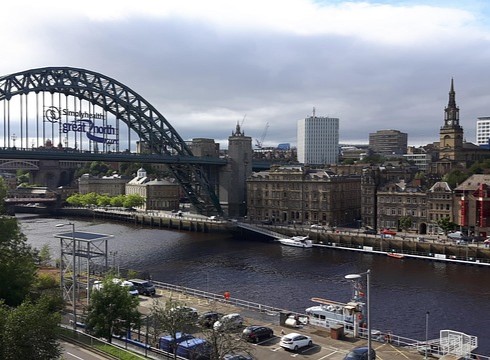
City view of Newcastle-upon-Tyne, United Kingdom

Newcastle-upon-Tyne

Newcastle upon Tyne, a city in northeast England, is known for its industrial heritage and vibrant nightlife. The Tyne Bridge, an iconic symbol of the city, offers stunning views of the River Tyne. The city's Quayside area is lined with bars, restaurants, and cultural venues. Newcastle's Baltic Centre for Contemporary Art, housed in a converted flour mill, showcases cutting-edge art exhibitions. The city's historic Grainger Town features elegant Georgian architecture and the Grey's Monument. Newcastle's football club, Newcastle United, has a passionate fan base and plays at St James' Park. The city's friendly locals and lively atmosphere make it a popular destination for visitors.

Top attractions & things to do in Newcastle-upon-Tyne

If you’re searching for the best things to do in Newcastle-upon-Tyne, this guide brings together the top attractions and must-see places to visit in Newcastle-upon-Tyne. The top picks below highlight the most visited sights for first-time visitors, plus a few local favorites worth adding.

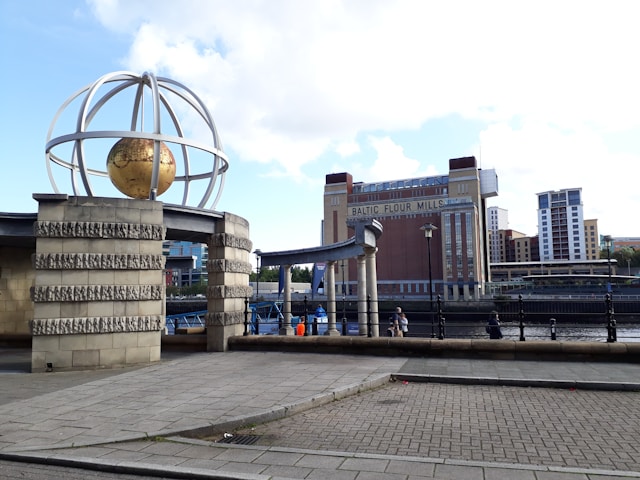
Baltic Centre for Contemporary Art in Newcastle-upon-Tyne, United Kingdom

Baltic Centre for Contemporary Art

The Baltic Centre for Contemporary Art is a transformative cultural landmark that has redefined the art scene in Newcastle. Housed in a converted flour mill on the south bank of the River Tyne, this expansive gallery space is dedicated to showcasing innovative art from around the world. The building's industrial past is evident in its robust architecture, which now serves as a striking backdrop for cutting-edge exhibitions. Inside, visitors encounter a dynamic range of installations, multimedia presentations, and interactive displays that challenge conventional perspectives on art and society. What makes the Baltic Centre particularly fascinating is its role as a catalyst for urban regeneration, having spurred a cultural renaissance in the surrounding area. Extensive archival research and carefully curated collections reveal that the centre has played host to groundbreaking works by emerging and established artists, bridging the gap between traditional art forms and contemporary practices.
Ads place
Ads place
Ads place
Ads place
Ads place
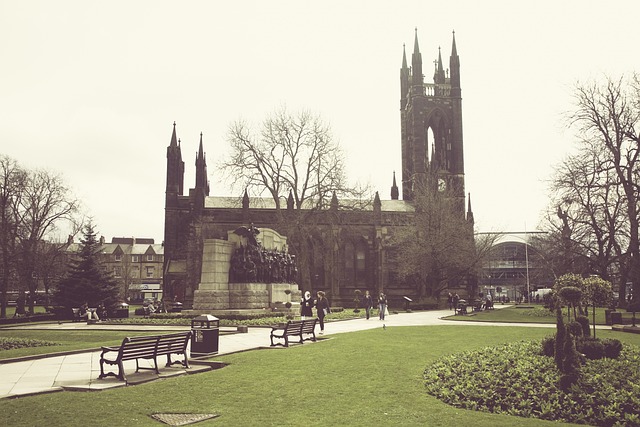
Church of St Thomas the Martyr in Newcastle-upon-Tyne, United Kingdom

Church of St Thomas the Martyr

The Church of St Thomas the Martyr is a Grade I listed neo-Gothic masterpiece in the heart of Newcastle, renowned for its soaring spire and intricate stained-glass windows. Designed by architect John Dobson in 1830, the church was built as part of Richard Grainger's grand plan to transform Newcastle into a modern Victorian city. Its Perpendicular Gothic Revival style features a 180-foot spire, rib-vaulted ceilings, and a nave illuminated by vibrant windows depicting biblical scenes and local saints. During the 1832 cholera epidemic, the church became a sanctuary for the sick, and its crypt housed a soup kitchen for the poor—a testament to its role in social justice. The church's William Hill organ (1855), one of the finest in England, still accompanies choral performances today. Bomb damage during World War II destroyed the original east window, replaced in 1954 by a striking modernist design symbolizing resurrection. Recent restorations uncovered hidden medieval foundations beneath the chancel, suggesting an earlier Saxon chapel once stood here. The churchyard, dotted with Victorian gravestones, offers a tranquil contrast to the bustling city center.
Ads place
Ads place
Ads place
Ads place
Ads place
Grainger Market in Newcastle-upon-Tyne, United Kingdom

Grainger Market

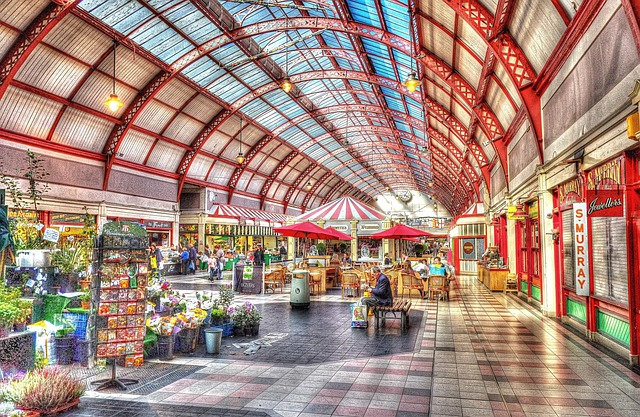
Grainger Market is a bustling Victorian covered market and a cornerstone of Newcastle's civic heritage, opened in 1835 as part of Richard Grainger's visionary urban plan. Designed by architects John Dobson and William John Green, its vast hall features soaring glass roofs supported by slender cast-iron columns and ornate wrought-iron trusses, blending Georgian elegance with industrial innovation. Originally housing 250 stalls, it remains one of the UK's oldest continuously operating markets, famed for its butchers, fishmongers, and eclectic mix of international food vendors. During World War II, the market's basement served as an air raid shelter, with hidden tunnels later repurposed for storage—a detail uncovered during 21st-century renovations. The market's original cobblestones, still visible in sections, echo the clatter of horse-drawn carts from its early days. A surviving 19th-century stall, marked by hand-painted signage, sells traditional Newcastle delicacies like pease pudding and stottie cakes. The 2019 restoration revealed fragments of Victorian-era advertisements beneath layers of paint, now preserved behind glass panels.
Ads place
Ads place
Ads place
Ads place
Ads place
Millennium Bridge in Newcastle-upon-Tyne, United Kingdom

Millennium Bridge

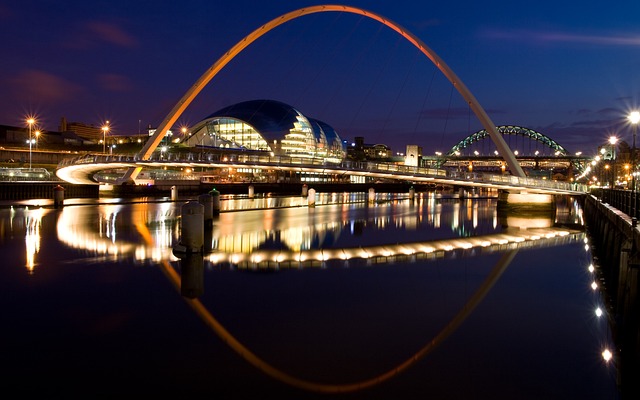
The Millennium Bridge is an iconic pedestrian tilt bridge spanning the River Tyne, connecting Newcastle and Gateshead. Opened in 2001, its innovative tilting mechanism—one of the first of its kind—allows ships to pass by rotating the bridge on massive pivots. Designed by Wilkinson Eyre, the bridge's sleek, curved steel structure and illuminated arches have made it a symbol of Newcastle's post-industrial regeneration. At night, the bridge transforms into a dynamic light installation, reflecting off the river and enhancing the Quayside's modern aesthetic. The structure's engineering marvel lies in its six hydraulic rams, which tilt the 850-ton deck in under four minutes. During construction, archaeologists uncovered remnants of the 18th-century Swirle Crane, now preserved nearby. The bridge's role in the Gateshead regeneration project is celebrated through annual events like the Great North Run, where it serves as a focal point for crowds.
Ads place
Ads place
Ads place
Ads place
Ads place
Newcastle Castle in Newcastle-upon-Tyne, United Kingdom

Newcastle Castle

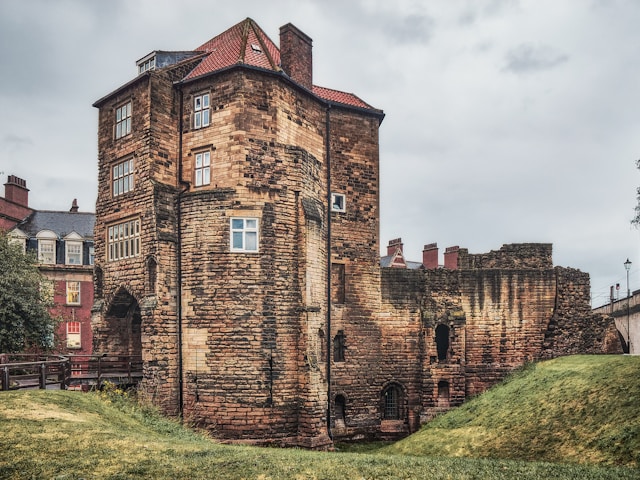
Newcastle Castle is a historic fortress that forms the very foundation of the city's identity and offers a tangible connection to its medieval past. Constructed originally in the 11th century, the castle's imposing stone walls and remnants of defensive structures provide insight into the turbulent history of Northern England. Visitors exploring the castle grounds will encounter ancient ramparts, hidden passageways, and detailed carvings that reveal the craftsmanship of the era. The site not only served as a military stronghold but also as a royal residence, and historical records indicate that secret rooms and defensive tunnels were once integral to its operation. Detailed archival documents and rare artifacts housed within the on site museum further illuminate the lives of medieval soldiers and local nobility. In addition, the panoramic views of the surrounding cityscape and the River Tyne offered from the castle keep add an impressive visual dimension to the experience.
Ads place
Ads place
Ads place
Ads place
Ads place
Newcastle Theatre Royal in Newcastle-upon-Tyne, United Kingdom

Newcastle Theatre Royal

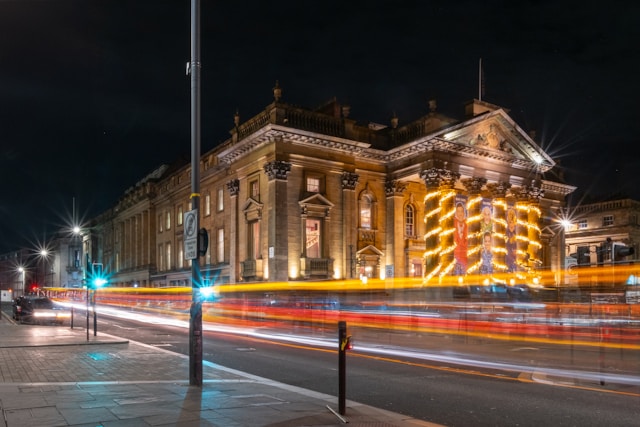
Newcastle Theatre Royal is a Grade I listed Victorian gem and one of the UK's most storied performing arts venues. Opened in 1837 and designed by architect John Green, its opulent interiors feature gilded plasterwork, a grand proscenium arch, and a domed ceiling adorned with frescoes of classical muses. The theatre's Victorian auditorium, with its horseshoe design and velvet-upholstered seating, remains acoustically pristine, hosting world-class opera, ballet, and drama since the 19th century. A pivotal moment in its history came in 1899 when a fire destroyed the original stage, leading to a lavish rebuild that introduced Edwardian Baroque elements still visible today. During World War II, the theatre narrowly escaped bomb damage and became a morale-boosting hub for troops. Notable premieres include adaptations by local playwright Alan Ayckbourn, while legends like Laurence Olivier and Judi Dench have graced its stage. The 2011 refurbishment restored its ornate stucco detailing and revealed hidden trapdoors once used for Victorian stage magic. The theatre's underground archives preserve playbills from Charles Dickens' 1858 reading tour, offering glimpses into its literary connections.
Ads place
Ads place
Ads place
Ads place
Ads place
St. Nicholas Cathedral in Newcastle-upon-Tyne, United Kingdom

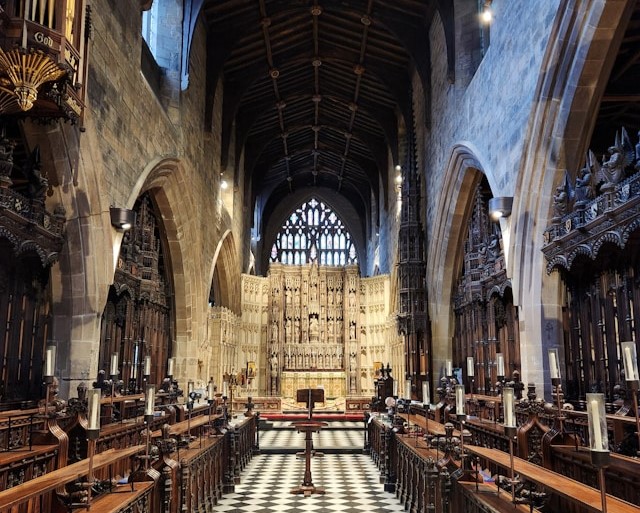
St. Nicholas Cathedral

St. Nicholas Cathedral, often referred to as the 'Light of the North', is a stunning example of Gothic Revival architecture that commands attention in the heart of Newcastle. Constructed in the 19th century, the cathedral features soaring spires, intricately carved stone details, and expansive stained-glass windows that filter daylight into vivid hues. Historical accounts indicate that its design was influenced by both medieval and contemporary architectural trends, resulting in a structure that honors tradition while embracing modernity. Within its walls, visitors discover richly decorated chapels, detailed memorials to notable local figures, and an impressive collection of ecclesiastical artifacts that chronicle centuries of spiritual life. An intriguing aspect is the presence of a hidden crypt, where archival records and relics are carefully preserved, offering a deeper understanding of the cathedral's role in the community. The acoustics of the cathedral have been engineered to perfection, enhancing the resonant sounds of organ music and choral performances during services and special events.
Ads place
Ads place
Ads place
Ads place
Ads place
The Glasshouse in Newcastle-upon-Tyne, United Kingdom

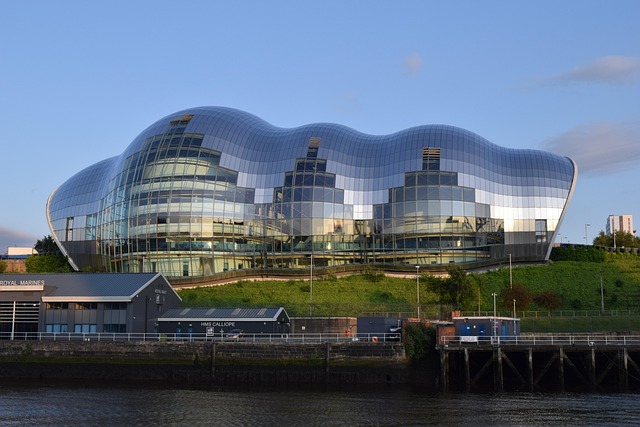
The Glasshouse

The Glasshouse (formerly Sage Gateshead) is a striking contemporary music venue renowned for its acoustic precision and architectural audacity. Designed by Foster + Partners and completed in 2004, its sweeping glass-and-steel shell curves along the River Tyne, mirroring the flow of water. The venue houses three performance spaces, including the 1,700-seat Sage One, celebrated for its unparalleled sound quality achieved through suspended timber 'clouds' and reverberation chambers. The building's design pays homage to Newcastle's industrial past, with exposed steelwork echoing the region's shipbuilding legacy. During construction, engineers discovered remnants of the Victorian-era Redheugh Bridge, now integrated into the site's landscaping. The Glasshosts over 400 events annually, from classical orchestras to indie festivals, while its music education programs nurture local talent. A lesser-known feature is the rooftop terrace, offering panoramic views of the Quayside and the Tyne's tidal surges.
Ads place
Ads place
Ads place
Ads place
Ads place
The Quayside in Newcastle-upon-Tyne, United Kingdom

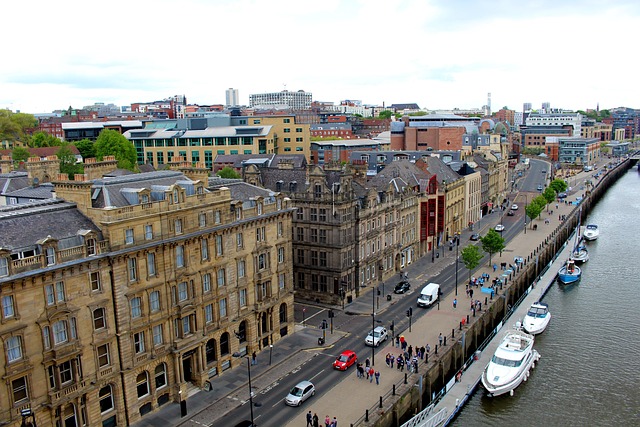
The Quayside

The Quayside in Newcastle is a vibrant waterfront district that embodies the city's rich maritime heritage and contemporary urban energy. Stretching along the banks of the River Tyne, this area is celebrated for its mix of modern architecture and historic industrial remnants. Visitors strolling along the quayside encounter restored warehouses, elegant bridges, and illuminated promenades that transform the night into a visual feast. The region's history is palpable in the preserved details of old dockyard equipment and subtle plaques that recount tales of shipbuilding and trade during the Industrial Revolution. Intriguing discoveries, such as hidden carvings on old stone piers and vintage maritime memorabilia in small museums, add layers of depth to the experience. The Quayside is also renowned for its lively cultural events, including open-air concerts and art installations that reflect the creative spirit of Newcastle.
Ads place
Ads place
Ads place
Ads place
Ads place
Tynemouth Priory and Castle in Newcastle-upon-Tyne, United Kingdom

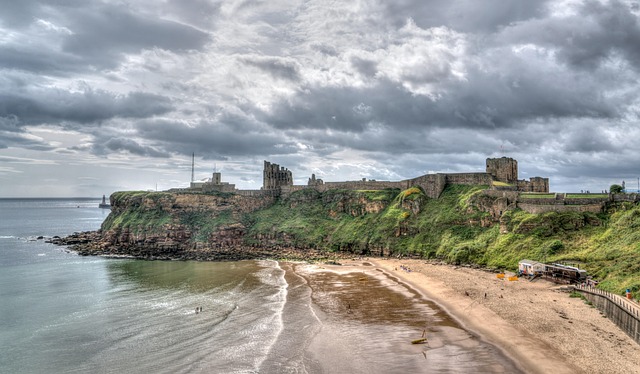
Tynemouth Priory and Castle

Tynemouth Priory and Castle is a windswept medieval fortress-monastery perched on a rocky headland overlooking the North Sea. Founded in the 7th century as a monastic settlement, it was repeatedly sacked by Vikings before being rebuilt as a Benedictine priory in the 11th century. The site's jagged ruins include a 13th-century gatehouse, a Norman chapel, and crumbling defensive walls that once repelled Scottish invasions. During the English Civil War, it was refortified with artillery batteries, remnants of which still dot the cliffs. Archaeologists have uncovered Saxon graves and medieval stained glass, while the onsite museum displays Viking-age relics unearthed from nearby beaches. The priory's strategic importance is underscored by its role in guarding the Tyne estuary, with panoramic views stretching to Hadrian's Wall. A hidden gem is the World War II-era tunnel complex beneath the headland, used as a secret command post.
Ads place
Ads place
Ads place
Ads place
Ads place