
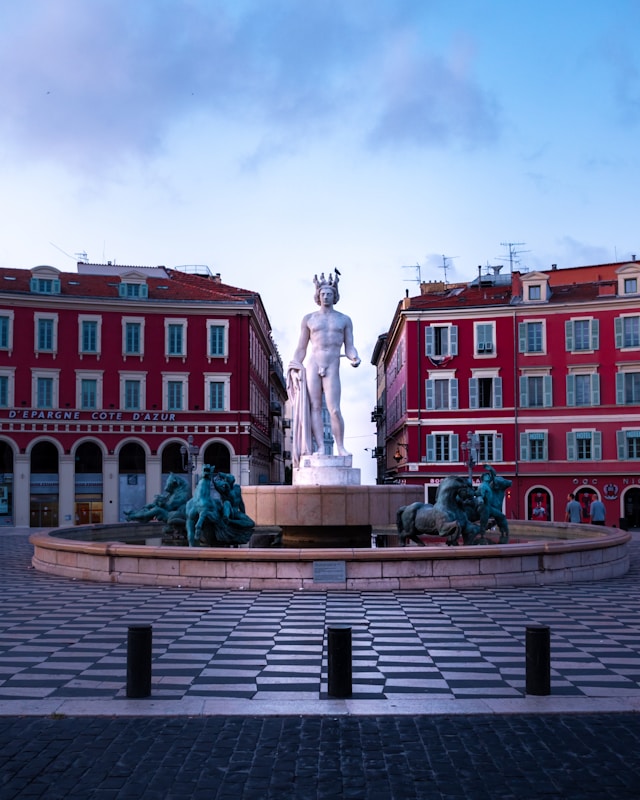
Place Masséna
In Nice, France .
More places to visit in Nice
Discover more attractions and things to do in Nice.
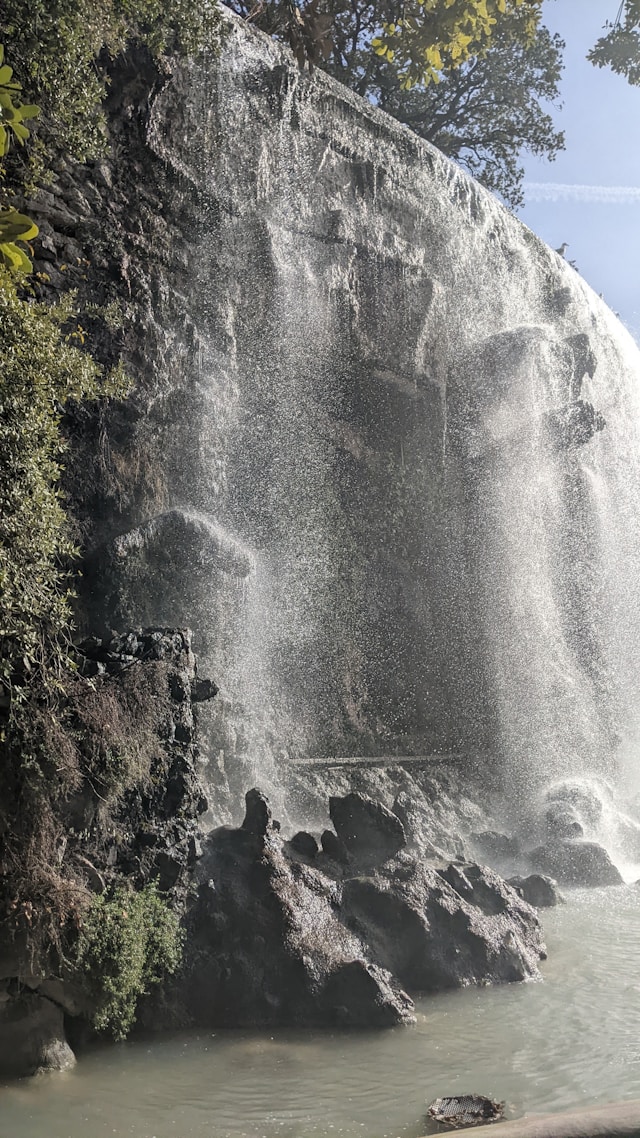
Castle Hill
Castle Hill , or Colline du Château , offers panoramic views of Nice, the sparkling Mediterranean, and the surrounding coastline. Although the original castle no longer stands, the hill is a lush park filled with trees, waterfalls, and historical ruins. Visitors can hike to the top or take the elevator for easier access. The summit is perfect for photography, picnics, or simply admiring the stunning scenery. Castle Hill is also home to the Bellanda Tower and ancient cemetery. This green space is a refreshing escape from the busy streets below and provides an ideal spot to relax and appreciate the beauty of Nice. The hill was originally the site of the Greek settlement of Nikaia in 350 BCE. The castle was destroyed in 1706 by order of Louis XIV to prevent it being used by enemies. The artificial waterfall was added in 1885 using water from the nearby Paillon River . The Bellanda Tower, built in the 19th century, once housed composer Hector Berlioz during his visits to Nice.
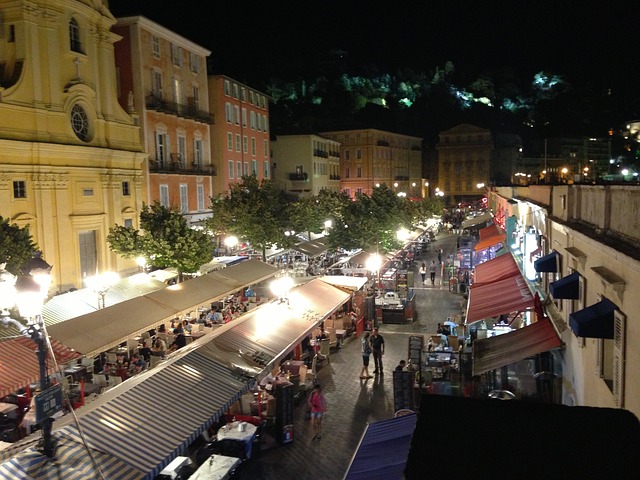
Cours Saleya Market
The Cours Saleya Market in Nice is a vibrant, open-air market located in the Old Town. Known for its lively atmosphere, the market features stalls brimming with fresh produce, flowers, local delicacies, and handmade crafts. The market is open daily except for Mondays when it turns into an antique market . Visitors can sample fresh fruit, olives, cheeses, and regional specialties like socca . The colorful displays and aromatic scents create an immersive experience, perfect for travelers looking to enjoy authentic local flavors and find unique souvenirs. The surrounding cafes offer a perfect spot to relax and enjoy the market's energy. Established in 1861, the market is named after Count Raynarde de Saleya , a 17th-century benefactor. The flower market once supplied roses for Queen Victoria 's 1891 visit. During WWII, it was a center for trading ration coupons on the black market . The Monday antique market, operating since 1980, features over 150 vendors. Beneath stall #42 lies a hidden 13th-century well .
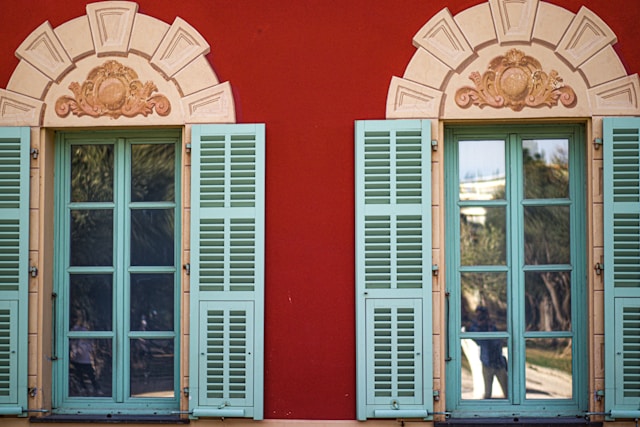
Matisse Museum
The Matisse Museum in Nice celebrates the life and work of Henri Matisse , one of the most influential artists of the 20th century. Located in the historic neighborhood of Cimiez , the museum is housed in a 17th-century Genoese villa surrounded by gardens. It features a comprehensive collection of Matisse's paintings, sculptures, drawings, and personal artifacts. The museum's layout allows visitors to follow the evolution of his art, from early works to the vibrant, later pieces that reflect his iconic use of color and form. The Matisse Museum is a must-visit for art lovers seeking to understand the depth and innovation of Matisse's creative journey. The villa stands on the site of a Roman arena dating to the 1st century. Matisse lived nearby at the Hôtel Régina from 1938 until his death in 1954. The museum's opening in 1963 was delayed due to legal battles over Matisse's estate. The gardens contain olive trees that are centuries old, some possibly dating back to Roman times.
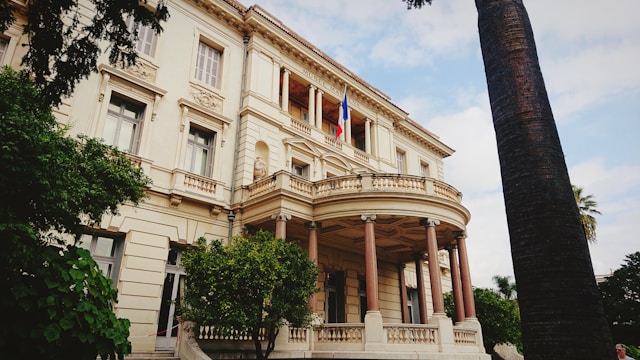
Musée Masséna
Musée Masséna , housed in an elegant Belle Époque villa along the Promenade des Anglais, is dedicated to preserving the history and art of Nice. The museum's exhibits span from the Napoleonic era to the 20th century, showcasing a variety of artifacts, paintings, and period furnishings. Visitors can learn about the development of Nice as a prominent destination for European aristocracy, as well as its cultural evolution over the decades. The museum's beautiful gardens and sea-facing location add to the allure, making it not only a place for historical education but also a scenic retreat. Built in 1898 for Prince Victor d'Essling , grandson of one of Napoleon's marshals, the villa combines Italianate and French architectural styles. A 1900 fire destroyed part of the collection, including personal letters of Empress Joséphine . The museum houses an impressive collection of fans belonging to Empress Alexandra of Russia . The upstairs balcony offers spectacular views of the Promenade des Anglais and the Mediterranean.
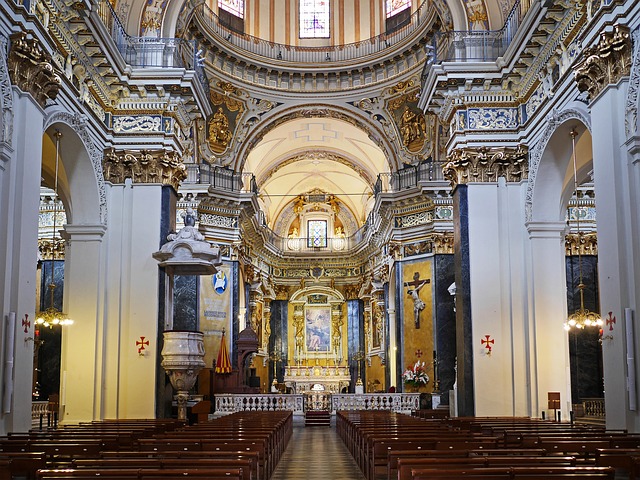
Nice Cathedral
The Nice Cathedral, officially known as Cathédrale Sainte-Réparate , is a stunning example of Baroque architecture located in the heart of Old Town. It was constructed in the 17th century and dedicated to Saint Reparata , the city's patron saint. The cathedral's ornate façade and beautiful bell tower make it a striking landmark. Inside, visitors can admire elaborate frescoes, intricate woodwork, and an impressive altar. The cathedral's history and religious significance make it a place of contemplation as well as a masterpiece of artistic design. The surrounding square, Place Rossetti , is a lively spot perfect for soaking in the ambiance of Vieux Nice. Consecrated in 1699, the cathedral took nearly 60 years to complete. The bell tower, finished in 1757, offers panoramic views of the old town. The cathedral houses relics of Saint Reparata, a 3rd-century Palestinian martyr. During WWII , valuable artworks were hidden to prevent Nazi looting. The cathedral's exceptional acoustics make it a prime venue for sacred music concerts .
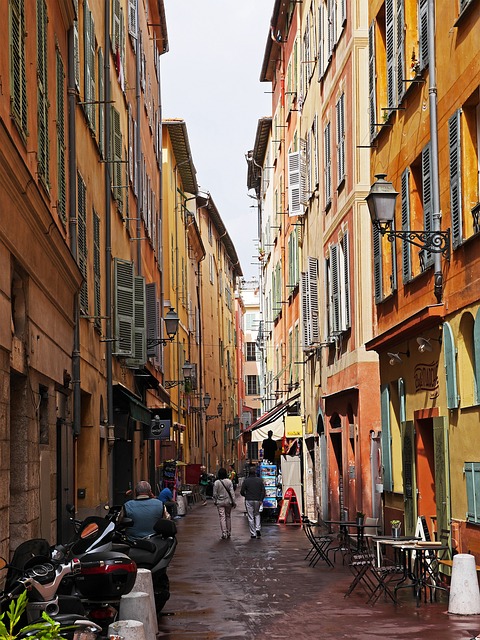
Old Town (Vieux Nice)
Vieux Nice , or Old Town, is a maze of narrow, colorful streets filled with history and charm. The district is known for its Baroque architecture , artisan shops, and bustling markets. Visitors can explore Place Rossetti , home to the impressive Cathédrale Sainte-Réparate , or enjoy local treats like socca and gelato at one of the many cafes. The Cours Saleya market is a highlight, offering fresh produce, flowers, and unique crafts. The vibrant atmosphere and eclectic mix of boutiques, galleries, and eateries make Old Town a must-visit location that captures the essence of Nice's culture and heritage. Hidden gems include the 17th-century Lascaris Palace with its frescoed ceilings and the Chapelle de la Miséricorde , considered one of the finest Baroque churches in Europe. The " Turkish Quarter " features buildings with Ottoman-inspired arches dating back to Nice's occupation in 1543. Don't miss the trompe-l'œil murals on Rue Droite or Chez René Socca , serving the city's best chickpea pancakes since 1952.
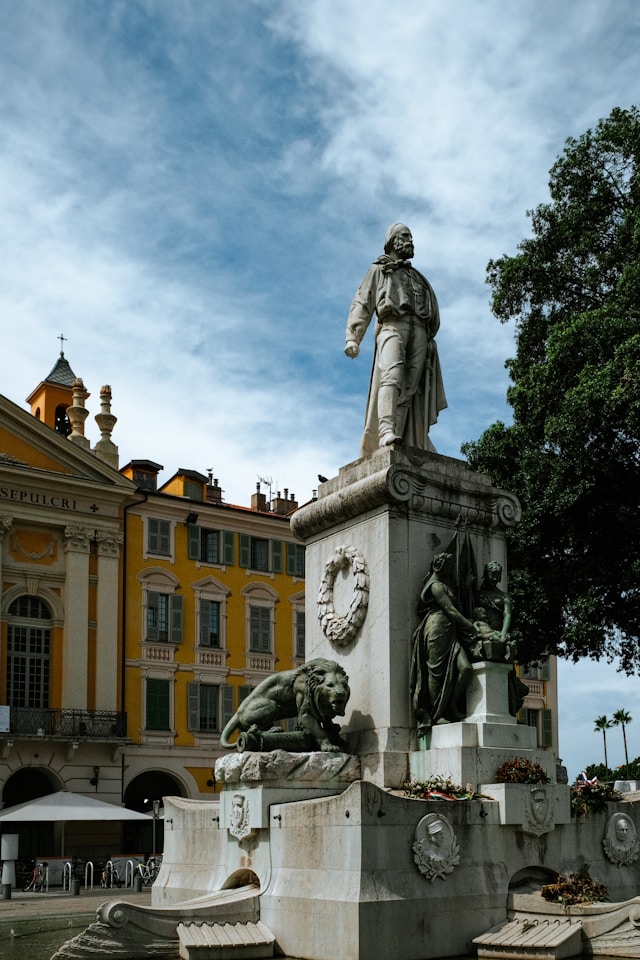
Place Garibaldi
Place Garibaldi is a vibrant square located in the heart of Nice, surrounded by 18th-century buildings with classic Italian architecture. Named after Giuseppe Garibaldi , a hero of Italian unification, the square is both a historical and cultural focal point. It features an impressive statue of Garibaldi and is lined with cafes and restaurants where visitors can sample local cuisine. The square connects various parts of the city and is often bustling with activity. It is a great starting point for exploring Nice's old port and nearby attractions, making it a must-visit for those seeking to experience the city's lively atmosphere. Designed in 1780 by architect Antoine Spinelli , the square's arcades were inspired by those in Turin . The Garibaldi statue, erected in 1891, deliberately faces toward Italy. Beneath the square lies a 19th-century aqueduct that has been repurposed as a parking garage. During WWII, the square was briefly renamed "Place Maréchal Pétain" under Vichy rule .
Promenade des Anglais
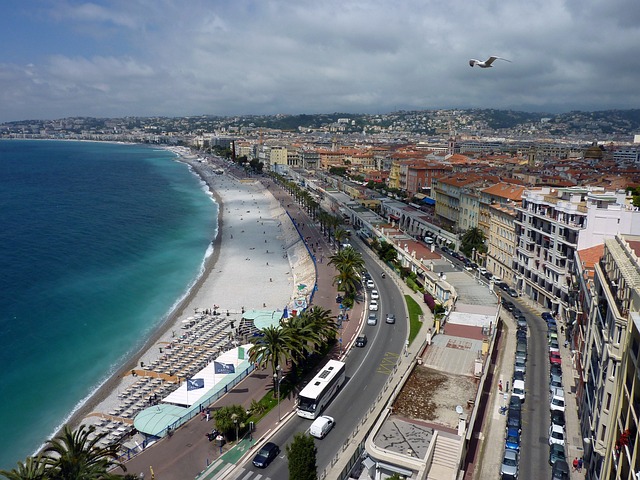
Promenade des Anglais is the iconic waterfront walkway in Nice that stretches for seven kilometers along the Baie des Anges . It is lined with palm trees, elegant hotels, and charming cafes, making it a favorite spot for both locals and tourists. Visitors can stroll, jog, or cycle along the promenade while enjoying breathtaking views of the Mediterranean Sea . The Promenade is also a great place to sit and relax on one of the famous blue chairs , watching the waves and the bustling activity around. It is especially popular during sunsets when the sky turns a brilliant mix of oranges and pinks, creating a romantic ambiance. Originally funded by English aristocrats in the 19th century who wintered in Nice, the promenade got its distinctive blue chairs in the 1950s. The Art Deco Hôtel Negresco , one of its most famous landmarks, houses an impressive collection of art including a 17th-century Louis XIII tapestry . During summer evenings, street performers and musicians add to the lively atmosphere.
Russian Orthodox Cathedral
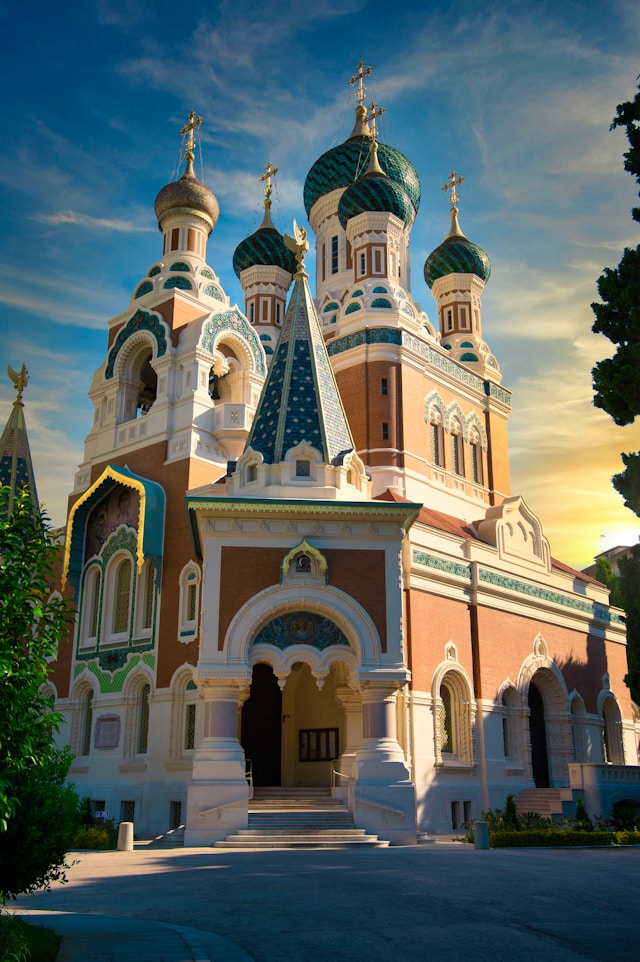
The Russian Orthodox Cathedral of Saint Nicholas in Nice is one of the most remarkable architectural sites in the city. Built in the early 20th century for the growing Russian community, it remains the largest Eastern Orthodox cathedral in Western Europe. The cathedral is characterized by its striking onion domes and richly decorated façade. Inside, visitors are treated to an array of frescoes, icons, and religious artifacts. The cathedral is a testament to the historical ties between Russia and the French Riviera, making it an essential cultural and religious landmark. The well-maintained gardens surrounding the cathedral provide a tranquil space for contemplation. Tsar Nicholas II personally approved the cathedral's design in 1903. The six golden domes symbolize Christ and the five evangelists. During WWII, the crypt was used to hide Resistance fighters. A recent restoration revealed original Kremlin-style frescoes beneath layers of paint. The annual Easter service attracts thousands, featuring bread blessed by flames from Jerusalem's Holy Sepulchre .