City view of Nicosia, Cyprus

Nicosia

Nicosia, the capital city of Cyprus, is a vibrant and historic destination offering a blend of modernity and tradition. The city is unique as it is divided by the Green Line, separating the Greek Cypriot south and the Turkish Cypriot north. Visitors can explore the Venetian walls that surround the old town, which features narrow streets, traditional houses, and lively markets. Nicosia also offers modern shopping districts, a variety of restaurants serving Cypriot and international cuisine, and a dynamic nightlife. The city is a cultural hub, home to museums, galleries, and cultural festivals that showcase the island's rich heritage.

Top attractions & things to do in Nicosia

If you’re searching for the best things to do in Nicosia, this guide brings together the top attractions and must-see places to visit in Nicosia. The top picks below highlight the most visited sights for first-time visitors, plus a few local favorites worth adding.

Buyuk Han in Nicosia, Cyprus

Buyuk Han

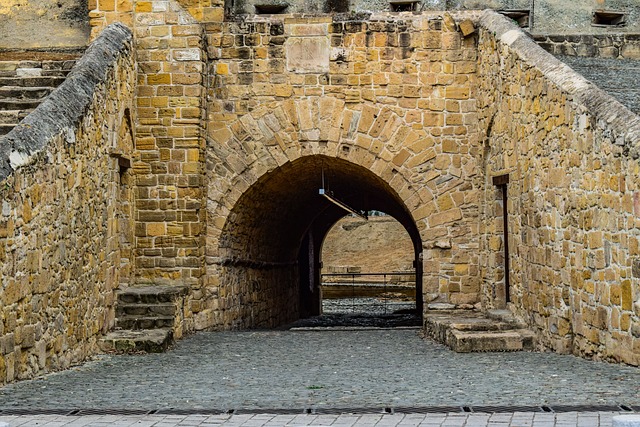
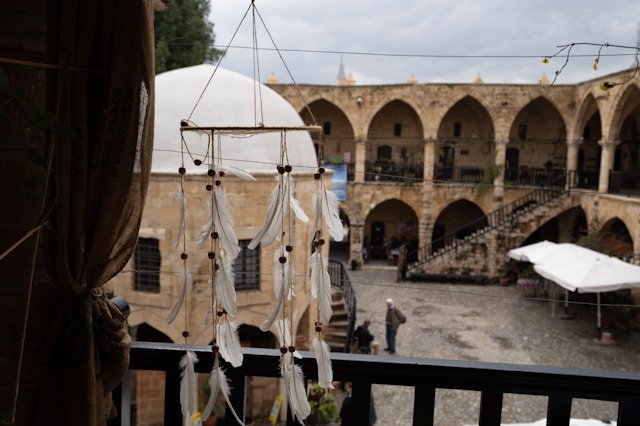
Büyük Han ("Great Inn") is a large two-story Ottoman-era caravanserai in Nicosia, built in 1572 soon after the Ottoman conquest of Cyprus. Its imposing stone gateway and rows of vaulted rooms reflect the classic design of an Ottoman inn. Centered around a spacious courtyard with a fountain and a tiny domed mosque at its heart, it provided lodging for merchants and travelers with dozens of rooms lining two levels. During the British colonial period, Büyük Han was repurposed as a prison and later served as a poorhouse for the destitute. Extensive restoration in the late 20th century transformed it into a vibrant cultural hub. Today, the arcaded stone halls host artisan workshops, crafts boutiques, galleries, and cafes, making it a lively cultural center and one of the city's most popular historic attractions. Büyük Han stands as one of the finest examples of Ottoman architecture in Cyprus, attracting visitors from all over.
Ads place
Ads place
Ads place
Ads place
Ads place
Faneromeni School in Nicosia, Cyprus

Faneromeni School

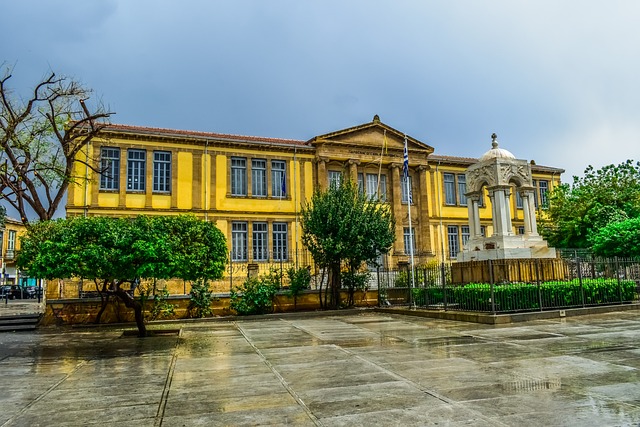
The Faneromeni School in Nicosia is a historic educational institution, known as the first girls' school in Cyprus. Established in 1859 during the late Ottoman era, it was a pioneering step for female education on the island, offering formal schooling to girls at a time when such opportunities were rare. The school was established under the auspices of the Orthodox Church and local community leaders, reflecting a new commitment to educating young women. The school's two-story building stands adjacent to Panagia Faneromeni Church and features elegant Neo-classical architecture with a columned facade. For generations, Faneromeni School educated young women and became a cornerstone of the Greek Cypriot community in the walled city. Today, the building remains in use as an educational facility and cultural center, symbolizing the enduring value of learning and cultural progress in Cyprus, and it remains one of the oldest school buildings still in use in Cyprus.
Ads place
Ads place
Ads place
Ads place
Ads place
Ledra Street in Nicosia, Cyprus

Ledra Street

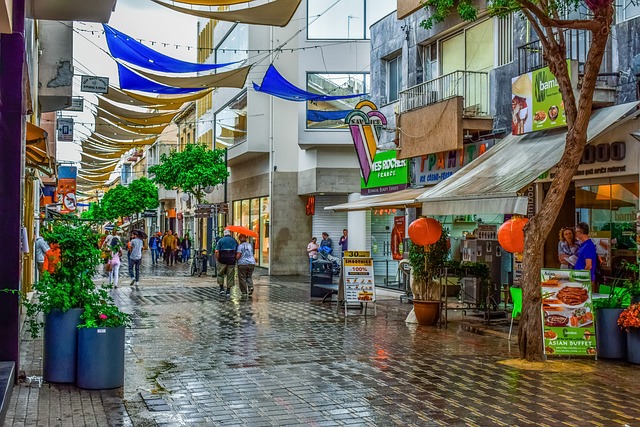
Ledra Street is a bustling pedestrian street in the heart of old Nicosia. Named after ancient Ledra, an early city-kingdom on the site of Nicosia, it became a symbol of the divided city when conflict split it with a UN Buffer Zone. For decades (from 1963 until 2008) residents could only gaze across barbed wire at the other side, until a border crossing here finally reopened, marking a hopeful step toward reunification. Now the street is lined with shops, cafes, and eateries in restored historic buildings, blending modern commerce with vintage charm. Notably, the Shacolas Tower Observatory on Ledra offers panoramic views of the city from above, including the once-segregated areas. Today, locals and visitors from both sides freely stroll and mingle along this vibrant promenade, which links the Greek Cypriot south and Turkish Cypriot north. Ledra Street stands as a living bridge between two cultures and eras in Cyprus's capital.
Ads place
Ads place
Ads place
Ads place
Ads place
Liberty Monument in Nicosia, Cyprus

Liberty Monument

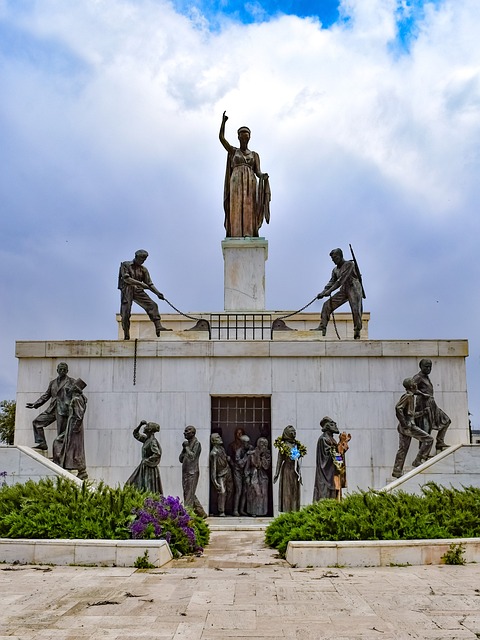
The Liberty Monument in Nicosia is a striking sculpture built into the Venetian walls to commemorate Cyprus's independence from British colonial rule. Unveiled in 1973 on the 13th anniversary of the Republic, it depicts two EOKA fighters unlocking prison gates and freeing a group of shackled patriots from an underground cell. Stone figures of a priest, a monk, peasants, and other heroes climb out from captivity, symbolizing the Cypriot people emerging to freedom. The monument honors those who fought in the 1955–59 EOKA struggle that led to independence in 1960. Set at the Podocattaro Bastion of the old Venetian fortifications near Famagusta Gate, the Liberty Monument stands as a national memorial and a powerful symbol of freedom. It remains a site of tribute during national holidays and remembrance ceremonies, with wreath-laying events honoring the fallen heroes. Today, it is one of Nicosia's most important national monuments in the capital city.
Ads place
Ads place
Ads place
Ads place
Ads place
Liberty Square in Nicosia, Cyprus

Liberty Square

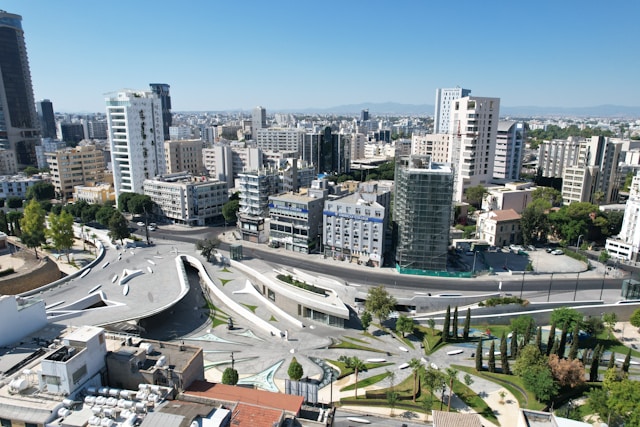
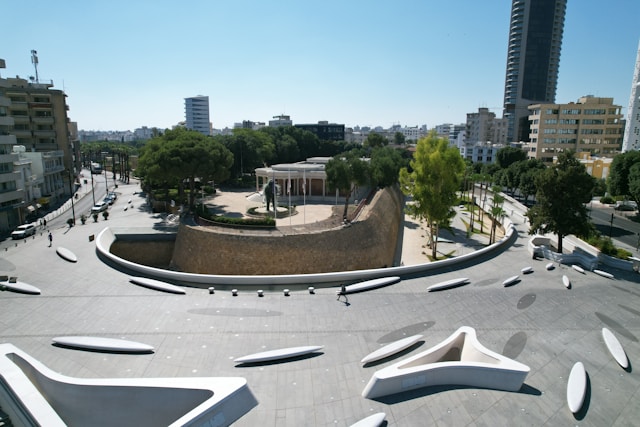
Liberty Square (Eleftheria Square) is the central public plaza of Nicosia, uniquely built into the city's old moat alongside the 16th-century Venetian walls. Originally laid out in the British colonial era, the square was completely redeveloped in a landmark project led by Zaha Hadid Architects. After years of construction delays, it finally reopened in 2021 to the public. The new design features sleek modern architecture with sculpted white concrete pathways and elevated bridges that connect the historic walled city to the contemporary downtown. Sunken gardens and open spaces were added in the old moat, creating an urban oasis that blends past and present. At night, dramatic lighting highlights the contrast between the ancient fortifications and the square's futuristic design. Today, Liberty Square serves as a vibrant civic hub for events like concerts and festivals, public gatherings, and daily city life, symbolizing Nicosia's ongoing revitalization and reunification efforts. The project also improved pedestrian access, bridging over the once-impassable moat into the old town.
Ads place
Ads place
Ads place
Ads place
Ads place
Panagia Faneromeni Church in Nicosia, Cyprus

Panagia Faneromeni Church

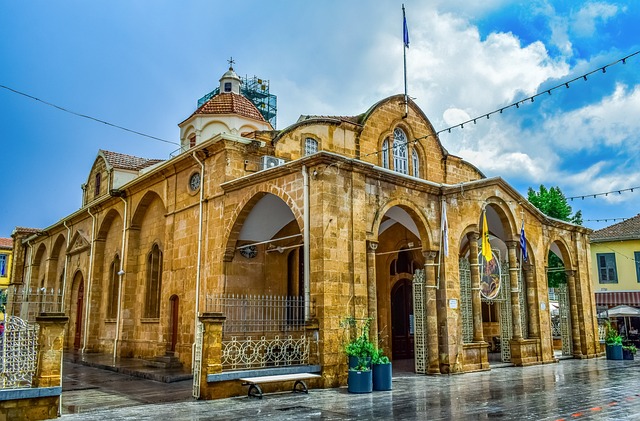
Panagia Faneromeni Church is a prominent Greek Orthodox church in the old city of Nicosia, cherished as a spiritual center for Nicosia's Greek community during the Ottoman period. The current church was built in 1872 on the site of an older chapel, and it became the largest Christian church within the city walls at that time. Its architecture blends European neoclassical elements with traditional Byzantine style, featuring a beautifully carved wooden iconostasis and vivid iconography inside. In the courtyard stands a marble mausoleum holding the remains of clergymen executed by the Ottomans during the 1821 uprising, making Faneromeni a symbol of faith and sacrifice. The church also played a role in education, as the adjacent Faneromeni School for girls was founded by the community. Today, Panagia Faneromeni Church remains a beloved landmark, known for its holy icon of the Virgin Mary and its enduring place in the city's religious heritage.
Ads place
Ads place
Ads place
Ads place
Ads place
Paphos Gate in Nicosia, Cyprus

Paphos Gate

Paphos Gate is one of the three original gates in Nicosia's 16th-century Venetian fortifications. Located on the western side of Nicosia's walled city, this unadorned gate (also known historically as Porta Domini) once led out toward Paphos and surrounding villages. In 1878, when Cyprus came under British administration, colonial authorities opened a new passage by blowing a hole through the thick rampart next to Paphos Gate to accommodate modern traffic. The gate area even hosted a British police station during colonial times, a role continued by a small police post there today. This breach, often called the New Gate, allowed easier access but left the original gate arch intact. Today, the old Paphos Gate arch still stands largely intact near the UN Buffer Zone that divides Nicosia. A small police post occupies the area, and the gate remains a lasting testament to the city's layered history of defense and adaptation.
Ads place
Ads place
Ads place
Ads place
Ads place
Selimiye Mosque in Nicosia, Cyprus

Selimiye Mosque

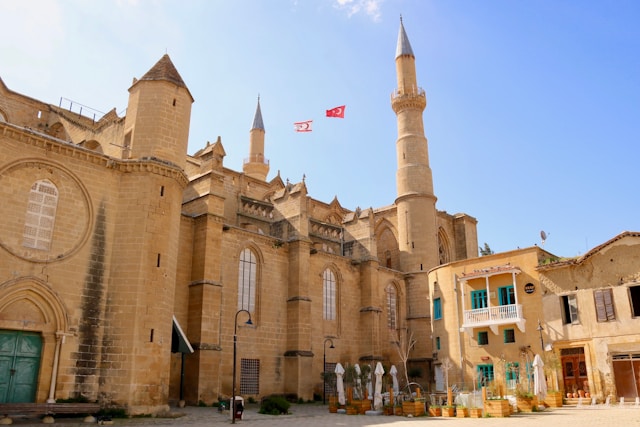
The Selimiye Mosque is a medieval Gothic marvel that once served as the Cathedral of Saint Sophia. Constructed in the 13th century during the Lusignan period, its pointed arches, ribbed vaults, and flying buttresses showcase classic Gothic architecture. After the Ottoman conquest of Nicosia in 1570, the cathedral was converted into a mosque and renamed after Sultan Selim II, marking the fusion of Frankish and Ottoman heritage. It was one of the largest medieval churches in the Eastern Mediterranean, and its conversion in the 16th century reflects the island's complex history of cultural and religious change. Today, the building remains an active mosque, with two slender minarets added to the original structure, rising high above the old city skyline. Inside, soaring Gothic columns and vaulted ceilings coexist with Islamic prayer niches and minimal decor. The site stands in the heart of North Nicosia as a stunning symbol of the island's layered cultural heritage.
Ads place
Ads place
Ads place
Ads place
Ads place
Statue of Fazil Kucuk in Nicosia, Cyprus

Statue of Fazil Kucuk

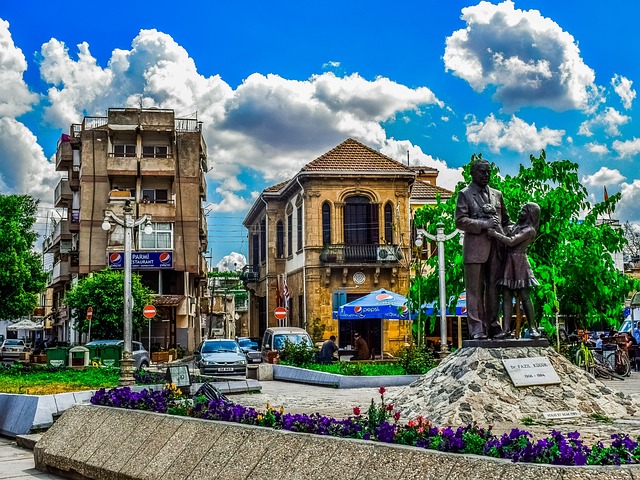
The Statue of Dr. Fazil Küçük in Nicosia honors a prominent Turkish Cypriot leader and statesman. Dr. Küçük (1913–1984) served as the first Vice President of the Republic of Cyprus after independence, representing the Turkish Cypriot community under the power-sharing constitution, and remained a leading voice for Turkish Cypriots through the turbulent 1960s. A tireless advocate for his community's rights and equality, he also founded the influential Halkin Sesi newspaper. The statue, located in North Nicosia, was unveiled in the late 1980s and depicts Dr. Küçük in a dignified pose, often with one hand raised as if addressing the public. It stands as a symbol of Turkish Cypriot heritage and pride, commemorating his contributions to the island's modern history. Locals gather at the monument during national events and memorial days to pay respects to his legacy. Even decades after his passing, Dr. Küçük remains a revered figure.
Ads place
Ads place
Ads place
Ads place
Ads place
The Archbishop's Palace in Nicosia, Cyprus

The Archbishop's Palace

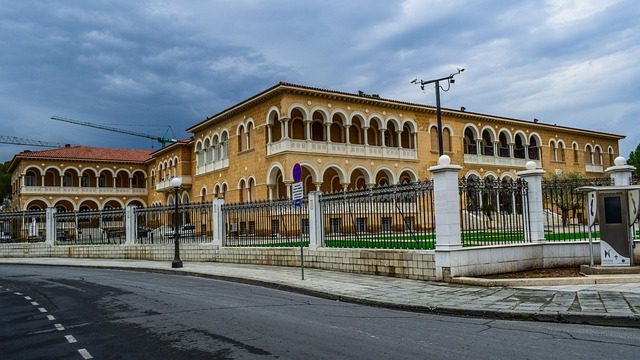
The Archbishop's Palace in Nicosia is a grand mansion built in a Neo-Byzantine style, completed in 1960, just before Cyprus's independence. It serves as the official residence and offices of the head of the Greek Orthodox Church of Cyprus. Commissioned by Archbishop Makarios III – who was also the first President of Cyprus – the palace features ornate arches, colonnades, and detailed mosaics reflecting its Byzantine inspiration. Within its complex are cultural institutions like the Byzantine Museum, which houses an extensive collection of icons, relics, and other ecclesiastical treasures, and a library housing rare religious manuscripts. In the courtyard stands a large bronze statue of Makarios III, honoring his legacy. The historic 18th-century (built 1730) Old Archbishop's Palace and the small Saint John's Cathedral (Agios Ioannis) also adjoin the main palace building. Today, the Archbishop's Palace is both a religious center and a cultural landmark, symbolizing Cypriot Orthodox heritage in the capital.
Ads place
Ads place
Ads place
Ads place
Ads place